Executive Overview
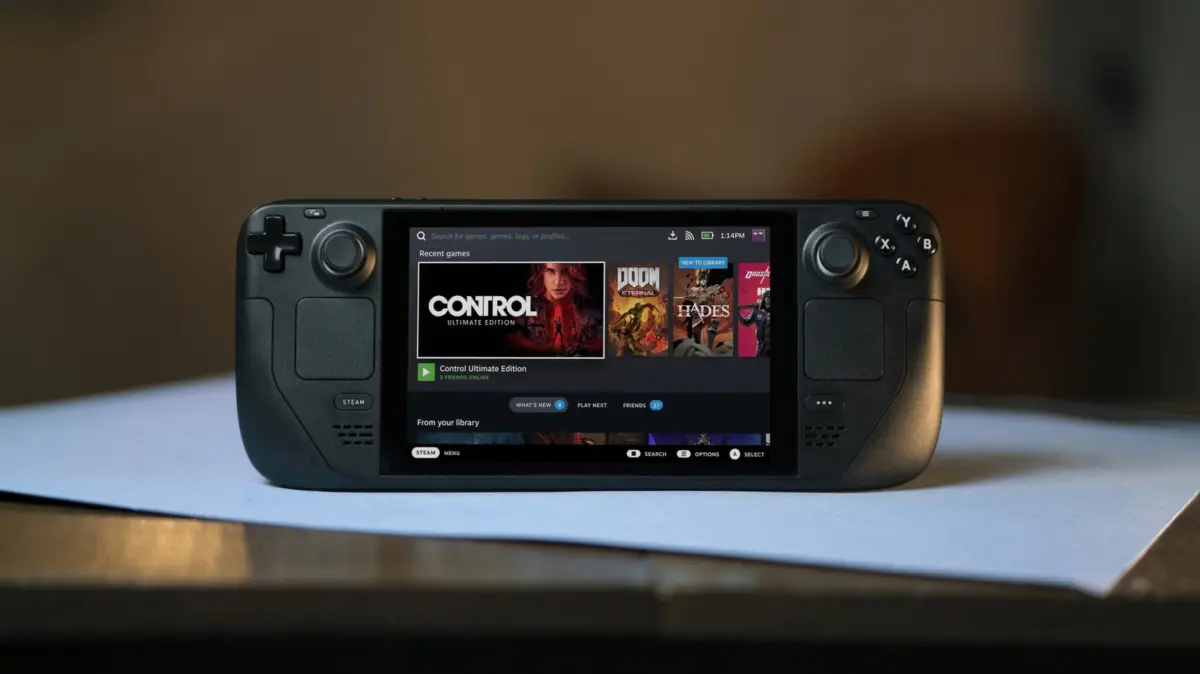
When Valve first introduced the Steam Deck in February 2022, it fundamentally reshaped the portable gaming landscape. It promised a frictionless bridge between the vast libraries of PC gaming and the physical ergonomics of a dedicated handheld console, all at a price point that sent shockwaves through the industry. However, the technology sector in 2026 looks vastly different from the era of the Deck’s initial debut.
Today, the portable gaming market is locked in a fierce, multi-front war. Driven globally by persistent memory shortages—colloquially dubbed "RAMageddon"—hardware costs have surged. AI infrastructure demands have strained the global supply chain, causing component prices to spike and defying the historical trend of consumer electronics getting cheaper over time. As a result, Valve’s pioneering device has not been spared, seeing a steep price increase of up to $300 across its lineup.
Concurrently, a new generation of high-powered competitors from Asus, Lenovo, and Nintendo has flooded the market. With Unreal Engine 5 cementing itself as the industry standard for modern, graphically demanding titles, and with competitors boasting raw processing power superior to Valve’s ageing architecture, a pressing question dominates the discourse: Is the Steam Deck still worth buying in 2026?
To answer this, we must examine the macro-economic forces driving tech hardware costs, compare the Steam Deck against its current rivals, evaluate real-world performance metrics, and weigh user experiences from industry critics.
Detailed Chronology: The Evolution of Handheld Gaming
To understand the current standing of the Steam Deck, it is vital to trace how the market evolved from a single dominant platform into a hyper-competitive battleground over a four-year window.
- February 2022: Valve launches the original Steam Deck. Running on a custom AMD Zen 2/RDNA 2 APU, it captures the imagination of the PC gaming community, offering unprecedented access to Steam libraries on the go.
- April 2022: Epic Games releases Unreal Engine 5 to the public. Developers rapidly adopt the toolset, enabling photorealistic lighting, massive geometric detail, and complex physics. However, these advancements exponentially increase the resource demands placed on gaming hardware.
- Late 2023: Valve introduces the Steam Deck OLED. While the revision introduces a gorgeous, vibrant screen, improved battery efficiency, and Wi-Fi 6E, it brings no substantive processing or graphical performance improvements over the original LCD model.
- 2024–2025 (The Rise of Competitors): Sensing blood in the water, major manufacturers launch rival ecosystems. Asus releases the ROG Ally and later the refined Ally X, attempting to marry Windows flexibility with dedicated handheld ergonomics. Lenovo counters with the Legion Go line, bringing detachable Joy-Con-style controllers and Windows performance to the table.
- Late 2025 – Early 2026 (RAMageddon and Price Hikes): The global semiconductor and memory markets buckle under the relentless expansion of enterprise AI data centers. Component costs skyrocket. Major tech manufacturers adjust pricing upwards; Valve implements a $300 price hike on remaining Steam Deck configurations, while Nintendo launches and subsequently prices its much-anticipated Switch 2 at $500 in September 2026.
Supporting Context & Metrics: Hardware, Performance, and Pricing
Evaluating the Steam Deck in 2026 requires looking past marketing jargon and analyzing concrete metrics, battery realities, and financial trade-offs.
The Performance Divide: Steam Deck vs. The Competition
When evaluated purely on raw performance benchmarks, the Steam Deck is undeniably outmatched by modern hardware. In standardized GPU and CPU tests like 3DMark Time Spy, the Asus ROG Xbox Ally (and Ally X) alongside the Lenovo Legion Go product lines consistently deliver superior frame rates.
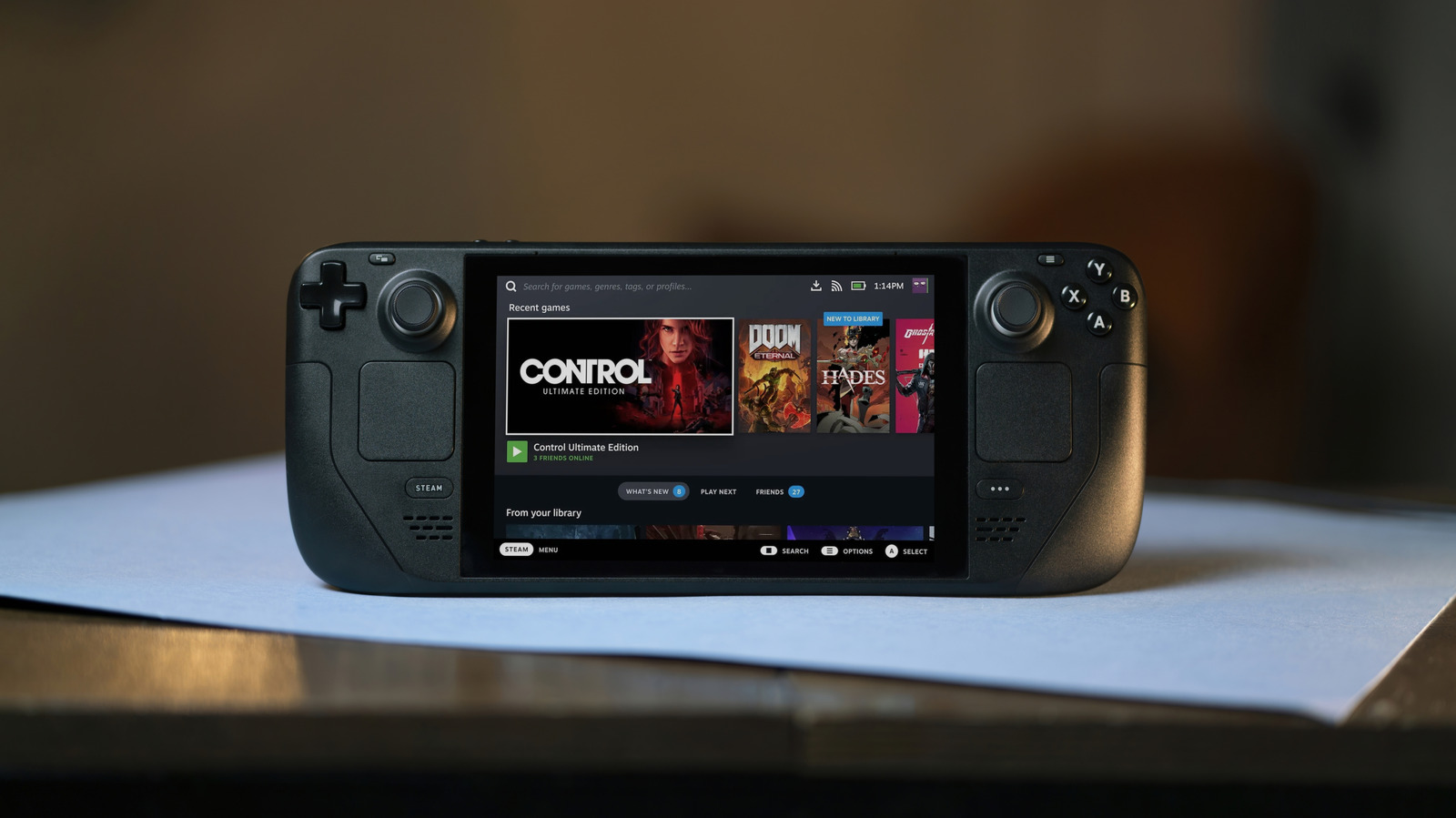
Asus and Lenovo’s higher-end offerings utilize newer, more advanced AMD silicon designed to punch well above the Steam Deck’s now-dated custom APU. While some indie titles or older games run identically across all platforms, modern AAA titles leveraging Unreal Engine 5 expose the Steam Deck’s hardware limitations. On the Steam Deck, these titles often require aggressive upscaling, low presets, or locked 30 FPS caps to remain playable.
However, raw performance tells only part of the story. Real-world power efficiency paints a vastly different picture.
Battery Life and Thermal Realities
While competitors like the Asus ROG Ally or Lenovo Legion Go boast larger physical batteries on paper, their efficiency under load undermines these advantages.
- When pushed to their maximum performance limits, competitors routinely drain their batteries significantly faster than the Steam Deck OLED.
- The Steam Deck was engineered from the ground up for low-wattage optimization. For mobile gamers prioritizing endurance—those who want to play for hours away from a wall outlet without carrying a massive external power bank—Valve’s handheld often outlasts its technically superior rivals in real-world usage scenarios.
Furthermore, the Steam Deck remains one of the most ergonomic and lightweight devices in its class. Aside from the Nintendo Switch 2, it is noticeably lighter than the heavy, bulky chassis of the Legion Go and ROG Ally, making it far more comfortable for extended, multi-hour handheld sessions.
The Pricing Matrix
Price is arguably the most decisive battleground of 2026. The current market hierarchy breaks down as follows:
- Nintendo Switch 2: Priced at $500 (as of late 2026), it is by far the cheapest dedicated handheld gaming device offering modern amenities, though it is fundamentally limited by its closed ecosystem and lack of access to a traditional PC storefront.
- Asus ROG Xbox Ally (Standard): Serves as the most affordable entry point for gamers wanting a Windows-based handheld capable of accessing PC libraries, though users must contend with the notorious quirks of the Windows operating system on a small screen.
- Steam Deck OLED: Following its recent price adjustments, it sits comfortably below the price points of the Asus ROG Ally X and the entire modern Lenovo Legion Go lineup when purchased directly from Valve.
- Lenovo Legion Go & Asus ROG Ally X: Represent the high-end, premium tier of handheld PC gaming, commanding top-dollar prices that place them out of reach for budget-conscious consumers.
Official Statements and Industry Insights
The divergence in consumer opinion highlights how polarizing the handheld market has become. Industry experts and hardware reviewers note that purchasing decisions now hinge entirely on personal ecosystem preferences and target game libraries.
Discussing the device’s ongoing viability despite inflation and market shifts, Jessica Conditt, who reviewed the Steam Deck OLED, notes:
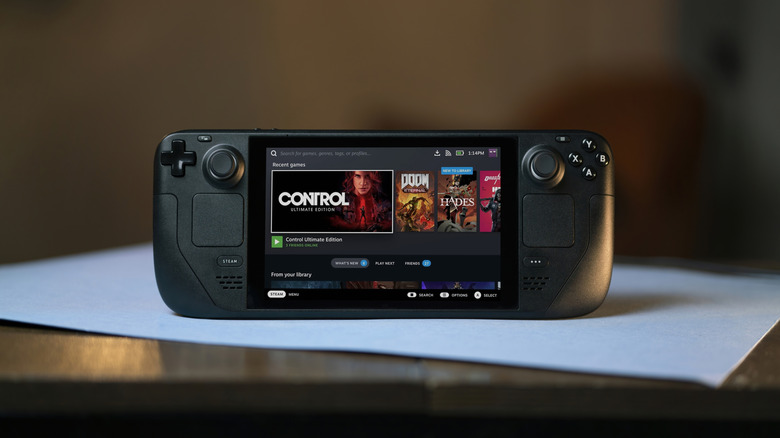
"If you only want to play Steam games and you’re not too worried about bleeding-edge graphics, Steam Deck is still a great little machine, even with the price increase."
Conditt further emphasizes the broader economic sentiment surrounding the market:
"Prices are ludicrous. I feel like Switch 2 is the only handheld that makes sense for its price at the moment, honestly."
Industry analysts point out that while the Steam Deck OLED offers a magnificent screen and robust Linux-based SteamOS interface, it faces software limitations. Notably, SteamOS still struggles or outright fails to run competitive multiplayer titles like Fortnite or Call of Duty: Warzone due to incompatible kernel-level anti-cheat software. For players whose primary gaming diet consists of these titles, a Windows-based alternative (like the ROG Ally) or a dedicated console is mandatory.
Future Outlook: Where Does the Steam Deck Go From Here?
As the tech industry navigates the ongoing ripples of global memory shortages and AI-driven hardware inflation, the trajectory of portable PC gaming is undergoing a radical reassessment.
The era of cheap, impulse-buy PC handhelds has temporarily drawn to a close. With competitors raising the performance bar through higher-end silicon—and subsequently raising their retail prices—Valve faces a critical juncture. The Steam Deck is no longer protected by a lack of competition; it must survive purely on the merits of its software ecosystem, its price-to-value ratio for indie and moderate-intensity games, and the seamless user experience provided by SteamOS.
Who Should Buy a Steam Deck in 2026?
- Buy it if: You are deeply entrenched in the Steam ecosystem, prefer a polished, console-like operating system over the clunkiness of Windows on a handheld, enjoy indie games, retro emulators, or older AAA titles, and value battery efficiency and physical ergonomics over hyper-realistic graphics.
- Skip it if: You demand maximum graphical fidelity for cutting-edge Unreal Engine 5 blockbusters, require native support for competitive shooters with aggressive kernel-level anti-cheat, or are looking for the absolute cheapest entry point into portable gaming (where devices like the Switch 2 or budget-tier Windows alternatives may tempt you).
Ultimately, while the Steam Deck’s crown has faced serious challenges from powerful newcomers, it remains a beloved, highly functional piece of hardware. In a market crippled by rising costs, its ability to deliver a cohesive, frustration-free portable PC experience ensures it remains a viable—if carefully considered—investment for the modern gamer.