
Executive Overview
YouTube has firmly planted its flag in the living room. For years, the platform was synonymous with mobile devices, train commutes, and short-form, low-production-value video. Today, connected TVs (CTVs) represent its fastest-growing and most aggressively prioritized frontier. For content creators, brands, and digital marketers, this shift demands a total operational rethink.
Optimizing a channel for a 65-inch screen requires much more than simply scaling up resolution; it requires a fundamental evolution in content length, narrative structure, audio-visual optimization, and search engine mechanics. Backed by insights from digital strategist Liron Segev, alongside media experts Michael Stelzner and Jerry Potter, this report breaks down the strategic imperatives marketers must master to capture the couch-bound audience. From navigating YouTube’s advanced Unique Reach metrics and leveraging AI-powered discovery via Ask YouTube, to tapping into frictionless Buy with Google Pay e-commerce features, the era of passive video consumption is officially over.
Detailed Chronology: The Evolution of YouTube’s Living Room Strategy
The metamorphosis of YouTube from a mobile-first app into a dominant living room staple did not happen overnight. Understanding this trajectory is vital for anticipating where the platform—and its algorithmic priorities—will head next.

- The Mobile Era (2010s): YouTube was built for the individual, on-the-go user. Production values were secondary to rapid value delivery. Tight editing, jump cuts, and mobile-friendly thumbnails defined the baseline of digital video strategy. Creators prioritized immediate gratification, aiming to retain users who might otherwise swipe away within seconds.
- The Convergence Phase (Early 2020s): Smart TVs proliferated, and living room viewing hours began to outpace mobile viewing for long-form content. YouTube quietly redesigned its TV interface, shifting from a passive casting tool to a fully integrated streaming operating system. Marketers, however, lagged behind, largely continuing to evaluate content through the lens of desktop and smartphone displays.
- The High-Resolution Upgrade (2025–2026): Recognizing the hardware capabilities of modern living room displays, YouTube expanded its thumbnail file size limit from 2 megabytes to 50 megabytes, enabling 4K resolution assets. Concurrently, the platform rolled out AI-powered upscaling for sub-1080p video feeds, ensuring legacy content remained visually competitive against traditional studio-produced streaming networks.
- The AI and Commerce Integration (Present Day): YouTube is aggressively deploying Gemini-powered intelligence through tools like Ask YouTube directly onto smart TVs and consoles. Coupled with Buy with Google Pay features and advanced Unique Reach reporting, the platform has completed its evolution from a video repository into a transactional, interactive entertainment ecosystem.
Visual Optimization: Conquering the 65-Inch Screen
The most common operational failure among modern marketers is a cognitive disconnect regarding viewing environments. Most creators review their work on a high-brightness computer monitor or an OLED smartphone screen, completely divorced from the physical reality of a living room.
The Couch Perspective Check
Liron Segev highlights a fundamental rule for channel audits: marketers must physically sit on their couch at a normal viewing distance to experience their content as a TV viewer would. This perspective check is entirely free and instantly reveals flaws—such as muddy color grading, overly dense text overlays, or frantic editing pacing—that vanish on a pocket-sized display.
Channel Banners as Free Real Estate
On mobile devices and desktop browsers, channel banners are aggressively cropped. However, on connected TVs, the banner display expands significantly at the top and bottom. YouTube provides precise dimension guidelines during the upload process. Savvy marketers can utilize these previously dead zones to display secondary branding, localized promotional messaging, or structural value propositions that speak directly to the household viewer.
Thumbnails in the Era of 4K
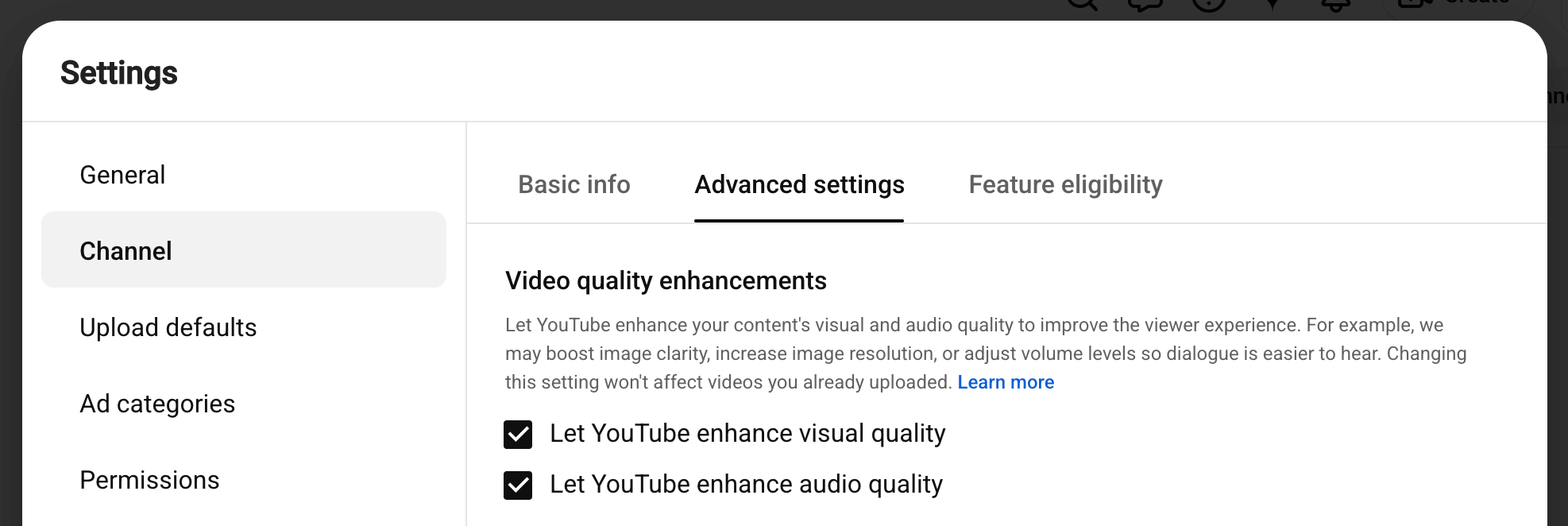
The expansion to 4K thumbnail uploads is a double-edged sword. While it allows for crisp, visually stunning preview assets, a higher-resolution version of a cluttered, confusing thumbnail remains fundamentally ineffective. The cardinal rule of thumb design has not changed: its singular job is to arrest the scroll. Clean vector designs, high-contrast color palettes, and minimal text dominate across all form factors, from a smartphone screen to a massive home theater setup.
Narrative Architecture: Crafting Episodic Content for the Couch Audience
Content strategy must evolve alongside hardware changes. Mobile viewers are impatient, distracted, and primed for quick fixes. Couch viewers, by contrast, are relaxed, often consuming media while multitasking on their phones, and searching for immersive, long-form experiences.
The Infotainment Shift
Where traditional YouTube strategy demanded immediate hook-and-run tactics, TV optimization rewards an "infotainment" framework. Videos stretching past the 10-minute mark—once considered high-risk experiments—are now the baseline for top-performing channels. This format mirrors the psychological state of a user who has just finished a Netflix documentary and flipped over to YouTube; their brain demands a comparable narrative standard, even if the content is produced by an independent brand rather than a Hollywood studio.
Crucially, authenticity often trumps technical perfection. As generative AI makes hyper-polished visuals ubiquitous, raw human elements—such as unscripted dialogue, bloopers, and natural behind-the-scenes interactions—build deep psychological rapport with the audience.
Episodic Design and Re-Hooks
Rather than relying solely on isolated, transactional how-to tutorials, marketers must pivot toward episodic storytelling. Viewers subscribe to channels when they are invested in a narrative arc. Furthermore, because living room viewers frequently glance down at their mobile devices, creators must weave "re-hooks"—brief, organic periodic recaps—into their long-form scripts. Framing these naturally ("We’ve just covered part A; let’s transition into part B now") recaptures wandering attention without talking down to the audience.

Metrics and Measurement: Decoding Unique Reach
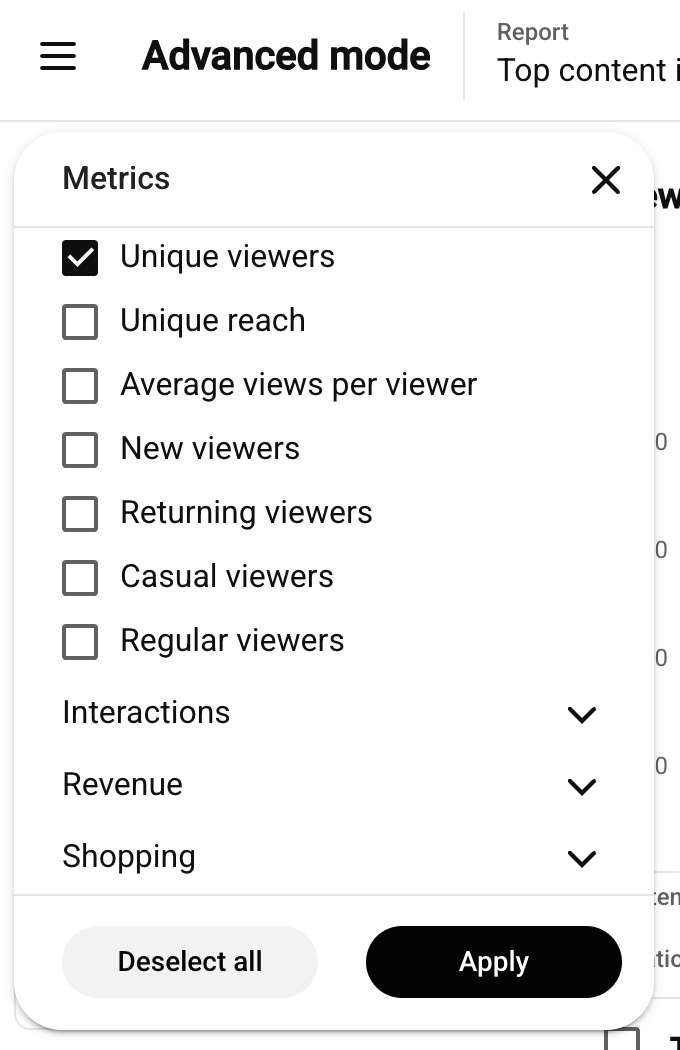
Evaluating channel performance solely through traditional unique viewers or raw view counts no longer tells the whole story. YouTube’s introduction of the Unique Reach metric marks a major leap forward in living room analytics.
[Traditional Unique Viewers] ──> Counts individual logged-in accounts only.
[YouTube Unique Reach]       ──> Modeled metric capturing co-viewers & household screens
                                 using time of day, demographics, and device signals.
Understanding Co-Viewing Dynamics
Unique Reach models the total volume of human beings actually sitting in front of a screen. By analyzing signals such as time of day (evening viewing heavily correlates with family or group presence), device type, and genre, YouTube approximates household co-viewing. This mirrors the methodology long utilized by traditional television ratings systems like Nielsen.
Implications for Sponsorships and Partnerships
For marketers negotiating brand deals and sponsorships, Unique Reach is a powerful leverage tool. A video showing 5,000 baseline views may actually boast a Unique Reach of 15,000. While this expanded audience metric validates the broad cultural footprint of the content, experts advise caution: marketers should use traditional view counts as their baseline financial metric while treating Unique Reach as a qualitative bonus indicator rather than a justification to triple sponsorship budgets outright.
AI-Powered Discovery: Mastering Ask YouTube and Voice Search
The integration of Gemini-powered AI into smart TVs through Ask YouTube represents a seismic shift in how content is indexed, discovered, and consumed.
The Search and Citation Economy
Similar to how AI Overviews disrupted traditional search engine optimization for written blogs, Ask YouTube allows living room viewers to query their TV remotes and receive synthesized answers directly on screen. While some creators worry about declining raw view counts if users get answers without watching, forward-thinking marketers recognize that authority supersedes raw metrics. If a brand becomes the primary, cited source of truth for an AI-driven query, high-intent conversions will inevitably follow.
Optimizing Transcripts and Metadata
To ensure AI models index and surface your content:
- Front-Load Value: Address the core premise or answer the primary question within the first 100 words of the video script and transcript.
- Multimodal Awareness: Gemini is a multimodal vision model capable of "seeing" on-screen text overlays, lower thirds, and graphics. Visually displaying URLs and brand handles gives the AI additional data points to pull from.
- Conversational Phrasing: Match natural human speech patterns in your scripts. Instead of rigid keyword stuffing, integrate organic phrasing that mirrors how users speak to voice assistants.
- Shorts FAQ Playlists: Build dedicated playlists of short-form videos answering single, highly specific customer questions. These pieces build long-tail search equity that outperforms initial algorithmic pushes.
Frictionless Commerce: Monetizing the Living Room
YouTube’s rollout of Buy with Google Pay functionality on connected TVs transforms passive viewing into an active transactional environment. Viewers can now complete purchases using their TV remote in as few as two clicks.
Living Room Viewer ──> Spots Product in Video ──> 2-Click Remote Checkout (Google Pay) ──> Frictionless PurchaseThe Transactional Future
With over 35 billion hours of shopping-related content consumed on the platform—a massive portion of which occurs in the living room—YouTube is bridging the gap between entertainment and e-commerce. While high-ticket professional services still require consultative funnels, low-ticket consumer goods, merchandise, and affiliate-driven physical products are perfectly positioned for this frictionless checkout infrastructure. The awkward era of forcing TV viewers to scan QR codes is officially being replaced by native, voice-and-remote-activated commerce.

Future Outlook
As connected television continues to swallow traditional broadcast market share, the boundary between digital content creation and professional studio television will dissolve entirely.
Marketers who fail to adapt to the living room environment—continuing to produce hyper-compressed, rapid-fire mobile content devoid of narrative depth or multi-screen optimization—will find themselves invisible to the couch-bound consumer. Conversely, brands that embrace episodic storytelling, optimize for AI-driven voice search, leverage co-viewing analytics, and build frictionless transactional touchpoints will capture the most lucrative, attentive audience demographic in modern media history. The future of marketing is on the big screen; the time to optimize is now.