Executive Overview
YouTube’s aggressive push into the living room is no longer an experimental side-project—it is the platform’s primary strategic horizon. With connected TVs (CTVs) rapidly becoming the dominant consumption medium, creators and brands must fundamentally recalibrate how they approach video production, channel architecture, and audience engagement.
This structural shift requires a radical departure from traditional mobile-first optimization. Viewers lounging on a sofa in front of a 65-inch screen carry vastly different psychological expectations than commuters scrolling on smartphones. They expect cinematic clarity, episodic pacing, and an immersive viewing environment that rivals premium streaming services like Netflix.
To help marketers navigate this historic transition, tech expert Liron Segev recently joined Michael Stelzner and Jerry Potter to break down the technical, creative, and analytical realities of YouTube on TV. This comprehensive report explores actionable strategies for optimizing channel assets, adapting to AI-driven voice discovery, leveraging new metrics like Unique Reach, and capitalizing on emerging living-room e-commerce channels.
Detailed Chronology: The Evolution of the Living Room Shift
The metamorphosis of YouTube from a mobile-and-desktop video repository into a dominant television network has been methodical, accelerating rapidly over the past several years through a series of key strategic rollouts:

- The Hardware Infiltration: YouTube successfully integrated its application into nearly every smart TV, gaming console, and streaming stick on the global market. Consequently, connected TVs became the fastest-growing and often the number-one traffic source for numerous established channels.
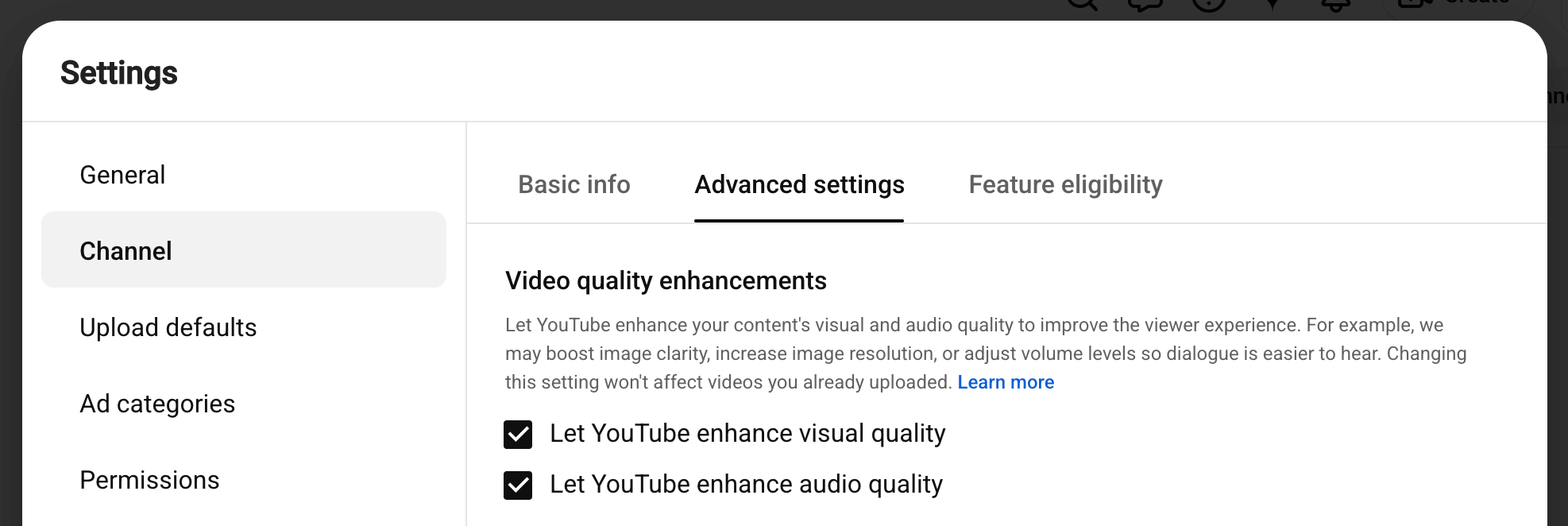
- The Visual and Technical Upgrades: Recognizing that big screens expose low-resolution flaws, YouTube expanded thumbnail file size limits from 2 megabytes to 50 megabytes, enabling pristine 4K uploads. Concurrently, the platform deployed automatic AI upscaling for legacy videos running below 1080p, while preserving manual toggles for quality-conscious creators.
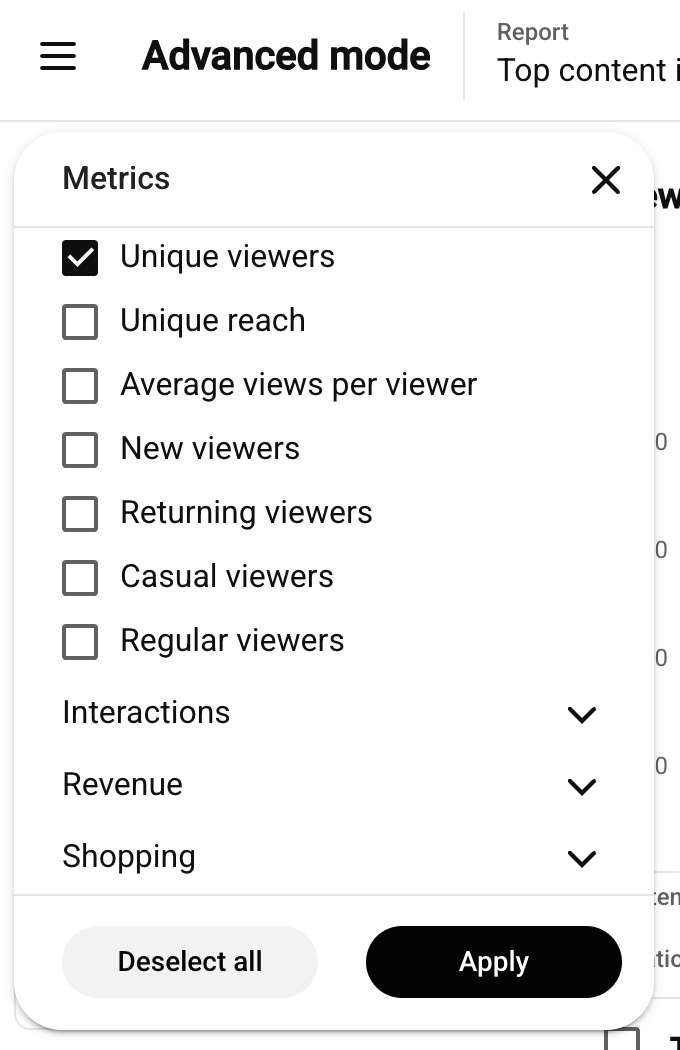
- The Introduction of Advanced Analytics: To help brands quantify multi-viewer environments, YouTube rolled out the Unique Reach metric. This analytical tool blends demographic modeling, time-of-day signals, and device types to estimate true aggregate viewership on shared screens—mirroring traditional television rating systems.
- The Integration of Conversational AI: The expansion of Ask YouTube—powered by Google’s Gemini multimodal vision model—brought conversational voice search and on-screen content analysis directly to the living room remote. Viewers can now query videos, search transcripts, and parse visual on-screen overlays without ever touching a secondary device.
- The Frictionless Checkout Frontier: Most recently, YouTube introduced Buy with Google Pay integrations for connected TVs. This feature enables two-click purchasing directly from advertisements and tagged shopping videos, positioning the living room as a transactional marketplace rather than a passive viewing box.
Supporting Context & Metrics: Rethinking Production for the 65-Inch Screen
For over a decade, digital marketers treated YouTube as an on-the-go medium. Content was built for vertical scrolling, quick hooks, and hyper-dense editing designed to capture fleeting attention spans. The television screen shatters these conventions.
The Psychological Shift of the Couch Audience
When a consumer finishes a cinematic documentary on a major subscription streaming service and picks up the TV remote to navigate to YouTube, their psychological baseline remains unchanged. Subconsciously, the human brain compares the individual creator’s production standard against Hollywood-grade entertainment.
However, as Liron Segev points out, television quality does not equate to sterile perfection. Daily vloggers have conditioned modern audiences to embrace shaky cameras, raw audio environments, and unpolished authenticity. This organic feel will only grow more valuable as generative AI floods the market with hyper-polished, synthetic media. The secret lies not in chasing Hollywood budgets, but in meeting the audience’s expectation of atmospheric immersion.
+-----------------------------------------------------------------+
|               MOBILE VS. LIVING ROOM VIEWER MINDSET             |
+-----------------------------------+-----------------------------+
| MOBILE VIEWER                     | LIVING ROOM VIEWER          |
+-----------------------------------+-----------------------------+
| Low expectations for production   | Compares content to Netflix |
| Shorter attention spans           | Lean-back, episodic pacing  |
| One-to-one individual device      | Multi-viewer / co-viewing   |
| Quick tutorial focus              | "Infotainment" experience   |
+-----------------------------------+-----------------------------+
Low-Hanging Fruit: Optimizing Channel Assets for TV
Marketers routinely audit their channels on desktop monitors or mobile screens, committing a critical oversight by failing to experience their content from viewing distance on a couch. A quick perspective check reveals immediate areas for improvement:
- Channel Banners as Expanded Real Estate: On connected TVs, YouTube channel banners display extended vertical spaces at the top and bottom that remain cropped out on mobile and desktop views. Marketers should utilize YouTube’s official dimension templates to place secondary branding, slogans, or promotional messaging safely within these TV-exclusive zones.
- High-Resolution Thumbnails: Upgrading to the new 50MB limit allows for stunning 4K thumbnail uploads. However, a cluttered, chaotic design rendered in high-definition remains ineffective. The foundational rule persists: a thumbnail’s sole purpose is to interrupt scrolling with clean layouts, contrasting colors, and minimal text.
- Front-Loaded Value Delivery: Titles and thumbnails establish a contract with the viewer. Whatever promise is made on the surface must be fulfilled immediately at the start of the video. This direct-delivery approach satisfies human viewers while providing clean transcripts for AI discovery models, which weigh the first 100 words of a video heavily.
Embracing Longer, Episodic "Infotainment"
The era of the rushed 3-minute tutorial is yielding ground to longer, episodic formats. Ten-minute runtimes are now merely a baseline for TV-optimized content. Couch viewers lean back with a relaxed posture, often holding a secondary device while seeking content they can settle into.
To capture this audience, creators must embrace the "infotainment" model. This involves slowing down the frantic editing pace of classic YouTube and allowing room for human breathing room. Retaining minor bloopers, human slip-ups, and unscripted moments builds profound psychological trust.
Furthermore, because living-room viewers are frequently distracted by smartphones, creators must integrate natural re-hooks—periodic, non-condescending verbal pivots (e.g., "We’ve covered part one; now let’s dive into part two"—to realign wandering attention spans without breaking immersion.
Official Statements and Analytical Perspectives
The strategic shift toward television has forced industry leaders to rethink how metrics, sponsorships, and AI discovery interact within the digital ecosystem.
Decoding the Unique Reach Metric
Traditional YouTube analytics measured unique logged-in accounts, failing to account for families or couples watching a single 65-inch screen together. The introduction of Unique Reach changes this landscape by estimating aggregate human presence using a blend of time-of-day telemetry, device metadata, and demographic modeling.
While Unique Reach provides a powerful narrative when negotiating brand sponsorships and reporting impressive audience numbers, veteran marketers offer a healthy dose of skepticism. Jerry Potter notes that context is paramount: family-oriented channels genuinely experience high co-viewership ratios, whereas B2B or niche technical channels may not. Consequently, marketers evaluating sponsorships should always request both metrics, utilizing traditional view counts as a conservative baseline while treating Unique Reach as a helpful indicator of broader household penetration.

Navigating Ask YouTube and Generative Discovery
The deployment of Gemini-powered AI chat tools to smart TVs introduces complex operational questions. If Ask YouTube can instantly synthesize an answer to a user’s query via voice search directly on their television screen, do view counts plummet?
Liron Segev reframes this common anxiety: marketers should care less about vanity view counts and more about conversion and trust. If a brand becomes the cited authority whose answers are surfaced by AI systems, the resulting brand equity and bottom-line outcomes far outweigh raw, unengaged impressions.
To align with this shift, marketers must adapt their content architecture:
- Verbally State URLs: Because couch viewers cannot easily click description boxes, URLs and social media handles must be spoken aloud on camera.
- Leverage Multimodal AI: Because Gemini is a vision model capable of scanning video frames, clear lower-thirds, on-screen graphics, and text overlays give AI additional data signals to parse during voice queries.
- Incorporate Conversational Keywords: Weaving natural-language phrases and conversational questions into scripts ensures transcripts match how real users query AI systems.
Future Outlook: The Intersection of Voice, AI, and TV Commerce
As we look toward the future of digital marketing, the convergence of connected television, conversational artificial intelligence, and frictionless e-commerce will redefine digital distribution.
+-----------------------------------------------------------------+
|              THE FUTURE OF YOUTUBE MARKETING ON TV              |
+-----------------------------------------------------------------+
| [Voice Search via Gemini] ---> [Multimodal Frame Analysis]      |
|                                         |                       |
| [Episodic Infotainment]  ---> [Seamless "Buy with Google Pay"]  |
+-----------------------------------------------------------------+
The Transactional Living Room
YouTube’s rollout of Buy with Google Pay marks the final evolution of the platform from an entertainment hub into an active point-of-sale terminal. With over 35 billion hours of shopping-related content consumed globally—a significant portion occurring on living room displays—the infrastructure is primed for voice-activated commerce.
Rather than relying on outdated QR codes that consistently failed to capture living-room engagement, the future points toward natural-language commands. Viewers will soon be able to converse fluidly with their TV interfaces—asking to add an endorsed product to a shopping list or execute a two-click purchase using integrated remote authentication.
The Imperative of Originality in the Age of AI
As AI transcript scraping and automated discovery become ubiquitous, the ultimate differentiator for brands will be proprietary experience. Liron Segev warns that AI will never cite content that it could have generated independently. Creators who inject firsthand case studies, original proprietary data, and un-replicated human insights into their episodic video content will secure their status as indispensable authorities across both mobile feeds and living-room television screens.
For marketers willing to adapt their production styles, master conversational script optimization, and embrace the communal psychology of the couch audience, YouTube’s living room revolution represents the most lucrative brand-building frontier of the decade.