Executive Overview
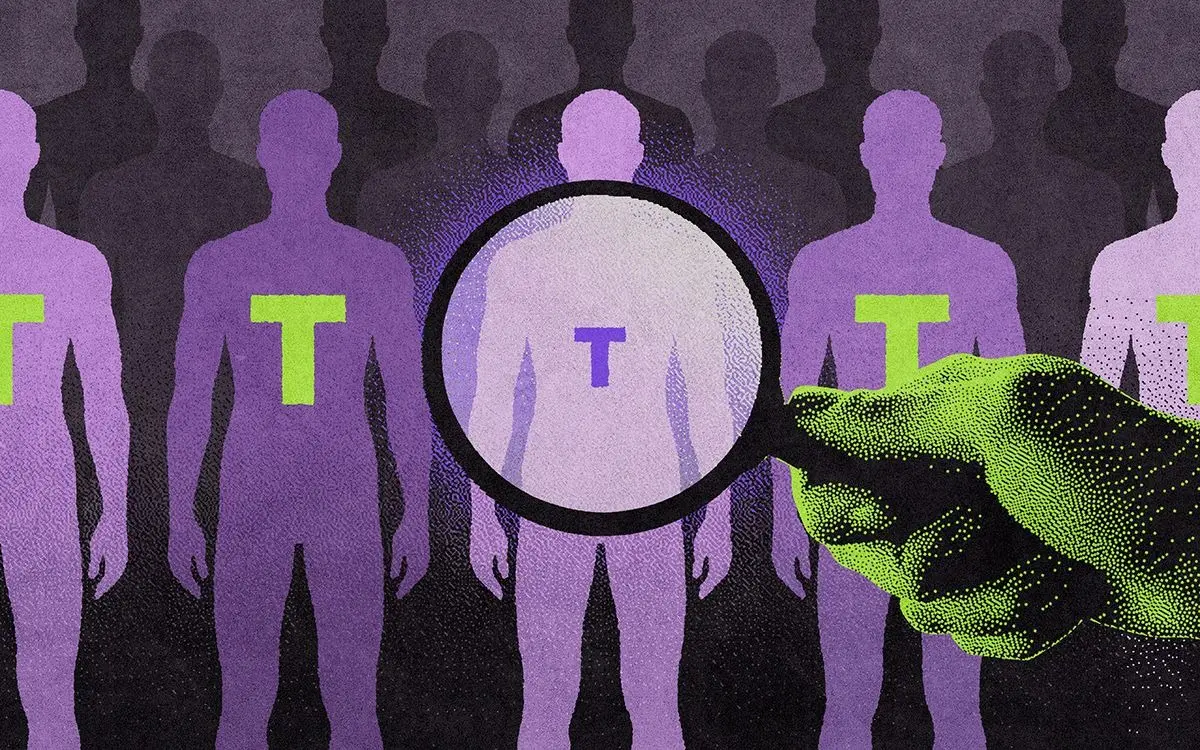
The conversation surrounding testosterone has officially broken out of the locker room and entered the mainstream cultural lexicon. Once largely confined to niche bodybuilding forums or specialized endocrinology clinics, "Low T" is now a dominant fixture of modern discourse, fueled by an intersection of political posturing, wellness podcasters, and an aggressive direct-to-consumer (DTC) digital health boom. As cultural salience deepens and anxiety over changing demographics, traditional masculinity, and aging takes hold, the demand for testosterone replacement therapy (TRT) has skyrocketed.
Stepping into this rapidly expanding market is telehealth juggernaut Hims, which has officially launched a comprehensive TRT service aimed at cisgender men. Known initially for disrupting the erectile dysfunction market with accessible, stigma-free prescriptions, the publicly traded company has evolved significantly since its 2017 launch. Today, serving nearly three million customers and having expanded into women’s health, Hims is making its most ambitious play yet in male medicine.
The service introduces a streamlined, at-home model utilizing capillary blood collection, multi-biomarker screening, and synchronous virtual consultations. However, Hims enters a chaotic and largely unregulated digital frontier—often described as the "Wild West" of online testosterone sales—where competing clinics have historically faced criticism for lax prescription standards and treating testosterone as a routine anti-aging lifestyle enhancer. As the platform looks to capture a massive, untapped market, it must navigate complex medical risks, historical stigma, and a charged political climate that has weaponized male hormone levels as a cultural and partisan flashpoint.
Detailed Chronology
1990–2010s: The Stigma and the Controlled Substance Era
For decades, testosterone was viewed through a narrow, highly stigmatized medical and cultural lens. Following the passage of the Anabolic Steroids Control Act of 1990—enacted in response to widespread abuse of synthetic hormones in athletics—testosterone was classified as a Schedule III controlled substance. This designation cast a long shadow over the hormone, inextricably linking legitimate medical replacement therapy with the illicit behaviors of muscle-obsessed gym rats and bodybuilders.
Compounding this regulatory hurdle were older clinical studies from the late 1990s and 2000s that raised alarms over potential cardiovascular risks associated with testosterone replacement. Although subsequent, more rigorous modern research has largely debunked or contextualized those early fears, the damage to public perception was done. For generations of men, exploring hormone deficiencies meant navigating a labyrinth of institutional skepticism, social embarrassment, and stringent prescribing barriers.
2017–2023: The Rise of DTC Telehealth and the Digital Health Revolution
The landscape of men’s health shifted dramatically with the advent of direct-to-consumer digital health platforms. Founded in 2017, Hims upended traditional healthcare models by allowing patients to bypass awkward in-person doctor visits for stigmatized conditions like erectile dysfunction and hair loss.
By the early 2020s, a wave of digital-native clinics emerged, offering turnkey telehealth services that allowed patients to secure prescriptions for popular medications—ranging from GLP-1 weight-loss drugs to estrogen-based hormone replacement therapies—often with little more than a quick asynchronous questionnaire. However, unlike lifestyle medications that could be easily mailed after a digital form check, the controlled-substance status of testosterone kept it largely at arm’s length for many early-stage platforms, creating a fragmented market dominated by specialized brick-and-mortar anti-aging clinics and aggressive online operators.
2022: The Undercover Exposé of Online TRT Clinics
The vulnerabilities of the online testosterone market were laid bare in a landmark 2022 study. A team of urology researchers went undercover to evaluate how digital health platforms evaluated and prescribed TRT. The findings were startling: six out of seven online clinics evaluated in the study offered testosterone replacement therapy to undercover patients even when lab results indicated completely normal, healthy hormone levels. The investigation underscored concerns that the digital health gold rush was breeding an environment of over-prescription, turning a potent metabolic hormone into an unregulated lifestyle commodity.
2024–2026: The Political Weaponization of "Low T"
By the mid-2020s, testosterone levels had transformed from a quiet medical metric into a prominent political obsession. Across the ideological spectrum, anxieties regarding male vitality permeated public policy and electoral politics.
In late 2024 and through 2025, the cultural obsession entered institutional spaces when Pentagon leadership under Pete Hegseth moved forward with mandatory testosterone deficiency screenings for most male troops in the United States armed services—a policy criticized by some medical professionals as a "junk science fever dream." Simultaneously, in state politics, such as the fiercely contested Texas Senate midterm race between Ken Paxton and challenger James Talarico, the phrase "low T" was weaponized as a direct, masculinity-questioning insult.
2026: Hims Launches Its Integrated TRT Platform
Capitalizing on this cultural saturation while attempting to distance itself from the loose practices of rogue online clinics, Hims officially launched its comprehensive TRT service. Moving beyond its initial erectile dysfunction offerings, the company introduced an integrated model featuring at-home capillary testing kits, multi-biomarker health panels, and mandatory video consultations with licensed clinicians, marking a new phase of maturity for the digital health giant.
Supporting Context & Metrics
The Mechanics of Hims’ New TRT Pipeline
The newly launched service is designed to remove friction from the diagnostic process while maintaining legal and clinical compliance required for a controlled substance.
- The Testing Phase: Rather than requiring a traditional, anxiety-inducing laboratory blood draw, Hims ships patients a Tasso blood collection device. This round, single-use wearable sticks securely to the upper arm, utilizing microneedles to painless collect a capillary blood sample.
- The Biomarker Panel: Once the sample is mailed to a partner laboratory, it undergoes a broad analysis evaluating 21 distinct health biomarkers. These include not only testosterone levels, but also crucial metabolic indicators such as triglycerides and thyroid hormones.
- The Prescription Options: Based on the clinical review, patients with confirmed hypogonadism may be prescribed commercially available injectable testosterone, compounded injectable formulas, or oral pill formulations.
The Regulatory and Clinical Reality Check
Despite the ease of the at-home testing kit, obtaining a prescription remains strictly regulated compared to other telehealth products. Because testosterone is a controlled substance, asynchronous digital questionnaires are insufficient under federal and state guidelines. Patients must participate in "synchronous" care—requiring a live video consultation with a clinician both before receiving an initial prescription and throughout ongoing monitoring.
Furthermore, medical experts emphasize that testosterone is not a benign wellness supplement. Urologist Dr. Mohit Khera of the Baylor College of Medicine notes that TRT can cause infertility and should never be prescribed to individuals currently attempting to conceive. Clinical diagnosis requires a holistic evaluation combining lab results, patient history, and symptomatic presentation—such as chronic fatigue, muscle loss, and sexual dysfunction—rather than relying on blood panels in isolation.
Official Statements & Expert Perspectives
Industry leaders and medical authorities have offered sharply contrasting views on the rapid expansion of digital health platforms into hormone replacement therapy.
Peter Stahl, Urologist and Senior VP of Men’s Health at Hims:
"When we first started, we didn’t have the capabilities to take care of a complex condition like testosterone deficiency. We’ve finally grown up… Our goal is to cast as wide a net, and get as many people tested, as possible."
Stahl acknowledges that testosterone deficiency has historically been both severely underdiagnosed and profoundly misunderstood, burdened by a social stigma linking it strictly to illicit bodybuilding culture. However, Stahl draws a hard ethical line between Hims and predatory anti-aging clinics that treat testosterone as a casual lifestyle booster:
"If you’re asymptomatic, it doesn’t matter what your testosterone level is, you’re not going to get treated on our platform."
Stahl also highlights the public health opportunity embedded in men’s cultural fascination with the hormone, noting that men with low testosterone face a statistically significant 35 percent increased risk in overall mortality.
"Getting screened for testosterone deficiency is much more exciting to a young man who’s feeling good than getting tested for high cholesterol. So we’re trying to leverage that opportunity as much as we possibly can."
Dr. Mohit Khera, Director of the Laboratory for Andrology Research at Baylor College of Medicine:
"It’s important to remember that testosterone therapy can cause infertility, and you don’t give it to someone trying to conceive."
Dr. Khera views the emergence of structured telehealth TRT platforms cautiously optimistic, noting that digital channels can successfully expand access to vital care—provided the foundational guardrails are respected:
"Telehealth services are a promising way to expand access to the medication, as long as it’s monitored appropriately."
Future Outlook
As the men’s health market surges forward, the intersection of telehealth, cultural anxiety, and medical science will face crucial turning points. The success of platforms like Hims in scaling testosterone therapy will depend heavily on their ability to balance consumer accessibility with rigorous clinical oversight.
If digital providers can successfully shed the "Wild West" reputation earned by rogue anti-aging startups—proving that at-home diagnostics and synchronous video consultations can safely manage a Schedule III controlled substance—TRT may shed its remaining cultural baggage. It could transition from a partisan talking point or a gym-rat taboo into an accepted, routine component of preventative male medicine.
However, regulatory scrutiny is certain to intensify. As policymakers, medical boards, and researchers monitor how online clinics handle complex endocrine therapies, the industry must prove that its expansion serves genuine medical necessity rather than capitalizing on fleeting cultural insecurities. For millions of men navigating the realities of aging in the modern era, the evolution of digital TRT promises unprecedented access to care—provided the guardrails holding the system together remain firmly in place.