Executive Overview
In modern medicine, few technological developments sit as precariously at the intersection of hope, marketing, and statistical reality as elective, out-of-pocket cancer screenings. Today, it has become remarkably common for patients to walk into clinics asking their doctors whether they should invest in a private whole-body MRI scan—such as those popularized by companies like Prenuvo—or a multi-cancer early detection (MCED) blood test like GRAIL’s Galleri. For practicing oncologists, answering this question triggers an immediate conflict between rigorous clinical science and human emotion.
Statistically and scientifically, the guidance remains clear: for asymptomatic individuals without extraordinary, high-risk genetic predispositions, these tests are largely investigational. They lack concrete, population-wide proof that they prolong life or are cost-effective. At best, they may detect an early, hidden malignancy that routine screenings miss. At worst, they invite a cascade of false positives, incidental findings, expensive follow-up biopsies, and months of debilitating psychological anxiety.
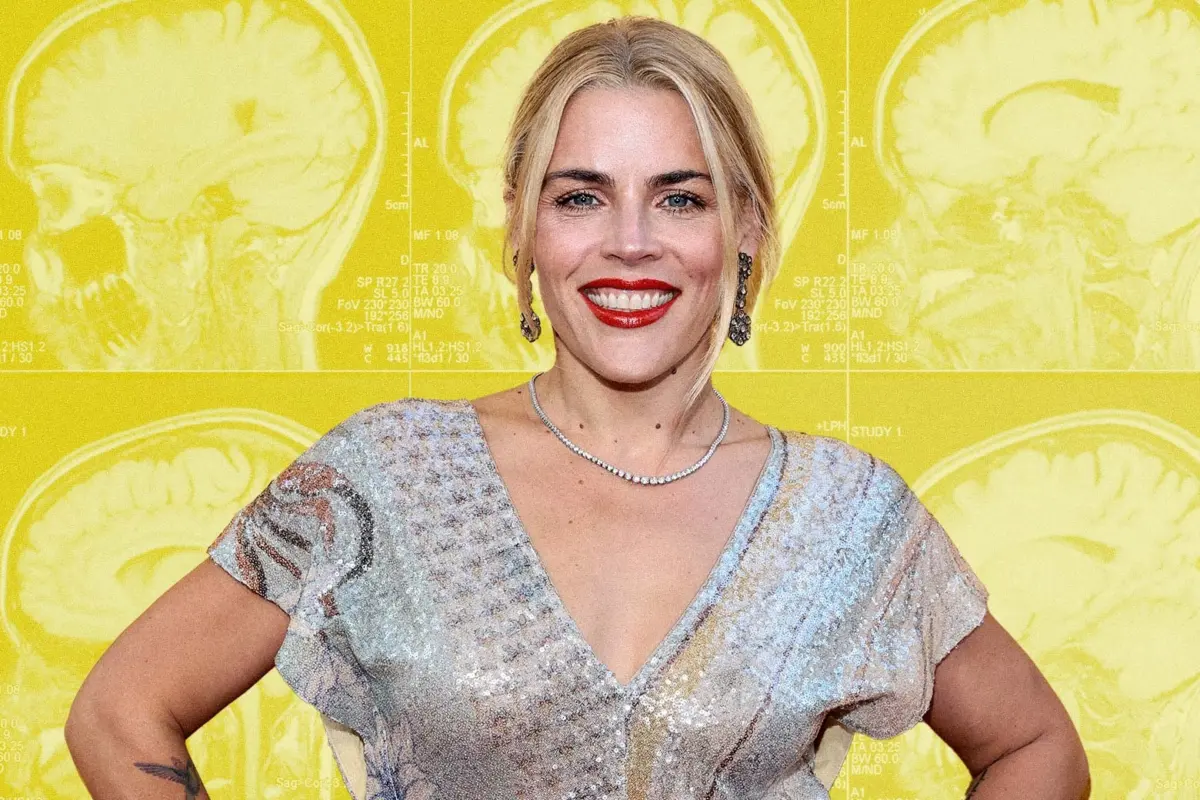
Yet, when prominent cultural figures—such as actress Busy Philipps—share stories of how a purely elective whole-body scan unexpectedly uncovered a malignant brain tumor, the clinical debate shifts overnight from abstract population statistics to deeply personal human narratives. Philipps’ experience put a famous, relatable face to a dilemma facing millions of families: If a scan has the potential to save a life, why shouldn’t anyone who can afford it take the chance?
This article explores the growing cultural and medical phenomenon of elective cancer screenings, the psychological weight placed on physicians and families alike, the stark socioeconomic inequities these cash-pay products introduce into the healthcare system, and why the pursuit of "knowing more" can sometimes obscure the foundational preventive measures that actually save lives.
Detailed Chronology & The Rise of Elective Diagnostics
To understand how the market for elective cancer screening reached its current fever pitch, it is necessary to trace the rapid evolution of direct-to-consumer diagnostic technology over the past decade.
- The Rise of High-Resolution Imaging: Whole-body MRI technology transitioned from specialized neurological and orthopedic research facilities into sleek, direct-to-consumer wellness clinics. Companies packaged these scans as comprehensive wellness checks, removing the traditional barrier of physician gatekeeping. Scans that once required strict clinical justification became consumer commodities with transparent, albeit steep, sticker prices—often hovering around $3,000.
- The Advent of Liquid Biopsies: Simultaneously, biotechnology firms accelerated research into multi-cancer early detection (MCED) blood tests. Leveraging cell-free DNA and methylation patterns, these tests claimed the ability to screen for dozens of distinct malignancies simultaneously from a single blood draw.
- The Cultural Turning Point (2024–2026): The debate leaped from peer-reviewed medical journals into the public consciousness as high-profile celebrities and influencers began documenting their experiences. Notably, actress Busy Philipps revealed that a routine, self-paid Prenuvo whole-body scan—undertaken against the advice of her primary care physician—detected an asymptomatic brain tumor that was subsequently diagnosed as malignant and successfully treated via surgery.
- Clinical Reactions and Trial Updates: While celebrity anecdotes filled news feeds, large-scale clinical evaluations tempered the excitement. Major oncology symposia and public health institutions released data from large British trials evaluating tests like Galleri. While these liquid biopsies demonstrated encouraging signals—such as reducing late-stage diagnoses for specific deadly cancers—they frequently failed to meet their primary endpoints of proving a definitive reduction in overall late-stage cancer burdens across entire populations.
- The Contemporary Conundrum: Today, healthcare providers face a tidal wave of patient inquiries. The marketing machinery of the wellness industry continues to encourage individuals to "take control" of their health, leaving everyday clinicians to grapple with the tension between evidence-based medicine and consumer-driven anxiety.
Supporting Context & Metrics: The Science of Screening
To appreciate why oncologists hesitate to endorse these tests indiscriminately, one must understand how population-level cancer screening operates. The fundamental goal of any screening protocol is not simply to uncover every structural anomaly, cyst, or benign nodule inside the human body. Rather, it is to find specific, targetable cancers early enough to alter treatment pathways and extend life, while minimizing harm to the vast majority of healthy people who undergo the test.
The Whole-Body MRI Dilemma
According to guidelines established by organizations such as the American College of Radiology (ACR), there is currently insufficient clinical evidence to recommend total-body MRI scans for asymptomatic individuals. There is no documented proof that these scans prolong overall life expectancy or represent a cost-effective use of medical resources.
- The Incidental Finding Rate: A comprehensive systematic review examining more than 5,000 asymptomatic individuals who underwent whole-body MRI revealed that roughly one-third of the scans produced critical or indeterminate incidental findings.
- The Burden of False Positives: While discovering a genuine tumor early is life-saving, discovering ambiguous spots routinely triggers a domino effect: repeat imaging, invasive biopsies, skyrocketing out-of-pocket expenses, and months of severe psychological distress, only for the lesion to turn out entirely benign.
- The Bias of Anecdotes: Modern cognitive psychology ensures that human beings remember dramatic success stories—like those of patients whose lives were saved by a rogue scan—while remaining blind to the quiet majority who suffered through unnecessary, destabilizing medical workups for harmless abnormalities.
The Complex Reality of Multi-Cancer Blood Tests
Liquid biopsies face an even more nuanced set of scientific hurdles. For example, GRAIL’s Galleri test searches for methylation patterns in circulating cell-free DNA to identify cancer signals and predict their anatomical origin.
- Not a Diagnostic Tool: Liquid biopsies function as screening signals, not definitive diagnoses. A positive result mandates exhaustive follow-up diagnostic procedures. Conversely, a negative result does not grant immunity from cancer, nor does it replace established, gold-standard screenings like mammograms, colonoscopies, or Pap smears.
- Regulatory and Pricing Realities: While commercially available, tests like Galleri carry a list price approaching $1,000 and remain unapproved by the U.S. Food and Drug Administration (FDA) as definitive frontline screening diagnostics.
Rising Cancer Rates in Younger Populations
Fueling the consumer demand for these expensive tests is a terrifying and verifiable trend: cancer rates among younger adults are climbing.
- Colorectal cancer incidence among Americans under the age of 49 is currently increasing by approximately 3 percent annually.
- Roughly 83,000 Americans between the ages of 20 and 39 are diagnosed with cancer every year.
These chilling statistics validate public anxiety, leading patients to question whether traditional, routine screening guidelines are dangerously lagging behind modern epidemiological realities.
Socioeconomic Disparities: A Parallel Healthcare System?
Beyond the clinical and psychological fallout, the proliferation of cash-pay, high-tech cancer screenings introduces a profound ethical dilemma regarding healthcare equity in the United States.
The Medical Two-Tier System
When expensive preventative technologies are commercialized outside standard insurance models, they inherently favor the affluent. Patients who can afford a $3,000 whole-body MRI or a $1,000 blood test are typically the same demographic with the financial cushion required to absorb the downstream costs of the inevitable false positives—paying out-of-pocket for specialist consultations, repeat MRI sequences, and surgical biopsies.
Meanwhile, a significant segment of the population struggles to access basic, foundational care. Millions face immense hurdles simply securing a primary care appointment, obtaining an HPV vaccination, or completing a routine, life-saving colonoscopy.
Sidelining Proven Preventive Medicine
The American Cancer Society estimates that at least 40 percent of newly diagnosed cancers in American adults—representing approximately 850,000 cases annually—are potentially avoidable.
The medical community faces a glaring irony: while consumers eagerly line up for experimental, high-tech scans, compliance rates for proven, highly effective preventive measures remain troublingly low:
- The HPV vaccine can prevent more than 90 percent of cancers caused by the human papillomavirus. Yet, as of recent CDC data, less than two-thirds of young adults in America were up to date on their vaccinations.
- Only approximately one-third of adults aged 45 to 49 receive their recommended colorectal cancer screenings, with economically disadvantaged populations facing even starker deficits.
By pouring financial resources and clinical bandwidth into speculative, high-tech screening markets, the healthcare ecosystem risks deepening existing inequities while failing to deliver the proven preventive medicine that is already available.
Official Statements & Industry Perspectives
The debate surrounding elective cancer scans has drawn formal responses from major medical societies, regulatory bodies, and clinical researchers alike.
"At present, there is insufficient scientific evidence to support the routine use of whole-body MRI screening for individuals without symptoms or known high-risk genetic mutations. Such scans frequently lead to indeterminate findings that necessitate further invasive testing, causing patient anxiety without proven benefits to overall survival."
— The American College of Radiology (ACR)
Oncologists and healthcare advocates emphasize that the wellness market’s core message—“Be proactive and take control of your health”—is psychologically irresistible. When applied to aging parents or beloved family members, purchasing additional diagnostic data ceases to feel like a luxury and masquerades as an undeniable moral duty.
However, medical ethicists argue that commercial entities marketing these tests share a reciprocal obligation. Industry leaders must provide transparent, plain-language disclosures regarding:
- FDA Regulatory Status: Clearly communicating whether a test is cleared as a definitive diagnostic or remains investigational.
- False-Positive Rates: Providing realistic statistics on how often asymptomatic users will receive ambiguous results requiring costly follow-ups.
- Comprehensive Cost Transparency: Disclosing upfront that the initial scan price does not cover the cascade of specialist visits, secondary imaging, and biopsies that may follow an incidental finding.
- Actionable Support Structures: Ensuring that companies selling cancer signals assume responsibility for helping patients interpret results, coordinate follow-up care, and navigate psychological stress.
Future Outlook & Path Forward
As direct-to-consumer medical technology continues to advance, dismissing patient curiosity with a dismissive "You don’t need that" is no longer a viable clinical strategy. Doing so only alienates patients and drives them further into the arms of unregulated wellness ecosystems.
Transforming the Clinical Encounter
When a patient asks about a whole-body MRI or a multi-cancer blood test, forward-thinking physicians are transforming the interaction into a comprehensive clinical review. This requires:
- Evaluating detailed family medical histories and inherited genetic risks.
- Reviewing occupational and environmental exposures.
- Verifying that all established, evidence-based immunizations and routine screenings (such as mammograms, Pap smears, and colonoscopies) are fully up to date.
Following this rigorous consultation, if a patient still chooses to invest their own money into an investigational test, they should do so with eyes wide open—fully cognizant of both the potential peace of mind it may offer and the substantial burden of false alarms it might trigger.
The Uncomfortable Truth for Clinicians
Ultimately, possessing deep medical knowledge does not render healthcare providers immune to human fear, grief, or the instinctual desire to protect aging parents. When an elderly mother experiences routine aches, pains, and fatigue, the scientific knowledge of false-positive rates can easily fade into the background against the primal urge to search for hidden answers.
The uncomfortable truth is that the companies commercializing these tests understand human vulnerability better than anyone. As the medical community navigates this high-stakes frontier, the imperative moving forward is clear: bridge the gap between consumer desire and scientific reality, ensure that foundational, proven preventative care remains accessible to all, and demand complete transparency from a burgeoning wellness industry that is still learning the true cost of uncertainty.