The professional networking landscape is undergoing a profound structural evolution. As artificial intelligence tools lower the barrier to entry for content creation, professional feeds are increasingly saturated with formulaic, low-value material—a phenomenon colloquially known as “AI slop.” In response, LinkedIn has recalibrated its algorithms to favor genuine, human-centric perspectives and penalize content that lacks originality.
Co-created by digital marketing experts AJ Wilcox, Michael Stelzner, and Jerry Potter, the new LinkedIn content playbook addresses these systemic platform changes. Marketers and creators can no longer rely on automated volume or traditional keyword-stuffing to secure visibility. Instead, success on the platform now depends on four core pillars: mastering human-AI collaboration without triggering algorithmic penalties, leveraging collaborative posting features to build trust-based reach, optimizing profiles for AI-powered semantic search, and utilizing the new Creator Marketplace alongside Thought Leader Ads. Furthermore, the introduction of a new out-of-network analytics metric gives content strategists unprecedented visibility into how their messaging travels beyond immediate bubbles. This report provides a comprehensive analysis of these developments, offering actionable frameworks for marketers navigating the modern professional web.
Detailed Chronology: The Shifts Redefining LinkedIn
1: The Crackdown on “AI Slop” and the Evolution of Content Quality
For years, LinkedIn actively encouraged users to lean into its native generative AI features embedded within the compose box. However, the unchecked proliferation of low-quality, derivative text has forced a strategic pivot. LinkedIn has heavily doubled down on suppressing content perceived as generic AI output lacking a distinct human perspective.
Content flagged as low-value is systematically restricted from breaking out of an author’s immediate network. Because the primary objective of most brand strategies on LinkedIn is to scale reach to new audiences, this algorithmic suppression directly undermines core marketing goals.
The Paradox of Platform AI: While LinkedIn provides generative tools, it penalizes their uncritical application. The platform is not drawing a strict line between AI-assisted and human-written material, but rather between content that communicates genuine utility and content that does not.
The Human-in-the-Loop Standard: According to AJ Wilcox, the goal is not to abandon AI entirely, but rather to act as the cognitive director behind published work. Original experiences, counter-intuitive arguments, and real-time insights that pre-trained large language models have not yet ingested represent the baseline for algorithmic favor.
Refining the Workflow: Michael Stelzner outlines a practical shift in execution. Initially using AI models trained on his own writing style to draft posts from scratch, Stelzner observed that algorithms and human readers quickly detect formulaic phrasing and predictable structural cadences. His current workflow reverses the process: he writes entirely from personal experience first, utilizing AI subsequently as an editorial consultant to highlight weak narrative hooks and structural blind spots.
Paid Media Implications: On the advertising side, LinkedIn does not automatically restrict ad distribution based on AI generation as long as campaigns adhere to platform guidelines. However, performance data indicates that ads lacking creative depth suffer from poor user engagement, driving up acquisition costs. To mitigate this, LinkedIn has introduced the Brand Kit inside Campaign Manager, allowing advertisers to upload brand colors, fonts, and specific brand voices to ensure AI-generated ad copy and visual assets align with corporate identity standards.
2: Collaborative Posts and the Rise of Trust-Based Reach
In an environment where anyone can generate voluminous updates using AI, trust has emerged as the definitive competitive differentiator. Aligning a brand with trusted industry voices has become the most effective mechanism for cutting through digital noise.
LinkedIn’s new Collaborative Posts feature formalizes this strategy by allowing multiple profiles and company pages to co-author and publish a single piece of content.
Mechanics of Collaboration: Unlike simple tagging—which can occur without a recipient’s consent—collaborative posts require explicit mutual opt-in and approval from all participating parties before going live. Once published, all collaborators receive prominent, visible attribution at the top of the post.
Bypassing Organic Reach Limitations: Historically, corporate page updates and simple reshares suffer from notoriously low organic distribution. Collaborative posts circumvent this bottleneck. Instead of forcing employees to share corporate announcements, organizations can co-author content with internal experts or external partners, instantly channeling the post into multiple distinct networks.
Strategic Partnerships: Brands can partner with non-competing entities offering tangentially related products or services. By combining individual thought leaders and corporate profiles on a single asset, organizations cross-pollinate audiences securely and organically.
3: Optimizing Profiles for AI-Powered People Search
LinkedIn has rolled out its AI-powered people search to all US users, eliminating previous limitations that restricted advanced semantic discovery to premium tiers.
Natural Language Processing: The search interface now processes conversational, intent-driven queries rather than rigid keyword strings. Users can search for professional profiles using complex descriptions of project needs, backgrounds, or specialized skills.
Verification and Summarization: Search results prominently feature trust signals, such as verification badges. Furthermore, AI-generated profile summaries appear dynamically in search views, explaining why a specific individual is relevant to the query and highlighting shared experiences or mutual connections.
SEO Redefined: AJ Wilcox notes that profile optimization is effectively the new search engine optimization (SEO). Professionals must transition away from traditional keyword-stuffing frameworks recommended by legacy human resources guidelines. Instead, profiles should clearly and naturally articulate professional expertise and strategic objectives so that LinkedIn’s semantic models can parse, summarize, and rank them accurately.
4: The Creator Marketplace and Thought Leader Ads
To bridge the gap between B2B brands and influential voices, LinkedIn has launched a dedicated Creator Marketplace directly within Campaign Manager.
Discoverability and Vetting: The marketplace empowers marketers to evaluate, source, and partner with creators based on verified audience demographics, content performance, and niche expertise. It surfaces creators who have previously mentioned a brand organically, eliminating the friction of cold outreach.
The Power of Thought Leader Ads: Thought Leader Ads represent one of the most cost-effective ad formats on the platform. By applying paid media dollars behind an individual’s organic post, brands gain access to established social proof. Because the content originates from a human voice rather than a corporate megaphone, click-through and engagement rates outpace traditional sponsored updates.
Tactical Execution for Creators: Creators looking to secure brand partnerships can leverage the marketplace by explicitly mentioning target brands in substantive, analytical posts. Tagging specific corporate decision-makers—such as marketing or partnership leads—yields higher response rates than tagging general company pages. Creators can also amplify these partnerships by co-sponsoring content, guaranteeing impression milestones (such as 100,000 targeted views) that deliver immense value relative to modest advertising expenditures.
5: Measuring Impact with the Out-of-Network Reach Metric
Understanding content performance has historically been complicated by vanity metrics such as total impressions, which fail to distinguish between loyal followers and net-new prospects. LinkedIn has addressed this opacity by introducing a dedicated out-of-network reach metric.
Metric Definition: The analytics dashboard now delineates impressions originating from in-network sources (existing followers and direct connections) versus out-of-network sources (algorithmic recommendations, search discovery, and reshares).
Strategic Feedback Loop: For smaller accounts and emerging creators, this metric validates platform efforts by proving whether content is successfully breaking out of existing echo chambers.
Content Optimization: Creators are advised to track which specific topics and formats systematically generate out-of-network impressions. By identifying subjects that resonate beyond immediate follower bases, content teams can systematically double down on winning thematic vectors.
Supporting Context & Metrics
The transformation of the professional web is underpinned by shifting marketer behaviors and empirical industry data:
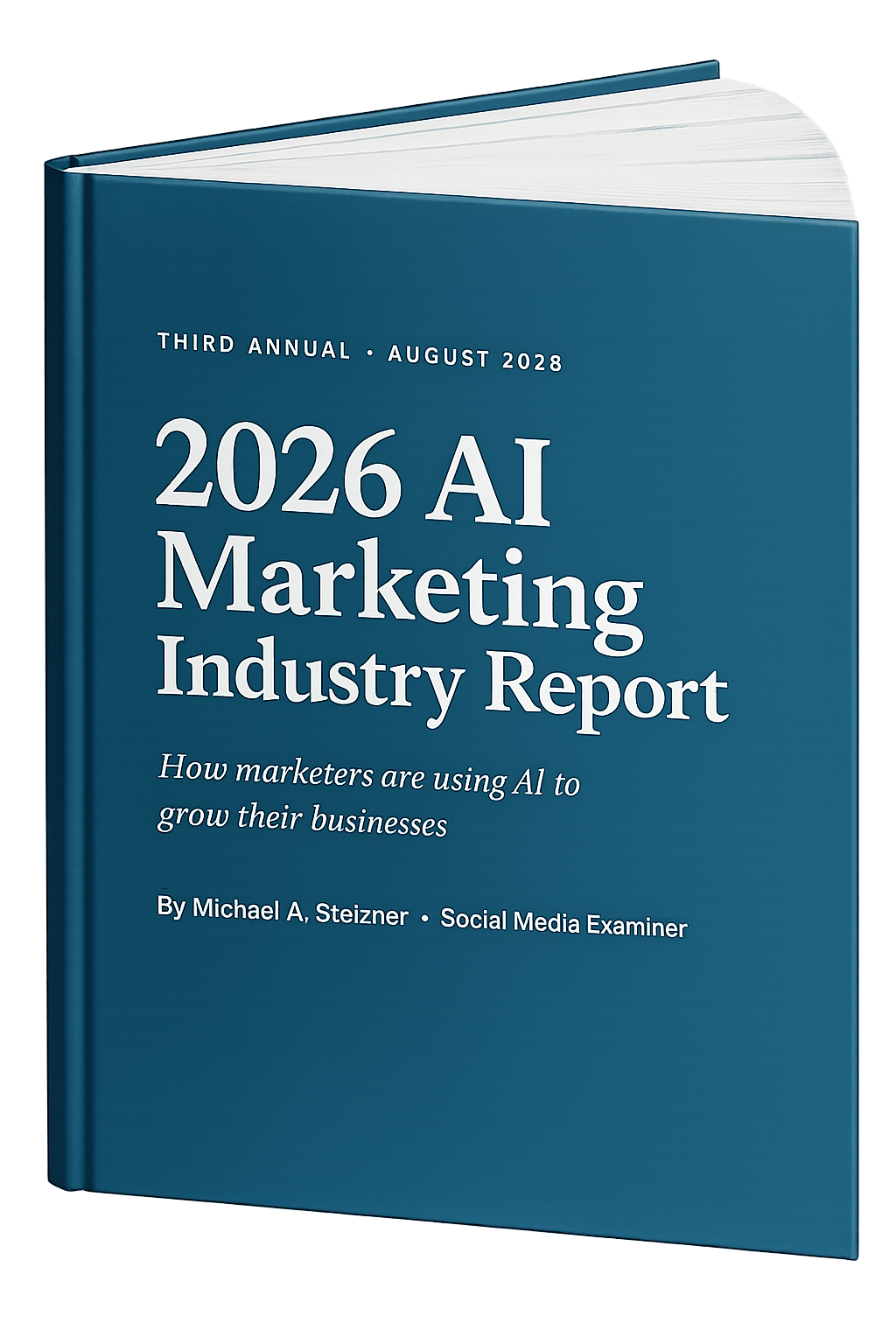
The Experimentation Gap: Recent data from the AI Marketing Industry Report—surveying hundreds of working professionals—reveals that 85% of marketers learn artificial intelligence entirely through self-directed experimentation. Only 7% receive formal, company-sponsored training, while over half spend personal funds on emerging software tools.
Enterprise Efficiency: When utilizing targeted ad campaigns via the Creator Marketplace, minimum audience thresholds remain remarkably accessible. Even highly specific targeting parameters—such as reaching decision-makers at enterprise-level firms with audiences as small as 300 individuals—can be executed at minimal cost, yielding high-yield returns compared to traditional outbound sales methods.
Official Statements & Industry Perspectives
"If every post on the platform reads like AI-generated filler, nobody stays. The feed becomes unusable, and LinkedIn loses its value as a professional network. The distinction LinkedIn is drawing isn’t between AI-assisted and human-written content. It’s between content that communicates something of value and content that doesn’t."
— AJ Wilcox, B2B Advertising Expert
"After training a Claude project on my writing voice, I initially used it to draft LinkedIn posts from scratch. Over time, I noticed the tells that both humans and algorithms can detect… I shifted to writing entirely in my own voice first, then using AI as a consultant to identify weak spots and sharpen his hooks."
— Michael Stelzner, Founder of Social Media Examiner
Future Outlook
As automated text generation commoditizes basic publishing output, the professional web is undergoing a structural flight to authenticity. Platforms like LinkedIn are systematically restructuring their recommendation engines to penalize administrative volume and reward singular perspective, human experience, and verifiable trust.
Over the next 12 to 18 months, marketers should anticipate three major paradigm shifts:
The Death of Anonymous Corporate Broadcasting: Company pages that rely on sterile, corporate-speak updates will see their organic reach approach zero. Corporate communication will increasingly rely on distributed employee advocacy and co-authored collaborative frameworks.
Semantic Search Dominance: As AI-powered people search matures, optimizing personal and brand profiles for natural language intent will become as critical as traditional web SEO is today.
The Professional Creator Economy: B2B influencer marketing will transition from an experimental tactic to a core budget item, driven by the seamless integration of the Creator Marketplace and high-converting Thought Leader ad units.
Organizations and professionals who adapt their content engines to prioritize genuine insight over automated noise will capture outsized attention, trust, and market share in the years ahead.