Executive Overview
The digital publishing ecosystem on professional networking platforms is undergoing a radical structural transformation. For years, marketers and independent content creators navigated LinkedIn with a relatively predictable set of tactics: optimizing text-heavy posts for algorithmic dwell time, leveraging standard corporate publishing channels, and utilizing native automation or generative tools to scale output. Today, that foundational playbook is obsolete.
Driven by an explosive influx of formulaic, low-perspective generative text—colloquially termed "AI slop"—LinkedIn has systematically overhauled its distribution algorithms, shifting from sheer volume-based metrics to high-integrity, trust-based visibility. Simultaneously, the platform has introduced powerful collaborative tools, completely democratized its AI-powered natural language people search, and integrated a robust Creator Marketplace directly into its Campaign Manager suite.
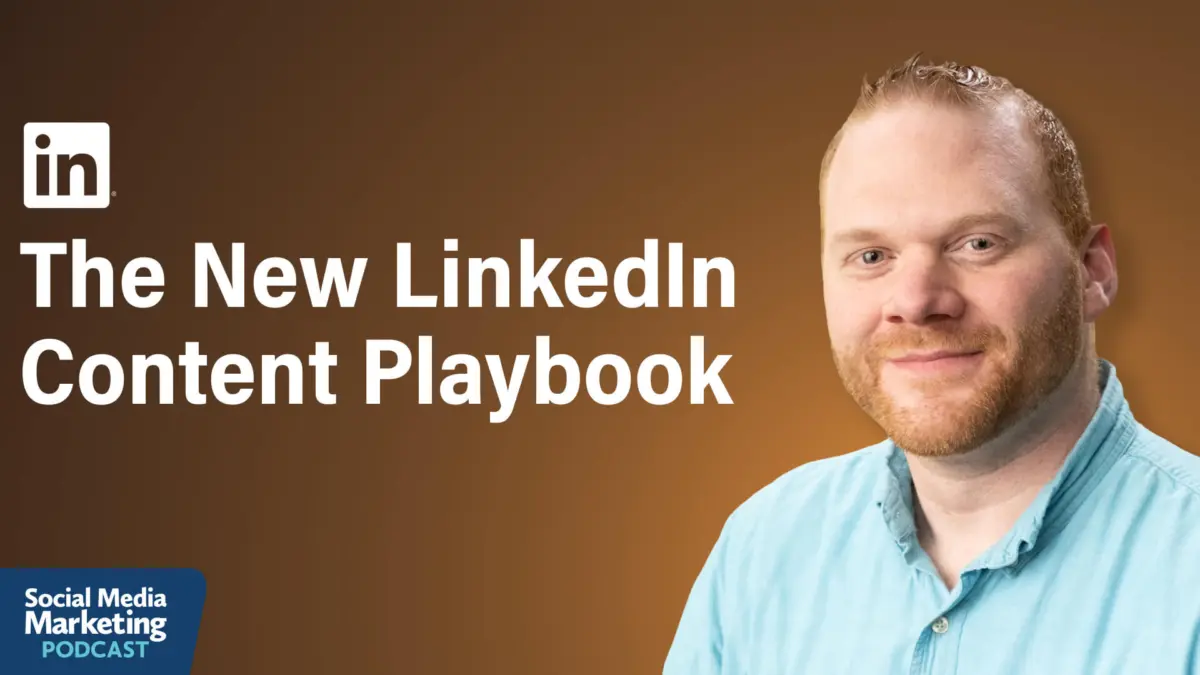
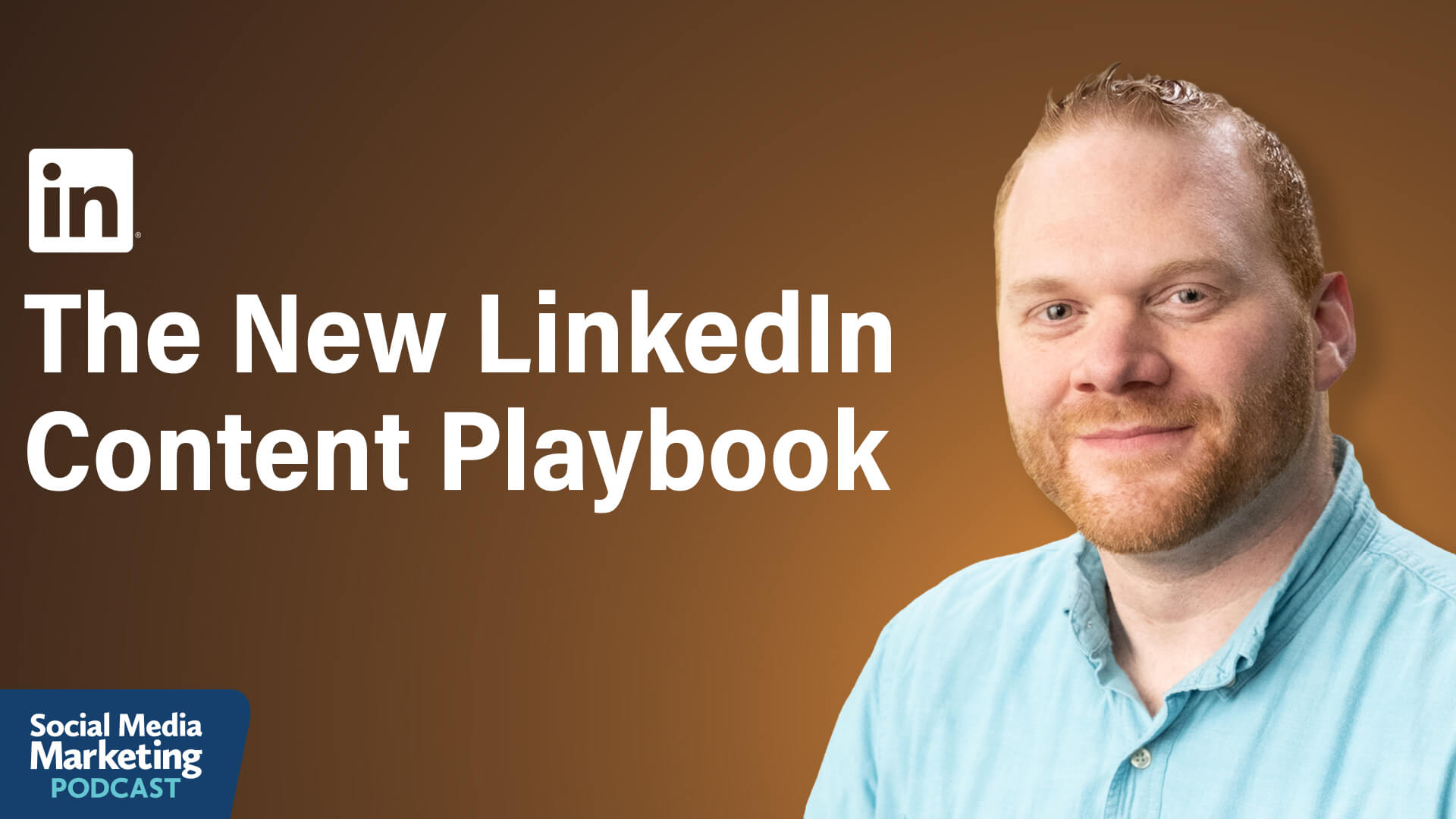
To help marketers, brands, and individual creators decode this rapidly changing landscape, AJ Wilcox sat down with Michael Stelzner and Jerry Potter to break down the mechanics of the new LinkedIn content ecosystem. This comprehensive playbook details how to leverage LinkedIn’s latest updates without risking algorithmic penalties, how to build compounding network growth using collaborative posting, and how to harness advanced advertising tools to scale your professional footprint.
Detailed Chronology: The Evolution of LinkedIn’s Algorithmic Priorities
To understand how to win on LinkedIn today, one must first examine the historical shift in how the platform treats content creation, distribution, and visibility.
Phase 1: The AI Integration Paradox
When large-language models first permeated the professional market, LinkedIn was among the pioneer platforms to directly embed AI writing assistance inside its native compose box. Users were actively encouraged to lean on algorithmic tools to draft, refine, and polish updates. Predictably, this sparked an unprecedented wave of digital noise. Millions of users began publishing uniform, overly structured, and emotionally flat content generated in seconds.
The resulting collateral damage was immediate: feeds became saturated with predictable hooks, buzzword-heavy phrasing, and recycled insights that lacked genuine human perspective. Recognizing that an unusable, repetitive feed would inevitably cause user attrition, LinkedIn executed a sharp corrective pivot.
Phase 2: The Crackdown on "AI Slop"
LinkedIn has now doubled down on penalizing low-quality, formulaic content that lacks original human perspective. Content flagged by the system as hollow, AI-generated filler is systematically restricted from breaking beyond the author’s immediate, first-degree network. Because the foundational goal of virtually every marketer and brand on the platform is organic audience expansion, this algorithmic constraint effectively neutralizes low-effort content strategies.
Crucially, the distinction LinkedIn is drawing is not between AI-assisted and human-written content; rather, it is between content that communicates genuine value and content that does not. The platform’s algorithms—reinforced by human reader behavior—reward fresh, first-hand experiences, timely data, and original perspectives that contemporary AI models have not yet ingested or commoditized.
For marketers, this introduces a vital strategic mandate: use AI as a consultant, not a ghostwriter. By developing initial drafts in your authentic human voice and subsequently deploying AI to stress-test your arguments, sharpen your hooks, and identify logical gaps, you produce material that sounds unmistakably like you while retaining operational efficiency.

Supporting Context & Metrics: Navigating the New Features
As the algorithmic terrain shifts, LinkedIn has rolled out a suite of powerful new organic and paid features designed to reward collaboration, transparency, and targeted reach.
1. Collaborative Posts and Trust-Based Reach
In an era where synthetic content can easily mimic professional authority, traditional corporate page publishing has hit a wall. Company pages routinely experience negligible organic reach, and standard resharing yields diminishing returns. To bypass this barrier, LinkedIn introduced collaborative posts.
Unlike traditional tagging—which often happens without the tagged party’s knowledge or consent—collaborative posts require explicit, mutual opt-in. Multiple individual profiles or company pages can co-author a single piece of content, and all participating entities are visibly credited at the top of the post once live.
- Internal Team Leveraging: Instead of forcing employees to blindly reshare corporate announcements, organizations can co-author updates with internal experts, merging corporate reach with individual network trust.
- Strategic Brand Partnerships: Brands can partner with non-competing, tangentially related businesses or thought leaders, immediately cross-pollinating distinct professional audiences.
To initiate successful collaborations, start with people already embedded in your brand’s ecosystem—top fans, active commenters, and reliable customers. Approach them with topics of mutual interest, proposing a co-authored dialogue where each party posts in their natural voice and references the other.
2. Optimizing Profiles for AI-Powered People Search
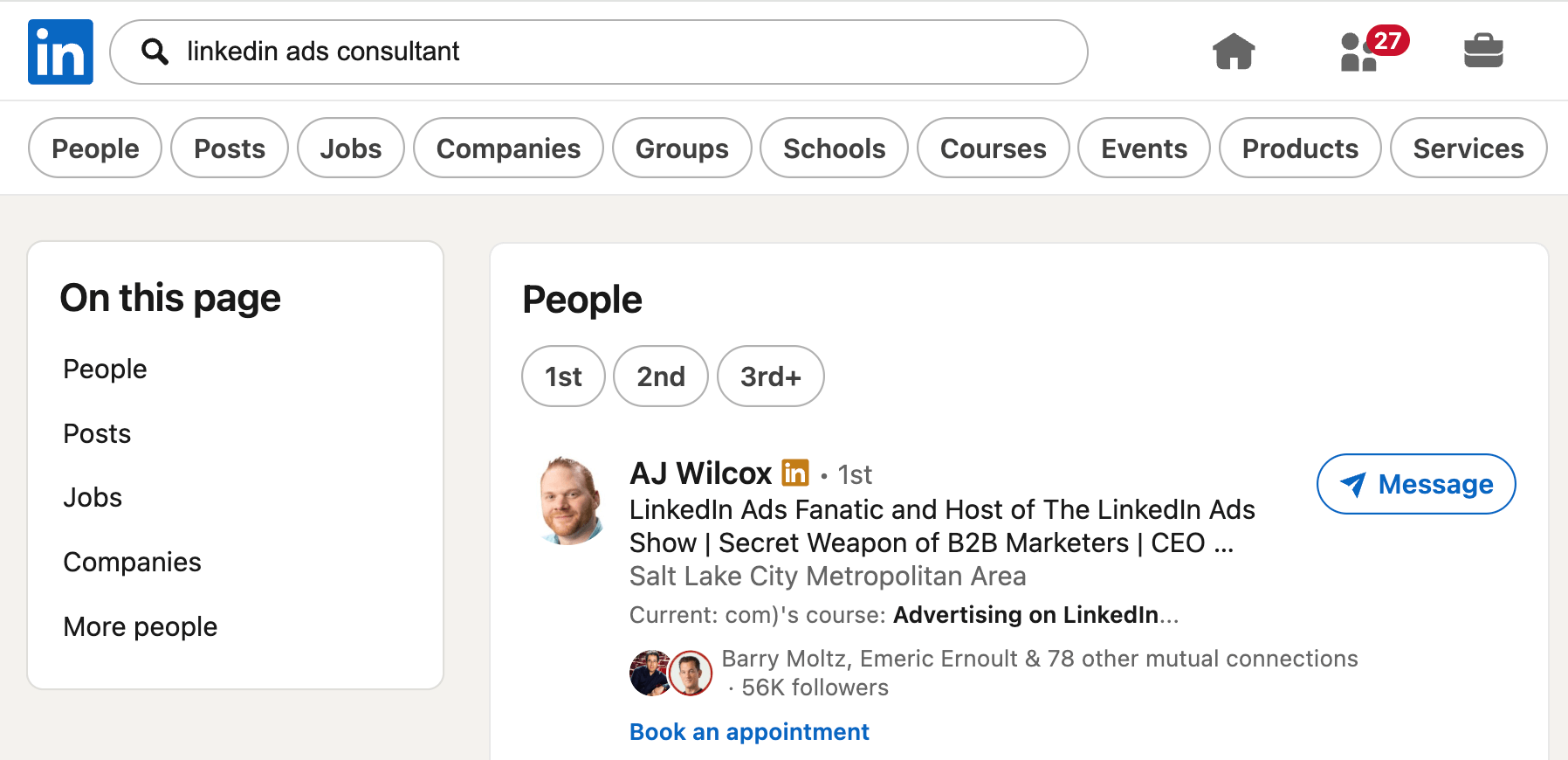
LinkedIn has officially rolled out its AI-powered natural language people search to all users in the United States, removing historical gating that restricted advanced search capabilities exclusively to premium tiers.
Instead of forcing users to input rigid, Boolean keyword combinations, the new search architecture processes natural human intent. Users can search for professionals using conversational descriptions of problems they need solved or expertise they require. Furthermore, AI-generated profile summaries now accompany search results, dynamically highlighting shared connections, mutual experiences, and professional relevance.
Consequently, optimizing your LinkedIn profile is no longer just about keyword-stuffing for traditional HR recruiters—it is an exercise in high-level search engine optimization. Professionals must phrase their experience, achievements, and strategic goals in clear, natural language that the platform’s parsing algorithms can easily synthesize and present accurately to prospective clients or employers.
3. The Creator Marketplace and Thought Leader Ads
The launch of the Creator Marketplace directly inside Campaign Manager fundamentally alters how B2B brands source external talent and scale their message. The marketplace serves as a centralized hub where marketing teams can discover, vet, and partner with creators based on verified audience demographics, content performance, and niche expertise.
This infrastructure directly solves one of corporate marketing’s most persistent bottlenecks: the difficulty of convincing executive leadership to consistently write posts or record videos. By surfacing third-party creators who are already organically discussing the brand, the marketplace provides an effortless pipeline for influencer partnerships.
Once an organic partnership is established, brands can amplify these creator posts via thought leader ads. Because these ad units promote existing organic posts that already carry genuine social proof and community engagement, they consistently outperform cold advertisements while operating at a remarkably cost-effective rate.
Official Statements and Industry Insights
During their deep-dive discussion, AJ Wilcox, Michael Stelzner, and Jerry Potter highlighted several actionable strategies for brands and creators looking to capitalize on these platform updates:
- On AI Balance: Michael Stelzner noted that after initially experimenting with training AI models on his specific writing style to draft posts from scratch, he quickly recognized the formulaic tells that both humans and algorithms detect. His revised workflow involves writing entirely in his own voice first, then leveraging AI strictly as an editorial consultant.
- On Creator Pitching: AJ Wilcox emphasized that creators aiming to capture brand attention should bypass unresponsive corporate page inboxes and directly tag specific marketing or partnership stakeholders. Furthermore, creating comprehensive, public case studies or analytical breakdowns that evaluate a target brand’s strategy acts as a powerful billboard, signaling immediate competence.
- On Out-of-Network Analytics: LinkedIn’s new post analytics metric—which delineates impressions generated from in-network followers versus out-of-network recommendations—provides content creators with an indispensable feedback loop. By tracking which topics consistently breach the barrier of existing connections, creators can scientifically identify and double down on universally resonant themes.
Future Outlook: The Ascendancy of Out-of-Network Metrics
As LinkedIn transitions fully into an interest-graph network—where content is increasingly distributed based on contextual relevance rather than simple follower counts—the platform’s newly introduced out-of-network reach metric stands out as the ultimate strategic compass.
Historically, content creators were forced to judge success through vanity metrics like total views, comments, and follower counts, which failed to illuminate whether an update was successfully capturing new markets. Today, seeing that a significant percentage of a post’s impressions stem entirely from out-of-network recommendations changes the strategic calculus completely. It provides smaller, emerging accounts with empirical validation that exceptional content will find an audience regardless of account size.
Key Takeaways for the Modern Marketer:
- Prioritize Human Perspective: Treat AI as your editor, not your author. Inject original experiences, real-time data, and unreplicable insights into every piece of content.
- Build Trust Through Collaboration: Leverage collaborative posts to bridge the gap between corporate messaging and trusted individual voices.
- Master Conversational Search: Rewrite your personal and company profiles to align with AI-driven, natural language search queries rather than static keyword lists.
- Harness Creator Partnerships: Utilize the Creator Marketplace and thought leader ads to tap into established audiences with proven social proof.
- Optimize for Out-of-Network Reach: Monitor your analytics dashboard closely to identify which narrative formats consistently break out of your immediate ecosystem, and scale those winning frameworks aggressively.