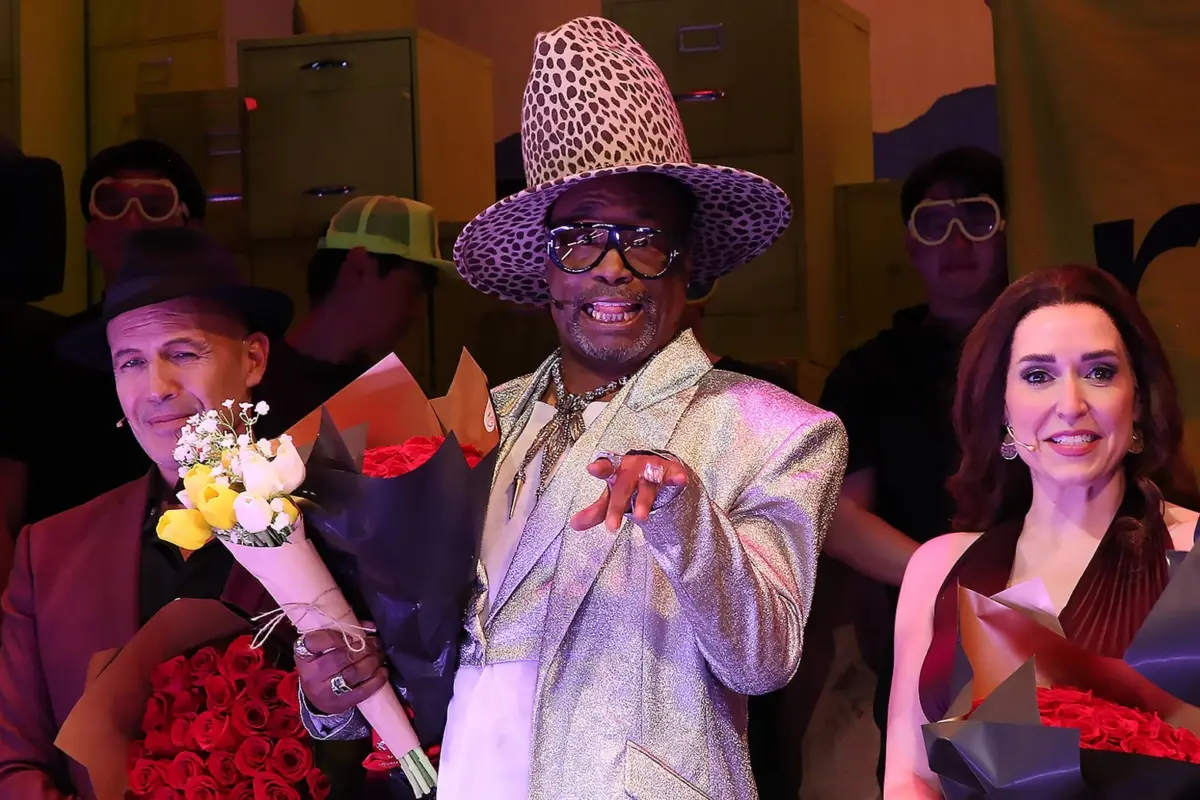
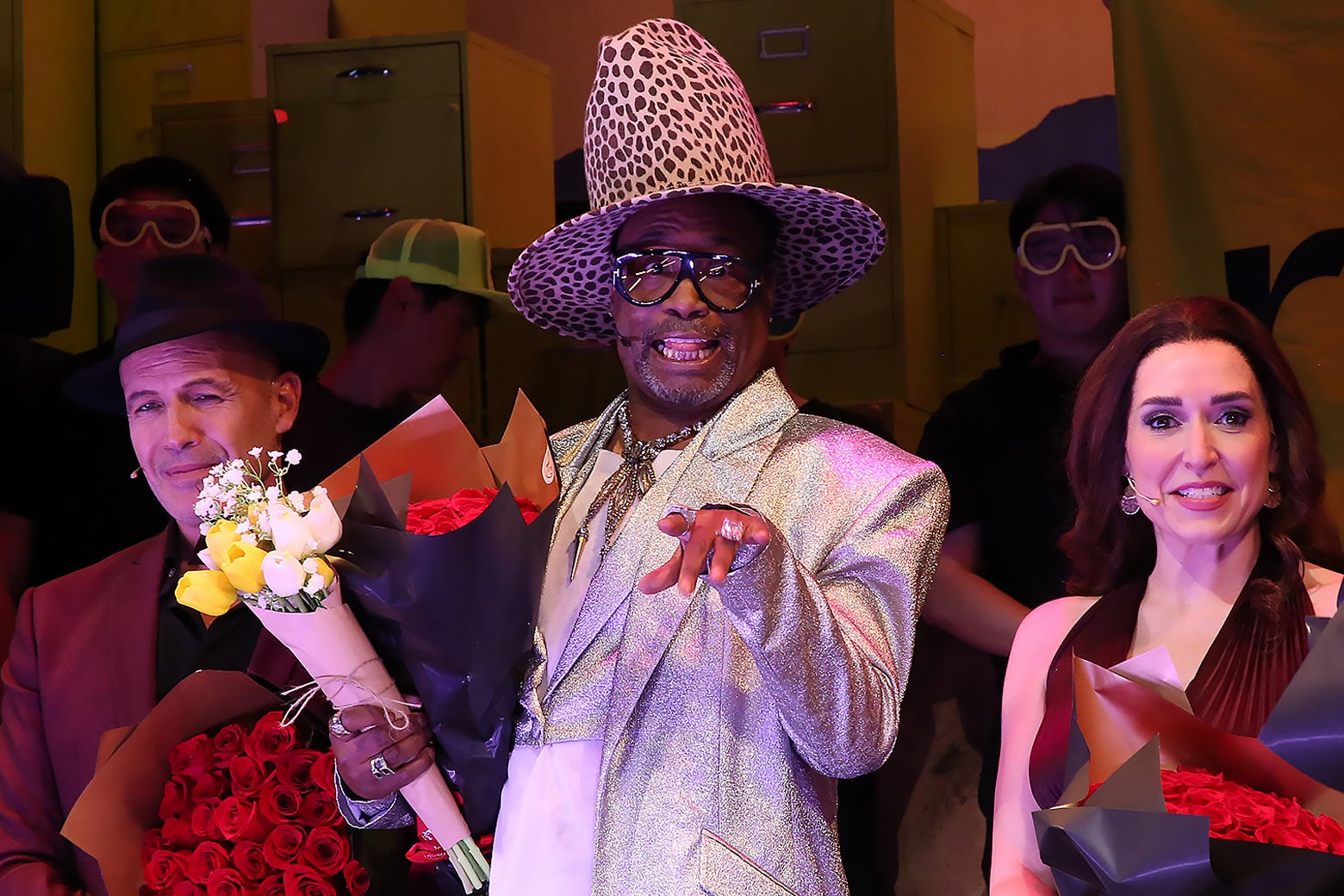
In an era defined by the cold, uncanny-valley sterility of generative artificial intelligence and the unyielding corporate blandness of Silicon Valley marketing, a peculiar theatrical ghost has risen from the midcentury past. On a crisp autumn Friday night, the landmark Broadhurst Theatre on Broadway hosted Bill Pay the Musical—a glittering, one-night-only, union-backed stage production. Starring Broadway royalty Billy Porter, Jessica Vosk, and Hollywood veteran Billy Zane, the show was entirely funded, produced, and orchestrated by Ramp, a fast-growing, New York-based financial technology unicorn currently valued at a staggering $44 billion.
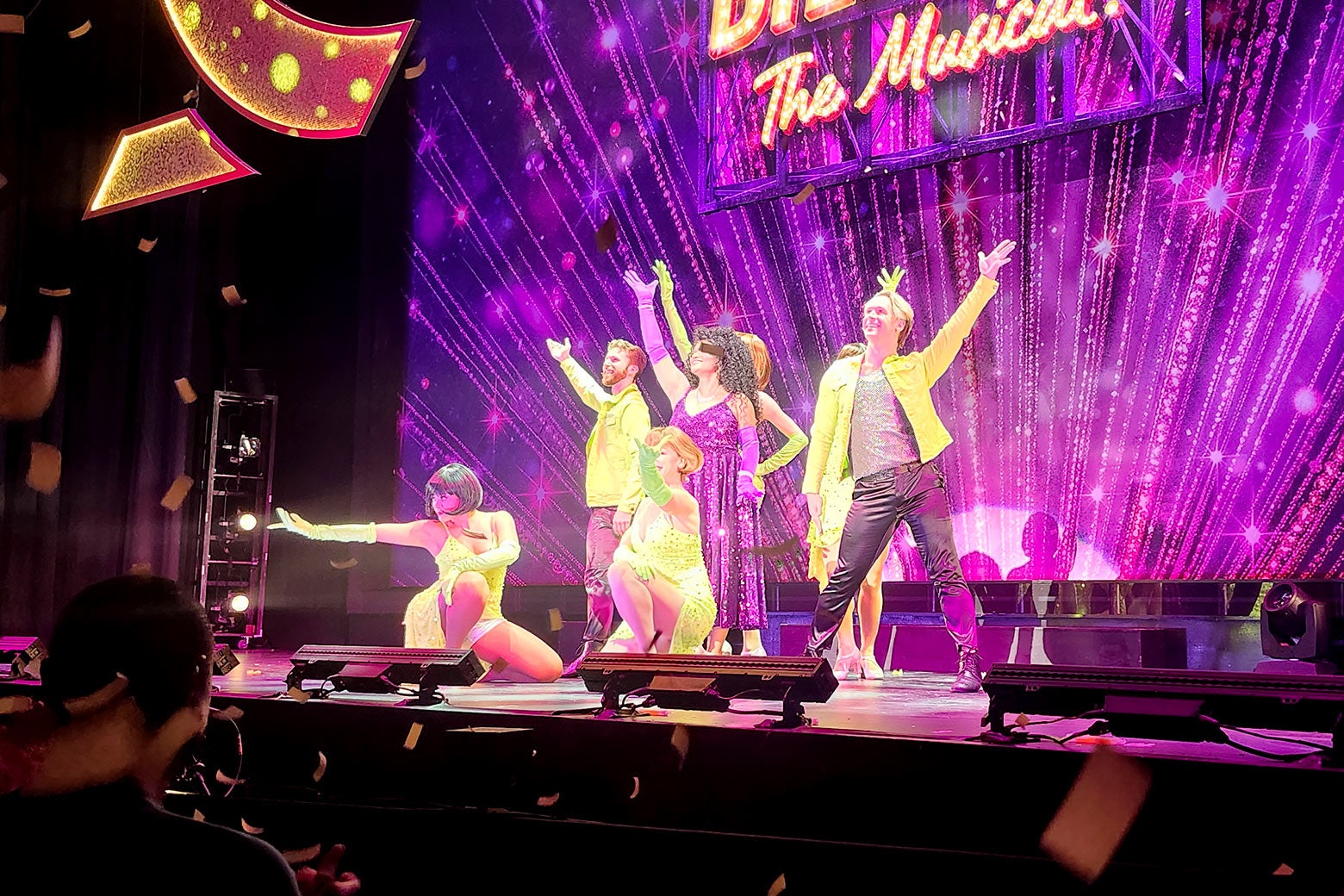
Far from a standard theatrical engagement, Bill Pay the Musical functioned as a 60-minute, high-production-value commercial for a corporate expense management and automated invoicing platform. Complete with confetti cannons, a "yellow carpet," free wine in souvenir cups, MrBeast-branded Feastables snacks, and a self-aware, post-modern book that traded in millennial internet memes and Gen-Z cultural touchstones, the event signaled a radical and nostalgic shift in corporate marketing.
Rather than leaning into the technolibertarian, hyper-automated tech-bro aesthetic that has dominated Silicon Valley in recent years, Ramp chose to dump millions of venture capital dollars into live, unionized, human-powered performance art. In doing so, the fintech titan managed a masterclass in cultural subversion: deploying a brand strategy rooted in inclusivity, theatrical joy, and an overt, crowd-pleasing rejection of generative AI in creative fields. This deep dive explores the mechanics of Bill Pay the Musical, the economics driving modern corporate stunts, and what this bizarre theatrical experiment reveals about the shifting cultural zeitgeist of the tech elite.
Detailed Chronology: From Yellow Carpet to Curtain Call
The journey to Bill Pay the Musical began weeks prior through a relentless, omnichannel marketing blitz. Ramp saturated theater trade publications, partnered with prominent Instagram and TikTok influencers, and blanketed the blocks surrounding the Broadhurst Theatre with elaborate yellow-and-black signage.
The Preshow Spectacle
Guests arriving for the "clopening" (closing and opening night rolled into one) were met with two serpentine lines stretching down the Manhattan sidewalk. Attendees included Ramp employees sporting the company’s signature yellow lanyards, venture capitalists, theater influencers capturing content on vintage cameras, and—in a delightfully literal marketing gimmick—dozens of attendees whose first name happened to be "Bill."
VIP guests walked a yellow carpet where influencers like Colin Rocker documented the chaotic energy for digital feeds. Inside, the venue was transformed into an experiential brand wonderland. Guests were handed a physical, beautifully designed Playbill, professional photographs were snapped at branded photo-ops, and attendees scrambled to collect complimentary wine in souvenir cups, fresh fruit sodas, and celebrity-backed snacks.
The Narrative Arc
When the house lights dimmed 21 minutes past the scheduled start time, the audience was informed with refreshing candor that they were about to witness a 60-minute un-intermissioned commercial—and encouraged to "bootleg" the performance on their phones as long as they tagged @Ramp.
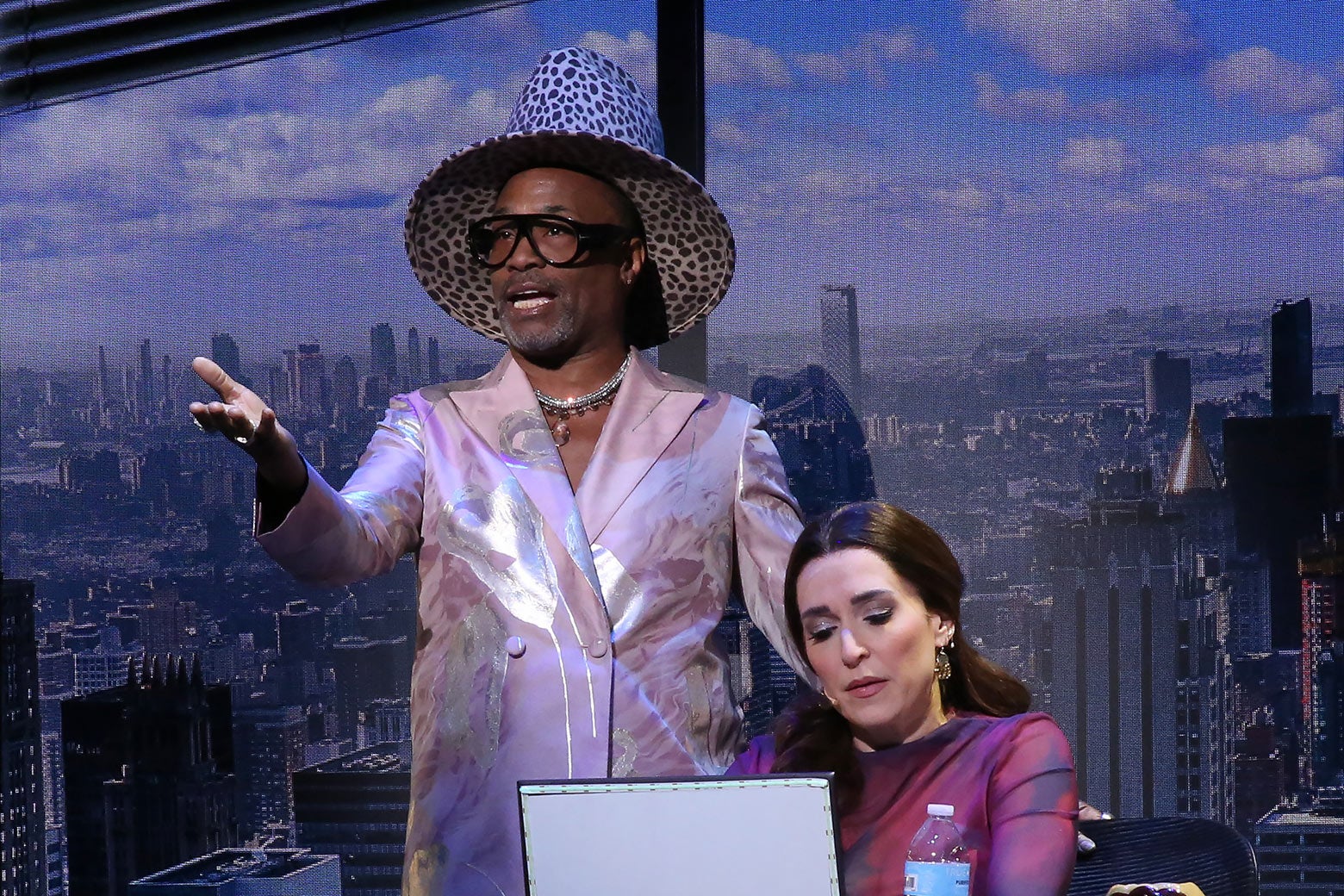
The plot centered on Lisa Blupey—an anagram for "Use Bill Pay," portrayed with powerhouse vocals by stage veteran Jessica Vosk. Blupey runs a small business selling socks but is on the verge of a nervous breakdown, drowning under an avalanche of corporate expense reports and malfunctioning, hyper-complex AI tools. Lamenting that "AI has gone too far" (a line that drew immediate, rapturous applause), Blupey is sucked into a surreal digital realm called "Billicon Valley."
Guided by a witch named Rampa (played by Rema Webb), Blupey embarks on a Wizard of Oz-style quest. Along the way, she encounters a pantheon of famous "Bills"—including Billy Zane, William Shakespeare, Willy Wonka, and "Bill-bo Baggins"—while Billy Porter serves as an omniscient, fourth-wall-breaking narrator. Porter frequently paused the action to interact directly with the audience and praise Ramp co-founder and CEO Eric Glyman for reviving the long-dead tradition of the industrial musical.
By the end of the journey, Blupey realizes she was her own worst obstacle and that Ramp’s automated invoicing tools could have saved her sanity all along. Rampa delivers the meta-thesis of the evening: the company put on a full-scale Broadway musical simply because business software is inherently boring, and singing about it is far more effective.
The Grand Finale
The night culminated in an explosive curtain call featuring Porter, Vosk, Zane, and CEO Eric Glyman—the latter stepping onto the stage clad in bright yellow sneakers matching the company branding. Amid cascading confetti and cheers from the Ramp workforce, Glyman delivered the evening’s definitive soundbite:
"A.I. is for finance. It is not for fine art."
The statement drew thunderous applause, uniting a fractured room of institutional investors, tech workers, influencers, and theater purists under a single, crowd-pleasing banner of human-centric craftsmanship.
Supporting Context & Metrics: The Anatomy of a Fintech Titan
To understand why a company would burn substantial capital on a theatrical publicity stunt, one must examine the meteoric rise and strategic positioning of Ramp.
Founded seven years ago by Eric Glyman and Karim Atiyeh, Ramp set out to disrupt corporate credit cards and expense management by offering automated savings perks and seamless cashback integration. As the global economy reeled from pandemic-era disruptions and high interest rates, startups and legacy enterprises alike desperately sought lean financial operations. Ramp’s automated invoicing and bill-payment solutions filled that void perfectly.
Backed by elite venture capital heavyweights—including Peter Thiel’s Founders Fund, which recently closed a record-breaking $6 billion haul—Ramp’s valuation skyrocketed.
Valuation Milestone: By mid-2026, Ramp reached a staggering $44 billion valuation, cementing its status as one of the fastest-growing startups in the New York technology ecosystem.
Revenue Growth: The company surpassed $1 billion in annual revenue, drawing intense interest not only from traditional Silicon Valley prospectors but also from political insiders and government procurement networks, including ties to the General Services Administration’s federal payment systems.
The Evolution of Ramp’s Viral Playbook
Ramp has built its brand identity on high-concept, boundary-pushing marketing stunts rather than traditional B2B banner ads. Notable historical campaigns include:
Super Bowl Commercials: High-profile ad spots featuring NFL star Saquon Barkley and The Office actor Brian Baumgartner.
The "Penny Funeral": A bizarre, widely publicized memorial event held at the Lincoln Memorial in Washington, D.C., featuring hundreds of Abraham Lincoln impersonators mourning the U.S. Mint’s decision to phase out the one-cent coin.
The Kevin Malone Livestream: Placing actor Brian Baumgartner inside a transparent box in Manhattan’s Flatiron Plaza to livestream a simulated corporate "workday" to millions of online observers.
Bill Pay the Musical represents the logical apex of this strategy: fusing high-art cultural institutions with absurdist corporate marketing to embed the brand deep within the cultural zeitgeist.
Official Statements and Industry Perspectives
The reception to Bill Pay the Musical has sparked broader discussions across both the tech sector and the performing arts community regarding the corporatization of culture and the rising tide of anti-AI sentiment among creatives.
In promotional materials leading up to the event, Billy Porter defended his participation by highlighting the historical roots of industrial musicals—corporate-sponsored productions popular from the 1950s through the 1980s that employed union actors, musicians, and writers during industry lulls.
"Industrial musicals helped performers like me pay our bills before we achieved mainstream recognition," Porter noted in promotional clips. "This production uses real union labor, real human talent, and zero generative artificial intelligence."
Industry analysts have pointed out the profound irony—and tactical brilliance—of a fintech company utilizing anti-AI rhetoric as a marketing tool. By positioning itself as a defender of human artistic expression against the cold algorithms of generative text-and-image models, Ramp successfully neutralized potential backlash over corporate intrusion into Broadway.
"Ramp understands that the cultural pendulum is swinging hard against the hollow, AI-generated slop that tech companies have force-fed consumers over the last three years," notes media analyst Sarah Jenkins. "By spending venture capital to support live, unionized theater, they bought something money usually can’t buy in Silicon Valley: authentic cultural goodwill."
Future Outlook: The Return of "Obamacore" and Corporate Synergy
As the confetti was swept from the stage of the Broadhurst Theatre, observers were left wondering whether Bill Pay the Musical is an isolated historical anomaly or the vanguard of a broader cultural shift.
For the past several years, the tech and corporate worlds have leaned heavily into hyper-rational, often abrasive, conservative-coded "vibe shifts" characterized by cost-cutting, mass layoffs, and an uncritical embrace of generative AI automation. Yet Ramp’s theatrical gambit gestures toward an alternate horizon—one reminiscent of peak-era, pre-pandemic millennial corporate synergy, sometimes affectionately dubbed "Obamacore."
This ethos embraces optimism, corporate social responsibility, workplace inclusivity, work-life balance humor, and an unabashed celebration of public-facing arts funding, regardless of how cynical the underlying profit motive might be.
If Bill Pay the Musical achieves its ultimate goal—driving widespread adoption of Ramp’s automated invoicing software—it will prove that high-budget, self-aware corporate performance art is not just a relic of midcentury industrial history, but a potent weapon for the modern enterprise. Expect well-capitalized tech giants to take notes. In the battle for consumer attention, the new song and dance may well replace the algorithm entirely.