Executive Overview
The wearable technology landscape is shifting rapidly, moving away from bulky headsets toward discreet, fashionable everyday accessories. Google, continuing its long-term ambition to pioneer facial computing, is preparing to re-enter the smart eyewear market with its newly minted Android XR platform. Rather than attempting to manufacture and market the hardware entirely on its own—a strategy that notoriously faltered with the pioneering yet controversial debut of Google Glass over a decade ago—the tech giant has cultivated an elite coalition of design-forward eyewear partners.
Chief among these collaborators are avant-garde South Korean fashion eyewear brand Gentle Monster and American retail giant Warby Parker, alongside consumer electronics titan Samsung.
The strategy has already produced its first major headline moments. Following an inadvertent leak by Warby Parker, Gentle Monster officially announced that its proprietary line of "Intelligent Eyewear" will open for pre-orders on November 12, with a formal retail launch slated for December. This audio-first, display-free ecosystem leverages the cutting-edge capabilities of Google’s Gemini AI, offering users a seamless blend of contextual awareness, conversational computing, and high-end fashion.
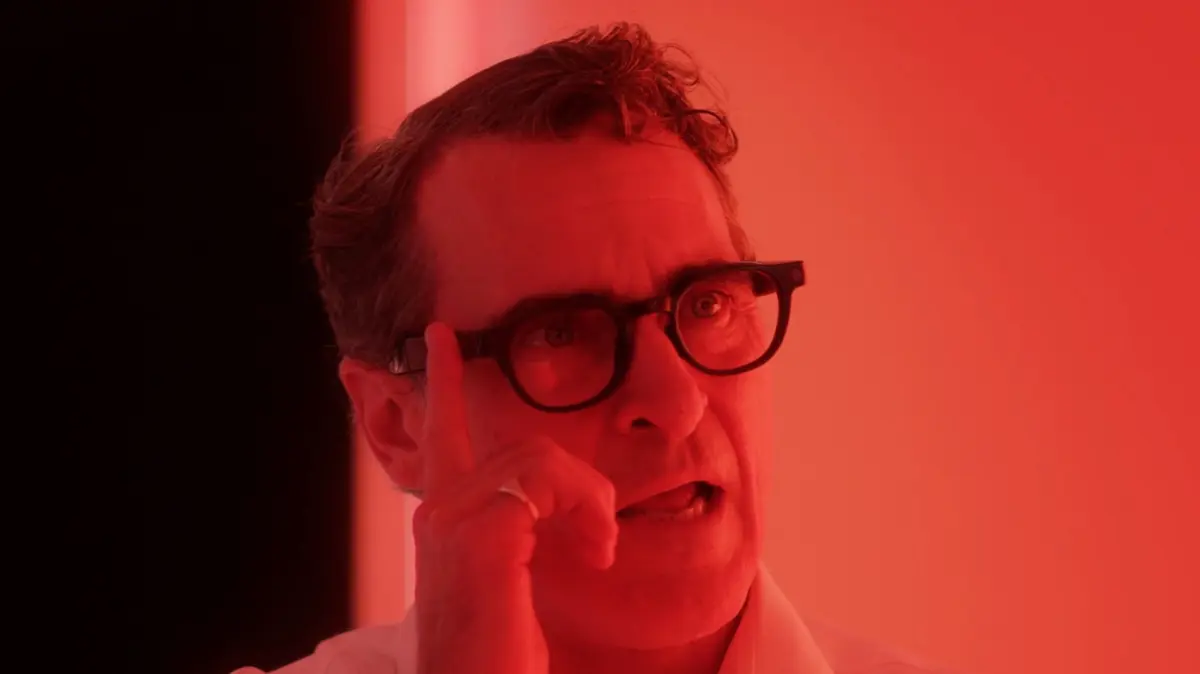
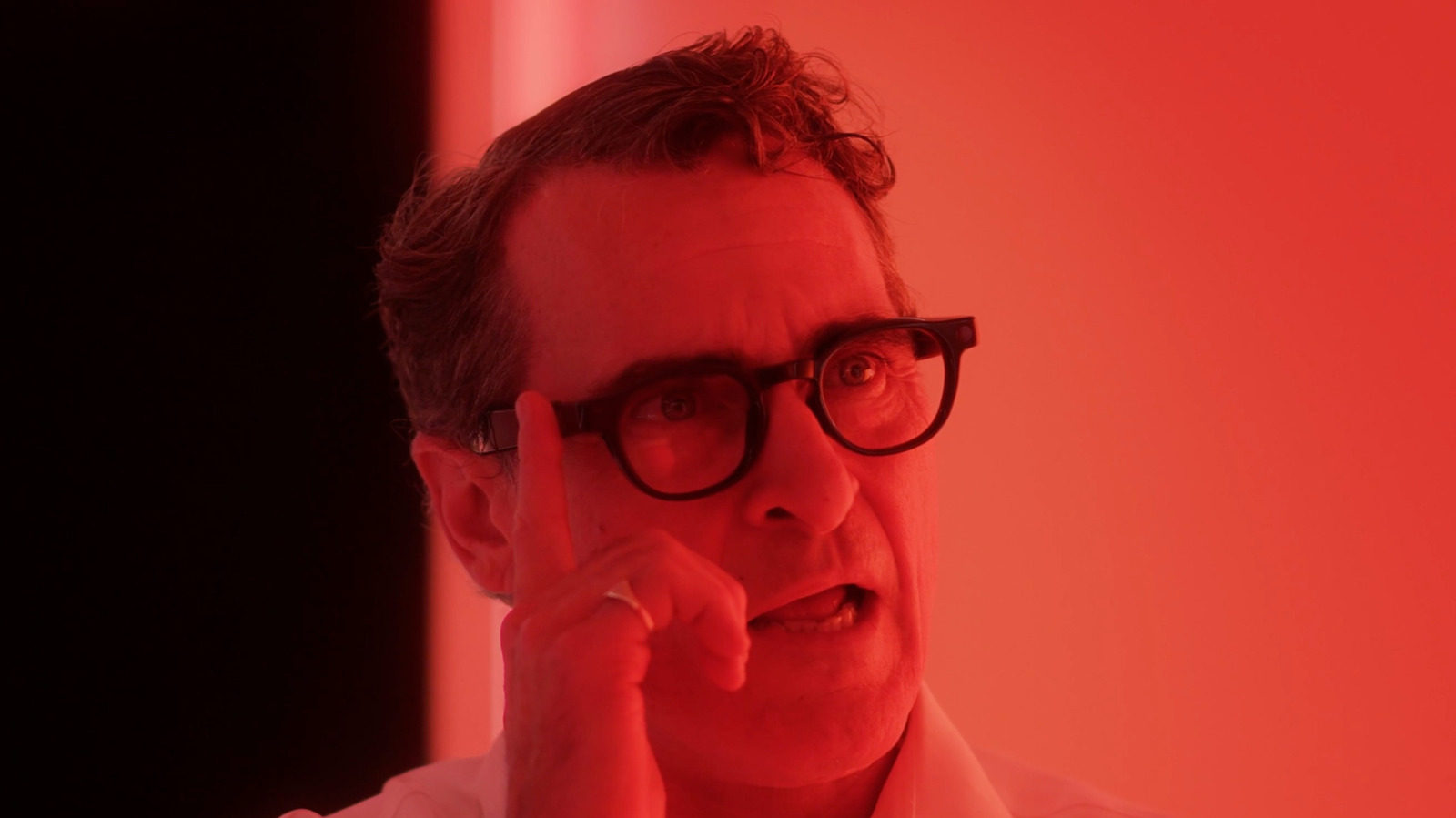
To mark the occasion, Gentle Monster has tapped legendary director Jonathan Glazer (Under the Skin, The Zone of Interest) and Academy Award-winning actor Joaquin Phoenix (Her) for an experimental short film campaign. This high-art marketing maneuver underscores a pivotal industry realization: if smart glasses are to conquer the mainstream consumer market, they must transcend utilitarian tech gadgets and become objects of desire.
Detailed Chronology: How the Smart Glasses Plans Unraveled
The road to the late-2026 Android XR smart glasses rollout has been defined by strategic partnerships, calculated leaks, and a high-stakes race against Meta’s dominant Ray-Ban smart glasses ecosystem.
The Foundation: Building the Android XR Platform
Google’s pivot toward a unified spatial and augmented reality operating system, Android XR, was conceived to power a massive spectrum of hardware. This ranges from high-end mixed reality headsets—such as the Samsung Galaxy XR, positioned as an open, cost-effective alternative to Apple’s Vision Pro—to ultra-lightweight augmented reality glasses like the Xreal Aura.
However, Google recognized that winning the everyday consumer market required a different approach for face-worn wearables. Partnering with style-centric brands like Gentle Monster and Warby Parker allowed Google to offload industrial design and aesthetic curation to companies that already understand luxury, comfort, and trends.
Early November 2026: The Accidental Leaks
The tightly guarded launch schedule began to fracture in early November. On Thursday, November 6, Warby Parker seemingly spilled the beans on Google’s coordinated Android XR smart glasses rollout roadmap, pointing to a mid-November pre-order window.
Hours later, Gentle Monster broke cover entirely. Taking to social media platform X (formerly Twitter), the South Korean brand published a formal teaser confirming that its first-ever "Intelligent Eyewear" collection would be available for pre-order on November 12, 2026, with a global release following in December.
While Google itself has maintained strategic silence, refusing to officially confirm the precise calendar dates leaked by its partners, the collective momentum from both Gentle Monster and Warby Parker signals that the hardware is finalized, manufactured, and ready for deployment.
Supporting Context & Metrics: The Technology and Market Dynamics
To understand the significance of the Gentle Monster and Warby Parker releases, one must examine the hardware philosophy and competitive pressures driving the Android XR wearable ecosystem.
Display-Free, Audio-First Architecture
Unlike early iterations of augmented reality glasses that attempted to project heads-up displays (HUDs) directly into the user’s line of sight—often resulting in thermal management issues, heavy frames, and social awkwardness—Google’s initial wave of Android XR partner glasses relies on a display-free, audio-first configuration.
- Seamless Audio Integration: High-fidelity directional speakers built directly into the temples allow users to receive acoustic feedback, notifications, and media playback without isolating them from their physical environment.
- Ambient Multimodal AI: Powered by deep integration with Google’s Gemini, the glasses function as an always-available conversational assistant. Users can ask questions about their surroundings, translate languages in real time, manage schedules, and dictate messages completely hands-free.
- Weight and Comfort: By eliminating bulky micro-LED or waveguide display projectors, manufacturers can maintain standard eyewear form factors, ensuring that users can wear them comfortably for eight to ten hours a day.
The Battle Against Meta and the Ghost of Google Glass
Google’s strategic alignment with fashion powerhouses is a direct reaction to the runaway success of Meta’s smart glasses line, developed in partnership with EssilorLuxottica (Ray-Ban). Meta proved that consumers are willing to adopt camera- and audio-enabled frames if they look indistinguishable from luxury designer sunglasses.
Furthermore, this launch represents a calculated evolution from the original Google Glass project. Launched in 2013, Google Glass suffered from premature release, privacy concerns regarding unprompted video recording ("Glasshole" stigma), and a clunky aesthetic that screamed "prototype."
Google co-founder Sergey Brin has publicly reflected on the mistakes of the past, acknowledging that technology worn on the face must prioritize social acceptability, emotional resonance, and refined craftsmanship. By entrusting the physical housing to Gentle Monster and Warby Parker, Google is ensuring that fashion leads function.
Official Statements and Cultural Collaborations
The marketing rollout for Gentle Monster’s Intelligent Eyewear has broken away from traditional tech keynote conventions, leaning heavily into high art and cinema.
The Jonathan Glazer and Joaquin Phoenix Collaboration
To herald the arrival of its Intelligent Eyewear collection, Gentle Monster partnered with visionary British filmmaker Jonathan Glazer—acclaimed for his chillingly atmospheric feature films Under the Skin and the Academy Award-winning The Zone of Interest.
Starring alongside the conceptual narrative is Joaquin Phoenix, whose cinematic pedigree includes playing an isolated man who falls deeply in love with an artificial intelligence entity in Spike Jonze’s Her.
The teaser trailer, released across Gentle Monster’s digital channels, offers a surreal, dreamlike exploration of the boundary line between human perception and digital consciousness. Rather than focusing on spec sheets, Bluetooth codecs, or battery life, the commercial frames the Intelligent Eyewear as a psychological bridge. Gentle Monster has confirmed that the full-length short film will debut in mid-November, coinciding closely with the opening of pre-orders.
Partner Alignment
While Warby Parker has kept specific product naming conventions under wraps pending official corporate announcements, its alignment with Google’s timeline points to a democratization of smart eyewear. While Gentle Monster targets the avant-garde, luxury-seeking consumer, Warby Parker’s inclusion hints at accessible, everyday frames designed for the mass market—ensuring that the Android XR eyewear ecosystem covers multiple demographic tiers.
Future Outlook: Will Fashion-Forward AI Eyewear Conquer the Mainstream?
As the industry looks toward the November 12 pre-order window and the December retail release, several critical questions remain for the future of ambient computing.
1. Consumer Acceptance and Social Etiquette
Will society embrace audio-first AI glasses, or will the presence of always-on microphones and AI assistants trigger a resurgence of privacy-related pushback? Unlike cameras, which immediately drew scrutiny on early smart glasses, audio-only frames are inherently more discreet. However, as users converse with Gemini agents in public spaces, cultural norms surrounding wearable AI will continue to evolve.
2. The Developer Ecosystem for Android XR
The long-term viability of the Gentle Monster and Warby Parker smart glasses will depend heavily on how open and robust the Android XR developer ecosystem becomes. If third-party developers can easily build contextual micro-apps and productivity integrations that tap into Gemini via audio, these frames could evolve from simple novelty earbuds into indispensable personal assistants.
3. The Hardware Wars of 2027 and Beyond
With Samsung building high-end mixed reality hardware, Xreal dominating lightweight AR displays, and Gentle Monster and Warby Parker capturing the high-end and mid-tier fashion eyewear markets, Google has successfully constructed a comprehensive hardware federation.
The coming weeks will provide the definitive test: when consumers log on to pre-order Gentle Monster’s Intelligent Eyewear on November 12, the market will finally answer whether the world is truly ready to wear artificial intelligence on its face.