Executive Overview
In the fast-paced ecosystem of internet subcultures, internet slang and aesthetics evolve at a breakneck speed, often cycling through irony, hyperbole, and social commentary within a matter of days. The latest phenomenon capturing the attention of TikTok and X (formerly Twitter) users is the "Misery Girl" (or "Misery Girls") meme. Emerging prominently in mid-August 2026, this viral trend satirizes a very specific subset of alternative, emo, and goth fashion. Characterized by excessive facial and lip piercings, heavy and dramatic makeup, and a supposed unyielding obsession with the track "Misery" by the musical act Pupsies, the "Misery Girl" has rapidly transformed from a niche observation into a widespread internet trope.
At its core, the meme hinges on layered layers of irony, incorporating catchphrases like "dad play Misery"—a linguistic jab that simultaneously mocks these alternative aesthetics while leaning into loaded internet subculture tropes regarding ageplay and "Discord kitten" culture. Furthermore, the meme has exhibited significant crossover with concurrent formats such as "Dream Girl Wallahi," demonstrating how modern meme culture remixes disparate internet lexicons to construct elaborate archetypes.
However, as with many viral formats targeting specific subcultures, the "Misery Girl" phenomenon has not been without controversy. While thousands of users lean into the parodies, generating millions of views across TikTok and X, a strong counter-movement has emerged. Content creators and members of the alternative community have begun pushing back against the meme, defending alt aesthetics, debunking generalizations regarding ageplay and musical tastes, and criticizing the trend as an inauthentic caricature perpetuated by outsiders. This report provides a comprehensive examination of the origin, spread, cultural implications, and ongoing backlash surrounding the "Misery Girl" phenomenon.
Detailed Chronology: From Niche Observation to Viral Satire
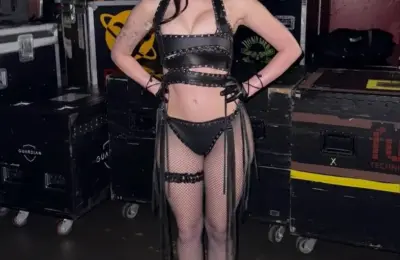
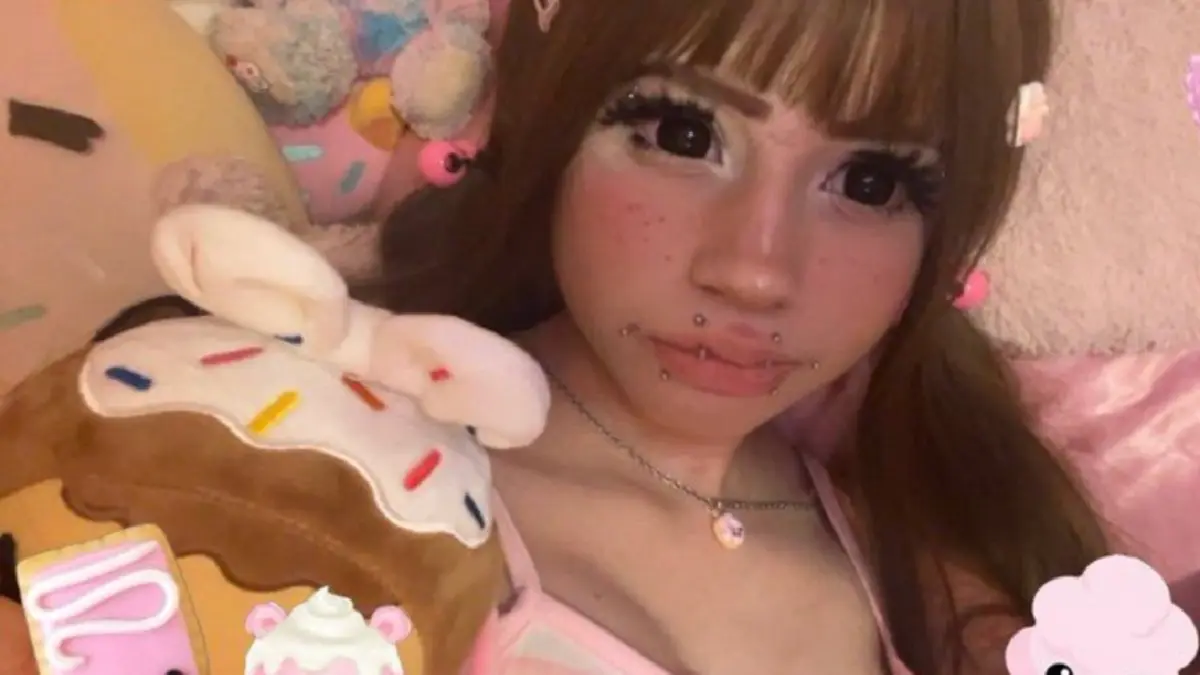
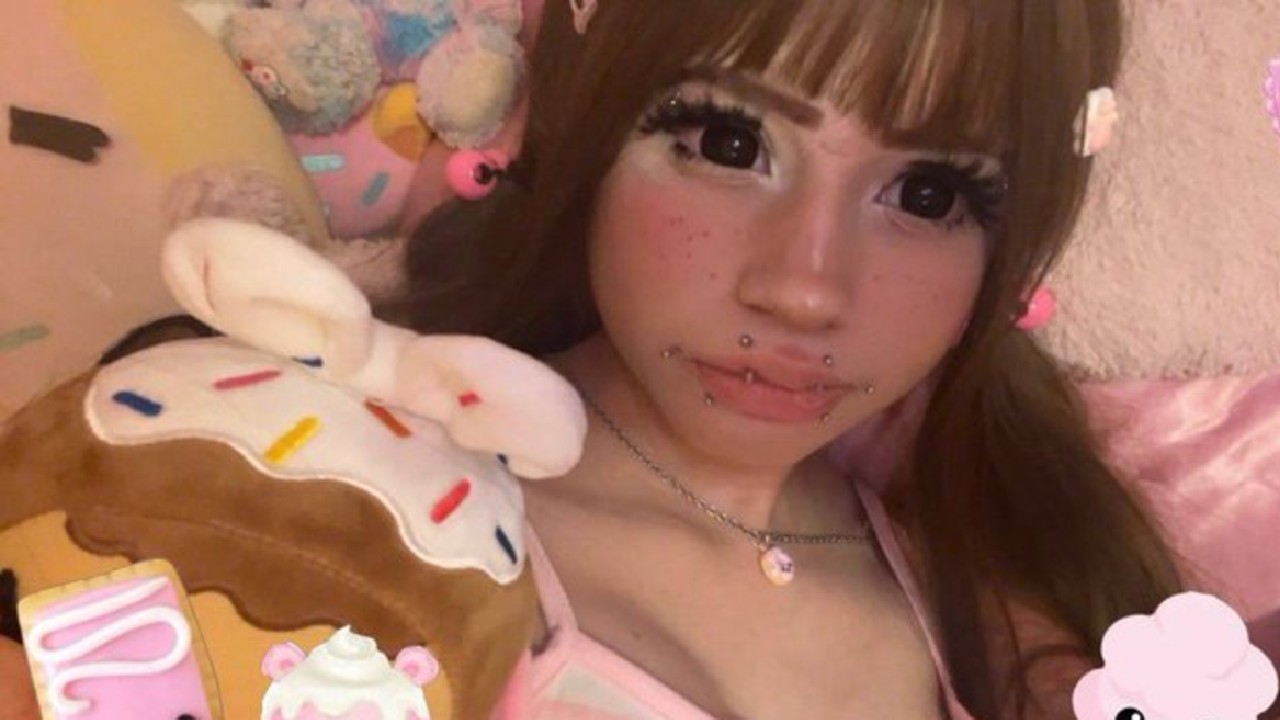
While internet subcultures rarely appear overnight, the crystallization of the "Misery Girl" archetype can be traced across a rapid succession of viral posts throughout August 2026. The meme relies heavily on visual signifiers—heavy eyeliner, pale foundation, cascading dark hair, and an abundance of metal hardware on the face—coupled with the presupposition that these individuals harbor a singular, obsessive devotion to the Pupsies track "Misery."
The Spark: Early August 2026
The groundwork for the meme was laid in the second week of August 2026, as various creators on TikTok began highlighting a hyper-specific archetype of alternative women online. On August 12th, 2026, TikTok user @the.scarred.one posted a short-form video featuring an alt creator adorned with numerous lip piercings, overlaid with the deadpan caption: "How did you know my fav song is Misery?"
The video struck a chord within certain algorithm feeds, accumulating over 12,000 views within its first week and establishing the foundational premise of the trend: that heavy-pierced alternative girls shared a collective, monolithic identity defined entirely by a single song and an exaggerated, melancholic exterior.
Acceleration and AI-Driven Satire: Mid-August 2026
As is characteristic of modern internet phenomena, the meme quickly escalated from standard video commentary into absurdism and artificial intelligence-assisted edits. On August 15th, 2026, TikToker @doelilll uploaded an AI-edited video depicting a stereotypical "misery girl" character pleading with a parental figure ("dada") to raise the volume on some "Misery phonk." The clip played directly into ironic online roleplay tropes, skyrocketing in popularity to amass over 800,000 views in just six days.
Concurrently, the meme bled over onto X. On the same day, user @bledgun shared a satirical image macro featuring X user @himonkeyhamie—whose distinct alternative aesthetic has frequently been utilized by the internet as the quintessential visual representation of the "misery girl." The post depicted a consumer purchasing a fictional album featuring her likeness under the caption, "Buying da Misery album for Dada," earning upwards of 11,000 likes in less than a week.
Peak Virality and Mainstream Crossover
The tipping point of the trend occurred between August 17th and August 20th, 2026. On August 17th, TikTok creator @t.pearr published a compilation video showcasing multiple images of alt girls matching the aesthetic profile—again prominently featuring @himonkeyhamie—under the caption "Dada turn on dat misery." This post achieved explosive reach, pulling in more than 2.3 million views in four days and firmly cementing the phrase into the broader TikTok lexicon.
By August 20th, the meme had evolved into artistic interpretations. TikToker @hotuniv posted a video sharing a digital drawing of a misery girl, accompanied by the sentiment that the aesthetic was essentially just a dramatic makeup style rather than something to be genuinely maligned. The video garnered over 400,000 views in a single day, signaling a shift in public discourse from pure mockery toward aesthetic appreciation and artistic homage.
Supporting Context & Metrics: Cultural Anatomy of the Meme
To understand why the "Misery Girl" trope resonated so deeply across social platforms, one must analyze the intersecting elements that comprise the meme’s structure: visual aesthetics, linguistic hooks, and subcultural crossover.
The Muse: @himonkeyhamie and the Visual Blueprint
In nearly every iteration of the "Misery Girl" meme, visual consistency is maintained through the unauthorized or referential use of imagery associated with X user @himonkeyhamie. Serving as the unofficial mascot or visual template for the archetype, @himonkeyhamie’s distinctive alt presentation—defined by heavy-handed goth-inspired cosmetics, layered hairstyles, and striking facial modifications—became shorthand for the entire demographic. While utilizing real individuals as meme templates carries ethical complexities regarding online harassment and parasocial objectification, the digital community treated these images less as portraits of real people and more as stock characters in a decentralized fictional universe.
Linguistic Tropes: "Dad Play Misery" and the "Discord Kitten" Crossover
The linguistic backbone of the trend—specifically phrases like "dad play Misery" or "Dada volume up please"—draws heavily from online alt-subculture micro-trends, specifically the satirical framing of "Discord kitten" dynamics and ageplay aesthetics. By attributing these phrases to the archetype, meme creators sought to poke fun at perceived power dynamics within online dating and gaming spaces where younger alternative women interact with older male internet subcultures.
Furthermore, the meme exhibits substantial crossover with the "Dream Girl Wallahi" format. Originally born from Arabic-infused internet slang expressing ironic or exaggerated infatuation, the pairing of "Dream Girl Wallahi" with images of misery girls highlights the cognitive dissonance inherent in modern internet humor: simultaneously mocking an individual’s subcultural presentation while ironically (or post-ironically) declaring them to be an idealized partner.
Engagement Metrics Summary
- Earliest Noteworthy Catalyst: TikTok by @the.scarred.one (August 12, 2026) — 12,000+ views.
- Breakout AI/Satire Post: TikTok by @doelilll (August 15, 2026) — 800,000+ views.
- X Platform Traction: Post by @bledgun utilizing @himonkeyhamie (August 15, 2026) — 11,000+ likes.
- Mass Virality Threshold: TikTok compilation by @t.pearr (August 17, 2026) — 2.3+ million views.
- Artistic Reinterpretation: TikTok by @hotuniv (August 20, 2026) — 400,000+ views in 24 hours.
Social Backlash and Counter-Movements
As with any viral meme that generalizes or pokes fun at a specific group of people—particularly young women in alternative spaces—a substantial counter-narrative quickly materialized. By late August 2026, the comments sections and video feeds of TikTok began seeing pushback from creators who felt the "Misery Girl" trend had crossed the line from harmless teasing into targeted cyberbullying and misogynistic stereotyping.
Defending the Alt Community
Creators such as @i_wanna.die01 and @missingeidos published viral video responses criticizing users who spam comment sections with phrases like "dada play misery" on the personal posts of innocent alternative creators. These response videos argued that real women who happen to enjoy goth, emo, or alt fashion were being subjected to unwarranted harassment from internet trolls who viewed them through the flattened lens of a TikTok meme.
+-----------------------------------------------------------------+
                 THE "MISERY GIRL" DIALECTIC
+-----------------------------------------------------------------+

  [TROLLS / TREND HOPPERS]           [ALT COMMUNITY / DEFENDERS]
  - Uses ironic memes                - Fights against harassment
  - Spams "dad play misery"          - Rejects ageplay stereotypes
  - Reduces alt girls to tropes      - Advocates for authentic expression
                                             /
                                            /
            v                               v
       [MAINSTREAM VIRALITY ON TIKTOK & X (Mid-August 2026)]
Furthermore, commentators pointed out the irony of mainstream internet users mocking alternative aesthetics while simultaneously adopting elements of them. Users like @ilovetealgreen noted a recurring historical cycle: alternative fashion is treated as bizarre or citable by the mainstream until it becomes trendy, at which point "trend hoppers" commodify and parody it before moving on to the next viral sensation.
Critiques of Inauthenticity and "Incel" Culture
Other creators, including @pngvee, voiced concerns regarding the demographic driving the harsher aspects of the meme, drawing parallels between the tone of the "Misery Girl" commentary and lingering "incel" subculture behaviors migrating from X and Reddit over to TikTok. These critiques argued that the meme allowed anonymous or detached male internet users to project toxic relationship dynamics onto alternative women, reducing complex human beings into flat, hyper-sexualized punchlines.
Future Outlook: The Lifecycle of Micro-Aesthetic Memes
As August 2026 draws to a close, the "Misery Girl" phenomenon finds itself at a crossroads typical of internet subculture memes. Having achieved peak saturation across TikTok’s algorithmic "For You" pages and X’s timeline, the trend is transitioning from its explosive growth phase into self-awareness and eventual saturation.
Several trajectories lie ahead for the meme:
- Normalization and Irony Exhaustion: Like many hyper-specific archetypes before it (such as the "E-girl" or "Alt TikToker" tropes of previous years), the joke risks burning out as the core punchline—"dad play Misery"—is overused to the point of complete abstraction. Once a meme becomes self-parodying to an extreme degree, it typically loses its bite and fades from active circulation.
- Subcultural Assimilation: The alternative community may successfully reclaim the term, transforming "Misery Girl" into a badge of pride or tongue-in-cheek self-identifier, thereby neutralizing the derogatory intent behind the original parodies.
- Evolution into New Tropes: Elements of the meme—particularly the intersection of dramatic alt aesthetics with absurd parental roleplay slang—will likely bleed into future internet micro-trends, permanently altering how alternative fashion is discussed and satirized across short-form video platforms.
Ultimately, the "Misery Girl" phenomenon serves as a modern case study in how internet culture rapidly consumes, amplifies, and scrutinizes subcultural aesthetics. Whether viewed as harmless absurdism or thinly veiled cyberbullying, the meme highlights the continuous tension between online anonymity and the real-world individuals caught in the crosshairs of viral virality.