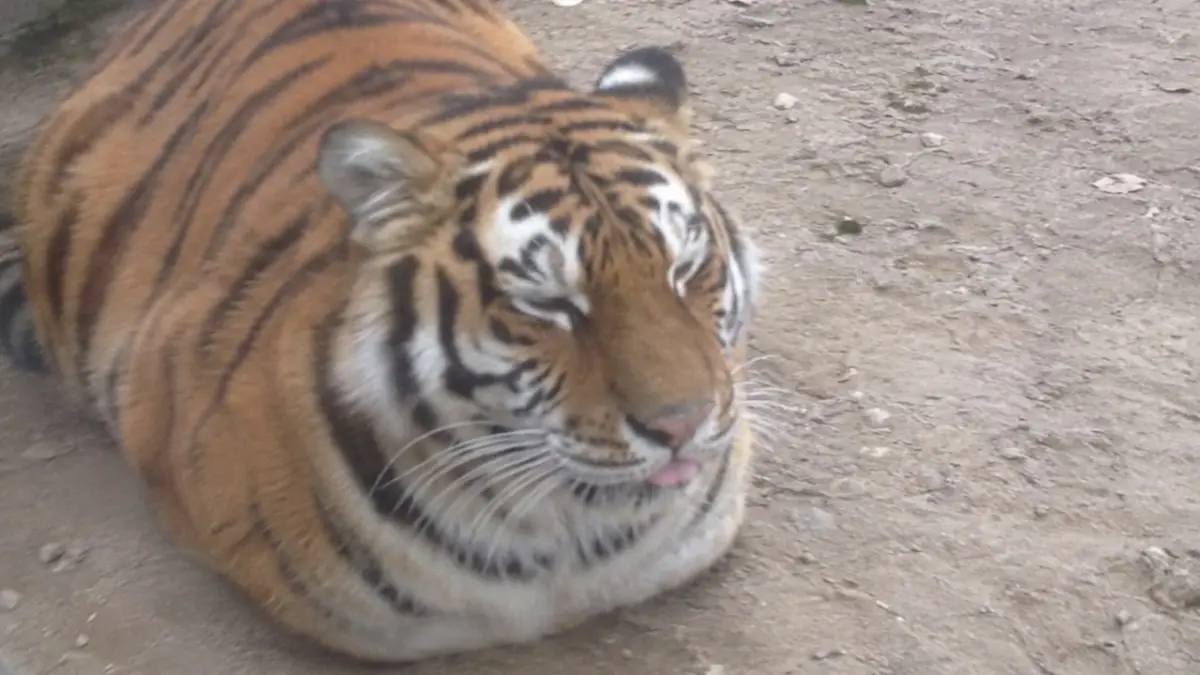
Executive Overview
In late November 2026, the internet experienced a brief yet captivating cultural phenomenon centered around a concept that bridges the gap between apex predators and domestic comfort: the "Tiger Loaf." What began as a seemingly innocuous post on X (formerly Twitter) rapidly evolved into a viral sensation, drawing millions of views, widespread memeification, and an intensive online debate regarding the authenticity of digital media in the age of artificial intelligence.
The phenomenon originated with an AI-generated image depicting a Bengal tiger resting in a posture universally recognized by cat owners as "loafing"—tucking all four paws neatly beneath its muscular torso while sporting a relaxed facial expression featuring a slight tongue-out "mlem" or "blep." The incongruity of a famously dangerous apex predator exhibiting the docile, bread-like posture of a domestic tabby struck a chord with global audiences. Within days, the post amassed nearly half a million likes and millions of impressions, triggering a cascade of secondary memes, user-generated variations featuring other big cats, and a subsequent investigative wave of AI-detection discourse.
This report provides a comprehensive examination of the Tiger Loaf phenomenon, tracing its rapid ascent from a niche social media post to a cross-platform viral trend. By analyzing the trajectory of the meme, the community’s response to artificial intelligence detection, and the broader implications for digital culture, this article explores how modern internet humor intersects with the evolving capabilities of generative AI tools.
Detailed Chronology
The Spark: November 21st, 2026
The phenomenon officially commenced on November 21st, 2026, when the X account @hardcatmemes published an image accompanied by the tongue-in-cheek caption: "If tigers are so dangerous, explain this."
The attached image featured a magnificent tiger crouched low to the ground with its limbs completely obscured beneath its massive frame, transforming its silhouette into a shape vaguely reminiscent of a loaf of unbaked bread. Adding to the comedic charm, the tiger’s tongue was slightly protruding. The post struck an immediate nerve with the algorithm, rapidly accumulating over 476,000 likes, 55,000 reposts, and more than 11 million views within a 72-hour window.
While the initial wave of engagement was driven by sheer amusement at the juxtaposition of ferocity and domesticity, users quickly began scrutinizing the image for anomalies typical of synthetic media. Observers noted that big cats in the wild rarely, if ever, achieve a true "loaf" due to their heavy skeletal structure and anatomical proportions. Soon after, tech-savvy users applied AI detection mechanisms, including OpenAI’s SynthID and dedicated forensic tools, which flagged the image as artificially generated.
Cross-Platform Expansion: November 22nd, 2026
As the original post gained traction on X, the trend metastasized across other major social media ecosystems. On November 22nd, the prominent Instagram aggregator page popdownload shared the tiger image alongside the caption, "tigers can loaf??", generating upward of 212,000 likes in just two days. Simultaneously, the popular Facebook community page The Nathanistic reposted the viral content, securing more than 12,000 reactions.
The viral momentum spurred users to create and share derivative works. X user @Croww_things published a companion AI-generated image of a lion adopting the same posture, asking followers to weigh in on whether it constituted a "lion loaf" or a "tiger loaf." Later that evening, @hardcatmemes returned with a follow-up post featuring a black panther in a similar loafing position under the provocatively humorous prompt: "If panthers are so dangerous, explain this."
The trend reached a satirical crescendo when X user @SCREENONYMOUS quoted the panther post to construct a classic internet macro meme. By combining the tiger, the panther, and a domestic cat loaf under the iconic caption, "Don’t talk to me or my wife or my son ever again," the user generated over 54,000 likes in 48 hours, cementing the meme within contemporary internet lore.
The AI Backlash and the Search for Authenticity: November 22nd–23rd, 2026
As the novelty of the AI-generated images began to settle, a counter-narrative emerged focused on technological transparency and biological accuracy. On the night of November 22nd, X user @bigcatburger shared a screenshot from an AI detection suite confirming that the original tiger loaf image bore the digital watermarks of synthetic generation, writing, "Yeah so it turns out that tiger loaf image is AI-generated :("—a post that resonated with 16,000 users and amassed 1.5 million views.
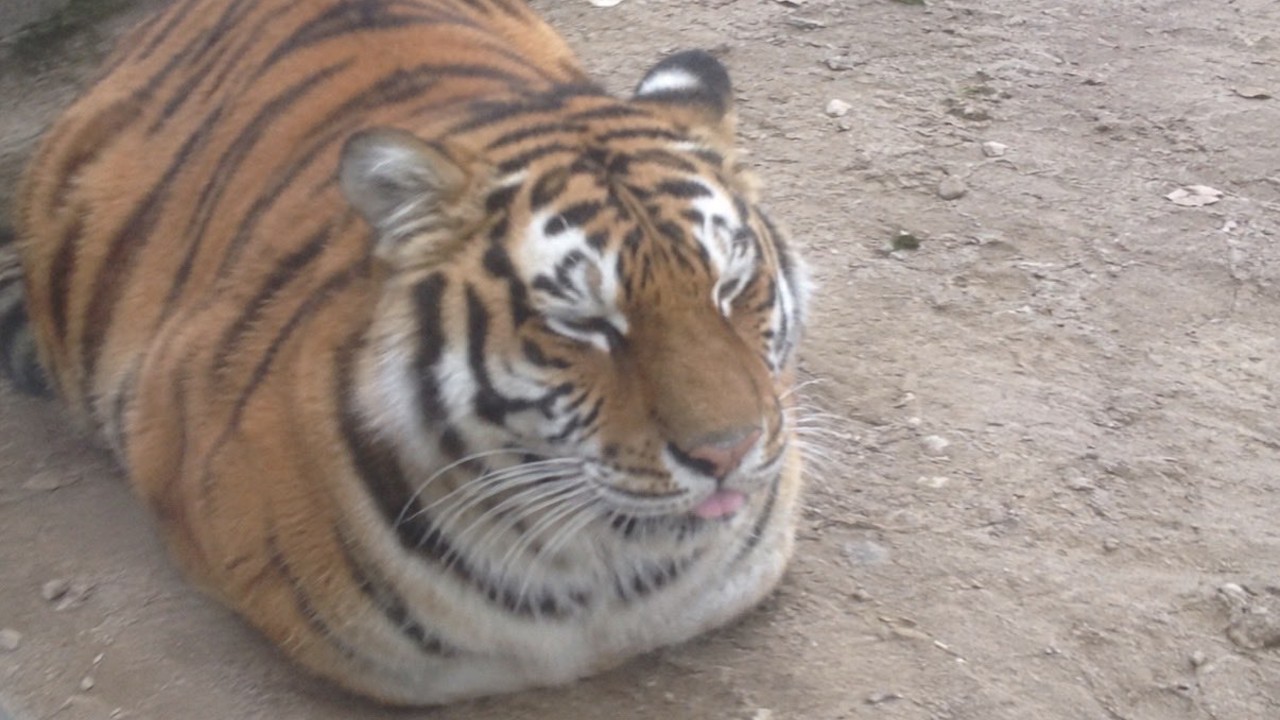
This revelation sparked a mini-controversy concerning the boundary between delightful fabrication and digital deception. In response to the discourse, X user @rootvegetabless intervened on November 23rd by uploading a verified, authentic photograph of a real tiger resting with its paws tucked as closely to its body as biological anatomy allows. Captioning it "here is a non-AI-generated tiger loaf for your viewing pleasure," the user earned over 145,000 likes in a single day, proving that real-world wildlife photography could still capture the internet’s attention amid a sea of synthetic creations.
Supporting Context & Metrics
Quantitative Breakdown of Viral Impact
The velocity of the Tiger Loaf phenomenon can be quantified through user engagement metrics gathered across platforms during its peak between November 21 and November 23, 2026:
- Initial Post (
@hardcatmemes): 476,000+ Likes | 55,000+ Reposts | 11,000,000+ Impressions. - Instagram Syndication (
popdownload): 212,000+ Likes within 48 hours. - Derivative Lion Loaf (
@Croww_things): 2,200+ Likes. - Panther Loaf Follow-up (
@hardcatmemes): 33,000+ Likes. - "Don’t Talk To Me" Macro (
@SCREENONYMOUS): 54,000+ Likes. - AI-Detection Exposure (
@bigcatburger): 16,000+ Likes | 1,500,000+ Views. - Authentic Counter-Post (
@rootvegetabless): 145,000+ Likes within 24 hours.
The Biology of "Loafing" vs. Big Cat Anatomy
To understand why the Tiger Loaf sparked such intense debate, one must examine the feline behavior known as "loafing" (or "tucking"). House cats adopt this posture to conserve body heat and rest comfortably while keeping their claws protected and ready for quick deployment.
Zoologists and big cat experts note that while members of the Panthera genus (such as lions, tigers, leopards, and jaguars) frequently rest with their front paws folded beneath them, their immense chest cavities, muscular shoulders, and heavy bone density prevent them from achieving the compact, rectangular "bread loaf" shape characteristic of domestic felines. As X user @bIuebeards pointed out by sharing archival photographs from Reddit and wildlife archives, real tigers always leave their paws protruding forward to support their substantial mass. This anatomical limitation was the primary clue that tipped off eagle-eyed users to the image’s artificial origin.
Official Perspectives and Public Discourse
The discourse surrounding the Tiger Loaf highlights a growing cultural fatigue mixed with fascination regarding generative artificial intelligence. While earlier years of the AI boom were marked by widespread panic over deepfakes and misinformation, late-2026 internet culture has developed a more nuanced, highly ironic relationship with synthetic imagery.
The Generative Humor Community
Proponents of AI-generated humor argue that tools like OpenAI’s DALL-E, Midjourney, and proprietary models offer a new frontier for surrealist comedy. By generating impossible scenarios—such as a 500-pound Siberian tiger adopting the posture of a pampered house cat—creators can bypass the limitations of physical reality to evoke pure joy and absurdity. To this demographic, the disclosure that an image is AI-generated does not diminish its comedic value; rather, it transforms the piece into a canvas for collaborative world-building, inspiring subsequent creations like the "lion loaf" and fan art tributes.
The Skeptics and Purists
Conversely, a vocal segment of the online community expressed exhaustion with the pervasive infiltration of synthetic media into everyday feeds. For these users, the initial delight of the Tiger Loaf turned to mild disappointment upon learning it was fake, reflecting a broader societal desire for authentic engagement with the natural world. The massive success of @rootvegetabless‘s authentic tiger photo—which outperformed many of the AI-generated variants in sheer engagement velocity—serves as evidence that audiences still hunger for genuine, unadulterated reality, even within the realm of casual meme culture.
Future Outlook
As generative artificial intelligence tools become increasingly sophisticated and accessible, phenomena like the Tiger Loaf offer a glimpse into the future of digital folklore.
- Normalization of SynthID and Forensic Tagging: As demonstrated by viral posts dissecting the image’s metadata using OpenAI’s SynthID, platforms and users are rapidly adopting standardized verification protocols. In the future, the tag of "AI-generated" will likely transition from a scandal to a routine metadata label, akin to a content warning or a stylistic genre tag.
- Hybrid Humor Ecosystems: Future internet memes will likely continue to thrive on the interplay between synthetic imagination and real-world validation
. The cycle of an AI-generated premise being challenged, replicated, and ultimately answered by real-world documentation represents a resilient format for online engagement.
- The Enduring Appeal of Feline Behavior: Regardless of technological shifts, humanity’s collective obsession with feline quirks—whether exhibited by a ten-pound tabby or a wild Bengal tiger—remains an unbreakable anchor for internet culture. The Tiger Loaf proves that no matter how advanced technology becomes, the desire to see a large, dangerous predator look remarkably silly will always find an eager audience.