Executive Overview
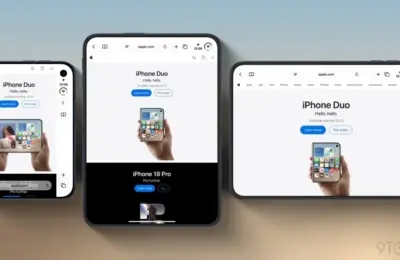
With the newly launched iPhone Duo facing unprecedented demand—stretching backorders well into January—and the iPhone 18 Pro settling into the market, consumer attention is naturally turning toward the horizon. For Apple, 2027 is shaping up to be a watershed year, defined by structural shifts in product strategy, hardware innovation, and an inevitable reckoning with rising component costs.
Apple’s traditional September-only release cadence, already fractured by recent schedule adjustments, will splinter further in 2027. The tech giant has mapped out a dual-wave deployment strategy: a spring lineup anchored by the base iPhone 18, the value-oriented iPhone 18e, and the redesigned iPhone Air 2, followed by a blockbuster fall event in celebration of the iPhone’s 20th anniversary. This milestone year will introduce the heavily anticipated iPhone 20 Pro and the second-generation iPhone Duo.
This comprehensive deep-dive explores what the supply chain, leaked schematics, and industry analysts reveal about Apple’s product roadmap for 2027. We will dissect the strategic pivots behind the delayed spring releases, the hardware upgrades slated for the base models, and the monumental design overhauls planned for the twentieth-anniversary flagships.
Detailed Chronology: The 2027 iPhone Roadmap
Apple’s product release calendar has undergone a profound transformation over the last few cycles. Moving away from the monolithic September hardware dumps of the past, the company is leaning into a staggered release schedule designed to optimize manufacturing output, manage component shortages, and maintain year-round consumer mindshare.

Spring 2027: The First Wave
For the first time in the history of the product line, Apple is positioning its base flagship—the iPhone 18—for a spring release window. This break from tradition follows the split release schedule introduced in late 2026.
1. iPhone 18
The base iPhone 18 arrives in the spring of 2027, carrying the weight of shifting consumer expectations. While precise hardware specifications remain fluid, supply chain leaks point to several key upgrades. Chief among them is an influx of RAM, addressing multitasking bottlenecks that have plagued base models in the era of on-device artificial intelligence.
Thermal management is also receiving a significant overhaul. To prevent throttling during intensive computational tasks, Apple is redesigning the internal chassis and cooling architecture of the base model. Powering the device will be the new A20 chip, paired with Apple’s proprietary C2 modem, continuing the company’s aggressive push away from Qualcomm hardware.
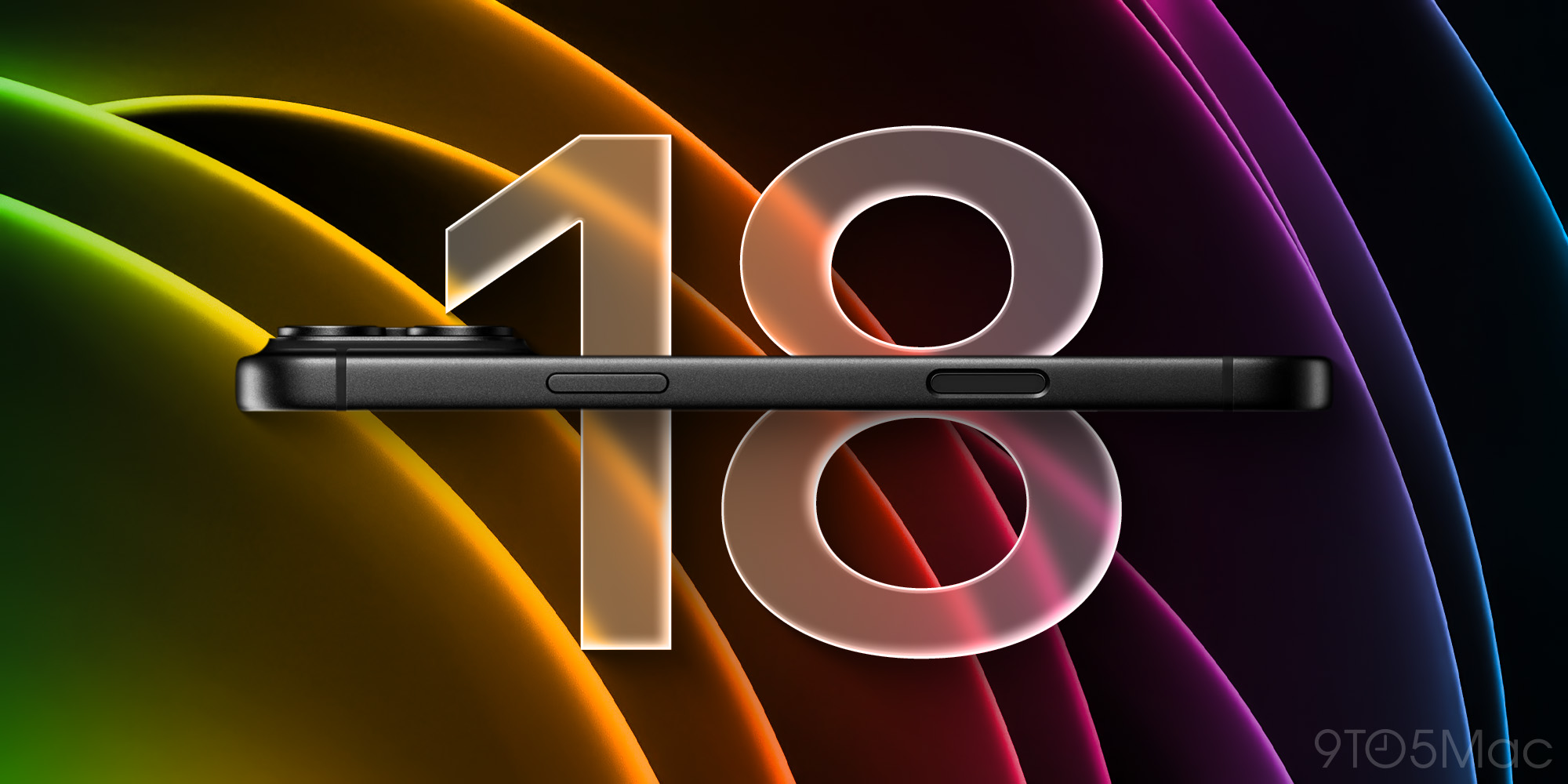
Design-wise, rumors suggest the iPhone 18 may adopt the refined industrial design language debuted by the iPhone 17 Pro and iPhone 18 Pro. Pricing, however, remains a sensitive topic. Following the industry-wide price hike in late 2026 that pushed the entry-level iPhone 17 to $899, the iPhone 18 is expected to hold firm at that same $899 starting price point.
2. iPhone 18e
Positioned as Apple’s accessible entry point, the iPhone 18e will debut alongside the standard iPhone 18 in the spring. Industry insiders indicate that this device will primarily serve as a generational spec-bump, transitioning from the A19 architecture to the new A20 chip.
Earlier supply chain reports noted that Apple intends to share a vast array of components between the iPhone 18 and the 18e to drive down production costs. While the exact implications for end-users are still unfolding, this modular cost-sharing strategy should allow Apple to maintain competitive pricing in the budget-conscious sector without severely compromising performance.
3. iPhone Air 2
Undoubtedly the most anticipated device of the spring slate is the iPhone Air 2. The original iPhone Air was met with a lukewarm market reception, hampered by a minimalist design philosophy that forced compromises on hardware features—most notably, its single-lens rear camera setup.
Recognizing that the single-camera array signaled a "budget" device to mainstream consumers, Apple sent engineers back to the drawing board. The result is a modified chassis that successfully integrates an ultrawide camera into the ultra-thin profile, forcing a delay that pushed its release out of the autumn window.
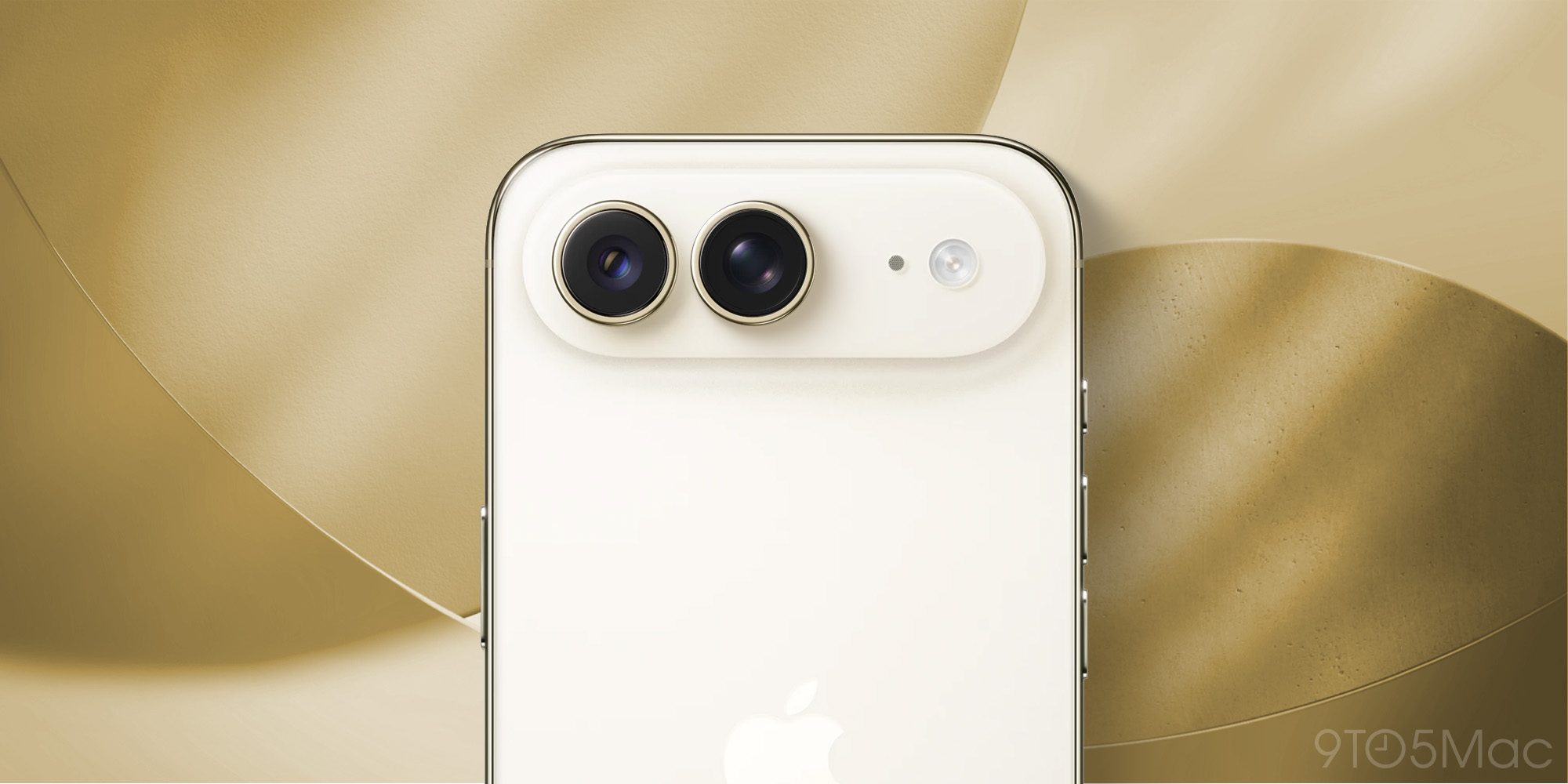
While purists may debate the necessity of an ultrawide lens on a device engineered for supreme portability, the marketing reality is undeniable: consumers expect dual-camera systems on premium devices. Beyond the camera upgrade, the iPhone Air 2 is expected to feature a smaller Dynamic Island—mirroring the iPhone 18 Pro—and a transition from the first-generation C1X modem to the more efficient C2 chip.
Crucially, battery life is getting a much-needed injection. Reports confirm that the iPhone Air 2 will house a battery capacity scaling up to approximately 3,500mAh, representing a substantial 10% volumetric and energetic improvement over its predecessor.
Fall 2027: The 20th Anniversary Flagships
While the spring is dedicated to streamlining the mid-tier and mainstream offerings, the fall of 2027 will mark two decades since Steve Jobs first unveiled the original iPhone at the Moscone Center in San Francisco. Apple is sparing no expense to ensure its twentieth-anniversary lineup redefines the smartphone landscape.
1. iPhone 20 Pro
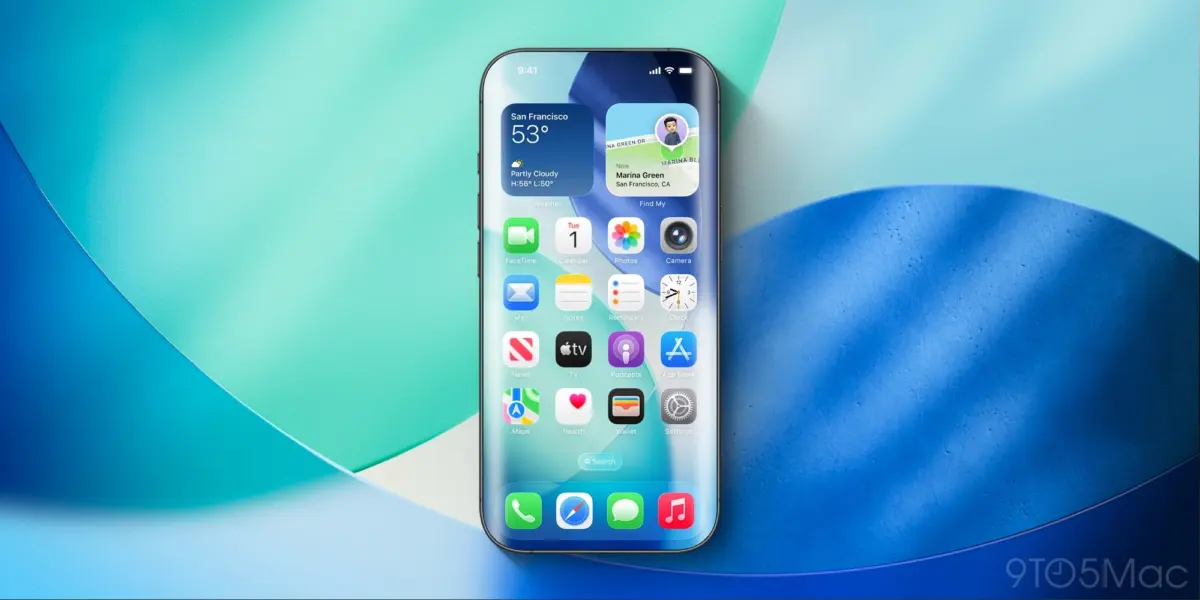
Skipping conventional naming conventions in favor of a milestone marker, the iPhone 20 Pro is slated to be Apple’s most radical redesign since the iPhone X. Industry leaks suggest the device will feature a dramatically glass-forward chassis, significantly slimmer bezels, and a departure from the flat-edge industrial design language that has defined iPhones since the iPhone 12.
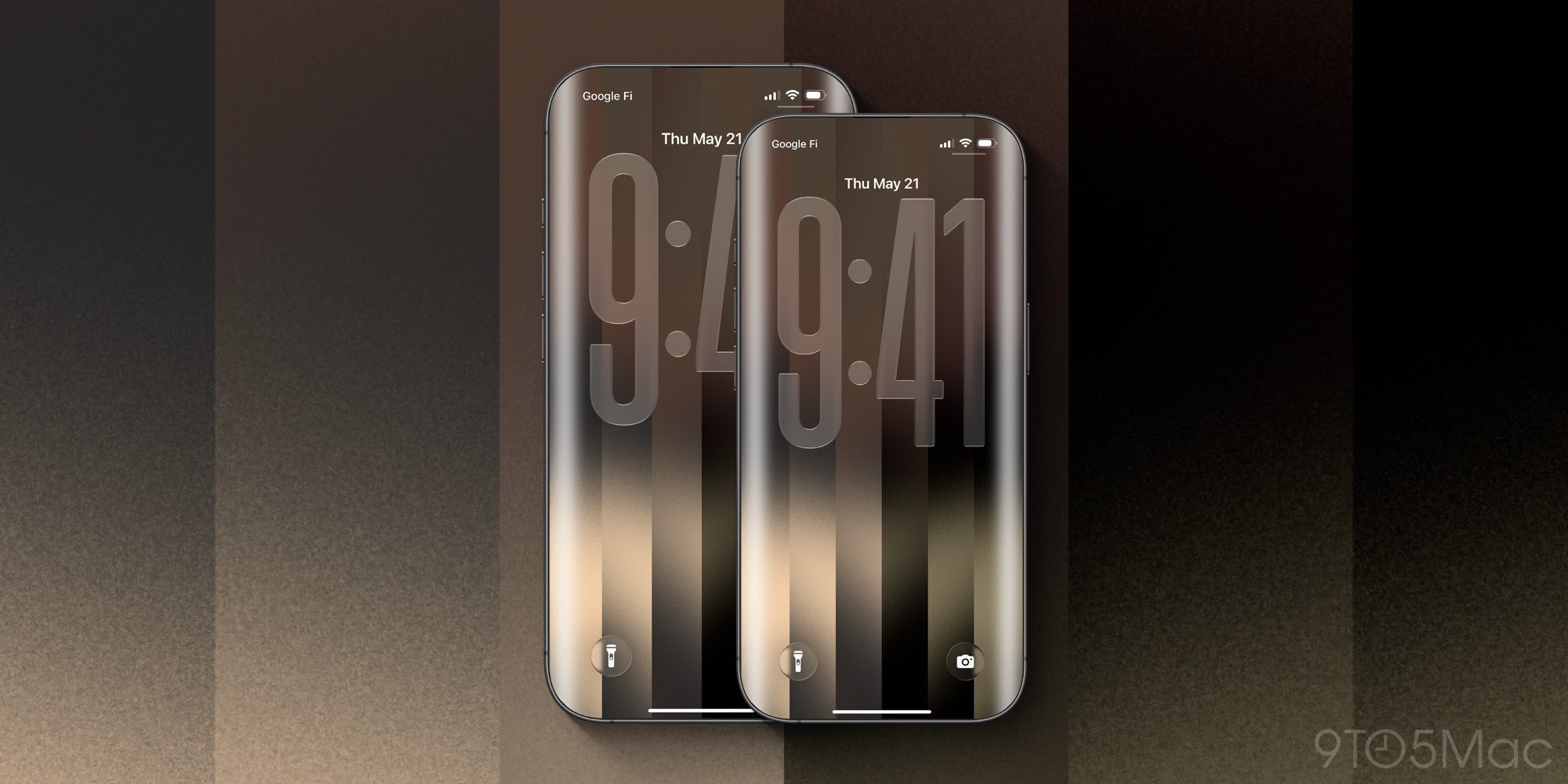
The most transformative hardware change, however, is expected on the front display. Rumors indicate that Apple will introduce a vastly reduced Dynamic Island, paving the way for a punch-hole selfie camera paired with under-display Face ID technology.
Despite these exciting design prospects, thermal engineering remains a point of intense internal and external debate. Sceptics question whether a chassis this thin and glass-heavy can effectively dissipate heat from high-performance silicon without aggressive thermal throttling. However, the unexpected thermal success of the iPhone Duo suggests that Apple may have engineered breakthrough cooling methods that bypass the limitations of traditional aluminum unibodies. For consumers weighing an upgrade, holding out for the "iPhone 20" moniker appears to be the prudent play.
2. iPhone Duo 2
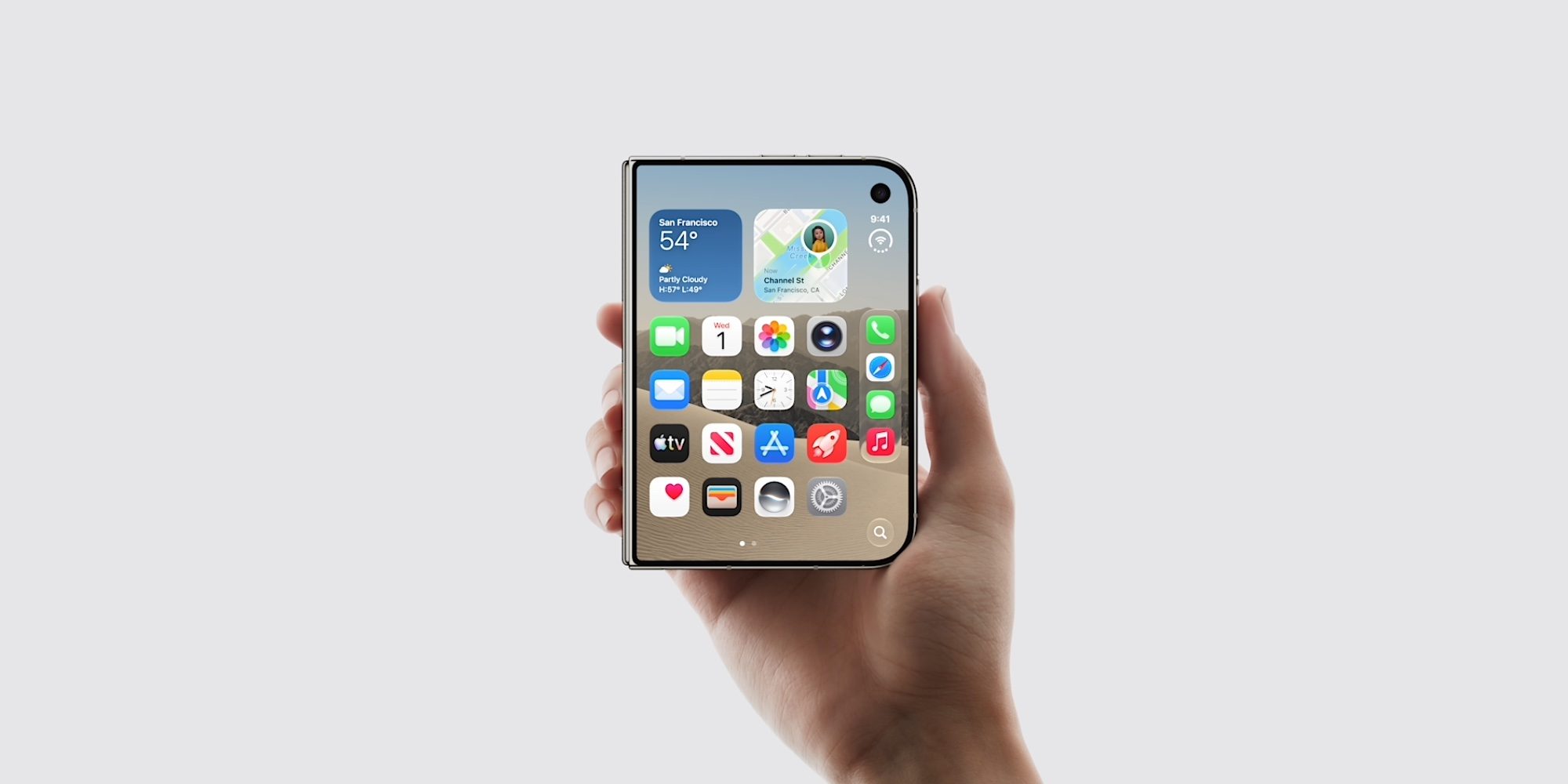
Rounding out the fall 2027 lineup is the successor to the newly introduced iPhone Duo. Given that the first-generation device has faced immense supply constraints and backorders stretching months into the future, the pressure on the second-generation model will be immense.
While concrete schematics are still sparse, expectations are centered around refined Face ID integrations, upgraded camera sensor sizes, and the implementation of Apple’s next-generation silicon—the A21 Pro chip. As the Duo line establishes its identity within the broader portfolio, the 2027 iteration will test whether this form factor can secure a permanent, long-term home alongside the Pro and Air families.
Supporting Context & Metrics: The Financial and Supply Chain Realities
Apple’s aggressive 2027 roadmap does not exist in a vacuum. It is shaped by severe macroeconomic pressures, soaring component costs, and radical shifts in semiconductor manufacturing.
The Cost of Innovation: Memory and Silicon
Recent reports from market intelligence firms like TrendForce highlight a turbulent supply chain, particularly regarding memory pricing. Apple has reportedly faced skyrocketing costs for mobile DRAM, with procurement expenses for advanced memory modules spiking significantly compared to previous generations. These supply-side pressures help explain why Apple initiated structural price increases across the board with the iPhone 17 lineup, pushing the baseline pricing floor up by $100.
These cost increases are directly subsidizing the massive R&D investments required for Apple’s proprietary hardware initiatives. The transition from third-party Qualcomm modems to Apple’s in-house C-series architecture (culminating in the widespread adoption of the C2 modem by 2027) represents a multi-billion-dollar gamble on vertical integration.
Consumer Demand and Market Saturation
The overwhelming demand for the iPhone Duo—evidenced by backorders pushing delivery dates deep into the following year—demonstrates that consumers remain hungry for novel form factors. However, it also exposes Apple’s perennial struggle with initial yield rates. By splitting its release schedule between spring and fall, Apple is attempting to smooth out manufacturing peaks, ensuring that component suppliers are not overwhelmed by simultaneous production demands for base models, ultra-thin flagships, and anniversary editions all at once.

Future Outlook: What the 20th Anniversary Means for Apple
As Apple approaches the twenty-year mark, the smartphone market is fundamentally different from the one Steve Jobs disrupted in 2007. Growth has matured, replacement cycles have lengthened, and hardware innovation has increasingly given way to software ecosystems and artificial intelligence capabilities.
Yet, the 2027 roadmap proves that Apple still views hardware form factor as its primary weapon for driving upgrades. The convergence of under-display biometric sensors, revolutionary glass-and-metal industrial designs, and custom silicon integration signals that Apple is positioning the iPhone 20 Pro not just as a yearly iterative update, but as a technological statement of intent.
Whether consumers will embrace the split release schedule—buying base iPhones in the blooming months of spring and saving their premium upgrade dollars for the high-end autumn anniversary drops—remains to be seen. What is certain, however, is that 2027 will be one of the most volatile, expensive, and transformative years in the history of the Cupertino company.