Executive Overview
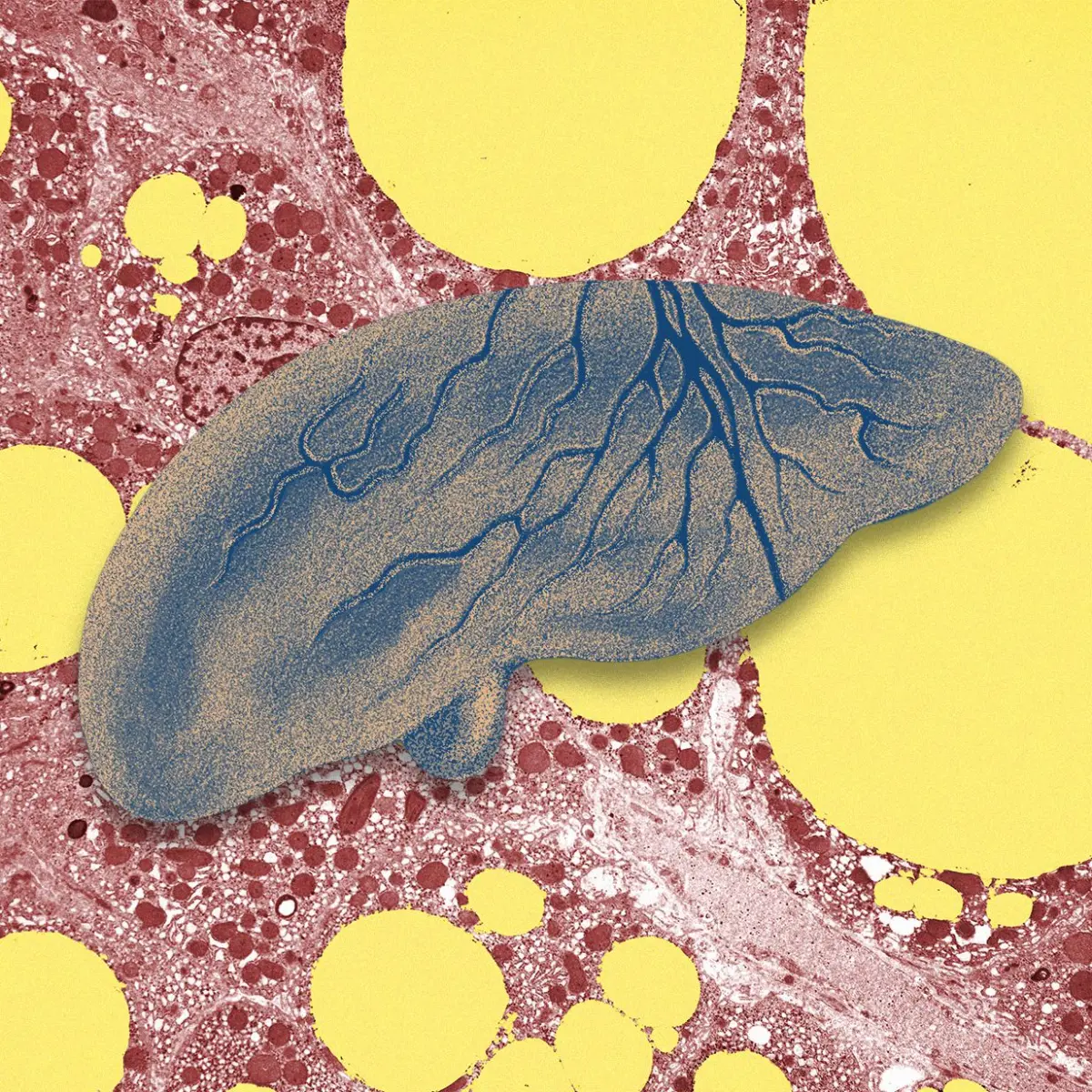
Across the globe, a quiet and insidious health crisis is unfolding within the bodies of more than a billion people. Fatty liver disease—historically associated with heavy alcohol consumption, but now increasingly driven by metabolic disorders, poor diets, and sedentary lifestyles—has transformed into a worldwide epidemic. Affecting approximately 30 percent of the global adult population, the condition begins invisibly. A normal, healthy liver contains negligible amounts of fat; however, in those afflicted, fat can swell to exceed 5 or even 10 percent of the organ’s total weight.
This unnatural lipid accumulation triggers chronic inflammation, cellular degradation, and the progressive formation of scar tissue known as fibrosis. Left unchecked, the disease can culminate in irreversible liver failure, while simultaneously amplifying a patient’s risk of cardiovascular disease and various forms of cancer.
Compounding the danger is the asymptomatic nature of the condition in its early stages. Because it rarely presents overt warning signs, three-quarters of patients are diagnosed only when their disease has progressed to a life-threatening stage, such as advanced cirrhosis. By the time individuals seek medical attention, healthcare systems are typically forced to pivot toward late-stage palliative care, expensive transplants, and chronic management rather than prevention.
Now, a transformative shift is on the horizon. Leading medical researchers, data scientists, and hepatologists are turning to artificial intelligence (AI) to crack the code of early detection. By leveraging machine learning models capable of scouring electronic health records, interpreting routine blood panels, and even scanning everyday chest X-rays, AI offers the potential to intercept fatty liver disease before permanent damage occurs.
Detailed Chronology: The Evolution of Diagnosis and the Rise of AI
To understand why artificial intelligence represents such a quantum leap forward in hepatology, it is necessary to examine the historical trajectory of how fatty liver disease has been identified and managed over recent decades.
The Era of Late-Stage Discovery (Late 20th Century to Early 2000s)
For decades, diagnosing liver disease relied heavily on reactive medicine. Physicians waited for patients to present with physical symptoms—such as jaundice, abdominal swelling, or extreme fatigue—or flagged elevated liver enzymes during routine blood work. However, standard liver enzyme panels are notoriously unreliable indicators of early fatty liver disease; an individual can suffer from significant hepatic fat accumulation while maintaining completely normal blood test results. Consequently, the primary diagnostic tools were invasive liver biopsies or costly imaging studies like ultrasounds and MRIs, which were ordered only after clinical suspicion was already high.
The Introduction of Non-Invasive Scoring (2010s)
Recognizing the limitations of reactive biopsies, the medical community developed non-invasive clinical scoring tools. Among the most prominent was the Fib-4 index, introduced to estimate a patient’s risk of advanced liver fibrosis using readily available metrics: age, platelet count, and standard liver enzyme levels (AST and ALT). While the Fib-4 index provided a low-cost method for primary care physicians to gauge risk, it remained severely underutilized. Doctors, burdened by administrative workloads and packed schedules, frequently failed to manually calculate these scores or order secondary diagnostic markers like the Enhanced Liver Fibrosis (ELF) test.
The Dawn of Algorithmic Hepatology (Recent Years)
As electronic health records (EHRs) became ubiquitous, the sheer volume of untapped medical data exploded. This paved the way for advanced machine learning models designed to run silently in the background of healthcare systems.
- 2023–2024: Researchers began demonstrating the feasibility of using AI to evaluate non-liver-specific imaging. Notably, scientists at Osaka Metropolitan University published a landmark study showing that AI models could analyze routine chest X-rays—primarily captured for heart and lung assessments—and accurately identify fatty liver disease with an 82 percent success rate by examining the visible portions of the liver.
- Ongoing Clinical Validations: Health tech startups and international consortia began rolling out sophisticated machine learning tools. Platforms like Denmark’s LiverPRO (developed in partnership with Roche) and diagnostic algorithms like ALADDIN emerged, proving capable of analyzing routine biomarker panels to outperform traditional scoring methods like Fib-4, particularly in identifying patients who could benefit from emerging pharmaceutical interventions.
Supporting Context & Metrics: The Scale of the Crisis and the Promise of Technology
The necessity for automated, AI-driven screening is underscored by sobering statistical realities and distinct physiological characteristics of the liver.
The Biology of Regeneration and the Cost of Delay
Unlike many other vital organs, the liver possesses an extraordinary capacity for self-repair. In its early and moderate stages, fibrosis is largely reversible. When identified early, lifestyle modifications—such as reducing alcohol consumption, eating a balanced diet, incorporating regular exercise, and even maintaining healthy coffee consumption habits—can completely reverse inflammation and scarring. Furthermore, recent pharmacological breakthroughs, including GLP-1 receptor agonists like semaglutide and the targeted therapeutic drug resmetirom, have shown immense promise in treating moderate-to-advanced stages of the disease.
Despite these therapeutic windows, the economic and human toll of late-stage diagnosis remains staggering. Liver transplants are among the most financially burdensome procedures in modern medicine, particularly within the United States health system. Catching patients before they transition into cirrhosis yields profound economic savings and prevents immeasurable human suffering.
The Diagnostic Bottleneck
Simple, non-invasive risk assessment tools already exist, yet they languish in clinical disuse. For instance, combining the Fib-4 index with secondary blood tests—such as the ELF test, which measures proteins involved in scar tissue formation—can improve the diagnosis of advanced fibrosis by four-fold in high-risk groups, such as individuals with obesity or type 2 diabetes.
However, primary care physicians operate under immense administrative pressure. Expecting a busy general practitioner to manually calculate risk scores or order specialized panels for asymptomatic patients is unsustainable. AI solves this bottleneck by embedding diagnostics directly into existing digital workflows.
| Diagnostic Tool / AI Model | Primary Data Source | Accuracy / Advantage | Clinical Impact |
|---|---|---|---|
| Fib-4 Index | Age, AST, ALT, Platelets | Low cost; standard blood work. | Underutilized due to manual calculation requirements. |
| Enhanced Liver Fibrosis (ELF) Test | Blood proteins & enzymes | High accuracy for advanced fibrosis. | Expensive; typically reserved for specialist referrals. |
| Osaka X-Ray AI Model | Routine Chest X-Rays | 82% accuracy in detecting fatty liver. | Opportunistic screening using existing imaging data. |
| LiverPRO (Evido/Roche) | Age + 9 routine blood biomarkers | Outperforms Fib-4 across large cohorts (~470,000 patients). | Better risk stratification for middle-aged populations. |
| ALADDIN | Routine blood test machine learning | Superior patient selection for drug therapies. | Eliminates the need for immediate liver biopsies. |
Official Statements & Expert Insights
Medical leaders across the globe are increasingly vocal about the urgent need to integrate artificial intelligence into everyday hepatology and primary care workflows.
Jeffrey Lazarus, a professor at the CUNY Graduate School of Public Health and Health Policy, emphasizes the proactive nature of artificial intelligence in mining existing medical databases:
"AI can retrospectively go through massive numbers of hospital visits and lab reports. You can use that to really prioritize who’s at most risk. The liver is a very versatile and interesting organ because it can regenerate, fibrosis can be reversed, and you can be completely healthy again. But traditionally, we’ve focused more on late-stage care and trying to see how long we can keep a patient alive rather than finding them early and preventing the condition from advancing."
Lazarus also points out the psychological and behavioral benefits of early diagnosis. Research conducted in Denmark indicates that when individuals are explicitly informed that they possess markers of liver fibrosis, their psychological commitment to adopting healthier diets and exercise regimens increases significantly.
"We’re always looking to improve adherence to eating well and doing more physical activity. Telling someone that they might have or do have liver disease is one way to do that."
Jonathan Dranoff, a professor of medicine at Yale University, highlights the necessity of seamless integration for busy practitioners:
"You have to have something that can run in the background or it’s easy to just hit a button and do it. AI can take existing data from routine blood testing and automate calculations like Fib-4 scores, making it infinitely easier for primary care physicians to identify the right patients to refer to a liver specialist."
Echoing the sentiment that AI serves as an enabler rather than a total replacement for clinical judgment, Paul Brennan, a specialty registrar in gastroenterology, hepatology, and internal medicine at the University of Dundee, notes:
"These tools won’t completely replace biopsies or imaging. But they could fix the bottlenecks in primary care where most fibrosis goes undetected. I expect them to be adopted as a smarter first pass, catching the moderate-risk patients that blunter tools may miss, and reducing unnecessary referrals to hepatologists."
Future Outlook: A New Paradigm in Preventative Hepatology
As the healthcare industry stands on the precipice of a technological revolution, the integration of AI into liver care points toward a future where silent diseases can no longer hide in the background of routine health data.
The immediate horizon of medical innovation involves the widespread deployment of "opportunistic screening." Under this model, whenever a patient undergoes a routine chest X-ray for a persistent cough or has their blood drawn for an annual cholesterol check, AI algorithms will process those data points concurrently. If excess liver fat or elevated fibrotic markers are detected, the system will autonomously flag the anomaly, cross-reference comorbid conditions like type 2 diabetes or hypertension, and generate an automated recommendation for the primary care physician to initiate a referral to a hepatologist or endocrinologist.
Furthermore, commercialized AI diagnostics—such as LiverPRO and machine-learning platforms designed to identify ideal candidates for novel therapeutics like resmetirom—promise to streamline clinical trials and targeted drug delivery. By sparing patients from invasive liver biopsies while simultaneously cutting down on false positives, these technologies will bring precision medicine to the forefront of gastroenterology.
Ultimately, the widespread adoption of AI in liver disease management represents a philosophical evolution in global healthcare: moving away from the expensive, reactionary treatment of end-stage organ failure and toward an era of proactive, automated, and life-saving early detection. For the more than one billion people currently walking around with undiagnosed fatty liver disease, artificial intelligence may well provide the invisible safety net that saves their lives.