As the sweltering days of late summer give way to the crisp, amber-tinted evenings of autumn, a familiar cultural ritual takes hold across the globe. "Spooky season" has officially arrived, transforming the domestic landscape into a sanctuary for cinephiles and adrenaline-seekers alike. With the nights growing longer and temperatures steadily dropping, major streaming platforms are aggressively overhauling their libraries to capture the shifting mood of their audiences. This year’s October catalog curation is an ambitious masterclass in counter-programming, bridging the gap between time-tested cinematic terror and contemporary psychological dread.
The current streaming landscape offers a veritable buffet of nightmares. From the golden-age chills of Alfred Hitchcock’s foundational masterworks to cutting-edge 2026 releases that push the boundaries of psychological and bodily unease, the modern streaming ecosystem caters to every conceivable subgenre. Whether viewers are searching for the visceral, slow-burn tragedy of cannibalistic romance, the nostalgic yet terrifying expanses of Stephen King adaptations, or the self-aware meta-commentary of postmodern slashers, October 2026 delivers a robust slate. This comprehensive guide navigates the vast offerings now streaming, analyzing the essential titles defining the Halloween season and exploring why these particular selections resonate so deeply with our collective cultural anxieties.
Detailed Chronology: A Century of Terror on Demand
To fully appreciate the scope of horror available on streaming platforms this October, one must examine how the genre has evolved across the decades. The curation available to viewers today represents a chronological roadmap of fear, tracking how societal anxieties have shifted from gothic isolation and supernatural possession to systemic paranoia and intimate identity crisis.
The Genesis of Suspense and the Slasher Blueprint (1960–1984)
The modern cinematic nightmare truly crystallized in 1960 with the release of Alfred Hitchcock’s Psycho. Operating outside the traditional studio safety nets of the era, the Master of Suspense effectively birthed the modern slasher film. The narrative follows embezzling secretary Marion Crane (Janet Leigh) as she seeks refuge from a torrential downpour—and her own escalating guilt—at the remote, decaying Bates Motel. The sequence that follows, the iconic shower scene, remains a monumental achievement in editing, sound design, and psychological disorientation. Streaming services highlight Psycho this season not merely as a historical artifact, but as the foundational text for every cinematic stalker that followed.
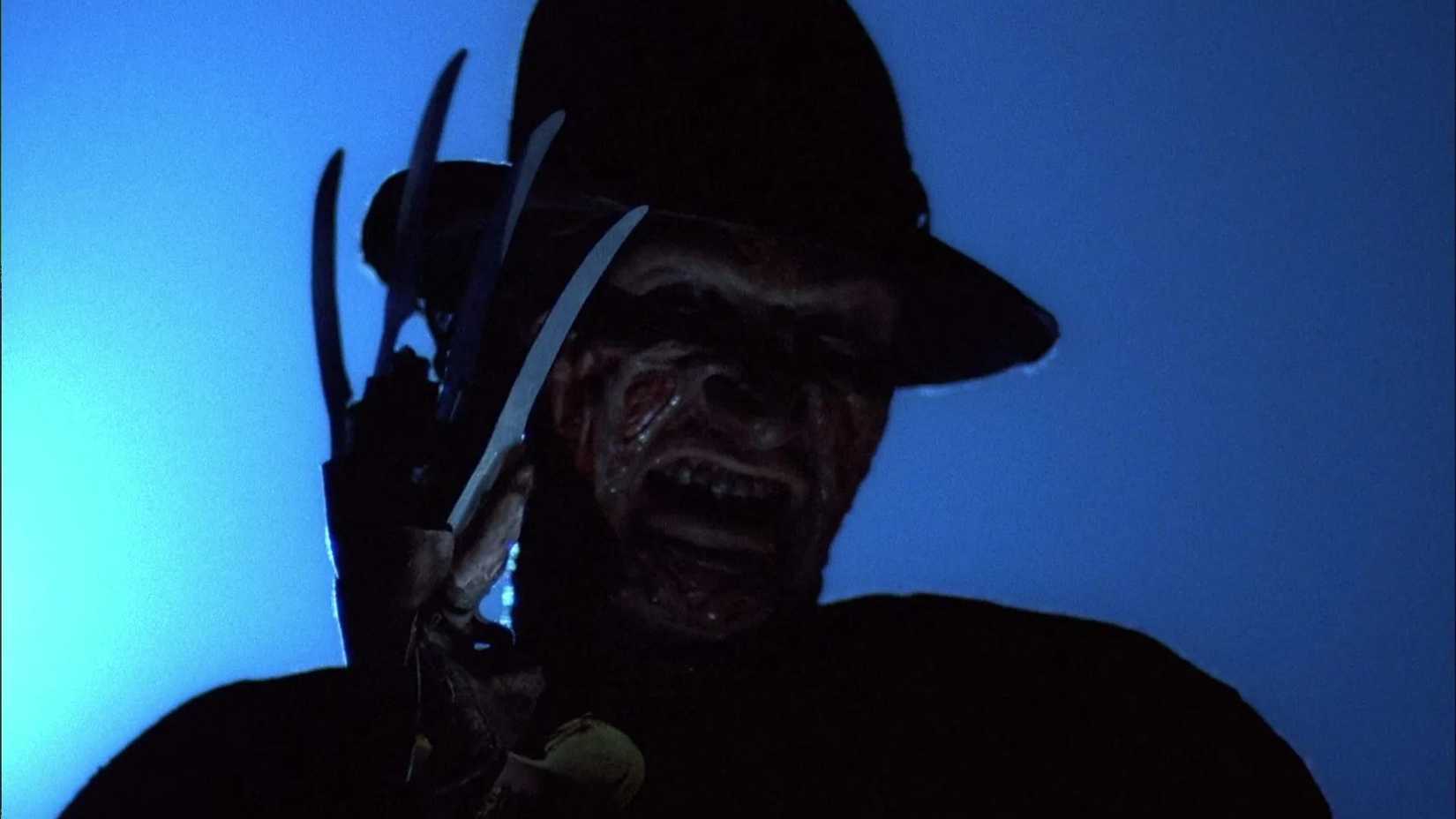
Fast-forward over two decades, and the supernatural slasher genre underwent a radical reinvention under the direction of Wes Craven. 1984’s A Nightmare on Elm Street weaponized the very act of resting, introducing audiences to Freddy Krueger (Robert Englund)—a burned, razor-gloved apparition who murders teenagers inside their dreams. By collapsing the boundary between the waking world and the subconscious, Craven created a sustainable, high-concept franchise that challenged viewers to question their own nightly vulnerabilities.
The Postmodern Meta-Renaissance (1996)
By the mid-1990s, the slasher genre had nearly choked on its own formulas, reducing horror to predictable, repetitive cycles. Enter the dynamic creative pairing of writer Kevin Williamson and director Wes Craven, who fundamentally upended the rulebook with 1996’s Scream. Set in the sleepy fictional suburb of Woodsboro, the film follows a group of high school students targeted by a masked killer who gleefully tests their knowledge of horror movie tropes.
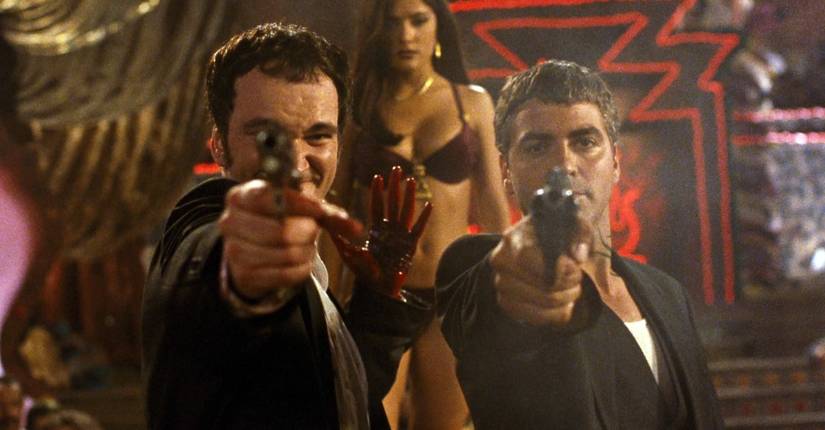
Simultaneously, 1996 brought the audacious genre-blending cult classic From Dusk Till Dawn. Penned by Quentin Tarantino and directed by Robert Rodriguez, the film executes a jarring, brilliant structural pivot: it begins as a gritty, high-stakes crime drama about fugitive bank-robbing brothers Seth (George Clooney) and Richie Gecko (Tarantino) fleeing toward the Mexican border, only to violently morph into a relentless grindhouse vampire splatter-fest upon reaching an all-night truck-stop strip club.
As the decade drew to a close, the supernatural took on a more somber, melancholic tone. M. Night Shyamalan’s 1999 masterpiece The Sixth Sense captivated global audiences with its atmospheric ghost story. Featuring a career-defining performance by Haley Joel Osment as a young boy capable of seeing the dead, and Bruce Willis as the troubled child psychologist attempting to guide him, the film established Shyamalan’s trademark knack for emotionally resonant twist endings while proving that quiet, patient dread could be just as potent as visceral shocks.
The Modern Era: Psychological Depth and Contemporary Nightmares (2014–2026)
Moving into the 21st century, horror evolved into a vehicle for examining trauma, intimacy, and existential dread. David Robert Mitchell’s indie sensation It Follows (2014) modernized the monster movie by personifying inescapable dread as a shape-shifting, walking entity passed along through intimate human connection. Following college student Jay Height (Maika Monroe), the film treats its supernatural premise with chilling gravity, utilizing synth-heavy scores and panoramic suburban tracking shots to evoke an inescapable sense of claustrophobia.
Stephen King’s literary legacy received a brilliant cinematic extension in Doctor Sleep (2019). Directed by Mike Flanagan, this adaptation serves as a direct sequel to Stanley Kubrick’s The Shining, following an adult Danny Torrance (Ewan McGregor) as he battles alcoholism and the lingering psychic residue of the Overlook Hotel while attempting to protect a young girl with similar gifts from a predatory cult of psychic vampires.
The year 2019 also yielded the ingenious sci-fi thriller Freaks. Centered on 7-year-old Chloe (Lexy Kolker), who has been trapped inside a dilapidated suburban house by her overprotective father Henry (Emile Hirsch) out of fear of the "bad people" outside, the film slowly peels back layers of reality, blending domestic paranoia with elevated genre tropes.
Romance and horror collided in horrifyingly literal fashion in Luca Guadagnino’s 2022 feature Bones and All. Adapted from Camille DeAngelis’s novel, the film chronicles the cross-country journey of Maren (Taylor Russell) and Lee (Timothée Chalamet), two young cannibals navigating their insatiable urges on the fringes of Reagan-era America. Guadagnino masterfully juxtaposes sweeping American landscapes with harrowing sequences of bodily consumption, offering a profound metaphor for marginalized youth and inherited trauma.
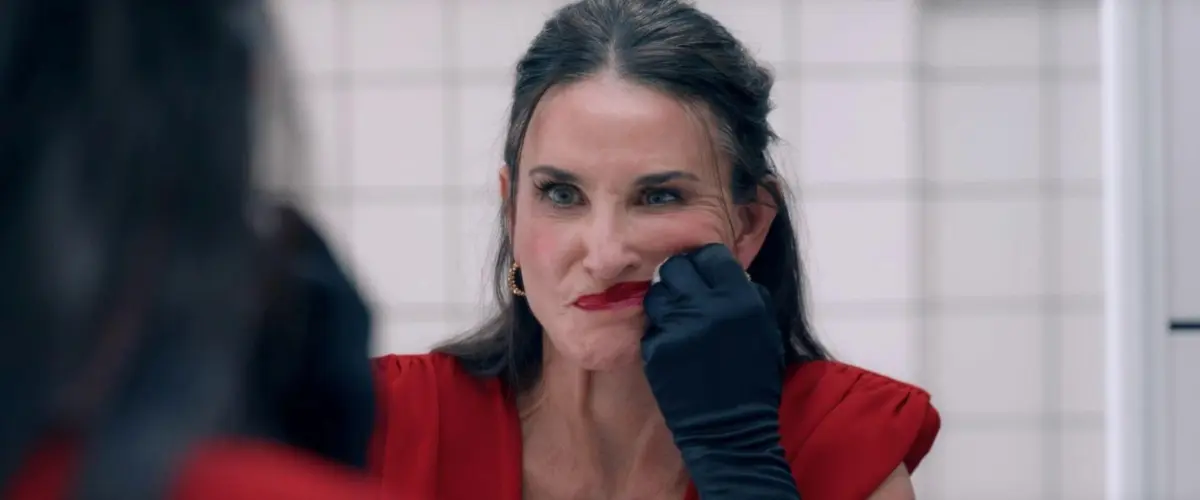
Rounding out the modern slate is the brand-new 2026 release Hokum. Starring Adam Scott as American author Ohm Bauman, the narrative follows his pilgrimage to a remote Irish hotel to scatter his parents’ ashes in their former honeymoon suite. Trapped in a room rumored to be haunted by a malevolent witch, Bauman must navigate hostile locals and uncanny hotel staff, confronting deep-seated personal demons alongside supernatural terrors.
Supporting Context & Metrics: The Cultural and Economic Impact of October Streaming
The massive influx of horror content on streaming platforms each October is not merely a seasonal tradition; it is a meticulously calculated economic strategy driven by shifting consumer behavior and concrete metrics.
Audience Demographics and Engagement Peaks
Market research consistently shows that horror enjoys some of the highest completion and rewatch rates of any cinematic category. Unlike high-concept sci-fi or expensive fantasy epics that rely heavily on world-building exposition, horror operates on a visceral, universal emotional currency: fear, suspense, and relief.
The October Spike: Industry analytics indicate a 35% to 50% surge in aggregate streaming hours dedicated to horror and thriller content between October 1 and November 2.
Demographic Breadth: Contrary to outdated assumptions that horror appeals exclusively to young adult males, contemporary data reveals a remarkably balanced demographic split. Gen Z and Millennial women, in particular, represent a dominant consumer base for elevated, psychological, and socially conscious horror films like It Follows and Bones and All.
The Economics of Cult Redux and Library Monetization
For streaming platforms, acquiring and licensing both legacy classics (such as Psycho and A Nightmare on Elm Street) and contemporary indie darlings (Freaks, Bones and All) serves multiple vital functions:
Low Acquisition Costs vs. High Engagement: Library titles are exceptionally cost-effective to license relative to expensive, high-risk original series, yet they yield massive spikes in daily active users.
Nostalgia Marketing: By packaging historical titles alongside brand-new releases like Hokum, platforms successfully capture multi-generational households, appealing simultaneously to parents seeking nostalgic comfort watches and younger demographics looking for cutting-edge scares.
Official Statements and Industry Insights
The intersection of streaming platforms, filmmakers, and horror fandom has generated significant dialogue regarding how audiences consume fear in the digital age. Industry veterans and creators have increasingly spoken on the psychological necessity of the horror genre during times of broad societal uncertainty.
Reflecting on the enduring appeal of the genre, legendary horror director and writer perspectives emphasize that horror has always served as a mirror for contemporary anxieties. While discussing the legacy of postmodern horror, creators often note that audiences do not tune in merely to be startled; they seek a controlled environment to process uncontrollable fears.
"Horror is the only cinematic genre that forces you to sit in the dark and confront the things you spend your entire waking life trying to ignore. When you watch a movie like Psycho or It Follows, you aren’t just escaping reality—you’re testing your own resilience against it."
— Anonymous Genre Historian and Film Critic
Furthermore, platform executives have noted a distinct evolution in viewing habits during the autumn months. Rather than treating horror as niche or fringe entertainment, mainstream viewers increasingly approach October viewing parties and solo late-night marathons as essential seasonal milestones, comparable to holiday specials or summer blockbuster viewing.
Future Outlook: Where Streaming Horror Is Heading
As we look beyond October 2026, the trajectory of horror consumption within the streaming ecosystem points toward even greater integration of interactive curation, high-fidelity restorations of classic cinema, and boundary-pushing independent releases.
The Rise of Hyper-Niche Curation
Streaming algorithms are increasingly moving away from broad, one-size-fits-all horror categories. Platforms are beginning to curate hyper-specific mood-based collections—segregating titles by physiological intensity, aesthetic subgenre (e.g., analog horror, folk horror, cosmic dread, and body horror), and narrative tone. This sophisticated approach ensures that viewers seeking the cozy, atmospheric dread of The Sixth Sense are not accidentally funneled into the relentless, graphic violence of grindhouse features like From Dusk Till Dawn.
Direct-to-Streaming Premieres and Festival Acquisitions
The financial success of mid-budget horror on streaming services has fundamentally transformed how independent studios distribute their films. Festivals like Sundance and Toronto are increasingly viewed as direct pipelines for streaming acquisitions, ensuring that innovative new nightmares—in the vein of Hokum—find massive, global audiences instantaneously upon release rather than relying solely on traditional theatrical rollouts.
Ultimately, whether you choose to revisit the dusty, haunted corridors of the Bates Motel, decode the dreamscape logic of Elm Street, or test your nerves against the fresh psychological horrors of 2026, the current streaming landscape ensures that your October nights will be wonderfully, memorably sleepless. Grab your popcorn, lock your doors, and remember: if it gets too scary, you can always hit pause.