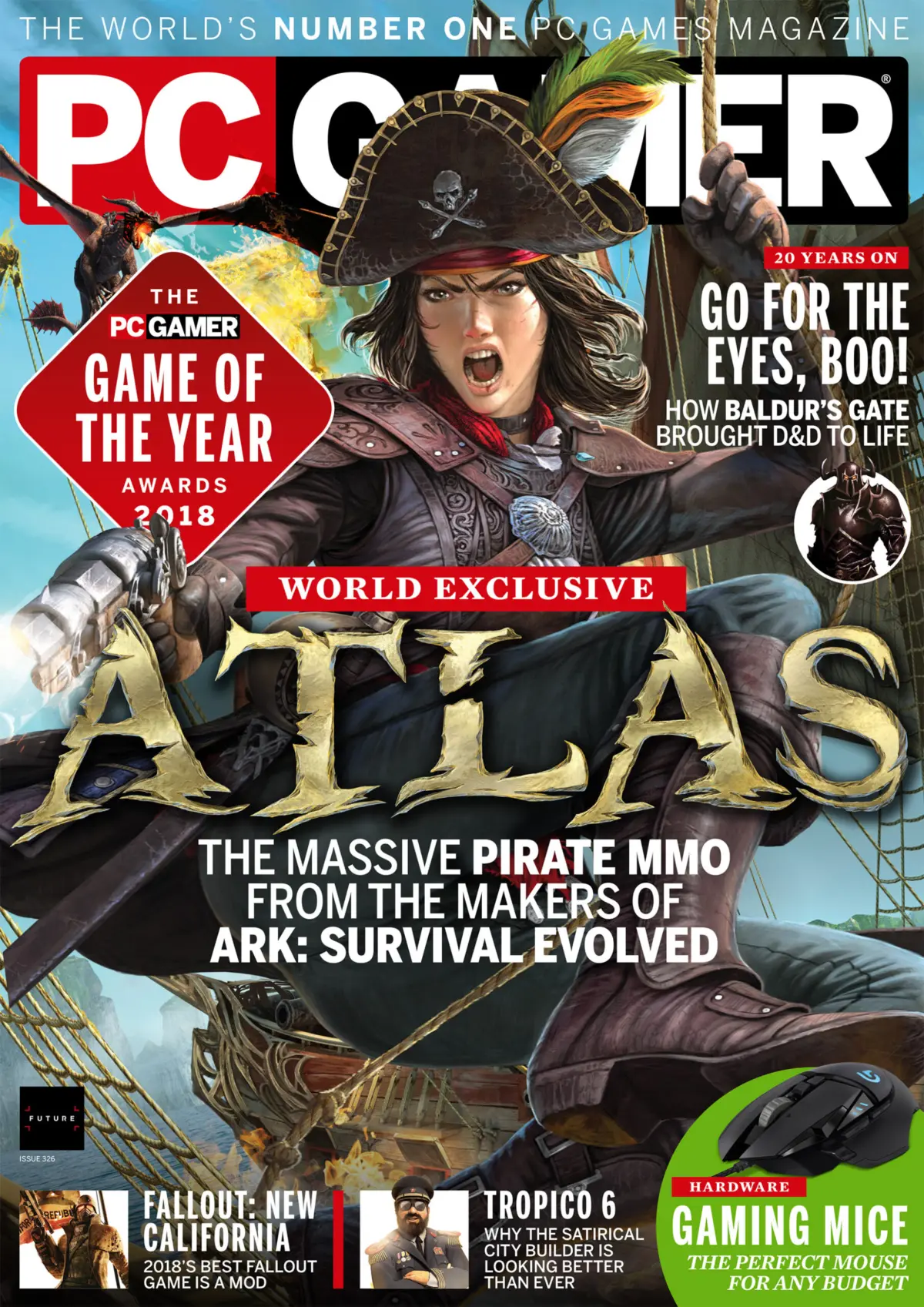
From the archives: This essay originally appeared in PC Gamer UK #326, exploring the tactile bridge between digital mechanics and physical ink. Here, we expand upon the enduring psychological phenomenon of gaming journaling in an era of hyper-digitized interfaces.
Executive Overview
In an era defined by seamless cloud integration, automated achievement tracking, and multi-monitor setups capable of displaying real-time wikis, guides, and encyclopedic lore, a curious counter-trend persists among discerning PC gamers: the humble, paper notebook.
While modern video games have evolved to handle complex physics, procedural generation, and sprawling open worlds with breathtaking graphical fidelity, they often leave a distinct sensory void. Digital gaming is largely an interaction of glass, light, and binary inputs. It is frictionless, smooth, and entirely ephemeral.
This friction-free environment is precisely why physical notebooks have staged a quiet, deeply personal renaissance. From the labyrinthine evidence boards scrawled during investigative thrillers to the frantic, caffeinated match reports penned during esports tournaments, pen and paper offer a tangible counterweight to the digital realm. This article explores the cognitive psychology, historical roots, and deeply personal rituals behind why physical note-taking remains an irreplaceable companion to the modern PC gaming experience.
Detailed Chronology: The Evolution of the Gaming Scratchpad
The intersection of physical writing instruments and interactive entertainment is as old as the medium itself, though its purpose has shifted dramatically over decades of hardware and software evolution.
The Era of Mandatory Documentation (1980s–1990s)
In the pioneering days of PC role-playing games like Wizardry, Ultima, and text-based adventures, physical notebooks weren’t an optional stylistic choice—they were an absolute survival requirement. Due to technical limitations, games lacked automated maps, quest logs, or dynamic UI elements. Players were routinely forced to construct graph-paper dungeons, record passwords manually, and map out coordinates by hand.
The Automation Shift (2000s–2010s)
As graphical user interfaces matured, developers began absorbing these administrative duties into the game code itself. Auto-mapping, waypoint systems, quest markers, and built-in codexes effectively streamlined the player experience. For a time, the physical notebook appeared destined for obsolescence, relegated to dusty desk corners alongside physical game manuals and strategy guides.
The Modern Analog Renaissance (Present Day)
Paradoxically, as games became more mathematically sophisticated and self-contained, players began consciously choosing to reintroduce analog tools. Modern games like Her Story, Return of the Obra Dinn, Tunic, and Outer Wilds do not force players to use paper, but they create mental bottlenecks that naturally overflow onto the physical page. The notebook transitioned from a functional utility forced by hardware limitations to an intentional, expressive medium used to externalize thought processes, anchor memory, and savor complex problem-solving.
Supporting Context & Metrics: The Psychology of Tactile Cognition
Why do players reach for a pen when their keyboard and mouse are already resting at their fingertips? The answer lies in cognitive science and human-computer interaction.
Cognitive Offloading and Spatial Memory
Psychological research consistently demonstrates that writing by hand engages different neural pathways than typing on a keyboard. The physical act of forming letters, drawing arrows, circling clusters of data, and physically spatializing information triggers deeper cognitive processing.
In complex deduction games, the human working memory can quickly become overwhelmed by variables. Jotting down keywords, timelines, and geographical relationships creates an external cognitive scaffold. This "offloading" frees up mental bandwidth, allowing the player to synthesize clues and make intuitive leaps that might otherwise remain obscured beneath layers of UI menus.
The Aesthetic of the Scratchpad
Unlike pristine digital text documents, a gamer’s physical notebook is a chaotic archaeological dig of a specific psychological state. Pages shift from orderly bullet points during calm exploration to frantic, illegible scrawls, exclamation-mark-heavy explosions, and arrows shooting across margins during high-stakes moments.
Consider the distinct formats these journals take across different genres:
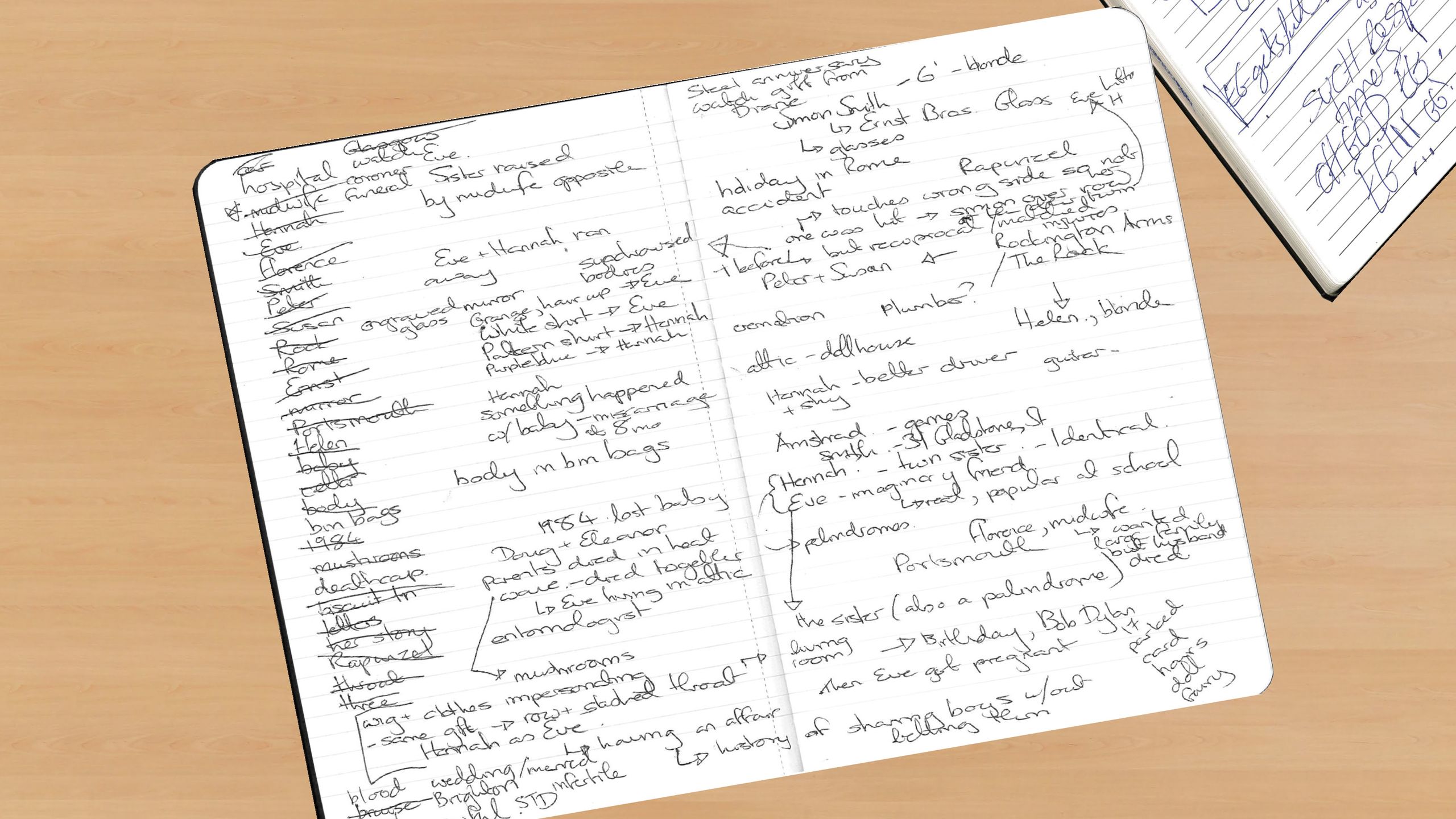
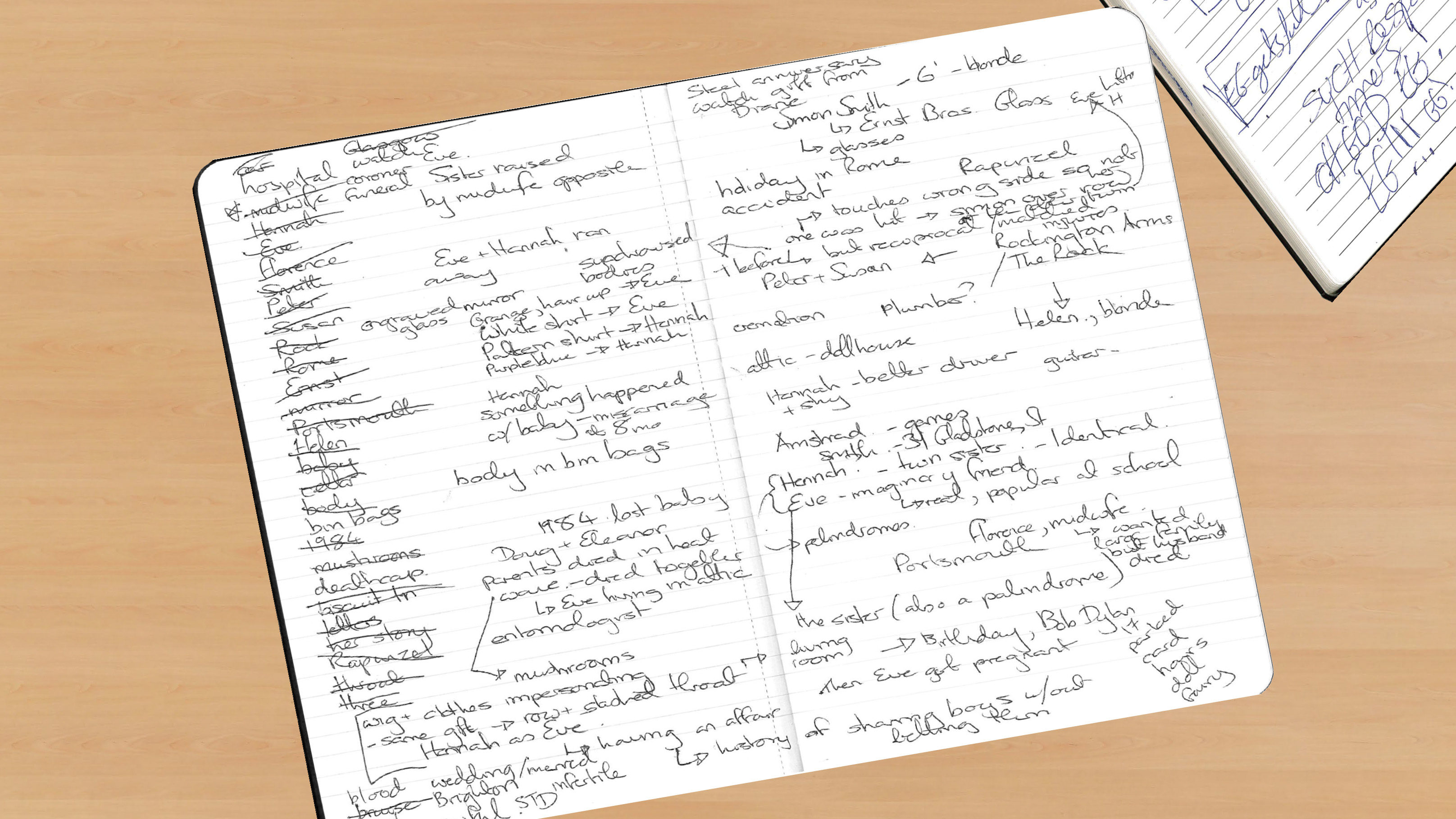
- The Detective Thriller (Her Story): Pages swell with cascading webs of keyword clusters, tracking outfit changes, locations, alibis, and peripheral oddities like forensic entomology and local folklore.
- The Deduction Puzzle (Return of the Obra Dinn): Notes transform into cipher-like matrices. Rather than sprawling narrative summaries, the pages are dominated by isolated name clusters, crossed-out eliminations, and numerical cross-references.
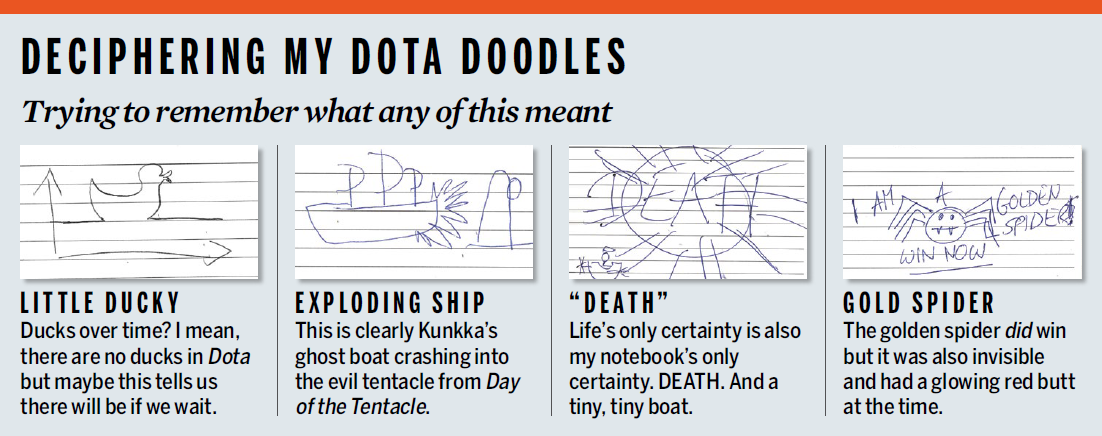
- The Esports Chronicle (Dota 2, League of Legends): Ritualistic match logs feature draft picks, bans, key item timings, and emotional exclamations scrawled down before the first horn even sounds.
Official Perspectives: The Philosophy of Play
While traditional publishers rarely release metrics on notebook usage, game designers and critics frequently champion the design philosophy that encourages physical note-taking.
Modern puzzle and mystery titles are intentionally crafted to leave "white space" in the player’s mind. When a game refuses to hold your hand or log every single clue in a tidy, automated checklist, it shifts agency back to the player. The realization that one must take matters into their own hands—literally reaching for a pen—transforms passive consumption into active investigation.
"There is an undeniable magic when a digital pursuit spills over into the physical world," notes veteran games critic and essayist. "The volume of writing and the energetic connections made on paper give visible, tactile form to the mental energy invested in a virtual space."
Designers of deduction-heavy masterpieces often design their games precisely with this behavior in mind. By withholding an all-knowing UI ledger, they trust the player to become a genuine co-author of the investigative process.
Future Outlook: Coexistence in a Hyper-Digital Age
As virtual reality, cloud gaming, and artificial intelligence continue to reshape the landscape of interactive entertainment, one might wonder if the physical notebook faces a final extinction event. Will AI-driven companion apps and contextual overlay tools render manual note-taking obsolete?
History suggests the opposite. Just as the rise of digital photography did not kill analog film—and in fact sparked a passionate artisan revival—the hyper-digitalization of modern gaming makes tactile counter-rituals all the more valuable.
As games grow increasingly complex, immersive, and mentally demanding, the desire for a grounding physical anchor will only intensify. The notebook remains a sanctuary from the relentless glow of the monitor—a place where algorithms meet ink, and where the ephemeral data of a video game is permanently anchored to the human hand that recorded it.
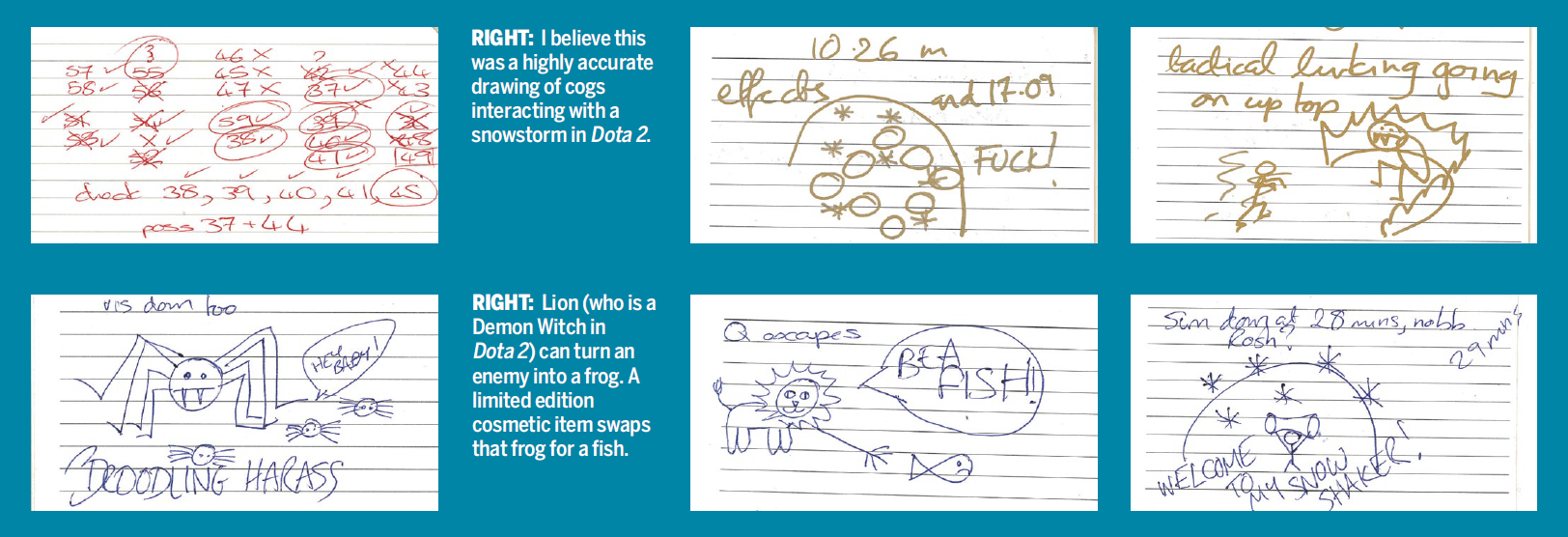
So, the next time you find yourself deep in a complex mystery or grueling tactical tournament, don’t hesitate to pull a pen from the drawer. Your future self may not be able to decipher the chaotic scrawl months later, but those ink-stained pages will forever hold the undeniable proof of an adventure truly lived.