Executive Overview
In the spring of 1977, a profound erosion of trust rippled through American society. Plagued by lingering disillusionment from the Vietnam War and deep-seated skepticism toward institutional authority—including government bodies and the medical establishment—citizens began looking for alternatives to traditional science. At the center of this cultural shift was a burgeoning, high-stakes debate over a fringe cancer treatment: laetrile, a chemical compound extracted from apricot pits and bitter almonds. Promoted by fringe groups and alternative health advocates, laetrile became a lightning rod for the era’s anti-establishment sentiment, framed not as a medical question of efficacy, but as a crusade for personal liberty and bodily autonomy.
The ensuing national controversy found its most tragic human embodiment in Chad Green, a 20-month-old toddler from Nebraska diagnosed with acute lymphoblastic leukemia. What followed was a multi-year legal war, a high-stakes interstate flight to Mexico, and a bitter custody battle between the state of Massachusetts and parents determined to pursue "metabolic therapy" over conventional chemotherapy.
Nearly five decades later, the story of Chad Green—adapted from an investigative series by the One Year podcast—remains a haunting cautionary tale. It exposes the devastating real-world human cost of medical misinformation, foreshadowing the modern-day culture wars surrounding healthcare mandates, institutional science, and parental rights versus child welfare.
Detailed Chronology: From Nebraska Diagnosis to the Mexican Underground
The Diagnosis and Conventional Hope (1977)
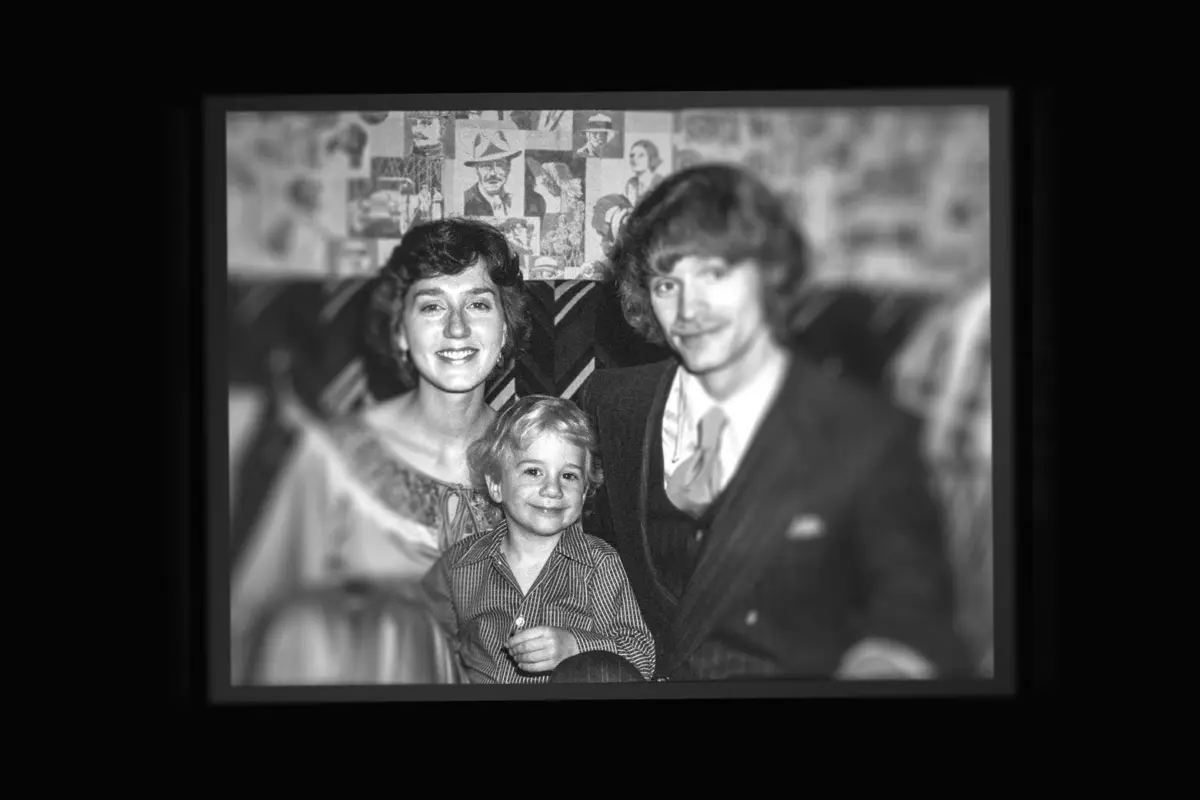
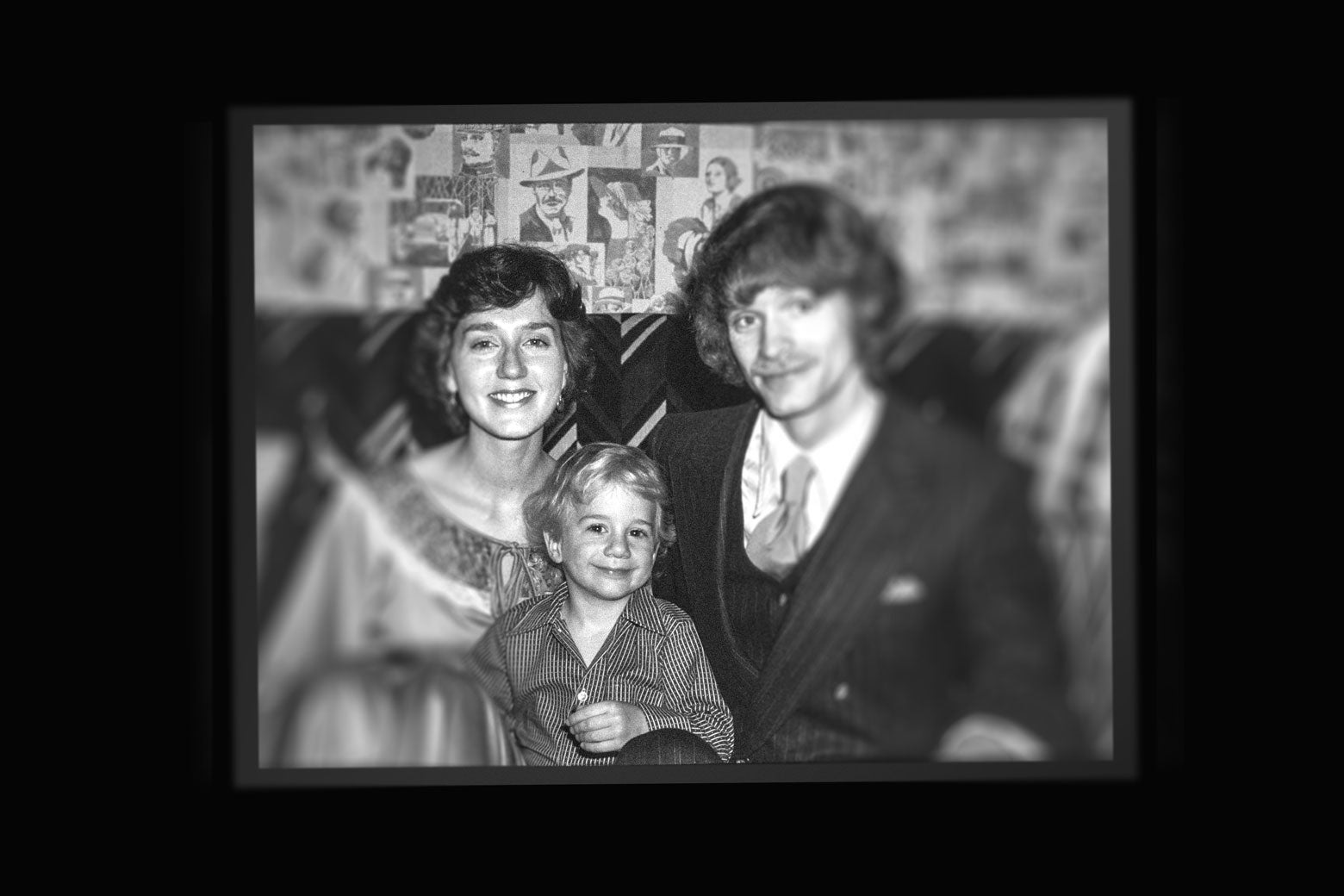
In August 1977, Diana and Jerry Green received the diagnosis every parent dreads. Their energetic, mischievous 20-month-old son, Chad, was suffering from leukemia—a cancer of the blood and bone marrow. Transported into an immediate state of clinical fear, the Greens relocated from Nebraska to Boston so Chad could be treated by Dr. John Truman, one of the nation’s top pediatric oncologists at Massachusetts General Hospital.
Dr. Truman initiated an aggressive, intensive regimen of chemotherapy, including weekly spinal injections and daily oral medications. Initially, the results were astounding. Chad’s cancer went into remission, and his hair remained intact. Dr. Truman frequently remarked that Chad was one of the healthiest-looking children in the clinic.
The Abandonment of Chemotherapy
However, as the months wore on, Diana Green grew deeply uneasy. Pore-reading hospital literature that warned of the severe, long-term toxicities of chemotherapeutic drugs, she questioned whether conventional medicine was actually killing her son. Seeking a sense of personal control, the Greens turned to alternative nutritional remedies, establishing a strict dietary regimen to counteract the side effects.
Convinced that Chad’s remission was happening in spite of the chemotherapy rather than because of it, the Greens made a fateful choice: they quietly stopped administering his chemotherapy pills. Three months later, routine blood tests confirmed every oncologist’s worst fear—Chad’s leukemia had relapsed. When Dr. Truman discovered the cessation of treatment, the medical relationship fractured irreparably.
State Intervention and Legal Warfare (1978–1979)
On February 22, 1978, the battle escalated beyond the clinic. Armed with a probate court order stemming from a "neglectful parent" petition filed by Massachusetts General Hospital, police officers arrived at the Green household to take emergency custody of the child. A legal guardian was appointed, and Chad was forcibly returned to conventional chemotherapy under strict state supervision.
The case instantly triggered a media firestorm. The Boston Globe and national news outlets turned the toddler into a household symbol known as "Laetrile Boy." While public opinion polled closely split—with roughly 54 percent of respondents siding with the Greens’ rights as parents—medical authorities remained unyielding. Dr. Truman argued that a child’s fundamental right to life supersedes parental autonomy, especially when a curative treatment path exists.
Desperate to circumvent the court orders, the Greens attended alternative health conventions in search of an escape hatch. By late 1978, they were secretly supplementing Chad’s regimen with a dangerous cocktail of metabolic therapies, including vitamin A, enzyme enemas, and laetrile.
The Midnight Flight and Exile in Tijuana (1979)
Following a two-week evidentiary hearing in late 1978 where a judge formally banned laetrile and reaffirmed state medical custody, the Greens chose defiance. On the night of January 24, 1979, backed by an underground network from the Committee for Freedom of Choice in Cancer Therapy, the family executed a meticulously planned escape.
Disguised to evade detection and utilizing staged notes to throw off local authorities, the family fled to Connecticut, boarded an overnight flight to San Diego, and crossed the border into Tijuana, Mexico. There, at an alternative medical clinic, Chad was placed exclusively on laetrile and unregulated metabolic therapies, far away from Massachusetts courts and state-mandated chemotherapy.
For several months, the Greens basked in their perceived victory, parading Chad’s seemingly energetic public appearances across American television screens, including The Phil Donahue Show. But the reprieve was an illusion.
The Tragic Demise
By September 1979, Chad’s health deteriorated rapidly. Lethargic, unable to eat, and suffering from systemic relapse, the toddler’s condition mirrored his original diagnosis. On October 12, 1979, after pointing out a window and asking his mother to help him "go out there," three-year-old Chad Green passed away in Mexico.
Following his death, Diana and Jerry Green returned to Massachusetts to face justice. A sympathetic judge found them guilty of contempt in 1980 but declined to impose a prison sentence, noting that the loss of their child was punishment enough.
Supporting Context & Metrics: The Sociopolitical Landscape of Laetrile
To understand why thousands of Americans embraced laetrile—a substance widely denounced by the scientific mainstream as dangerous quackery—one must examine the socio-political undercurrents of the 1970s.
- The War on Cancer: Declared by President Richard Nixon in 1971, the initial phase of the federal "War on Cancer" yielded slow, frustrating progress, leading to widespread public skepticism regarding federal health initiatives.
- The Rise of Alternative Health: The decade saw a massive cultural pivot toward self-care, dietary management, jogging, and acupuncture. Concurrently, the women’s liberation movement popularized the ethos that individuals "know their own bodies" and should reject paternalistic medical directives.
- The Political Coalition: The push to legalize laetrile was spearheaded by ultra-conservative political organizations like the John Birch Society, which leveraged anti-FDA sentiment. Interestingly, this movement forged a bizarre political coalition, utilizing legal precedents from Roe v. Wade to argue that bodily autonomy extended to patient-selected cancer treatments.
- Legislative Spread: Despite definitive warnings from the FDA and the National Cancer Institute, 27 states ultimately passed legislation legalizing laetrile use by the late 1970s, reflecting immense populist pressure over scientific consensus.
| Metric / Indicator | Historical Data / Context (Late 1970s) |
|---|---|
| Childhood Leukemia Survival Rate | Rose to approximately 50% and climbing due to aggressive chemotherapy breakthroughs. |
| State Legalization of Laetrile | Legalized in 27 states via bipartisan legislation driven by public demand. |
| Public Polling on Laetrile Rights | Up to 87% of polled Americans supported freedom of choice regarding cancer therapies in 1977. |
| National Cancer Institute Study (1982) | Concluded definitively that laetrile possessed zero therapeutic value in treating cancer. |
Official Statements and Institutional Perspectives
The ideological chasm between individual liberty and medical paternalism was defined by sharp rhetoric from key figures on both sides of the aisle:
- Dr. John Truman (Attending Pediatric Oncologist): Reflecting on the agonizing custody battle decades later, Dr. Truman emphasized the fundamental ethical boundary of child welfare:
"Parents’ rights are only up to a point. The child has its own rights. It is his right to life, and his right to life has greater meaning than the parents’ right to decisions regarding their child."
- Diana Green (Mother of Chad Green): In her 2007 reflective memoir, Diana offered a stark, heartbreaking public warning to other parents tempted by alternative health propaganda:
"Do not become a victim of your own fear or the deceptive tactics of false practitioners… Do not negate your doctor’s advice, or any medication that is prescribed for you, unless that option has failed."
- Donald Kennedy (FDA Commissioner, Senate Hearing, July 1977): Expressing righteous indignation at the exploitation of desperate patients:
"If I sound a little angry, it’s because I am. My anger derives from the sympathy I feel for those cancer patients who turn to laetrile. They are being victimized twice—once by their disease, and once by the profiteers."
Future Outlook: Echoes in Modern Healthcare and Misinformation
The collapse of the laetrile movement occurred swiftly in the early 1980s. Following the death of high-profile cultural figures like actor Steve McQueen (who also succumbed to lung cancer in Mexico after pursuing laetrile in 1980) and the definitive 1982 National Cancer Institute study proving laetrile’s absolute worthlessness, public support evaporated. The U.S. Supreme Court unanimously upheld the federal ban on interstate laetrile sales.
Yet, historians argue that dismissing the laetrile crisis as a localized historical anomaly is a dangerous mistake. As legal scholar and author Mary Ziegler notes, the foundational distrust of institutional science, government regulatory bodies, and medical professionals sown in the 1970s never truly receded.
In the 21st century—marked by widespread health misinformation, vaccine hesitancy, and public skepticism during global health crises—the ghost of Chad Green lingers. The fundamental tension remains unresolved: How society balances individual freedom of choice with the collective duty to protect vulnerable patients—particularly children—from the fatal consequences of unverified medical misinformation.