Executive Overview
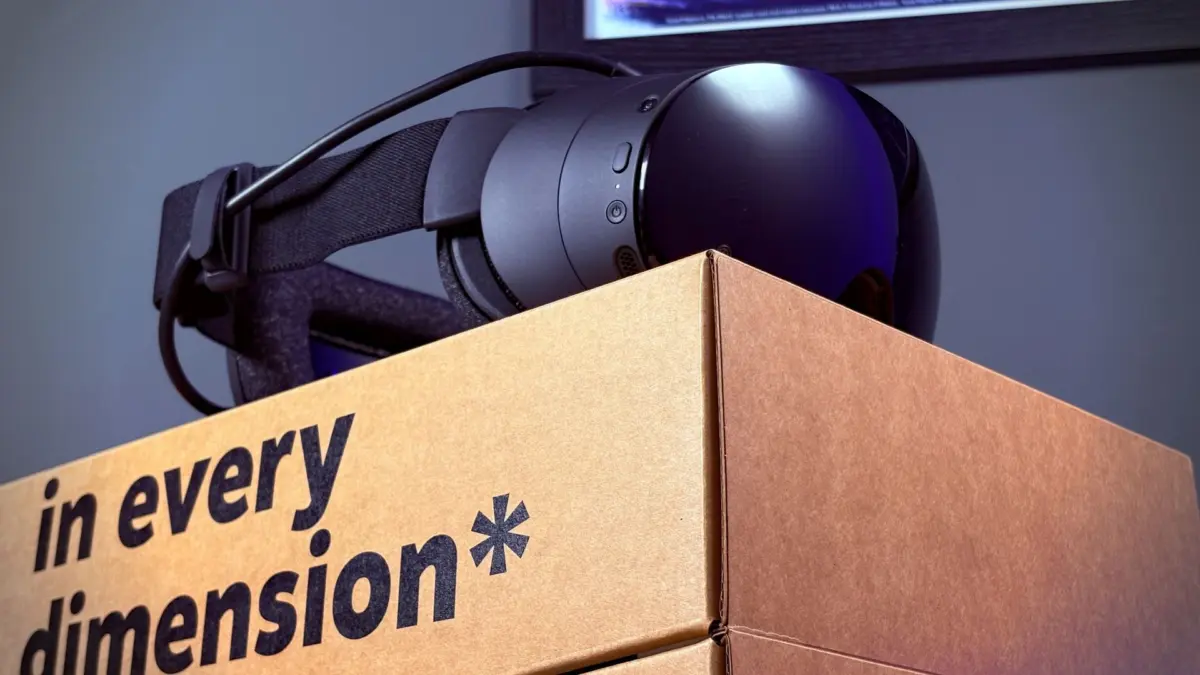
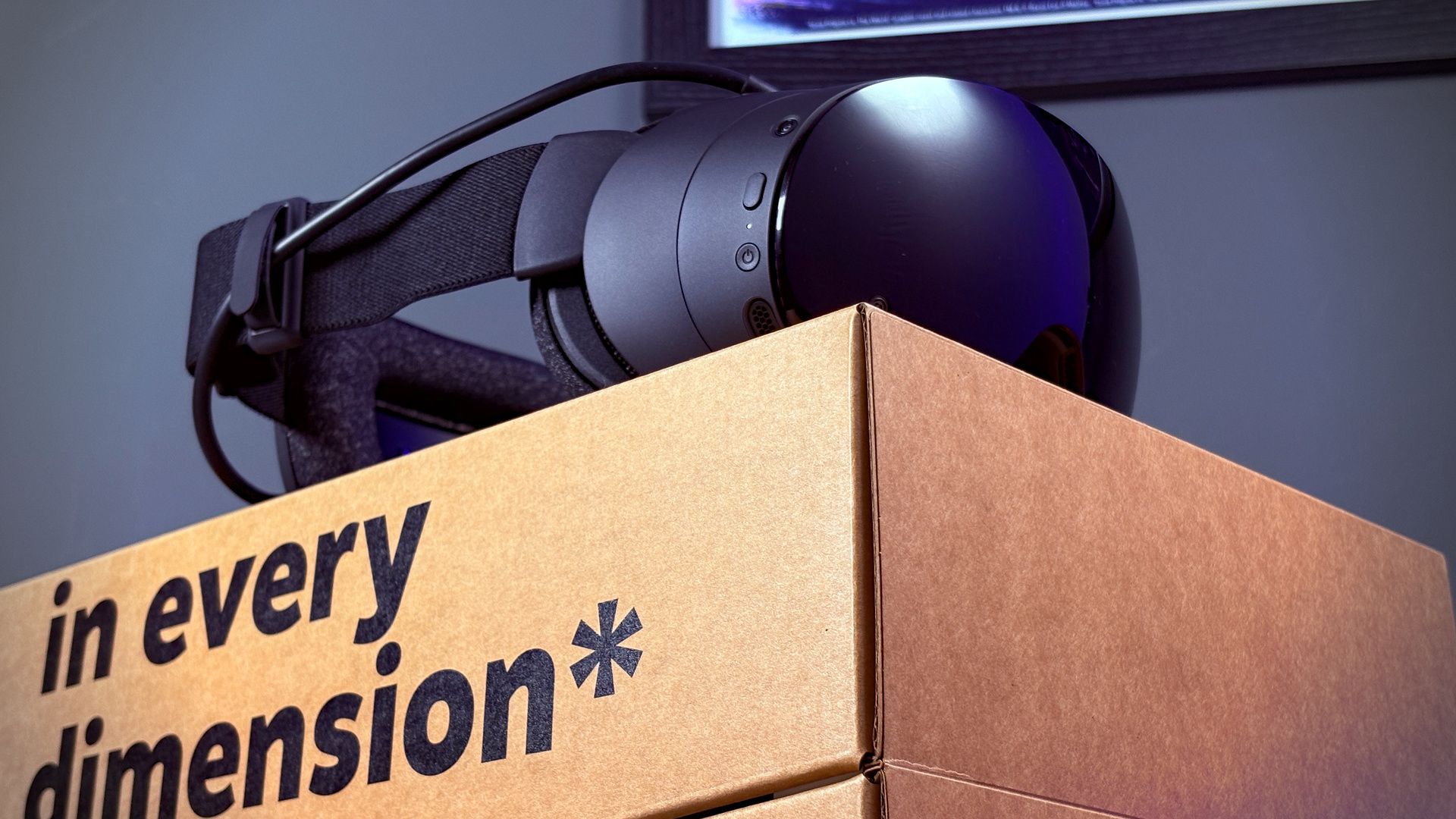
In the ever-evolving landscape of virtual reality and PC hardware, few product launches generate as much fervent anticipation—or as much financial intimidation—as Valve’s high-end hardware ecosystems. Since its official rollout in September, Valve’s cutting-edge wireless VR headset, the Steam Frame, has captivated enthusiasts worldwide. Boasting state-of-the-art untethered tracking, high-fidelity optics, and seamless Steam integration, it has fast become the object of desire for virtual reality aficionados.
However, reality often clashes with aspiration. With a starting price point of $1,059, the Steam Frame remains firmly out of reach for a significant portion of the PC gaming community. For veterans of other platforms, such as the PlayStation VR2, admiring Valve’s latest engineering marvel from afar has become an exercise in quiet longing.
Enter the ingenuity of the PC gaming homebrew community. Proving once again that passion can bridge even the widest economic gaps, Reddit user Kebakent has developed a custom Windows screensaver that brings the Steam Frame directly to everyday desktop monitors. Dubbed FrameBounce, this lightweight, open-source project features official Valve artwork of the headset and its accompanying controllers bouncing endlessly across the screen—reminiscent of the classic, hypnotic DVD logo screensavers of yesteryear.
More than just a novelty, this viral project underscores the unique relationship between Valve and its community—one characterized by open-source collaboration, official blessing for non-commercial fan projects, and a shared, self-deprecating sense of humor in the face of premium hardware pricing.
Detailed Chronology: From Hardware Launch to Desktop Homage
The journey leading to the creation of the FrameBounce screensaver is rooted in a series of strategic moves by Valve and a passionate community caught in the crossfire of high-end hardware economics.
September: The Launch and Price Barrier
Valve officially launched the Steam Frame in September, following a closely watched reservation lottery that saw thousands of eager fans clamor for allocation slots. Positioned as a generational leap in wireless VR, the headset debuted with a baseline price tag of $1,059. While reviewers praised its untethered freedom and technical prowess, the steep cost immediately polarized potential adopters, spawning communities on Reddit dedicated to tracking stock, analyzing leaks, and—most importantly—coping with the financial barrier to entry.
The Rise of the "Steam Frame" Subreddit
As enthusiasts formed dedicated online hubs to discuss the hardware, the community developed a distinctive subculture. Users began classifying themselves based on their purchasing status, while others drowned their sorrows in memes. The collective desire for the hardware created a fertile ground for creative, low-cost tributes.
The Birth of FrameBounce
Seeking a way to bring the headset closer to home without parting with a month’s rent, developer and Reddit user Kebakent took matters into their own hands. Utilizing official promotional artwork provided with Valve’s consent, Kebakent engineered a Windows screensaver application (.scr) that renders the Steam Frame and its controllers drifting and bouncing across desktop displays.
Shared via a viral Reddit post and hosted openly on GitHub, the project quickly captured the imagination of the community. It offered a delightfully ironic solution for users jokingly trying to convince themselves that watching a 2D rendering of a headset on a 1080p monitor is "virtually" the same as owning the real thing.
Supporting Context & Metrics: Valve’s Open-Source Philosophy
What sets this screensaver apart from typical copyright-infringing fan projects is Valve’s uniquely permissive approach to intellectual property, user-generated content, and community modifications.
The Economics of VR Accessibility
At $1,059, the Steam Frame occupies the enthusiast tier of the VR market, sitting alongside high-end enterprise and boutique PC headsets. For comparison, mainstream console-tethered or budget PC-VR headsets typically hover in the $400 to $600 range. This pricing reality divides the market into two distinct groups: those who can comfortably invest in cutting-edge ecosystems, and a much larger demographic of "so-called Steam Frame-less" gamers who must content themselves with living vicariously through reviews, streams, and community mods.
Valve’s CAD and IP Policies
Valve has long fostered a culture of hardware hacking and homebrew innovation. This philosophy was thrown into sharp relief just prior to the screensaver’s release, when Valve took the unprecedented step of releasing complete CAD files for the Steam Frame free of charge. Distributed under a Creative Commons Attribution-NonCommercial-ShareAlike license, these files empowered 3D printing enthusiasts and hardware modifiers to design custom accessories, ergonomic adjustments, and—in true internet fashion—"unholy" hybrid creations.
This permissive licensing structure extends beyond the headset itself. Valve previously released CAD files for the Steam Controller and its accompanying tracking puck under identical terms.
Kebakent’s screensaver benefits directly from this cooperative ethos. Confirming that Valve granted explicit permission to use the hardware artwork for a non-commercial, open-source endeavor, the developer encapsulated the community-first spirit that has defined Valve’s hardware hardware journey—from the custom boot animations of the Steam Deck to the latest desktop novelties.
Official Statements and Technical Specifications
For those looking to install the FrameBounce screensaver on their Windows rigs, the project is structured with developer-friendly transparency.
Developer Insights and Customization
According to Kebakent’s documentation on GitHub, the screensaver was built with user customization in mind, ensuring it can fit seamlessly onto any desktop setup without bogging down system resources. Key features include:
- Configurable Parameters: Users can adjust object size, movement speed, rotation speed, and overall display brightness to suit their aesthetic preferences.
- Open-Source Accessibility: Released under the MIT license, the project’s source code is fully accessible, allowing other developers to inspect, modify, or build upon the code.
- Plug-and-Play Simplicity: The GitHub repository includes a ready-to-run
.scrfile, bypassing complex installation procedures for everyday users who simply want the screensaver running within minutes.
Valve’s Stance on Community Creativity
While Valve has not issued a formal corporate press release regarding the FrameBounce screensaver specifically, the company’s history of endorsing non-commercial community projects speaks volumes. By permitting creators to utilize official brand assets under strictly non-commercial frameworks, Valve successfully converts fan longing into organic brand engagement, turning desktop displays into rolling billboards for its hardware ecosystem.
Future Outlook: The Intersection of Community Humor and Hardware Innovation
As the virtual reality market matures, the gap between what is technologically possible and what is economically accessible will likely remain a defining tension for consumers. Products like the Steam Frame represent the bleeding edge of untethered immersion, but their four-figure price tags ensure that grassroots humor and DIY coping mechanisms will remain vital fixtures of internet culture.
Projects like FrameBounce do more than just provide a humorous desktop distraction for budget-conscious gamers; they highlight the resilience and creativity of hardware communities. Whether it is designing custom boot animations for the Steam Deck, 3D-printing cursed controller mods from official CAD files, or coding bouncing-logo screensavers for unobtainable VR headsets, the PC gaming community continues to find joy in the margins.
For now, users without a $1,059 headset can take solace in knowing that their monitors can at least simulate the existential dread of watching an expensive piece of tech drift endlessly across their screens—never quite hitting the corners, much like the dream of owning one on a budget.