Executive Overview
More than a decade has passed since the gaming world was reshaped by the release of The Witcher 3: Wild Hunt, a monumental achievement in open-world role-playing games that set a new benchmark for storytelling, world-building, and player agency. Since that 2015 masterpiece, fans of CD Projekt Red’s grimdark fantasy universe have navigated a long, sometimes agonizing drought of mainline content. While the studio expanded the franchise through spin-offs, card games, and a critically acclaimed Netflix television adaptation, the core audience has eagerly awaited news regarding the next major chapter in the saga.
That wait now has a definitive, if distant, horizon. Speaking directly to the community via a video update published on social media, CD Projekt Red Joint-CEO Michał Nowakowski officially confirmed that the studio is targeting a 2028 release window for The Witcher 4 (currently known under its codename Project Polaris).
While a four-year wait may test the patience of a community that has already waited over ten years, Nowakowski offered a pragmatic plea to the fanbase: "I know it’s a bit of a wait, and you’d love to play it sooner, but let the team cook."
This announcement arrives alongside fresh developments regarding the franchise’s immediate future. CD Projekt Red has also confirmed a major upcoming expansion for The Witcher 3: Wild Hunt titled Songs of the Past, slated for a 2027 release, which will receive a prominent showcase and potential "surprises" during the upcoming Gamescom convention. However, it is the grand vision for the next trilogy—and the logistical hurdles required to achieve it—that has captured the attention of industry analysts and gamers alike.
Detailed Chronology: From Wild Hunt to Project Polaris
To fully understand the gravity of CD Projekt Red’s 2028 projection, it is necessary to retrace the timeline of the studio’s flagship intellectual property and the tumultuous development cycles that have defined its recent history.
The Legacy of The Witcher 3 (2015)
When The Witcher 3: Wild Hunt launched in May 2015, it served as the culmination of a journey that began with the modest, PC-exclusive release of the original The Witcher in 2007, followed by the critically lauded The Witcher 2: Assassins of Kings in 2011. The trilogy established CD Projekt Red as a premier Western RPG developer, capable of competing with industry giants like BioWare and Bethesda.
The Cyberpunk Interlude (2020–2023)
Following the conclusion of The Witcher 3 and its massive expansions, Hearts of Stone and Blood and Wine, CD Projekt Red pivoted its primary development muscle toward its futuristic sci-fi epic, Cyberpunk 2077. The rocky, highly publicized launch of Cyberpunk 2077 in December 2020 forced a profound internal restructuring at CDPR. The studio had to spend years rehabilitating the game’s reputation through exhaustive patches, culminating in the critically acclaimed Phantom Liberty expansion and Update 2.0 in late 2023.
During this period, details about the future of The Witcher franchise trickled out slowly. In March 2022, CD Projekt Red officially announced that a new saga in the franchise was in development on Unreal Engine 5, moving away from the proprietary REDengine that powered both The Witcher 3 and Cyberpunk 2077. Codenamed Project Polaris, this game was positioned as the first entry in an entirely new trilogy.
The Shift in Release Windows (2024–2026)
As development on Project Polaris ramped up, leadership remained cagey about concrete release dates. Earlier scheduling indicators suggested that CDPR did not plan to push The Witcher 4 out the door by the end of 2026—a wise acknowledgment given the industry’s post-pandemic trend of prolonged development cycles.
However, until Nowakowski’s August 2026 video address, fans lacked an official anchor for when they might step back onto the Path. By confirming the 2028 target, CD Projekt Red has provided a clear marker, giving the development team ample runway to build the game on modern hardware without resorting to the intense crunch culture that marred the studio’s past releases.
Supporting Context & Metrics: The Six-Year Trilogy Strategy
The revelation of a 2028 release window for The Witcher 4 is uniquely fascinating when analyzed alongside CD Projekt Red’s broader corporate strategy for the franchise’s future.
An Unprecedented Triple-A Pipeline
CDPR has previously stated an extraordinarily ambitious goal: to release an entire trilogy of new Witcher games within a six-year window.
- The Witcher 4 (Project Polaris): Targeted for 2028.
- The Witcher 5 & 6 (Project Orion / Polaris sequels): Hypothetically slated to follow in rapid succession, which could see The Witcher 6 arriving as early as 2034 if the studio’s internal roadmap holds true.
To put this ambition into perspective, consider historical industry metrics:
- The original trilogy (The Witcher, The Witcher 2, and The Witcher 3) took eight years to release (2007 to 2015).
- Modern AAA game development has grown exponentially more complex, expensive, and time-consuming. Transitioning to Unreal Engine 5 was intended, in part, to streamline development and allow multiple teams to work concurrently on subsequent entries without waiting for foundational engine tech to be built from scratch.
Industry Skepticism and Reality Checks
Despite the technological advantages of Unreal Engine 5, financial analysts and industry veterans have expressed skepticism regarding CDPR’s six-year trilogy timeline. Game development timelines have notoriously stretched across the board; it is increasingly common for AAA sequels to require five to seven years of dedicated production per game.
If The Witcher 4 slips past its 2028 target—a scenario that has become almost routine in modern game development—the entire domino effect of the subsequent trilogy timeline would inevitably shift. Furthermore, CD Projekt Red is simultaneously managing multiple other major projects, including Project Orion (the sequel to Cyberpunk 2077) and Project Sirius (a multiplayer-focused Witcher spin-off), placing immense pressure on the studio’s resource allocation and workforce management.
Official Statements & Immediate Horizons: Songs of the Past
While The Witcher 4 remains the long-term crown jewel of CDPR’s pipeline, the immediate future holds a surprise for fans still enamored with the adventures of Geralt of Rivia.
The Return of Geralt in Songs of the Past
Announced in May 2026, Songs of the Past is an unexpected, substantial expansion for The Witcher 3: Wild Hunt. Designed to bridge the gap for veterans of the 2015 classic, the DLC will offer an all-new narrative adventure featuring Geralt of Rivia.
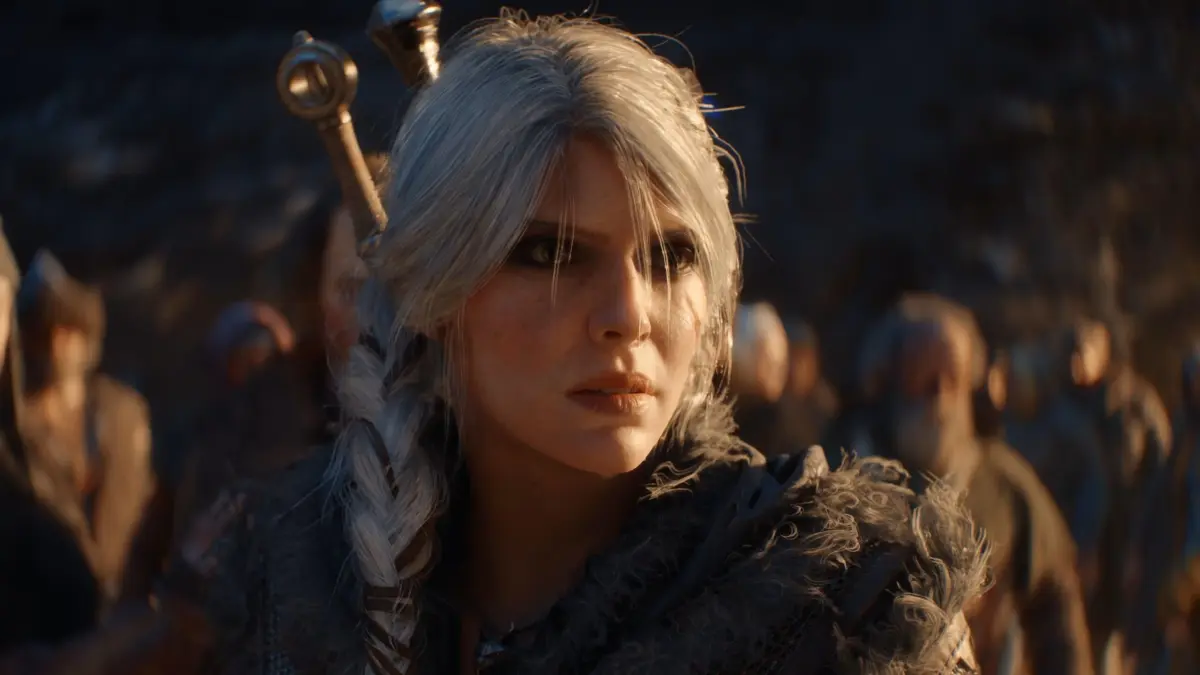
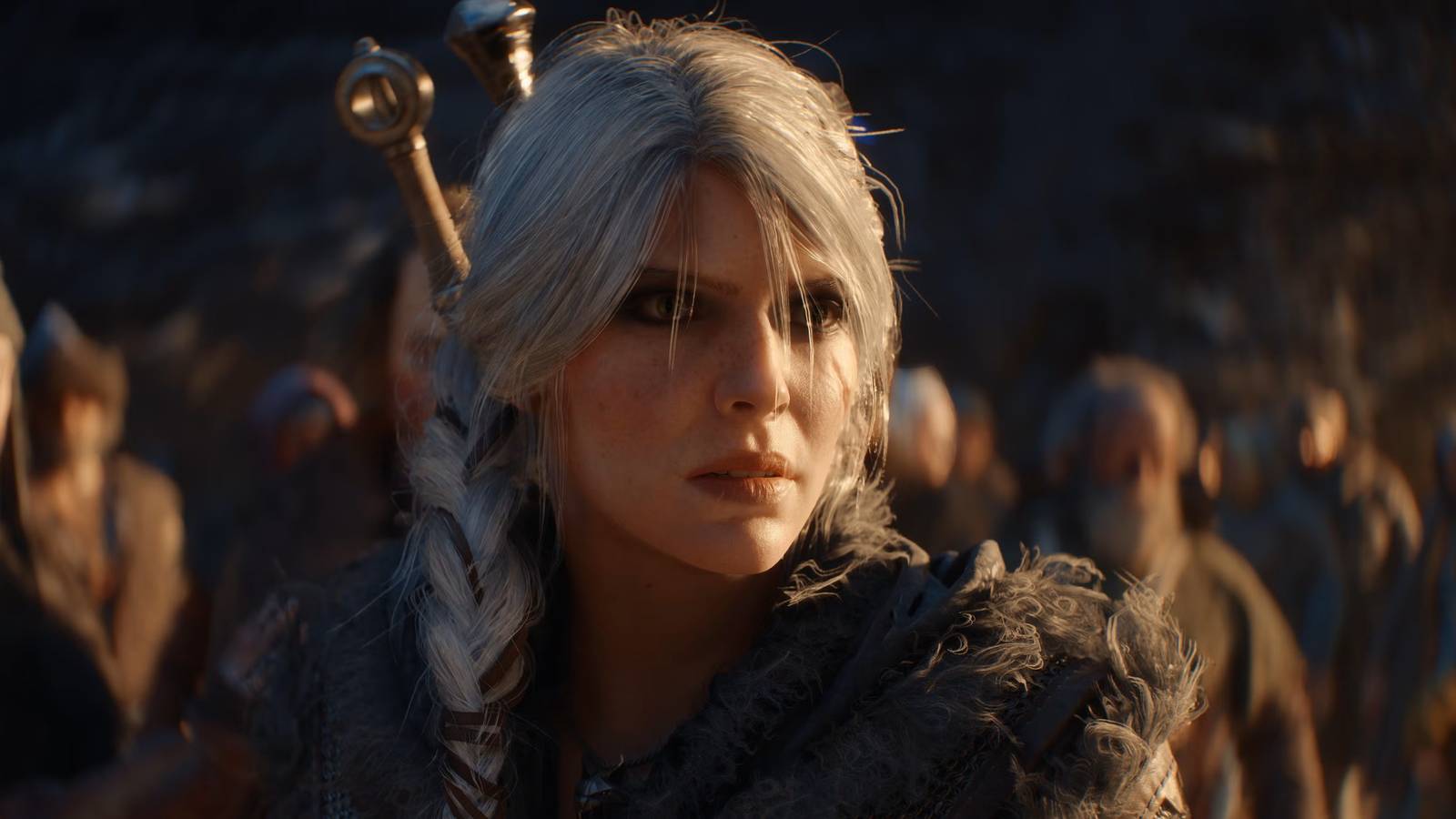
This is particularly notable given the narrative direction of The Witcher 4. Promotional materials and early teaser imagery—such as the medallion and promotional key art featuring Ciri—strongly indicate that The Witcher 4 will shift its protagonist focus to Ciri, pushing Geralt into a secondary or advisory role. Songs of the Past, therefore, acts as a fitting swan song for the legendary Witcher before the mantle is officially passed.
Gamescom 2026 Teasers
Michał Nowakowski’s video update also served to hype up CD Projekt Red’s presence at Gamescom. The studio is set to showcase Songs of the Past extensively during the convention week. Beyond the planned gameplay demonstrations and deep-dive panels, Nowakowski tantalizingly teased "a surprise or two" for the studio’s scheduled livestreams.
Speculation across community forums ranges from a shadow-drop or closed beta announcement for the DLC to unexpected cross-media reveals related to the Netflix series or animated spin-offs. Regardless of the exact nature of the surprise, CDPR is clearly utilizing Gamescom to keep fan engagement high while the main development team heads down for the final stretch of Project Polaris production.
Future Outlook: What Lies Ahead for the Continent
As the gaming industry looks past the mid-2020s, CD Projekt Red stands at a crucial crossroads. The ghosts of Cyberpunk 2077‘s launch have largely been exorcised, replaced by a renewed sense of trust earned through diligent post-release support and transparent corporate communication.
The 2028 target for The Witcher 4 provides a structured focal point for this renewed era. It suggests a mature, risk-aware leadership team that recognizes the value of patience—both from the consumer base and within the corporate boardroom. By telling fans to "let the team cook," Nowakowski is signaling a cultural shift away from forced holiday deadlines and toward quality-assured delivery.
However, the stakes could not be higher. The Witcher 3: Wild Hunt is widely regarded as one of the greatest role-playing games ever made. The pressure on The Witcher 4 to match or exceed that legacy—while successfully launching a brand-new engine, a new protagonist, and a sprawling multi-game trilogy architecture—is monumental.
Over the next two years, as Songs of the Past arrives in 2027 to satisfy immediate cravings, all eyes will remain fixed on CD Projekt Red. Whether the studio can successfully execute its ambitious 2028 vision without succumbing to the development hell that frequently plagues modern AAA blockbusters remains the defining question for the future of the Continent.