At major industry events like Gamescom, a familiar dynamic usually plays out on the showroom floor: a developer or a public relations representative attempts to passionately convince cynical journalists that a thoroughly unremarkable, derivative game is actually a groundbreaking paradigm shift. However, the hands-on demo for Nekome: Nazi Hunter—developed by ProbablyMonsters—inverted this traditional press interaction entirely.
While playing the demo, this writer found the experience strikingly bold, contextually relevant, and politically charged. Yet, in the post-demo debrief, the studio representatives were surprisingly eager to insist that the game was entirely apolitical, possessing no grand ideological statement or contemporary allegory.
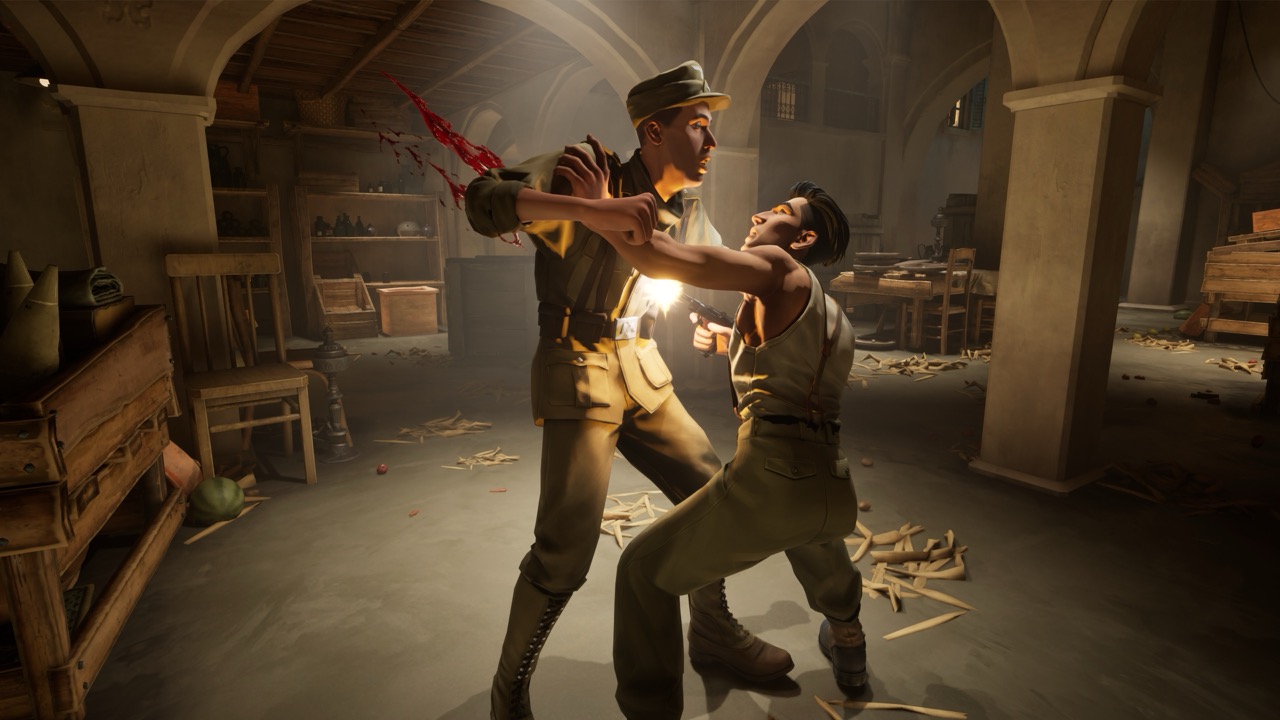
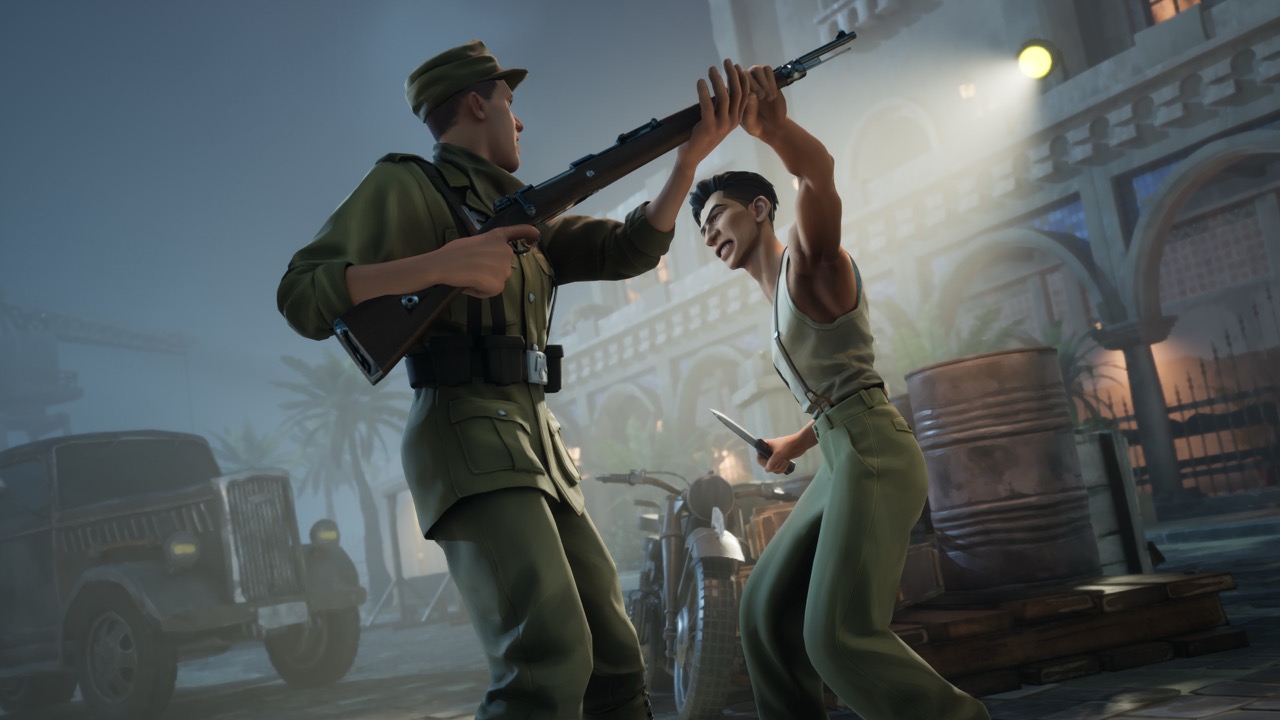
Nekome: Nazi Hunter is an unapologetic, grindhouse-style action game that tracks the bloody path of Vano, a young Romani protagonist whose family was slaughtered in an act of brutal, senseless Nazi violence. Armed with knives, improvised weapons, and an unyielding, righteous fury, Vano carves his way through high-society European SS banquets and domestic American fascist cells alike. Mechanically, the game exhibits the classic rough edges of a mid-tier indie passion project—blending clunky animations, stiff camera tracking, and jagged combat loops. Yet stylistically, it oozes cinematic flair, drawing explicit inspiration from exploitation cinema and revenge narratives like Quentin Tarantino’s Inglourious Basterds.
This comprehensive report explores the mechanics, narrative ambition, stylistic choices, and the curious paradox of a video game developer adamantly denying the inherent politics of a title explicitly centered around the systematic slaughter of fascists during a global resurgence of far-right extremism.
Detailed Chronology: Going Hands-On with the Gamescom Demo
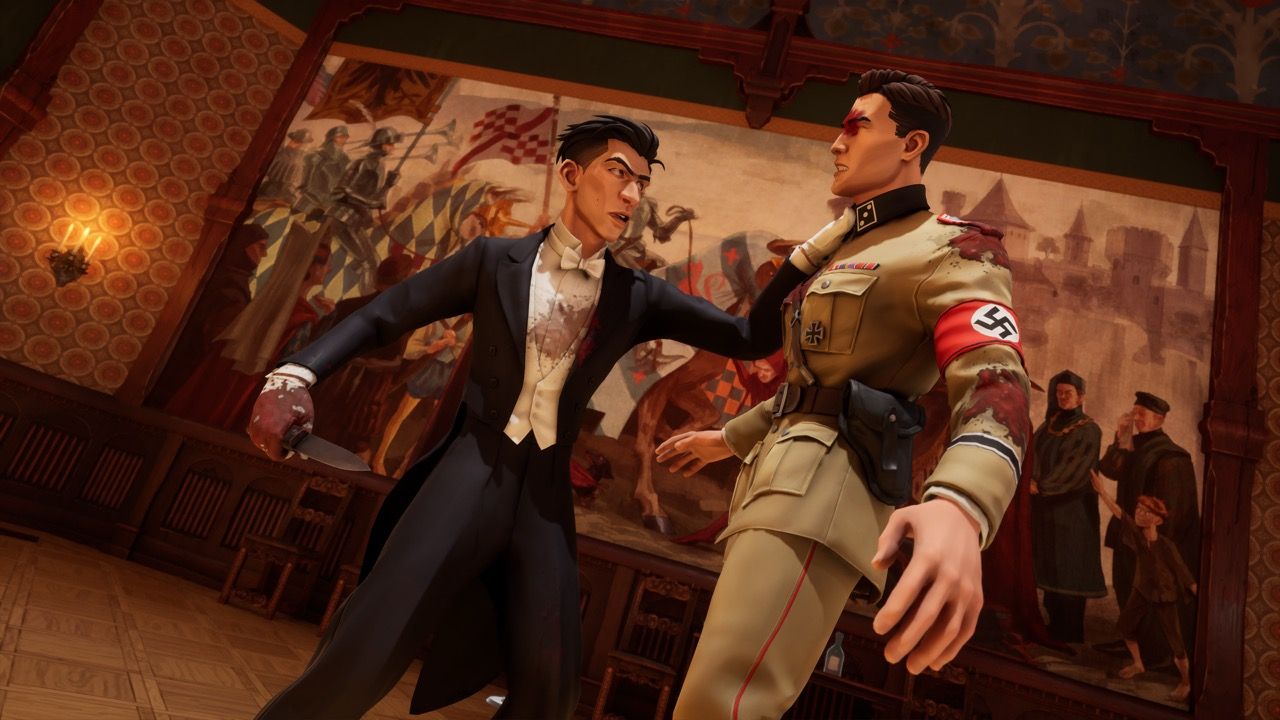
The Nekome: Nazi Hunter demo immediately sets a high-octane, visceral tone that refuses to pull its punches. The opening sequence drops the player into a lavish, opulent European dining hall. The room is filled with the Nazi haut-monde—an assemblage of uniform, chisel-jawed party officials laughing, clinking glasses, and cheerfully discussing the logistics of European death camps and the inevitable global supremacy of the Aryan race.
Amidst this sea of arrogant white supremacy stands a single stark contrast: a meek, dark-haired and dark-skinned waiter moving quietly among the tables. As the lead Nazi official concludes a grand, self-congratulatory speech, the waiter steps forward, removes the silver cloche from a serving platter, and reveals the freshly severed head of a Wehrmacht officer.
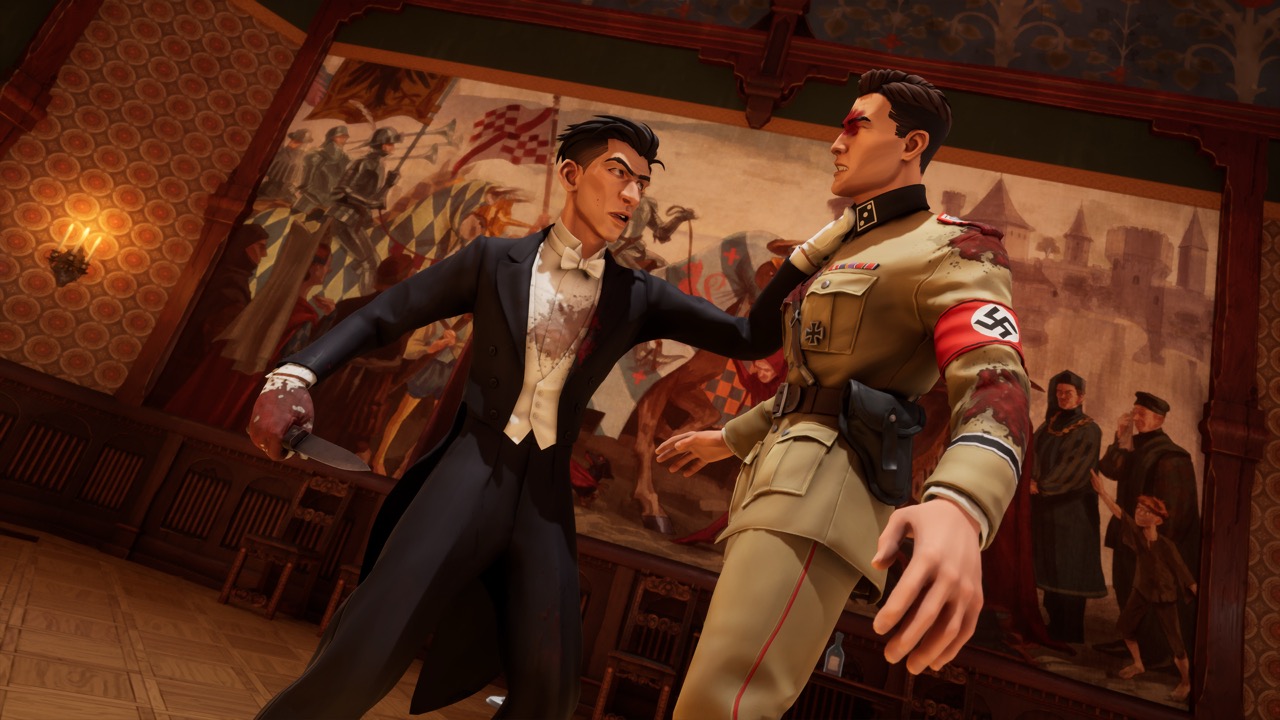
The subversion is instantaneous. Under the player’s control, the meek waiter transforms into Vano. Wielding a concealed blade, the player proceeds to systematically slaughter every unarmed Nazi in the room in a sequence of sudden, brutal violence.
Expanding the Theater of War: Taking the Fight to America
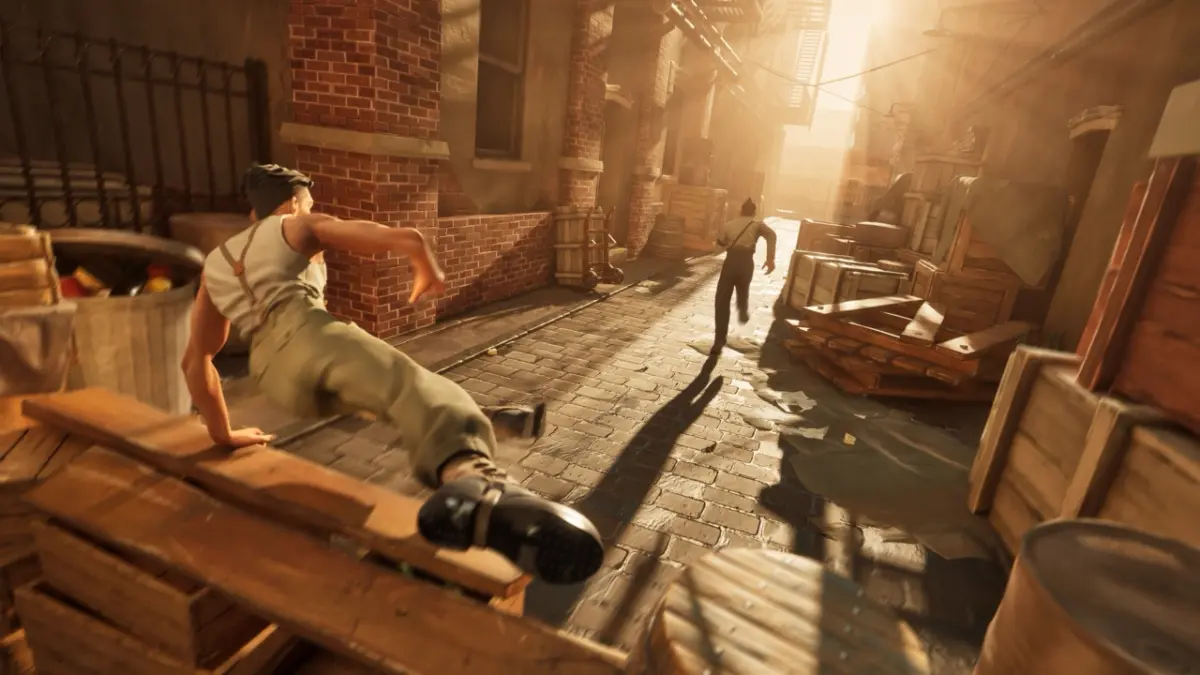
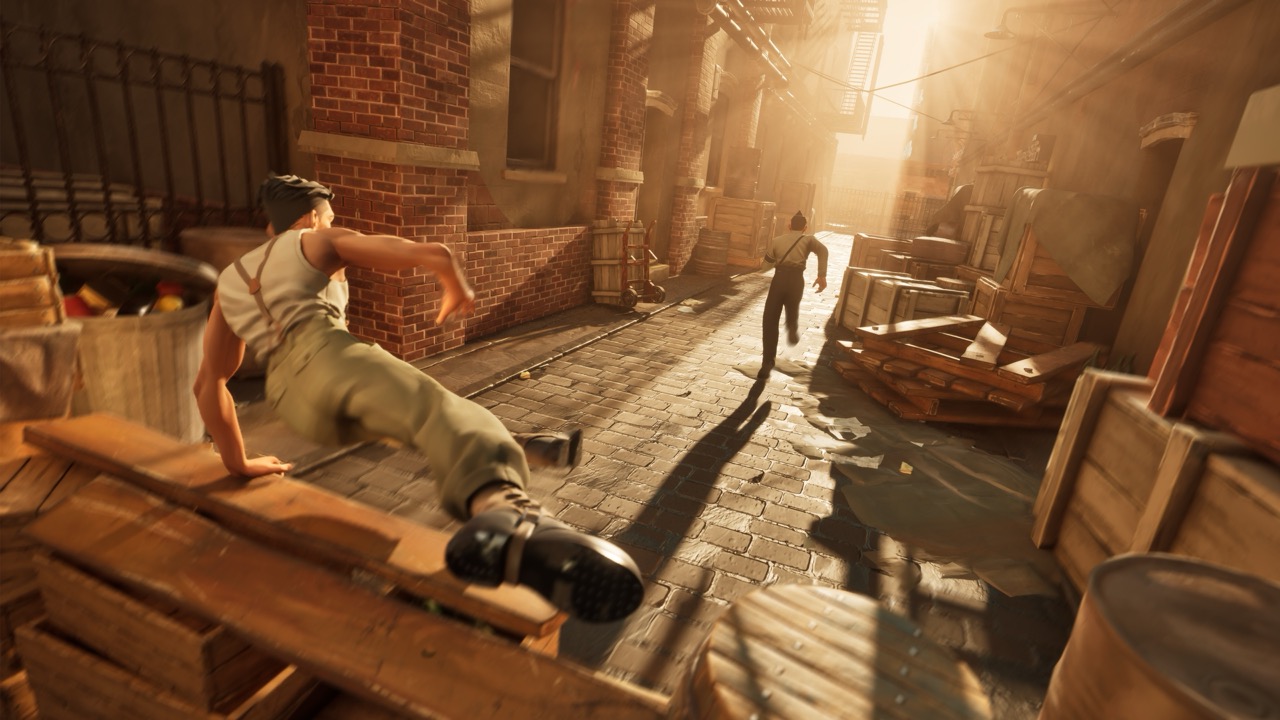
While the European banquet sequence establishes Vano’s personal trauma and ruthless efficiency, the demo expands its narrative scope in a way that elevates the game beyond a standard historical revenge fantasy. The action shifts dramatically from the ruins and parlors of Europe to the United States.
Here, Vano targets the German American Bund—the real-life pro-Nazi organization that actively attempted to infiltrate American political and cultural institutions in the years leading up to World War II. When these American fascists brutally assault Vano’s mentor, a World War I veteran, Vano tracks them back to their operational headquarters.
As players smash up printing presses and dispense lethal justice using fists, liquor bottles, and free-standing ashtrays, Vano mutters grim observations such as, "These Americans have sworn themselves to a morally bankrupt cause." This cross-Atlantic expansion connects historical European fascism with its domestic American sympathizers, rooting the game’s pulp fiction aesthetic in actual historical movements.
Supporting Context & Metrics: Mechanics, Style, and Grindhouse Sensibilities
Mechanical Realities: Janky, Staccato, and Unrefined
From a purely mechanical standpoint, Nekome is unlikely to satisfy players accustomed to the fluid, rhythmic combat loops of industry heavyweights like Rocksteady’s Batman: Arkham series or modern character action games. The demo revealed distinct structural and mechanical deficiencies:
Animation Blending: Character animations frequently fail to transition smoothly into one another, resulting in rigid, mechanical movements.
Camera Management: The in-game camera routinely gets hung up on environmental geometry, objects, and enemy collision boxes during chaotic melee brawls.
Combat Rhythm: Beating fascists to death feels staccato and disjointed rather than acrobatic or balletic.
Despite these technical rough edges, the developers have successfully imbued the title with a distinct, hyper-stylized identity.
Grindhouse Aesthetics and Cinematic Flair
Nekome leans heavily into pure grindhouse cinema. The developers openly acknowledge cinematic influences like Inglourious Basterds, and that DNA is visible in every frame. Fascist enemies serve as living fountains of arterial spray. Once an enemy is beaten to the brink of death, specialized contextual prompt systems unlock cinematic finisher animations where Vano utilizes his knife to dramatically "unzip" his opponents.
Furthermore, the game features a dedicated focus mode unlocked by maintaining a high kill count. This mechanic allows players to target specific Nazi body parts to exact precise, ritualistic vengeance. Reinforcing this macabre gameplay loop, players are constantly confronted with contextual prompts reading "Desecrate Corpse" when navigating through enemy remains during active combat. Complying with these prompts triggers additional animations of localized, gratuitous violence—a stylized indulgence presented as a gameplay treat.
To amplify this exploitation-film aesthetic, the game introduces dynamic cinematic framing. As Vano’s rage scales upward and the violence reaches absurd heights, visible film reel frame lines distort and encroach upon the screen, visually suggesting that the medium itself can no longer contain his fury.
Official Statements and the "Apolitical" Paradox
The most perplexing aspect of the Nekome: Nazi Hunter preview event was not found within the code or the level design, but in the verbal assurances provided by the development team at ProbablyMonsters.
When questioned about the profound cultural weight and timeliness of a video game centered entirely on slaughtering Nazis—at a historical juncture marked by a palpable, documented worldwide revival of far-right extremist movements in both Europe and the United States—the studio representatives offered a steadfast denial. They asserted that they were not "political" developers and that Nekome was not making any explicit political statement.
This stance places the studio in a bizarre rhetorical position. Nekome deals explicitly with ethnic cleansing, the Romani genocide, World War II fascism, historical American Nazi sympathizers, and retributive violence enacted by an oppressed minority against an institutionalized racist hierarchy. To label such subject matter "apolitical" highlights a recurring industry anxiety regarding the labeling of media as partisan or political, even when the subject matter is historically and morally unambiguous.
However, when pressed on whether players would experience moral fatigue or post-game regret over Vano’s merciless campaign of vengeance, the development team offered a reassuringly candid concession:
"I don’t think you’ll feel bad about killing Nazis in this game."
Future Outlook
Nekome: Nazi Hunter occupies a fascinating, contradictory niche in the modern games landscape. On one hand, its mechanical execution—marked by stiff camera work and unpolished animation blending—suggests it may struggle to win over critics looking for tight, responsive action-combat systems. On the other hand, its commitment to unbridled grindhouse style, visceral catharsis, and historical framing makes it one of the most distinctive indie titles currently in development.
As the industry navigates an era where historical fascism is once again finding public footholds across Western democracies, games that tackle these themes—whether framed as pulp fiction or direct social commentary—inevitably carry weight beyond their code. Even if ProbablyMonsters insists on keeping a safe professional distance from the word "politics," Nekome delivers a straightforward, blood-soaked message that resonates deeply with players seeking catharsis in turbulent times. Whether the final release can bridge the gap between its ambitious cinematic style and its rough mechanical execution remains to be seen, but it is a title that will unquestionably command attention when it arrives.