Executive Overview
To contemporary moviegoers, Christopher McQuarrie is permanently etched into the Hollywood firmament as the narrative architect and high-octane director behind Tom Cruise’s modern Mission: Impossible hegemony. From Rogue Nation to Dead Reckoning, McQuarrie has mastered the art of the sleek, globally scaled blockbuster. Yet, stepping backward through his filmography reveals a vastly different creative landscape. Two decades before he became the definitive action-auteur of the 21st century, McQuarrie entered the cinematic consciousness not behind a camera, but with a typewriter—penning the razor-sharp, Oscar-winning neo-noir labyrinth of 1995’s The Usual Suspects.
In theory, an Academy Award for Best Original Screenplay at the dawn of your career should serve as a golden ticket, granting an artist carte blanche to helm whatever passion project they desire. Instead, McQuarrie entered a five-year purgatory of unemployment, creative friction, and Hollywood alienation.
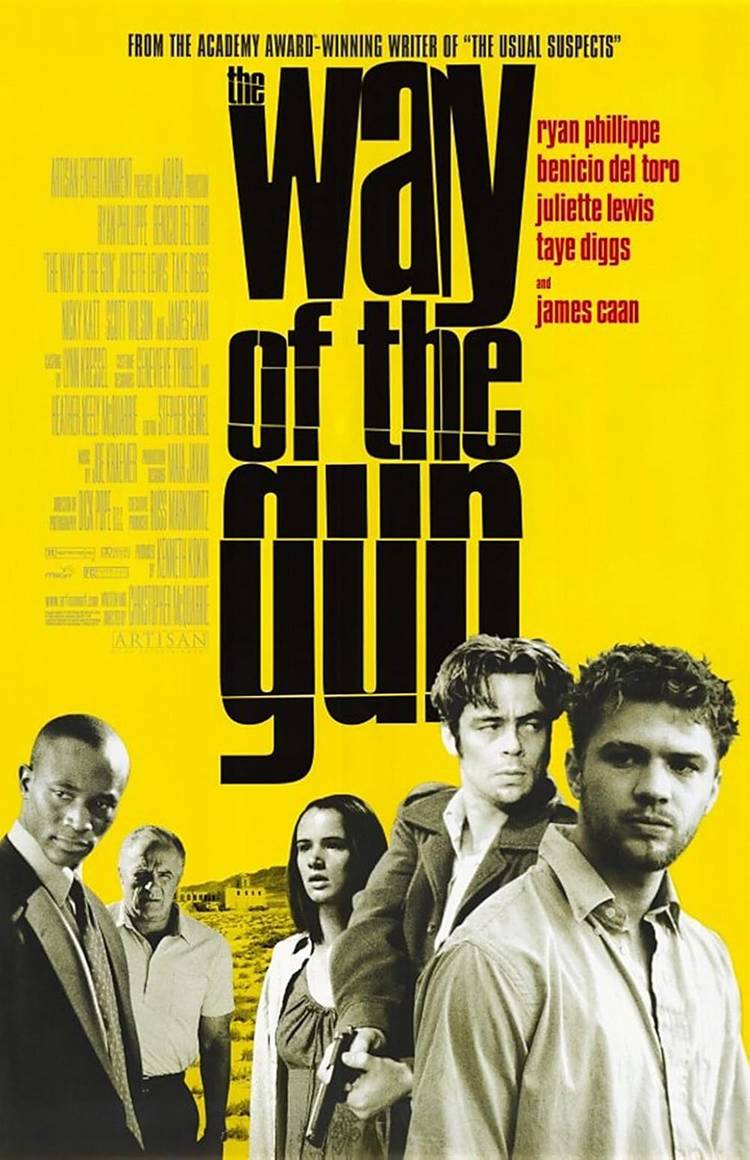
The boiling point of that frustration culminated in his 2000 directorial debut, The Way of the Gun. A vicious, morally bankrupt, and structurally subversive crime thriller, the film was aggressively mismanaged by its distributor, misunderstood by critics, and rejected by mainstream audiences conditioned on post-Pulp Fiction pop-irony. Today, however, The Way of the Gun stands as a fascinating cinematic artifact—an angry reaction against Hollywood formulas that anticipated the tactical realism of the John Wick era by more than a decade. For those willing to look past its abrasive edges, the film is currently experiencing a long-overdue renaissance, streaming entirely free on Tubi.
Detailed Chronology: From Oscar Gold to Industry Exile
1995–2000: The Wilderness Years
Following the massive critical and commercial success of The Usual Suspects, Christopher McQuarrie found himself paradoxically trapped by his own success. The film, directed by Bryan Singer, became an instant classic of the ’90s crime revival, anchored by an iconic performance from Kevin Spacey. But as the decade progressed, Hollywood’s appetite shifted toward high-concept blockbusters and glossy, fast-paced capers.
McQuarrie, whose sensibilities leaned toward dense plotting, simmering psychological tension, and deeply cynical world-building, struggled to get projects greenlit. Studios wanted safe returns; McQuarrie wanted to explore the darker, less palatable margins of human nature. This impasse left him out of work for half a decade, fueling a deep resentment toward studio executives, development executives, and the corporate mechanisms of the film industry.
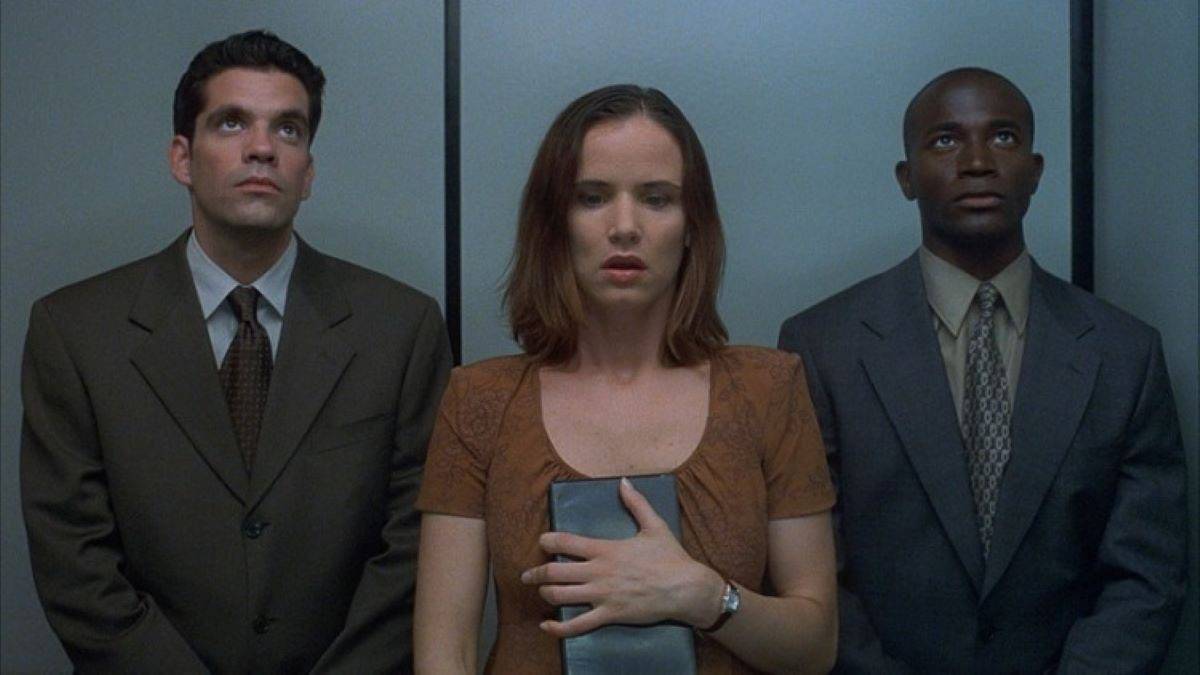
2000: The Way of the Gun Hits Theaters
Determined to force his way back onto the industry’s radar, McQuarrie took matters into his own hands by stepping behind the camera for the first time. Operating on an estimated budget of $15 million, he assembled an eclectic cast featuring Ryan Phillippe, Benicio del Toro, James Caan, Juliette Lewis, and Taye Diggs.
The resulting film was The Way of the Gun—an unapologetically hostile movie designed to antagonize studio sensibilities. Artisan Entertainment, the film’s distributor, faced a marketing nightmare. They attempted to position the picture as a hip, quirky crime caper in the vein of Quentin Tarantino or Guy Ritchie, right as audiences were growing fatigued by imitators. Consequently, the film bombed at the box office, grossing just over $6 million worldwide and drawing a polarized, largely confused response from critics.
The Modern Rediscovery
In the years following its theatrical failure, The Way of the Gun evolved from a forgotten misfire into a cherished cult object among hardcore cinephiles, screenwriters, and action aficionados. As McQuarrie’s career rebounded spectacularly through collaborations with Tom Cruise—starting with Jack Reacher and culminating in the Mission: Impossible franchise—film historians began revisiting his directorial debut. Today, platforms like Tubi have democratized access to the picture, allowing new generations of viewers to evaluate McQuarrie’s uncompromised, pre-blockbuster vision.
Supporting Context & Metrics: Deconstructing the Craft
Character Dynamics and Moral Vacuum
To understand The Way of the Gun, one must abandon any expectation of cinematic comfort. The narrative kicks into motion when Parker (Ryan Phillippe) and Longbaugh (Benicio del Toro), two hardened, predatory drifters, overhear a conversation about Robin (Juliette Lewis), a surrogate mother carrying a child for a wealthy, shadowy client in exchange for $1 million. Without a moral compass or a long-term plan, they decide to kidnap her, inadvertently stepping into the middle of a multi-layered conspiracy involving local money launderers, veteran enforcers, and ruthless bodyguards.
| Metric / Element | Detail |
|---|---|
| Release Year | 2000 |
| Director / Writer | Christopher McQuarrie |
| Estimated Budget | ~$15 Million |
| Box Office Gross | ~$6.01 Million |
| Weapons Consultant | Doug McQuarrie (Active-Duty Navy SEAL) |
| Current Streaming Home | Tubi (Free with Ads) |
The film demands an immediate hurdle from its audience: none of its protagonists are likable. Parker and Longbaugh are violent, reactionary, and thoroughly unpleasant. The film’s opening scene establishes Parker’s abrasive nature when he physically assaults a woman after a minor provocation, punctuated by derogatory dialogue. McQuarrie constructs a world where no one’s hands are clean, drawing heavily from the traditions of classic film noir and dusty Westerns.

Tactical Realism Ahead of Its Time
Where The Way of the Gun truly earns its critical reappraisal is in its handling of violence and firearm choreography. Long before the kinetic gun-fu of John Wick revolutionized Hollywood action, McQuarrie injected an unprecedented level of military realism into his set pieces.
To achieve this, McQuarrie enlisted his brother, Doug McQuarrie, who was an active-duty U.S. Navy SEAL at the time, to serve as the film’s technical weapons consultant. Unlike standard Hollywood actioners where characters fire endlessly without reloading or stand completely exposed in the line of fire, every combatant in The Way of the Gun behaves with tactical precision.
Characters utilize cover effectively, practice sound muzzle discipline, reload methodically, and treat firearms with lethal, respectful efficiency. Furthermore, the film avoids the trope of the "idiot ball"—a narrative device where intelligent characters suddenly act stupidly to advance the plot. In The Way ofth Gun, nobody acts carelessly; when characters die, it is the result of calculated chess moves, betrayal, or unforeseen variables rather than sheer ineptitude.
Official Statements and Industry Perspectives
While studio executives in 2000 did not know how to market a crime drama that prioritized long stretches of oppressive silence, philosophical nihilism, and meticulous pacing over adrenaline-pumping jump cuts, retrospectives have painted a clearer picture of the film’s artistic intent.
Christopher McQuarrie has frequently reflected on the turbulent production of his debut as a necessary crucible. Speaking on the mindset that birthed the film, industry insiders noted that the script was written as a direct middle finger to development notes and studio notes that plagued his post-Usual Suspects career.
"It’s an action movie for people who are kind of sick of action movies," critics of the film frequently note, capturing the essence of McQuarrie’s subversion.
By stripping away the charismatic sheen typically afforded to cinematic criminals, McQuarrie forced audiences to stare directly into the ugly, transactional heart of criminal enterprise. While certain stylistic choices and pieces of dialogue have aged poorly against modern sensitivities—making the film’s opening moments a challenging watch for first-time viewers—the structural integrity of its storytelling remains fiercely independent.
Future Outlook: The Legacy of a Misunderstood Masterpiece
As the cinematic landscape becomes increasingly dominated by algorithmic safety, intellectual property recycling, and homogenized franchise filmmaking, the brazen hostility of The Way of the Gun looks less like a misstep and more like a badge of honor.
Christopher McQuarrie’s trajectory—from an unemployed, blacklisted Oscar winner to the undisputed king of modern blockbuster espionage—proves that artistic survival sometimes requires biting the hand that feeds. While fans eagerly await his next grand-scale cinematic spectacle with Tom Cruise, the enduring digital footprint of The Way of the Gun on platforms like Tubi ensures that his grittier, unpolished roots will never truly be forgotten.
For modern audiences starved for risk-taking cinema, gritty practical action, and uncompromising directorial vision, stepping back into McQuarrie’s bleak year 2000 sandbox is an essential cinematic pilgrimage. Whether viewed as a historical curio of turn-of-the-millennium crime cinema or an early blueprint for tactical action choreography, The Way of the Gun remains a dangerous, fascinating trip well worth taking.