Executive Overview
In the sprawling landscape of contemporary science fiction television, narrative ambition is often sacrificed for rapid exposition and formulaic world-building. Yet, every few years, an original series emerges that manages to take one seemingly impossible, surreal premise and use it to dissect the intricate textures of everyday survival. From the cinematic genetic stratification of Gattaca to the existential lingering of HBO’s The Leftovers, the finest speculative fiction finds its heartbeat not in the mechanics of its high-concept machinery, but in the collateral humanity caught in its gears.
Netflix’s latest prestige anime offering, Fool Night, achieves this rare feat. Premiering on November 26, 2026, the series represents a landmark creative convergence between two titans of Japanese animation: Sunrise, legendary custodians of franchises like Mobile Suit Gundam and Cowboy Bebop, and Shaft, the avant-garde studio renowned for Bakemonogatari and Virgin Punk. Based on the acclaimed manga by Kasumi Yasuda and directed by Atsuyuki Yukawa, Fool Night presents a chillingly austere vision of a sunless earth where humanity’s survival depends on a macabre economic transaction: trading terminal human bodies for botanical oxygen-generators.
Following an early-access review of the first three episodes of its 12-episode debut season, Fool Night is shaping up to be the most visually arresting, psychologically complex, and melancholic anime of the Fall slate. This review explores the structural anatomy of the series, analyzing its chilling socio-economic framework, its revolutionary compositional direction, and its slow-burning narrative mystery.
Detailed Chronology: The World of Transfloration
To understand the emotional core of Fool Night, one must first reckon with the environmental catastrophe that birthed its societal structure. In an unspecified future, the sun has vanished entirely from the sky. Deprived of solar energy, the earth’s atmosphere has rapidly deteriorated, driving most terrestrial plant life to extinction and plunging global oxygen levels into a critical, suffocating decline.
Humanity’s solution to this existential crisis is as poetic as it is grotesque: a state-sanctioned medical and economic practice known as "transfloration." Under this system, terminally ill citizens or those crushed by inescapable socio-economic destitution can volunteer to undergo a procedure wherein a specially engineered seed is implanted within their bodies. Over a protracted, agonizing two-year germination period, the human host slowly dissolves into a "spiritflor"—a grotesque, hybrid botanical entity that produces the precious oxygen required to keep the rest of the surviving population alive. In exchange for surrendering the remainder of their natural lives, volunteers are awarded a lump sum of 10 million yen, meant to provide financial relief to their destitute families.
Rather than diving headfirst into an expansive sci-fi lore dump, director Atsuyuki Yukawa opens Fool Night with striking, deliberate intimacy. The series establishes its grotesque environmental reality not through dry exposition, but through the mundane normalization of horror.

In the series’ opening sequence, a young child named Toshio Kamiya stands outside a decaying guitar store, excitedly insisting to his companion, Yomiko Horai, that he is destined for musical stardom. As the children walk down a narrow alleyway—Toshio making playful guitar noises and twirling through the air—the frame casually incorporates the lifeless, sprouting bodies of spiritflor lining the chain-link fences. The children pay the decomposing human-flora hybrids no mind. They have grown up walking past these bodies; the grotesque symbiosis of decay and bloom is simply the fabric of their daily existence. This normalization of the horrific acts as a masterclass in environmental world-building, setting a tone that is simultaneously deeply poetic and profoundly unsettling.
Character Dynamics and Socio-Economic Metrics
At the heart of Fool Night’s narrative friction is a profound class divide, personified through the complex reunion of childhood friends Toshio and Yomiko. Years after parting ways, the two characters find themselves occupying diametrically opposed poles of the transfloration economy.
Toshio Kamiya: The Bottom Rung of a Dying World
Now an adult, Toshio has been ground down by generational poverty, systemic debt, and an abusive domestic environment. Trapped at the absolute bottom of society as a disillusioned factory worker, he faces a future devoid of upward mobility or hope. When his circumstances become completely untenable, Toshio is forced into the ultimate sacrifice: selling his remaining two years of life to the state via transfloration.
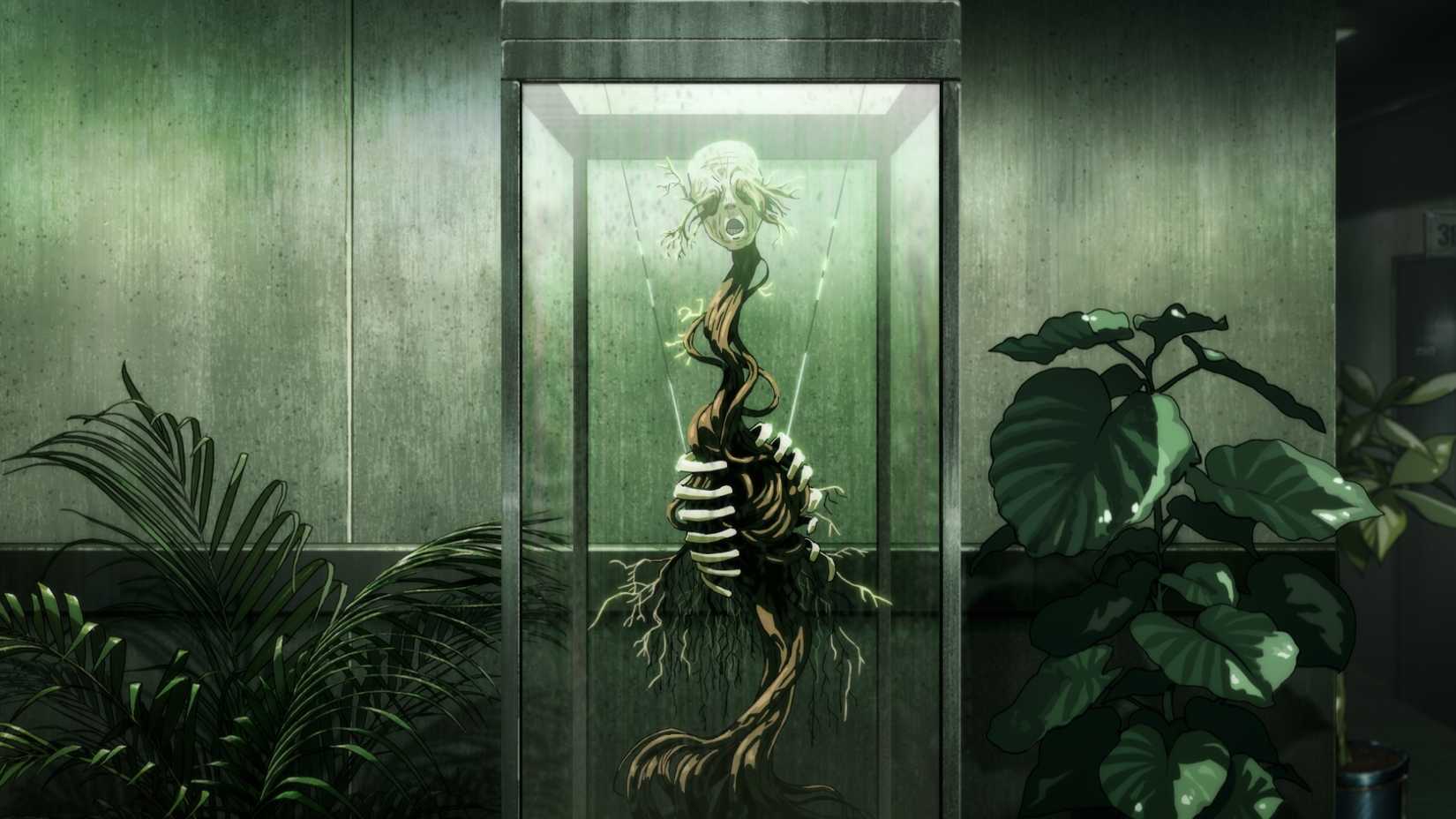
The tragedy of Toshio’s situation is compounded by the systemic cruelty of the world he inhabits. The 10-million-yen payout meant to justify his sacrifice is immediately stolen from him in the chaotic aftermath of the procedure, leaving him stripped of his humanity, his wealth, and his future.
Yomiko Horai: The Clinical Detachment of the Elite
Conversely, Yomiko occupies a position of relative privilege as a researcher at Transflora Medical Facility 4. Her daily responsibilities include approving candidates, overseeing procedures, and maintaining the institutional machinery of transfloration. Initially, Yomiko is defined by a chilling professional detachment. When a junior colleague wrestles with moral guilt after performing a procedure—confessing that it feels akin to murder—Yomiko coolly rationalizes the act, insisting that they have merely "extended" human life through personal choice.
However, Yomiko’s clinical armor shatters when Toshio suddenly walks into her waiting room as a registered candidate. Reuniting with a cherished figure from her past only to realize he has been cornered into becoming a botanical sacrifice turns an abstract bioethical debate into an acute personal crisis.
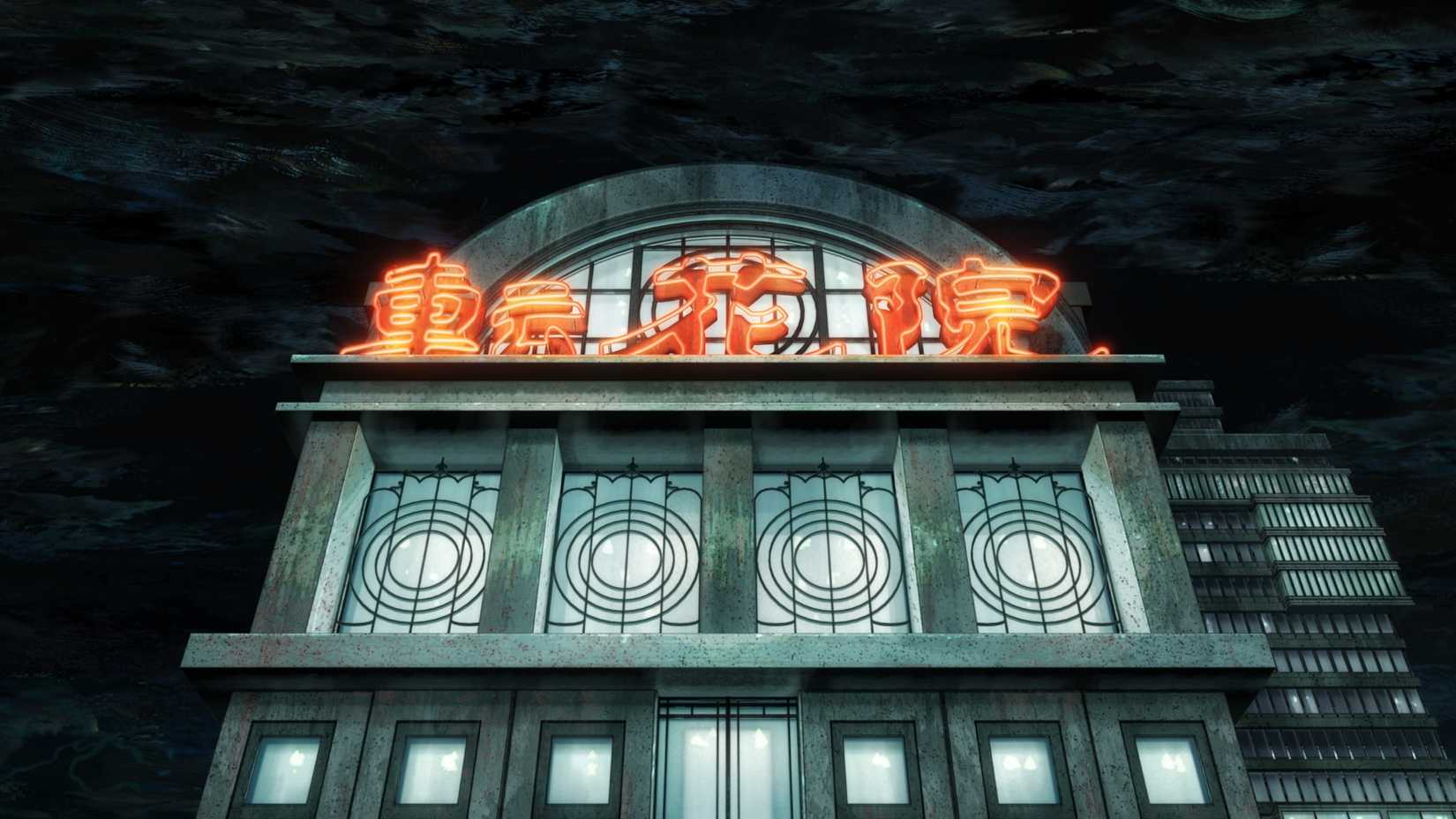
Rather than wallowing solely in misery, the narrative smartly pivots their reunion into an unorthodox investigative partnership. When Yomiko discovers that the botched transfloration procedure has left Toshio with the uncanny, terrifying ability to hear the whispered voices of spiritflor, she pulls him deeper into the facility’s internal operations. Alongside a cynical, sour-faced section chief named Jin Hiragishi, the trio begins to unearth a shadowy conspiracy involving illegal plant-based murders and institutional corruption that threatens to upend the fragile ecosystem of the city.
Supporting Context & Metrics: The Sunrise and Shaft Collaboration
What immediately elevates Fool Night above standard sci-fi anime fare is the sheer confidence of its audiovisual presentation. The collaboration between two historic animation powerhouses—Sunrise and Shaft—is nothing short of a landmark event in the medium’s recent history.
| Production Studio | Historical Legacy & Key Works | Contribution to Fool Night |
|---|---|---|
| Sunrise | Mobile Suit Gundam, Cowboy Bebop, Code Geass | Structural mastery, sweeping sci-fi world-building, and dynamic pacing. |
| Shaft | Bakemonogatari, Puella Magi Madoka Magica, Virgin Punk | Avant-garde composition, psychological framing, and surrealist visual symbolism. |
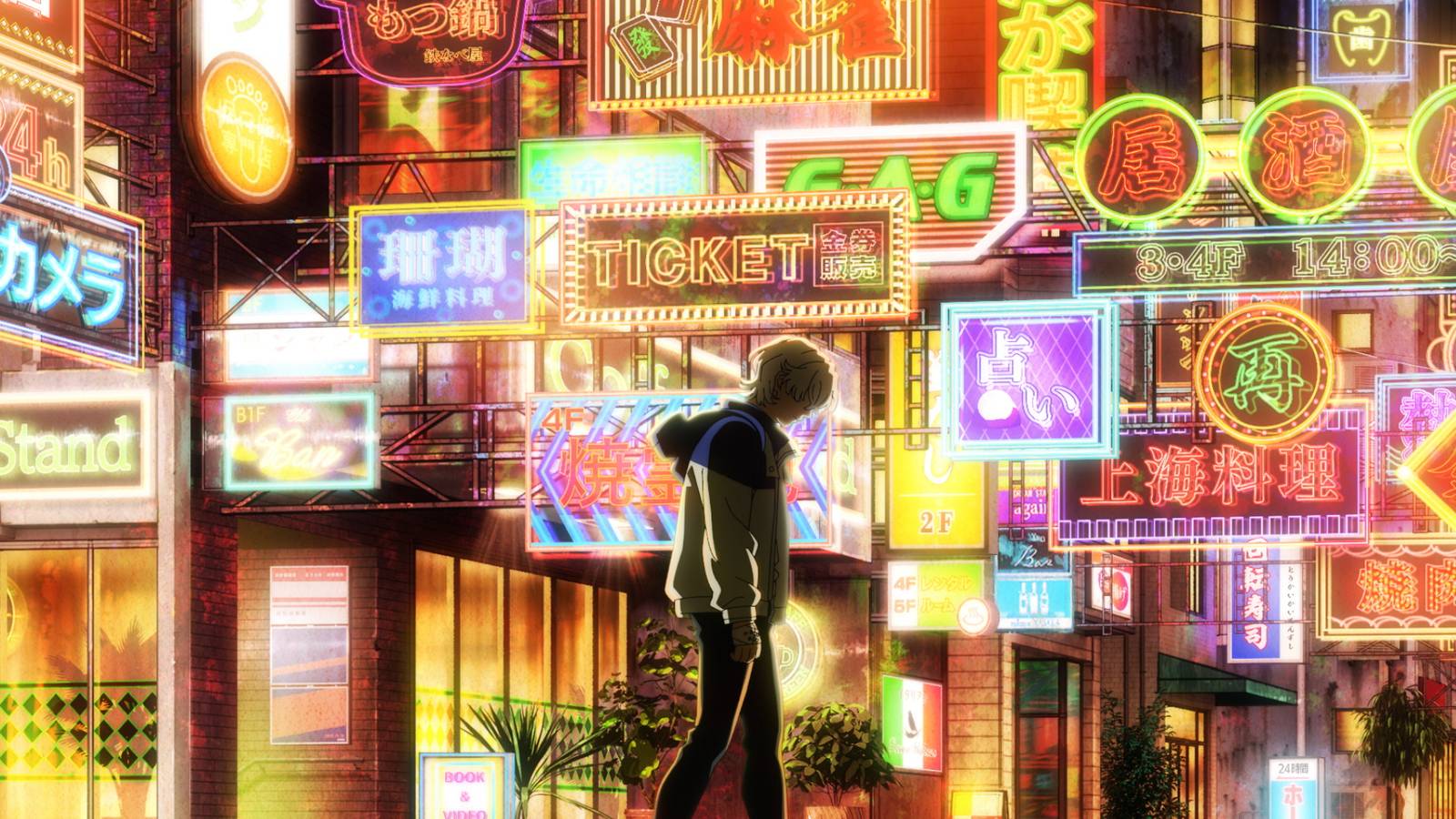
The synthesis of Sunrise’s structural discipline with Shaft’s psychological surrealism yields breathtaking results. Yet, what impresses most upon critical viewing is not merely the technical fidelity of the animation, but the meticulous attention paid to spatial composition.
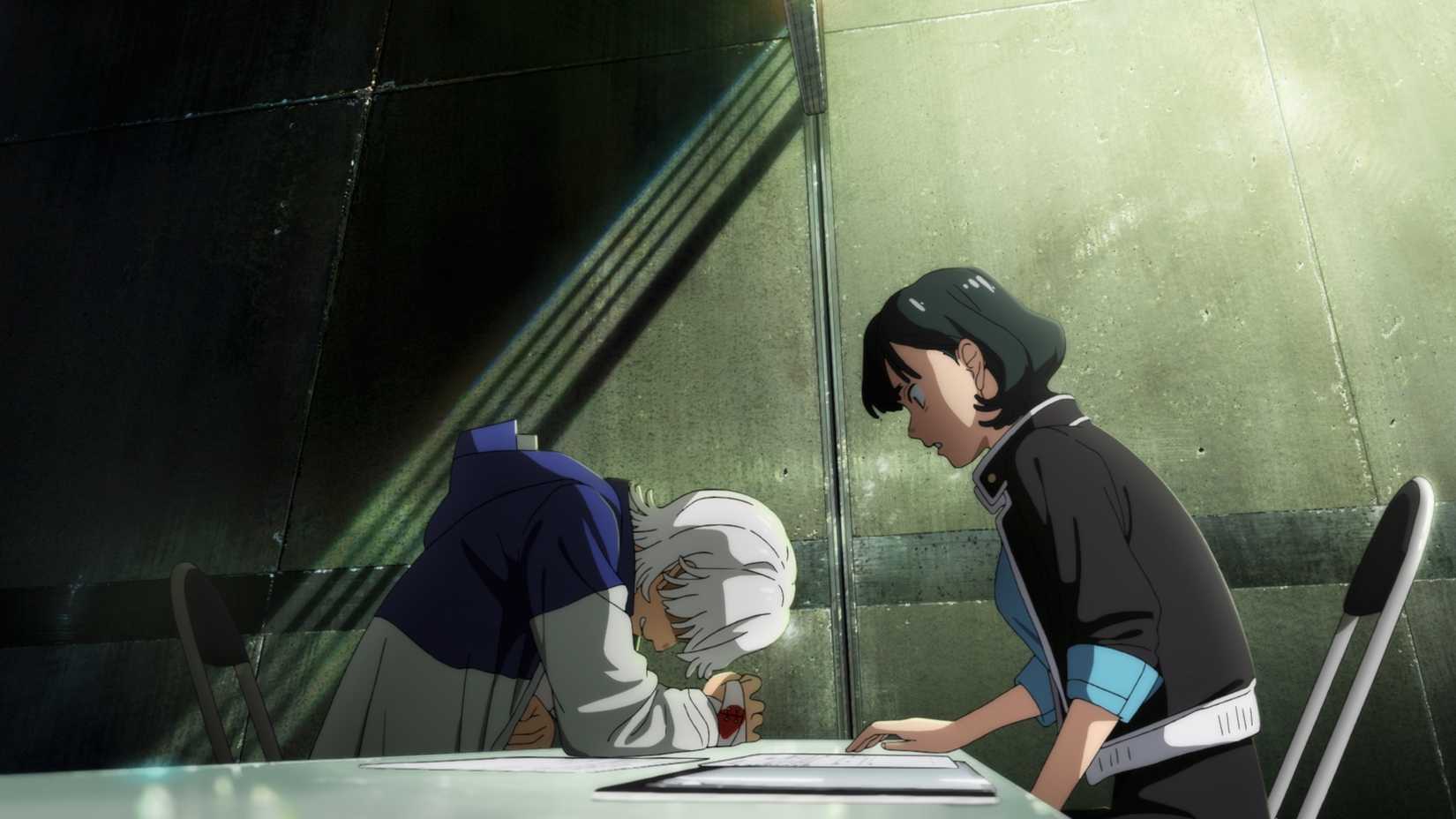
Director Atsuyuki Yukawa frequently utilizes negative space and unorthodox framing to let the environment speak as loudly as the dialogue. In a pivotal mid-episode scene where Yomiko inquires at a front desk about Toshio’s procedure, the camera refuses to center on her emotional state. Instead, Yomiko and the clerk are compressed into the far-left corner of the frame, while an out-of-focus, towering houseplant dominates nearly the entirety of the composition.
Similarly, the alleyway scene featuring the young Toshio and Yomiko eschews traditional tracking shots. The camera instead locks onto the cold, rusted steel of a chain-link fence on the left, tracking the barrier while Toshio’s joyful sprinting occupies only the right margin of the frame. These directorial choices reinforce the oppressive, inescapable presence of the world’s grim reality, establishing a visual identity that is entirely singular in modern animation.
Future Outlook: A Slow-Burn Mystery Worth Watching
As television increasingly caters to instant gratification, Fool Night exercises a rare, commendable restraint. Through its first three episodes, the series refuses to rush its narrative delivery. While early scripts drop subtle breadcrumbs regarding a wider conspiracy—including underground operations attempting to sabotage transfloration and a series of brutal, plant-laceration homicides—the series deliberately holds its cards close to its chest until the closing moments of episode three.
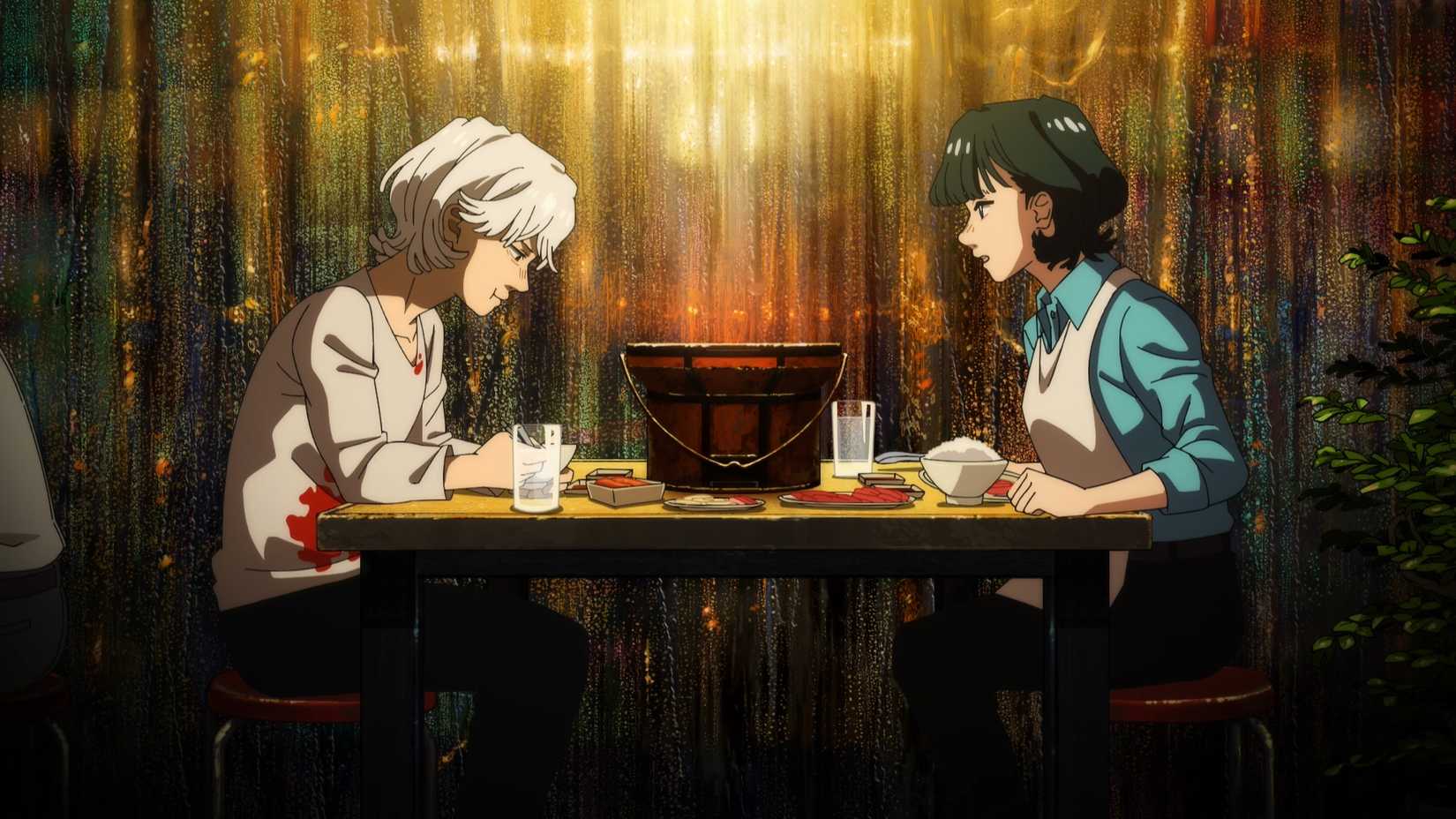
This slow-burn pacing ensures that viewers fully grasp the systemic horrors of transfloration and the psychological weight carried by its protagonists before plunging headlong into a thriller plot. It is an approach that respects the audience’s intelligence, trading cheap thrills for rich thematic resonance and atmospheric immersion.
Official Statements and Release Information
While production committees and executive producers have kept promotional interviews sparse to preserve the mystery of the narrative twists, early press releases from Netflix emphasize the studio’s commitment to adapting Yasuda’s manga with uncompromising artistic integrity.
- Platform Release Date: Fool Night officially premieres globally on Netflix on November 26, 2026.
- Season Length: 12 episodes total.
- Critical Consensus (Episodes 1–3): Highly favorable, lauded for its unique premise, stellar studio collaboration, and uncompromising visual direction.
Conclusion
With only three episodes evaluated, it remains to be seen whether Fool Night can successfully sustain its intricate world-building across the entirety of its 12-episode arc. Much of its sunless world remains unexplored, and the stakes of its unfolding murder mystery are only just beginning to crystallize.
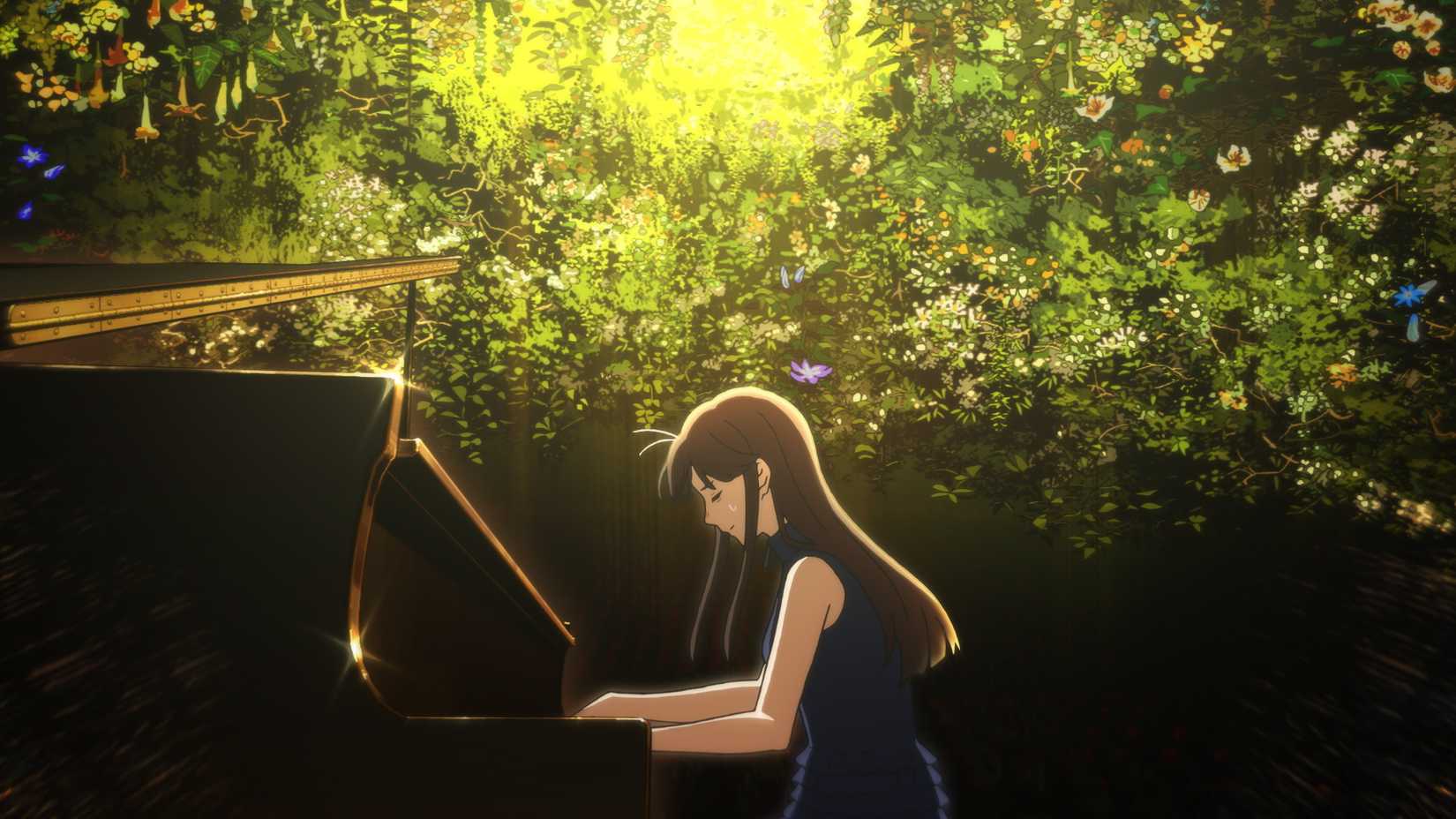
Nevertheless, the foundations laid by Sunrise, Shaft, director Atsuyuki Yukawa, and the original vision of Kasumi Yasuda are nothing short of extraordinary. Boasting an unsettling, poetic premise, wonderfully complex characters, and a visual presentation that redefines contemporary anime composition, Fool Night is shaping up to be a defining speculative masterwork of the decade. If the series maintains this high level of ambition as its narrative blooms, viewers are in for an unforgettable descent into the dark.