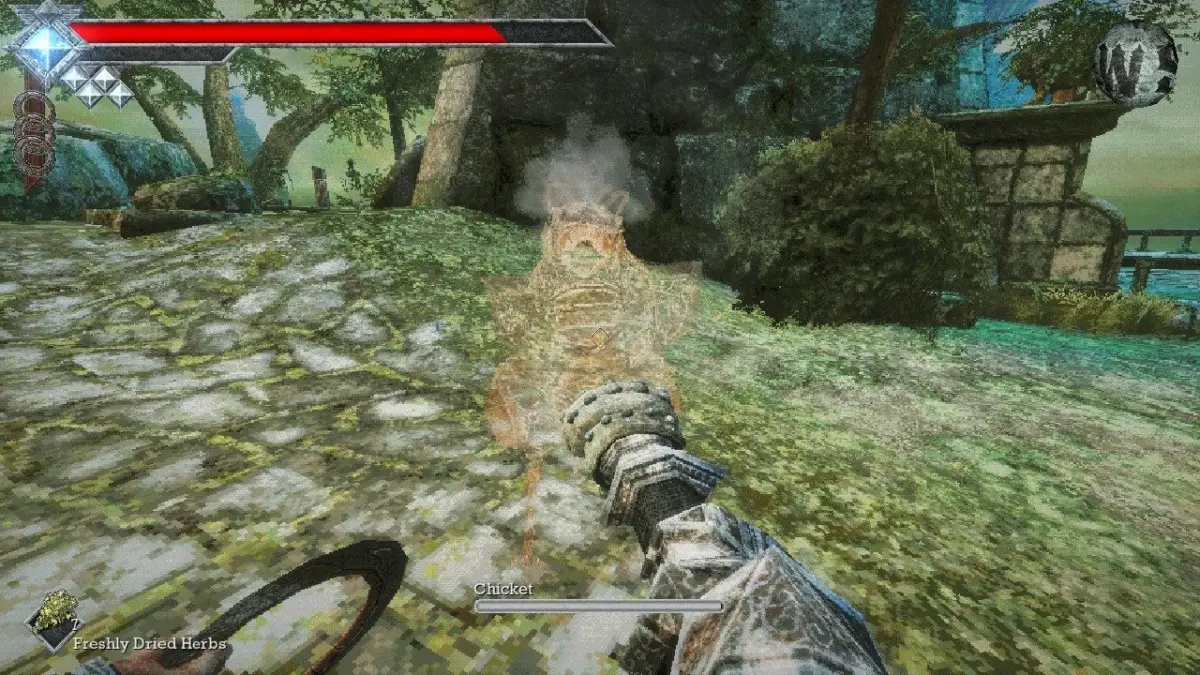
In the ever-expanding landscape of modern video game development, rare is the title that manages to capture the elusive lightning of pioneering design philosophies without merely echoing them. Enter Queen’s Domain, a masterclass in atmospheric exploration, uncompromising combat, and labyrinthine world-building. Developed by a remarkably lean core team of just two creators, this indie darling published by Future Friends Games has emerged as a watershed moment for the action-RPG and immersive sim genres.
Blending the architectural genius of the original Dark Souls, the progressive discovery elements of Metroid Prime, and an idiosyncratic weapon-evolution system that draws loose mechanical inspiration from the Pokémon franchise, Queen’s Domain challenges traditional design paradigms. Washed ashore on the confounding, multi-layered Isle of Neasied, players are immediately thrust into a world that unfurls like a monstrous, infinite piece of origami.
Far from a standard corridor-crawler or an easily digestible sandbox, the game demands patience, tactical spatial awareness, and genuine intellectual engagement. Its combat system is deliberately stiff and unforgiving in its opening hours, weeding out the impatient before blossoming into an intoxicating power trip. For veterans of the genre yearning for the disorienting, awe-inspiring maps of yesteryear—where getting lost felt less like a penalty and more like a privilege—Queen’s Domain stands tall as a defining triumph.
Detailed Chronology: The Genesis and Unfurling of Neasied
The journey toward Queen’s Domain did not begin on launch day; it represents years of meticulous iteration by a micro-studio operating under conditions that defy industry standards for scale. While AAA studios pour hundreds of millions of dollars and thousands of personnel into sprawling, empty open worlds, the two-person development team behind Queen’s Domain focused their resources inward, crafting a densely packed, vertically intricate playground on the Isle of Neasied.
Phase One: The Shoreline Disorientation
The adventure commences abruptly. There is no hand-holding tutorial to ease the player into the ecosystem of the Isle of Neasied. Instead, the player washes ashore with basic gear, minimal mobility options, and an immediate sense of spatial vulnerability. The introductory phase acts as an intentional crucible. Players accustomed to modern quality-of-life cues will find themselves running up against stubborn stamina metrics, punishing hit-boxes, and basic enemies that demand respect and strategic positioning.
Phase Two: The Sub-Fold Revelations
As players push past the initial thirty-minute hurdle, the game’s core hook reveals itself: continuous spatial expansion. Every region of Neasied is meticulously riddled with crevices, crannies, nooks, and deceptively flat vertical walls. The internal logic of the map encourages a dangerous line of inquiry: "Could I make that jump? Could there be a pathway behind that waterfall?"
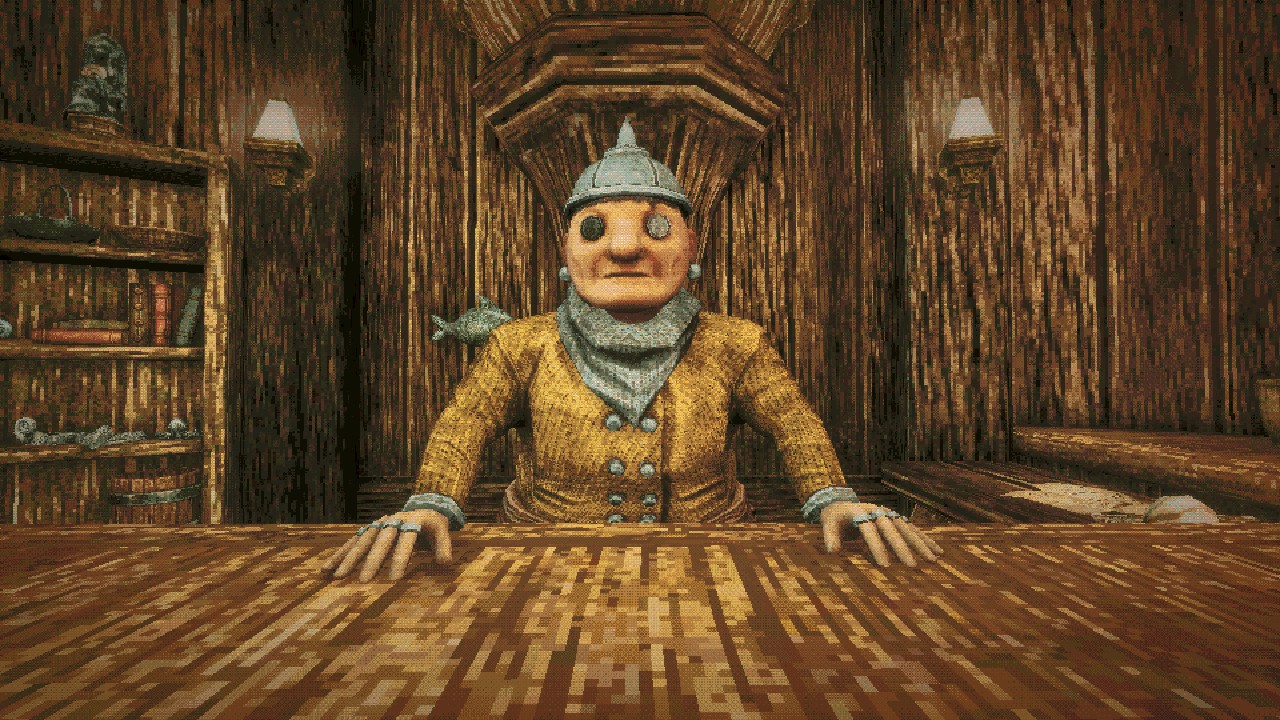
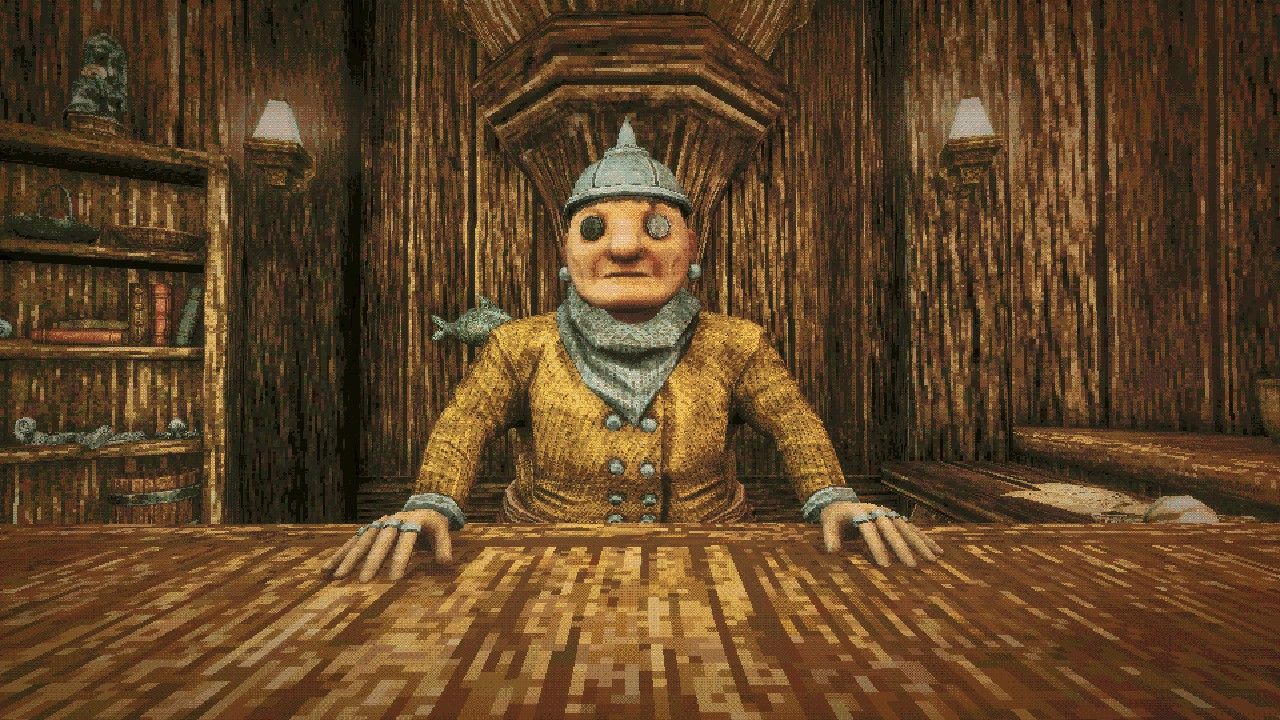
Almost invariably, the answer is yes. Exploration rewards players not merely with standard currency or minor consumables, but with radical shifts in gameplay capability, including entire regional unlocks, rare stat buffs, and cryptic non-playable characters (NPCs) whose motivations remain as mysterious as the architecture around them.
Phase Three: The Grand Convergence
The climax of the Queen’s Domain experience arrives roughly a dozen-and-a-half hours into a playthrough. While hacking through a major dungeon, far removed from the introductory shores, a player might pull an unassuming, rusted lever—only to open a heavy stone door that drops them directly back into the game’s starting area. This masterstroke of non-linear architecture transforms the Isle of Neasied from a series of disconnected biomes into a living, breathing, hyper-interconnected ecosystem.
Supporting Context & Metrics: Deconstructing the Mechanics
To understand why Queen’s Domain has resonated so deeply with critics and hardcore PC gamers alike, one must examine its intricate web of overlapping mechanics. The title operates on a complex mathematical and spatial matrix that rewards deep analytical thought.
1. The Weapon-Evolution Ecosystem
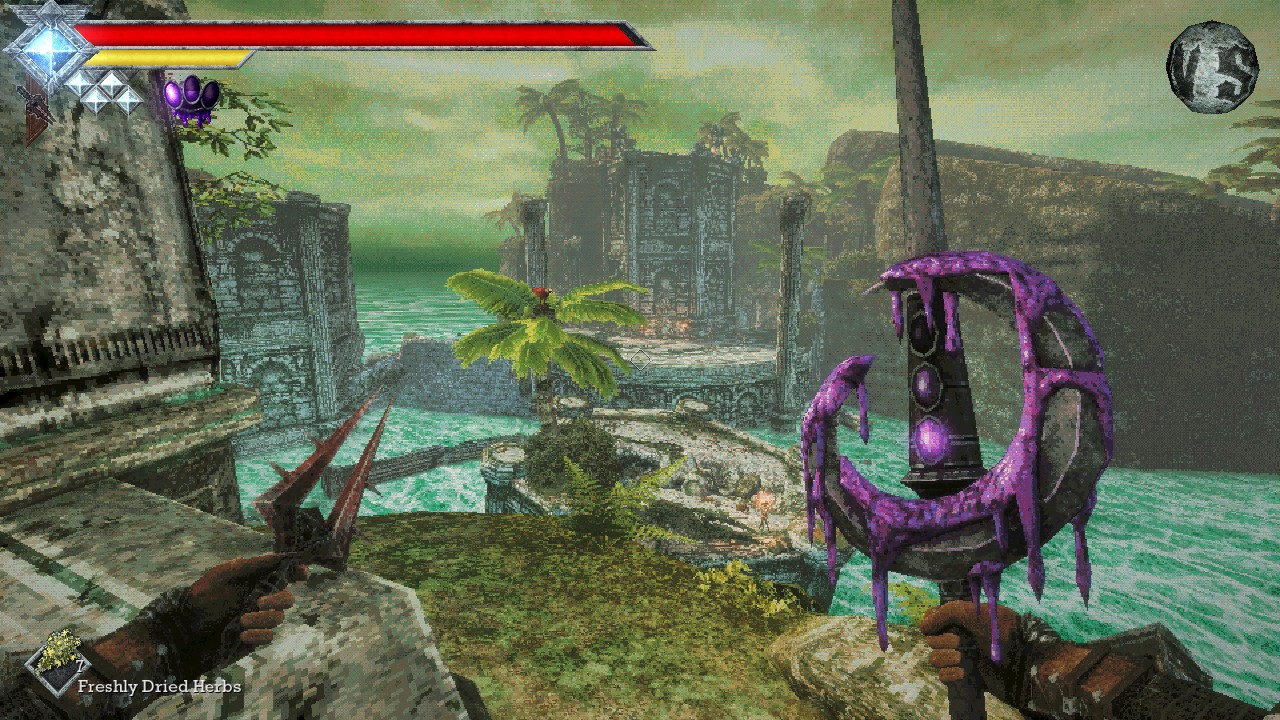
One of the most innovative systems within Queen’s Domain is its approach to weaponry. Rather than tying progression strictly to character level, every single weapon—whether it be a standard spear, a heavy club, or a jagged maul—levels up independently based on usage.
- Independent Mastery: The more a player relies on a specific tool, the more proficient they become with its unique moveset.
- Metamorphic Progression: Much like a creature evolving in classic monster-taming RPGs, weapons that reach high thresholds undergo radical physical and magical transformations, morphing into bizarre, high-tier instruments of destruction. This system turns what could be a tedious grind into an addictive loop of experimentation.
2. Tactical Combat and the Stamina Economy
Combat in Queen’s Domain is deliberately polarizing at first glance. It eschews the fluid, weightless button-mashing found in modern action titles in favor of a heavy, deliberate pace:
- Stamina-Commensurate Damage: Every swing, block, and dodge is tethered directly to a rigid stamina economy, meaning reckless aggression is swiftly punished.
- Elemental Rock-Paper-Scissors: Enemies within Neasied possess strict resistances and vulnerabilities. A foe might be utterly immune to blunt trauma, neutral to slashing damage, and fatally weak to piercing magical constructs. Success requires constant tactical adaptation, weapon-swapping on the fly, and supreme positional discipline.
| Gameplay Element | Design Philosophy | Player Impact |
|---|---|---|
| Map Architecture | Dense, vertically stacked, interconnected loops | Eliminates fast-travel dependency; creates profound spatial memory. |
| Weapon Progression | Independent leveling & morphological evolution | Encourages experimentation and transforms gear into "companions." |
| Combat Mechanics | Unforgiving stamina costs & elemental weaknesses | Demands tactical calculation and mastery over button-mashing. |
Official Statements and Critical Reception
The critical reception surrounding Queen’s Domain has been nothing short of rapturous, drawing comparisons to landmark titles that defined generations of PC and console gaming.
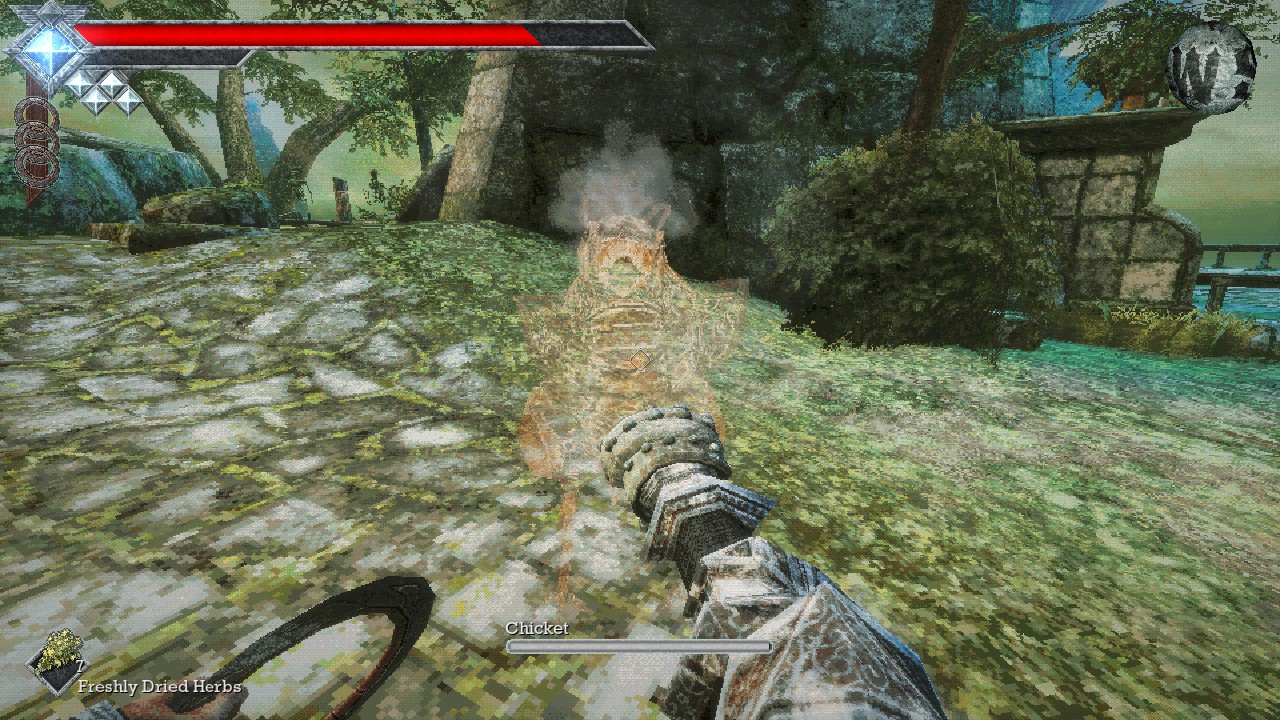
Industry analysts and veteran reviewers have frequently pointed to the game as a spiritual successor to the design philosophies championed by FromSoftware and Bethesda during their golden eras. Reflecting on the game’s uncompromising nature, early reviews have drawn direct parallels to the initial launch of Dark Souls: Prepare to Die Edition in 2011 and the steep learning curve of The Elder Scrolls III: Morrowind.
"It is the best Dark Souls 1 since Dark Souls 1: unforgiving but almost never unfair… forever dazzling you with masterstrokes of interwoven level design." — PC Gaming Critics
Furthermore, publisher Future Friends Games has highlighted the sheer dedication of the two-person development squad, noting that the project stands as a testament to what can be achieved when atmospheric depth and uncompromising mechanical vision take precedence over commercial trend-chasing. While mainstream publishers frequently lean into cinematic hand-holding, Queen’s Domain trusts the player’s intelligence—a gamble that has paid off handsomely in critical accolades and passionate grassroots community support.
Future Outlook
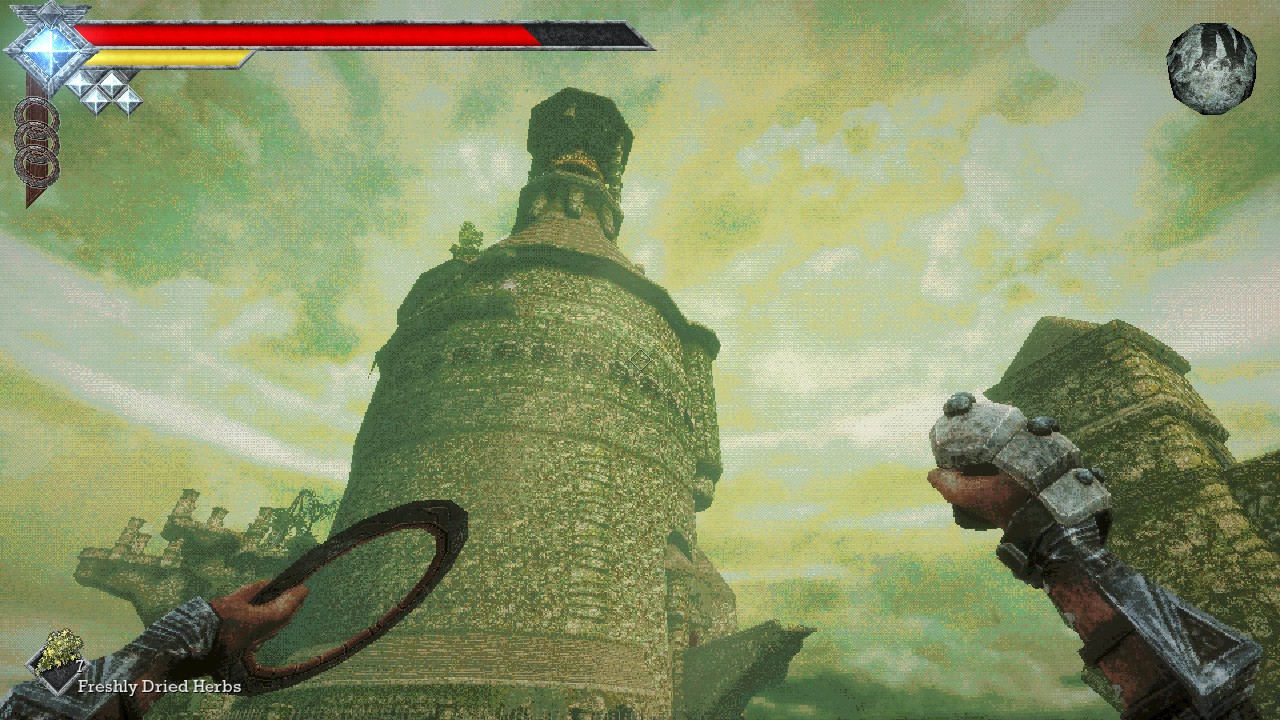
As the gaming industry charges deeper into 2026, Queen’s Domain has staked an early, formidable claim for Game of the Year honors. Its success signals a broader, highly encouraging shift within the indie development space: a growing appetite among players for densely crafted, mechanically rich, and intellectually challenging experiences that refuse to compromise their artistic vision.
Moving forward, the triumphs of this two-person team will likely serve as a case study for aspiring developers. By proving that brilliant level design and deep, interlocking systems can eclipse multi-million-dollar budgets, Queen’s Domain has rewritten the playbook on what a micro-studio can achieve. For the players currently wandering the treacherous trails of the Isle of Neasied, the immediate future holds countless more hidden ledges, terrifying boss encounters, and the quiet, unmatched thrill of opening a door that leads you back to where it all began.