Executive Overview
In contemporary anime discourse, studio MAPPA is almost exclusively synonymous with high-octane spectacle, massive IP production, and hyper-kinetic action choreography. From the earth-shattering titans of Attack on Titan and the arcane sorcery of Jujutsu Kaisen to the visceral cinematic violence of Chainsaw Man and the sweeping historical epic Vinland Saga, MAPPA has established itself as an industrial powerhouse capable of orchestrating complex, multi-million-dollar projects at a dizzying pace. Yet, this reputation often overshadows one of the studio’s most delicate, emotionally devastating, and profoundly artistic achievements: the 2016 animated feature film In This Corner of the World.
Directed by Sunao Katabuchi and adapted from Fumiyo Kouno’s critically acclaimed manga of the same name, the film celebrated its tenth anniversary in 2026. Despite receiving widespread critical acclaim upon its initial theatrical run—including the Japan Academy Film Prize for Animation of the Year—the film has largely been eclipsed in the mainstream conversation by MAPPA’s flashier television properties.
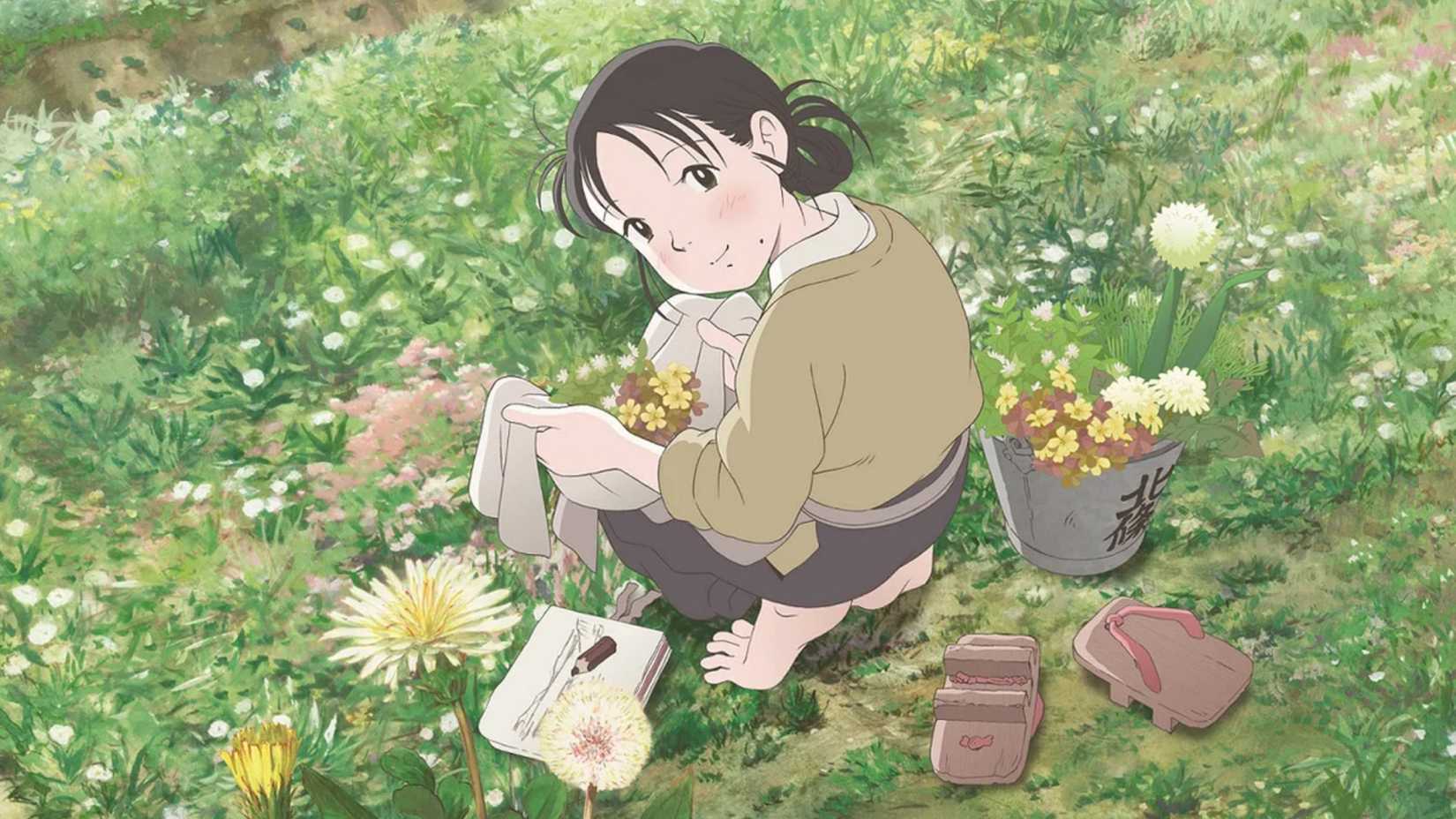
However, looking back a decade later, In This Corner of the World stands not just as an outlier in MAPPA’s catalog, but as a monumental triumph of historical animation. Eschewing the battlefield heroics and grand geopolitical strategies typical of wartime cinema, Katabuchi’s masterpiece pivots downward into the domestic sphere. It explores the gradual, daily erosion of normalcy in Showa-era Japan through the eyes of Suzu Urano, a young, artistically inclined woman navigating the harrowing realities of World War II from the outskirts of Hiroshima and Kure.
Blending a breathtaking watercolor aesthetic with meticulous historical research, the film remains a peerless meditation on endurance, trauma, and the stubborn beauty of ordinary life amidst total catastrophe.
Detailed Chronology: The Making and Evolution of a Masterpiece
The genesis of In This Corner of the World stretches far beyond its 2016 premiere date, reflecting a painstaking, grass-roots production model that contrasts sharply with modern corporate anime assembly lines.
The Source Material and Early Development (2007–2012)
Fumiyo Kouno’s original manga, serialized between 2007 and 2009, was a quiet publishing phenomenon in Japan, celebrated for its lack of sentimentality and its granular depiction of civilian life during wartime. Recognizing its cinematic potential, director Sunao Katabuchi—known for his work on Mai Mai Miracle—embarked on a multi-year research mission. Katabuchi and his team spent years consulting historical archives, interviewing survivors, and meticulously mapping out the physical geography of Kure and Hiroshima as they existed between 1933 and 1945.
Initially, the project struggled to secure traditional commercial backing. In 2012, a pioneering crowdfunding campaign was launched through Makuake to prove audience demand and fund early pilot footage. The campaign shattered expectations, raising over 36 million yen and signaling to investors that a quiet, slow-burn historical drama possessed viable commercial appeal.
Production and Theatrical Release (2016)
Production was eventually anchored at MAPPA, marking one of the studio’s formative feature-film endeavors. Released in Japanese theaters in November 2016, In This Corner of the World defied industry expectations for box-office longevity. Lacking the aggressive marketing budgets of major studio releases, the film relied entirely on word-of-mouth recommendations. It lingered in Japanese cinemas for over a year, eventually grossing over 2.5 billion yen and capturing numerous domestic and international accolades.

The Expanded Cut: In This Corner (and Other Corners) of the World (2019)
Demonstrating a continued commitment to the project, Katabuchi returned to the editing bay to assemble an extended version of the film. Released in late 2019, In This Corner (and Other Corners) of the World introduced approximately 40 minutes of newly animated and restored footage. This definitive cut expanded significantly upon Suzu’s complex psychological relationship with Rin, a courtesan in Kure’s Yoshiwara district, elevating the narrative’s exploration of female solidarity, societal alienation, and the hidden emotional tolls exacted by total war.
Supporting Context & Metrics: Deconstructing the Art and Impact
To fully appreciate In This Corner of the World, one must examine the intersection of its unique visual grammar, historical fidelity, and thematic architecture.
The Watercolor Aesthetic and Visual Metaphor
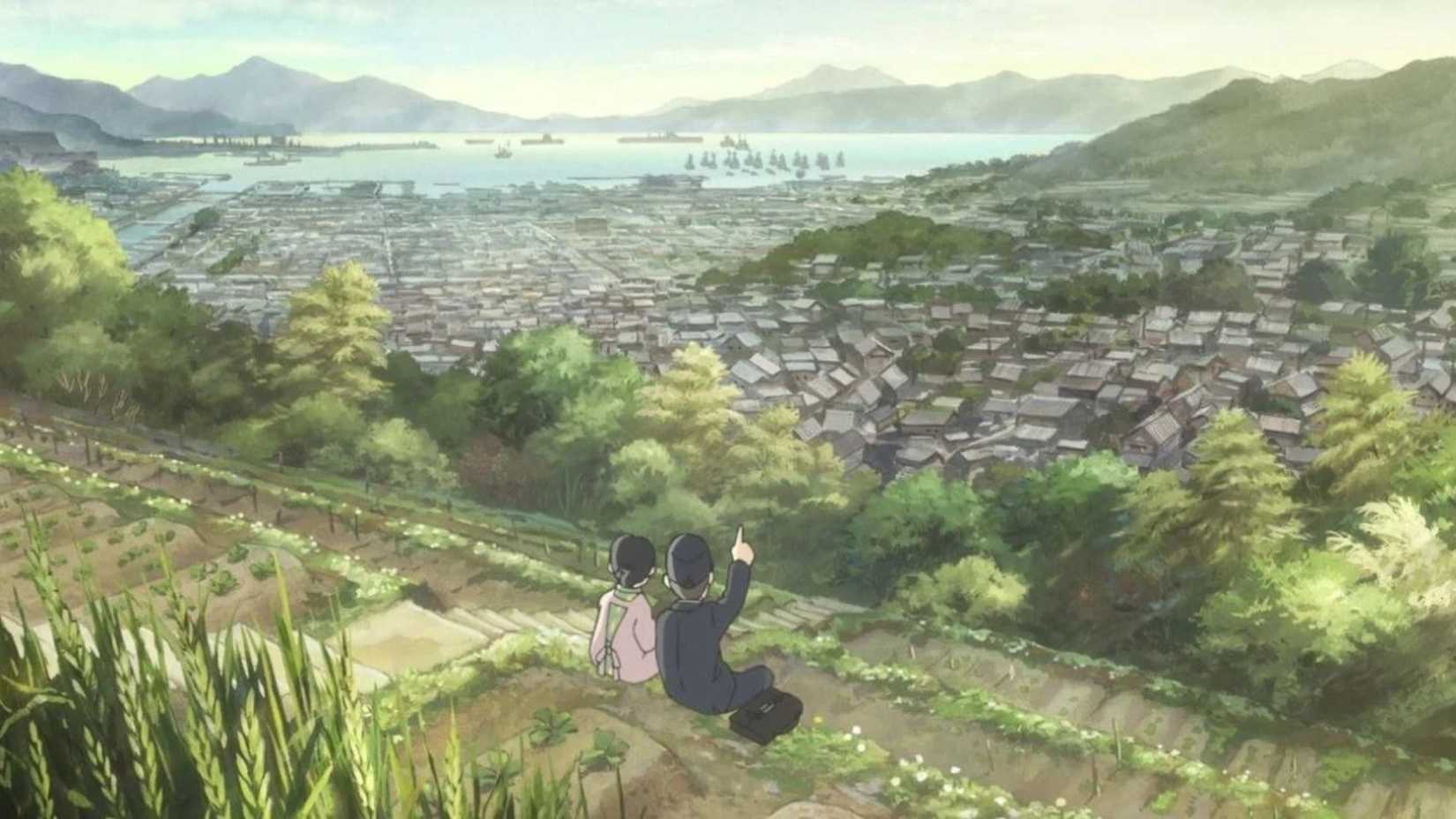
The film’s defining stylistic signature is its impressionistic visual design. Rather than pursuing hyper-realism or crisp digital lines, the art direction utilizes a soft, hazy palette that evokes hand-painted watercolors. This choice is deeply tied to the psychological interiority of its protagonist. Suzu is an artist; her perception of the world is inherently creative, whimsical, and observant.
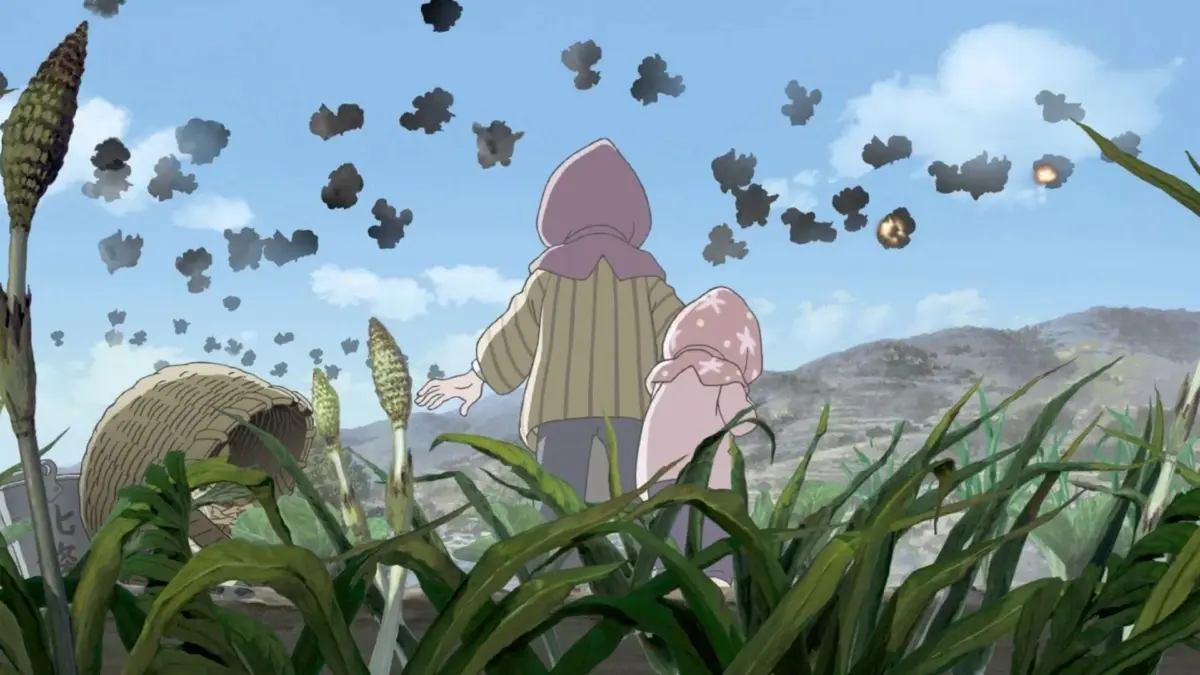
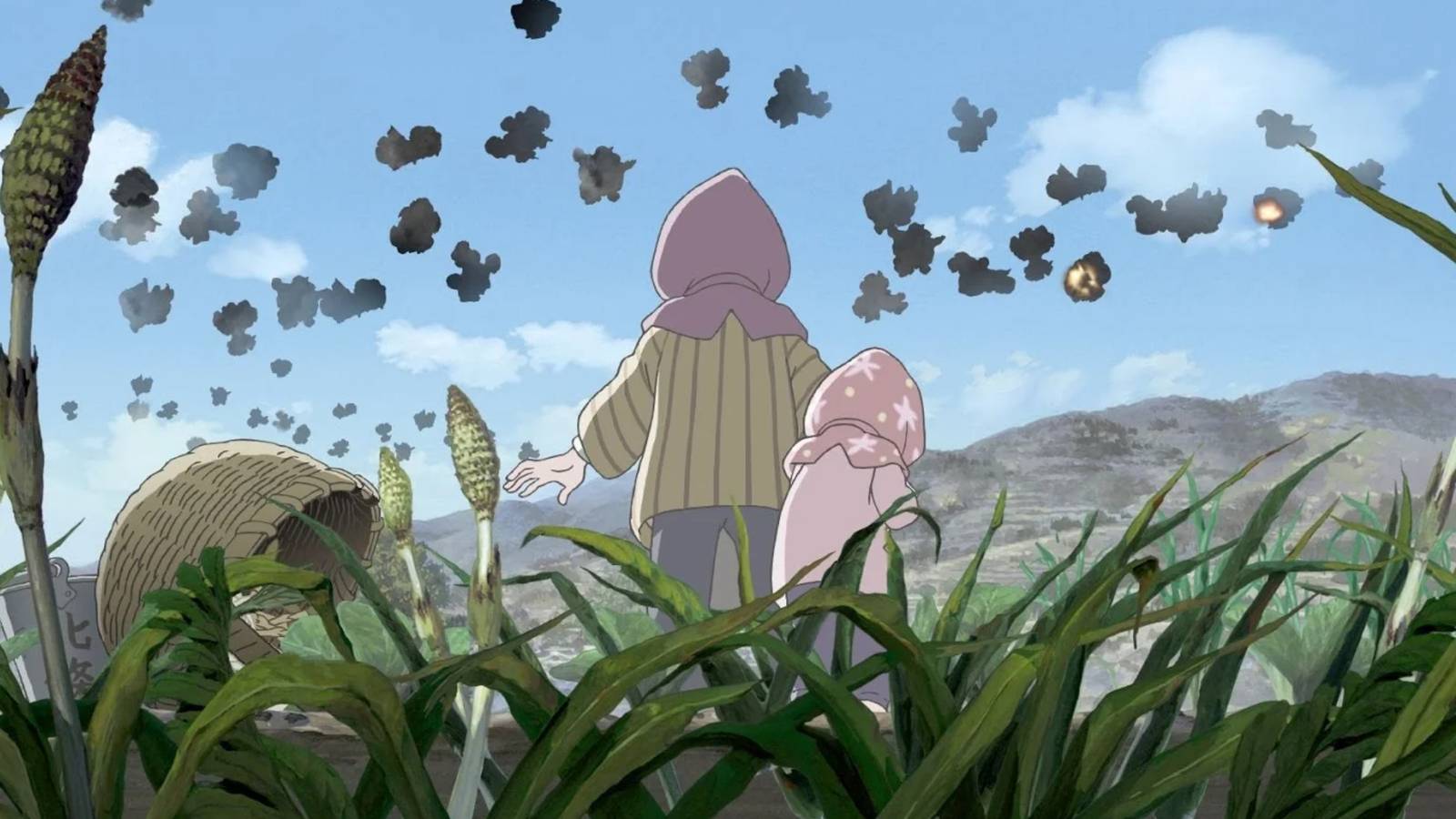
Katabuchi weaponizes this artistic lens to devastating effect. As the war intensifies, Suzu’s personal sketches literally bleed into the physical environment. Terrifying air raids and anti-aircraft fire are filtered through her imagination, rendered not merely as mechanical destruction, but as abstract strokes of ink and vivid splashes across the canvas of the sky. This stylistic bridge between beauty and horror creates an emotional dissonance that amplifies the tragedy of the narrative.
Granular Historical Realism
While cinematic touchstones like Studio Ghibli’s Grave of the Fireflies or Madhouse’s Barefoot Gen focus heavily on the immediate, explosive trauma of the atomic bombings and post-war survival, In This Corner of the World allocates the vast majority of its runtime to the mundanity of deprivation.
The film explores historical mechanics with anthropological precision:
- Rationing and Culinary Resourcefulness: Much of the early domestic drama revolves around Suzu’s struggle to cook palatable meals with heavily restricted ingredients, turning ersatz recipes and wild grass into acts of survival.
- Geographic Specificity: The naval port city of Kure is rendered with exact architectural and topographical accuracy. The filmmakers mapped historical street grids, naval dockyards, and hillside paths to reflect how ordinary citizens lived directly under the shadow of Japan’s military apparatus.
- The Creeping Normalcy of Violence: The transition from peacetime anxieties to total war is charted through subtle shifts—paper shortages, air-raid drills, the appearance of navy personnel billeted in civilian homes, and the eventual, routine sound of sirens overhead.
Critical Reception and Box Office Metrics
| Metric Category | Data Point / Achievement |
|---|---|
| Release Year | 2016 (Original Cut), 2019 (Expanded Cut) |
| Box Office Gross | Over ¥2.5 billion ($23+ million USD domestic) |
| Theatrical Run | Over 113 consecutive weeks in select Japanese cinemas |
| Major Awards | Japan Academy Film Prize (Animation of the Year), Mainichi Film Award for Best Animation Film, Hiroshima Peace Film Award |
| Crowdfunding Success | ¥36.2 million raised via Makuake (2012) |
Official Statements & Creative Insights
The enduring legacy of In This Corner of the World is best understood through the testimonies of the creative forces who brought Fumiyo Kouno’s vision to life.
Director Sunao Katabuchi has frequently emphasized that his primary goal was not to make a political statement about war, but to document how human beings preserve their humanity under conditions designed to strip it away. In various interviews surrounding the film’s release and subsequent anniversary retrospectives, Katabuchi noted:
"We didn’t want to frame Suzu as a passive victim of history, nor as a heroic figure of resistance. She is an ordinary person trying to figure out how to fold laundry, greet her neighbors, and love her husband while the world outside is literally falling apart. The horror of war is not just the bomb that drops at the end; it is the slow, grinding erosion of a person’s daily dignity over years of scarcity and fear."
Animators and producers at MAPPA have similarly looked back on the film as a vital touchstone for the studio’s identity. While commercial pressures have increasingly steered the studio toward high-output action franchises, executives have noted that the foundational ethos established during productions like In This Corner of the World—a commitment to deep, character-driven storytelling and meticulous hand-crafted animation styles—remains a core pillar of the studio’s internal culture.
Future Outlook: The Legacy of a Quiet Triumph
As anime production scales upward into globalized, highly digitized pipelines dominated by streaming algorithms and international committee demands, films like In This Corner of the World serve as a vital reminder of the medium’s artistic potential.
Ten years after its debut, the film’s status as a "forgotten" masterpiece among casual viewers highlights a broader industry trend: works of quiet, contemplative humanity are frequently overshadowed by the deafening noise of blockbuster shonen adaptations. Yet, masterpieces do not decay with time. As new generations of viewers discover the film via digital platforms like Prime Video and physical media releases, its emotional resonance remains entirely intact.
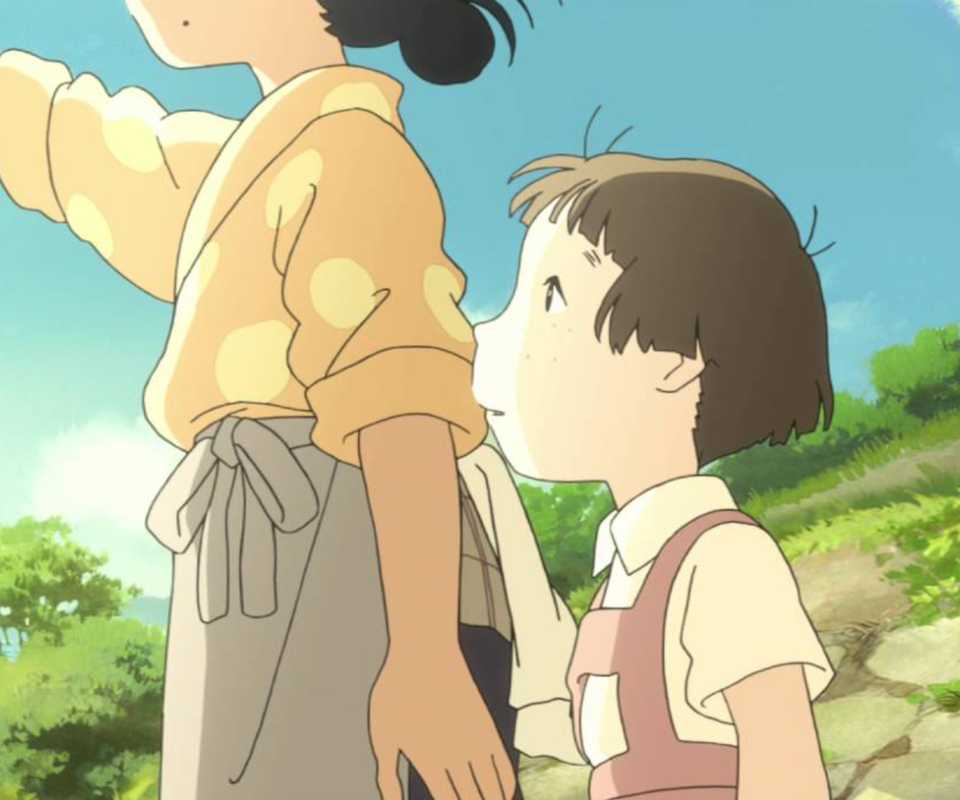
Looking ahead, the legacy of In This Corner of the World challenges both MAPPA and the broader anime industry to continue investing in historical narratives, intimate character studies, and risk-taking artistic styles. It proves definitively that animation does not require fantastical magic systems, superhuman combatants, or multiversal stakes to achieve greatness. Sometimes, the most powerful animation is achieved simply by looking closely at a single pair of hands drawing watercolors in the corner of a changing world, reminding us that even in the darkest chapters of human history, everyday life—with all its messy, stubborn beauty—is worth fighting to preserve.