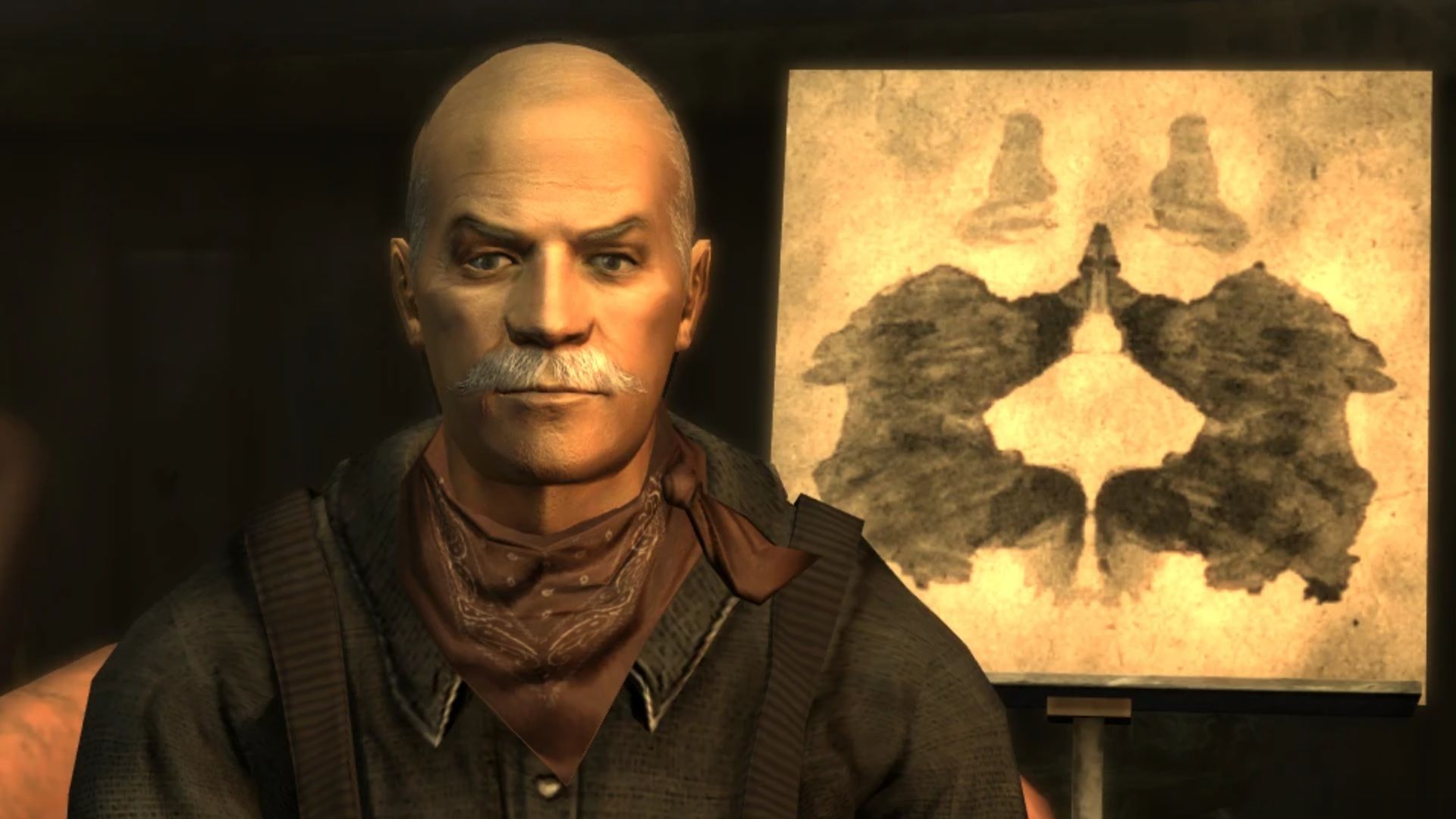
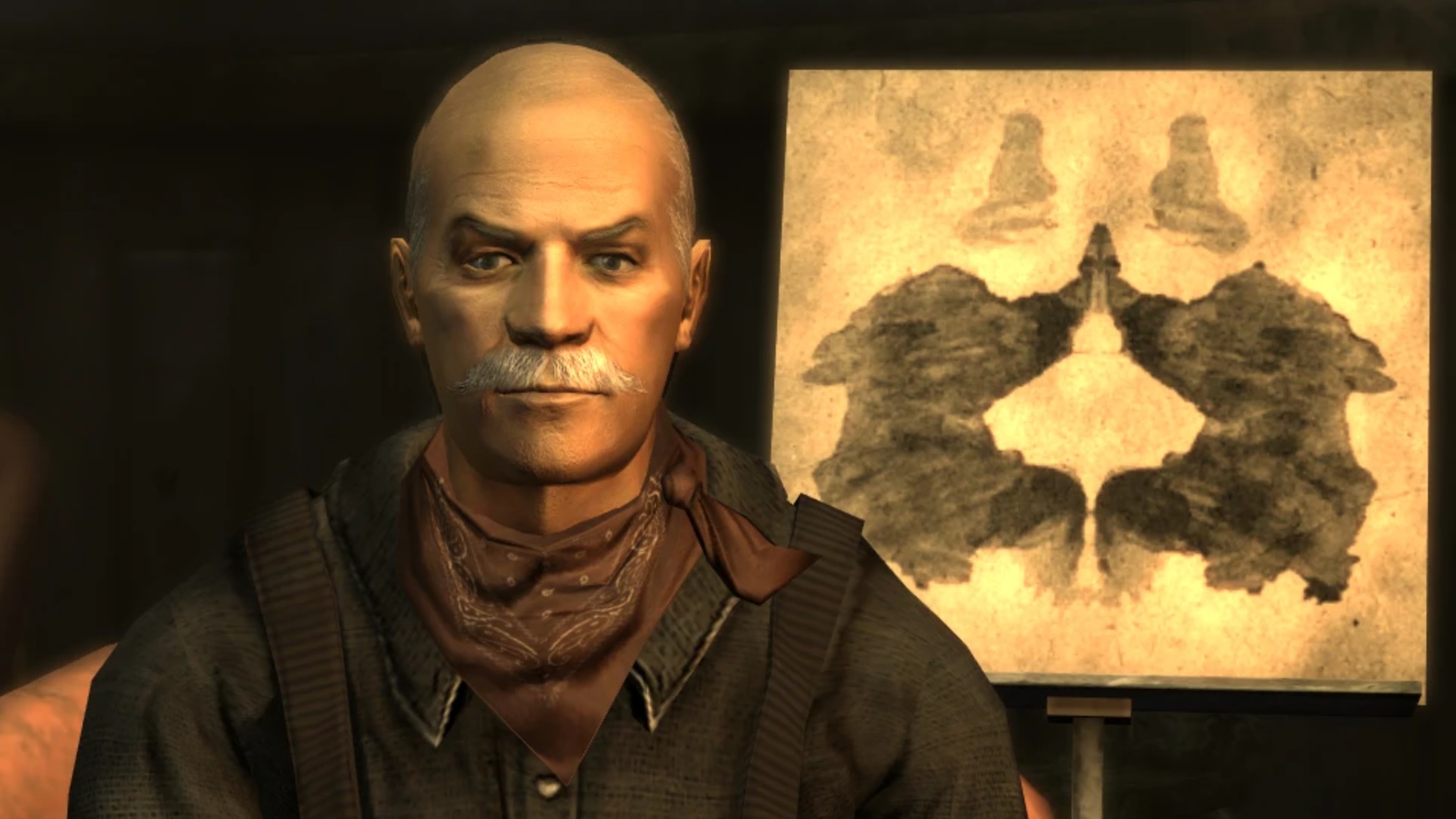
The debate surrounding studio authorship, corporate stewardship, and the rivalry between Bethesda Game Studios and Obsidian Entertainment remains one of the most enduring sagas in modern video game history. More than a decade after its 2010 release, Fallout: New Vegas continues to occupy a mythic space in the collective consciousness of western RPG fans. Developed by Obsidian under tight time constraints, the title earned critical acclaim for its narrative branching, reactive world-building, and sharp writing—elements that many vocal fans argue surpassed the creative direction of mainline Fallout entries helmed by Bethesda.
Yet, despite the overwhelming cultural and commercial success of New Vegas, the franchise’s fantasy counterpart, The Elder Scrolls, has never received a similar treatment. No external studio has been handed the keys to Tamriel to craft an independent, mainline-adjacent spinoff.
Recent insights from former Bethesda Studios designer Kurt Kuhlmann shed light on this strategic omission. Speaking on the FRVR Podcast, Kuhlmann revealed that the phenomenon surrounding New Vegas inadvertently fostered a divisive fan narrative centered on the question: "Who makes a better Fallout game?" According to Kuhlmann, Bethesda Game Studios director Todd Howard and the core leadership team are intensely protective of The Elder Scrolls intellectual property (IP), consciously avoiding the creation of a competitive dynamic that could split perceptions of brand ownership or challenge internal creative authority.
This comprehensive report examines the structural, cultural, and industry-wide reasons why The Elder Scrolls was never handed off to an external studio like Obsidian, how massively multiplayer online iterations like The Elder Scrolls Online (ESO) altered the strategic release landscape, and what the future holds for both iconic franchises under the corporate umbrella of Microsoft and Xbox.
Detailed Chronology: From the Wasteland to Tamriel
To understand Bethesda’s current protective stance over The Elder Scrolls, one must trace the timeline of franchise stewardship, outsourcing, and community response across the 2000s and 2010s.
1. The Acquisition and Transition of Fallout (2004–2008)
July 2004: Bethesda Softworks acquires the Fallout intellectual property from Interplay Entertainment, shifting the series from its isometric, turn-based CRPG roots (Fallout 1 and 2) into a first-person/third-person open-world action RPG format.
October 2008: Bethesda releases Fallout 3, set in the Capital Wasteland of post-apocalyptic Washington, D.C. The game is a massive commercial success and revitalizes the dormant franchise, winning numerous Game of the Year awards. However, purists of the original Black Isle Studios/Interplay games criticize the shift in tone and narrative structure.
2. The New Vegas Phenomenon (2010)
October 2010: Obsidian Entertainment—founded by key veterans of Black Isle Studios—releases Fallout: New Vegas under contract with Bethesda. Utilizing the engine and technical framework of Fallout 3, Obsidian infuses the Mojave Wasteland with faction-driven politics, complex moral dilemmas, and writing heavily reflective of the original franchise ethos.
The Aftermath: While New Vegas suffers from notoriously buggy launch conditions due to an aggressive 18-month development cycle, its narrative complexity and deep role-playing mechanics earn it legendary status. Over time, a vocal faction of the fanbase elevates New Vegas as the undisputed pinnacle of modern Fallout, frequently using its success to critique Bethesda’s narrative design choices in subsequent titles like Fallout 4 and Starfield.
3. The Shift to Ongoing Content and The Elder Scrolls Online (2014–Present)
April 2014: ZeniMax Online Studios launches The Elder Scrolls Online (ESO), providing a continuous stream of content set across Tamriel.
The Strategic Impact: According to Kurt Kuhlmann, ESO played a critical role in mitigating fan pressure for a single-player Elder Scrolls spinoff. By keeping the brand actively in rotation with massive expansions and live-service updates, Bethesda satisfied the consumer appetite for new experiences in the universe while keeping the single-player mainline series tightly controlled by its internal studio heads.
Supporting Context & Metrics: The Mechanics of Studio Protectionism
The reluctance of a major publisher to hand its crown-jewel franchise to a secondary studio is rarely based on spite; rather, it is a calculated exercise in brand preservation, quality control, and psychological safety for internal development teams.
The Fan Culture Divide
In the video game industry, few communities are as polarized as the overlapping fanbases of Bethesda and Obsidian. The "Bethesda vs. Obsidian" dichotomy manifests in endless forum debates, video essays, and social media posturing.
The Narrative: Proponents of this viewpoint argue that Obsidian understands structural role-playing freedom, player agency, and reactive consequences far better than Bethesda, whose design philosophy often leans toward systemic exploration, environmental storytelling, and emergent sandbox gameplay.
The Pressure: As Kuhlmann noted on the FRVR Podcast, the constant refrain of "Why don’t they just let Obsidian make it?" creates an uncomfortable internal atmosphere. When an external studio matches or exceeds the critical consensus of the original creators using the same technological assets, it introduces friction into the corporate and creative hierarchy.
Intellectual Property (IP) Protectionism
Todd Howard is widely recognized as one of the most influential directors in gaming history, having steered The Elder Scrolls since Morrowind and the Fallout series since its acquisition. Maintaining creative consistency across decades requires an uncompromising vision.
Tone and Lore Integrity:The Elder Scrolls boasts one of the most dense, mythologically rich lore structures in gaming, spanning complex metaphysical concepts (such as CHIM, the Godhead, and the Dragon Breaks) alongside grounded medieval fantasy. Handing this universe to an external studio risks lore dilution, tonal drift, and fragmentation of brand identity.
Corporate Risk Mitigation: Major publishers invest hundreds of millions of dollars and up to a decade of development time into mainline releases like The Elder Scrolls VI. Introducing an external variable—such as a concurrent spinoff that could potentially overshadow or confuse the messaging of the primary release—is a risk executive leadership prefers to avoid.
Official Statements & Industry Perspectives
The discourse surrounding studio autonomy and creative protectionism has been fueled by candid reflections from industry veterans who witnessed these corporate dynamics firsthand.
Kurt Kuhlmann on the "New Vegas Effect"
Reflecting on his tenure at Bethesda Game Studios, Kurt Kuhlmann explained how the legacy of New Vegas fundamentally altered how leadership viewed external partnerships:
"The whole New Vegas thing did create at least the perception of this, ‘Who makes a better Fallout game? Oh, they should just give it to Obsidian.’ There are the Obsidian, New Vegas people that think ‘Obviously New Vegas is way better, Obsidian is way better at making those games, and why don’t they just get Fallout altogether.’
I don’t know that Todd wanted to create that situation again for The Elder Scrolls. Todd, from my time there, he is very protective of it."
The Role of The Elder Scrolls Online as a Buffer
Kuhlmann also highlighted how the MMORPG adaptation served as an institutional pressure valve, satisfying player demand without necessitating a risky single-player spinoff:
"I do think [Elder Scrolls Online] took the heat off. There was a new Elder Scrolls product and it was ongoing. It was creating new content constantly… That’s their experience with it. That’s what they love. That’s where they got their Elder Scrolls gaming experience, and that’s probably what they want more of."
Critical Analysis: Navigating Fan Toxicity and Corporate Reality
Industry analysts point out that while fan demands for outsourced spinoffs often stem from a passion for the source material, the online vitriol directed at studio directors like Todd Howard can cross into toxic territory.
While leadership at Bethesda maintains a professional public posture—frequently speaking respectfully of their peers at Obsidian—the underlying pressure from a hyper-critical internet culture inevitably reinforces insular development practices. Paradoxically, while fans clamor for alternative interpretations of their favorite worlds, the corporate realities of modern game development—marked by widespread studio restructuring, acquisitions, and layoffs across the industry—mean that even when external studios do get a shot at beloved IPs, they often do so under immense economic duress.
Future Outlook: What Lies Ahead for Tamriel and the Wasteland?
As the gaming landscape continues to consolidate under massive tech conglomerates—crystallized by Microsoft’s acquisition of ZeniMax Media (Bethesda’s parent company) and Activision Blizzard—the relationship between Bethesda Game Studios and Obsidian Entertainment has undergone a profound structural shift.
1. Sister Studios Under Microsoft
For the first time in history, both Bethesda Game Studios and Obsidian Entertainment operate under the same corporate umbrella (Xbox Game Studios). This unprecedented alignment has sparked renewed fan speculation regarding the possibility of future collaborations. Could Obsidian be tapped once more to return to the Fallout universe? Could other Xbox-owned studios contribute to the broader ecosystem of Bethesda’s franchises?
2. The Long Horizon of The Elder Scrolls VI
Bethesda remains entirely focused on the long-term development of The Elder Scrolls VI, alongside continued post-launch support and content expansion for Starfield. Given the staggering scope required of modern AAA single-player RPGs, the studio’s internal bandwidth is fully committed. Consequently, the likelihood of an external single-player Elder Scrolls spinoff remains exceedingly low. Bethesda prefers to build its worlds entirely in-house, ensuring absolute fidelity to its singular creative vision.
3. The Evolution of Live-Service Ecosystems
Platforms like The Elder Scrolls Online and Fallout 76 will continue to act as foundational pillars for their respective franchises, bridging the multi-decade gaps between mainline single-player releases. By maintaining continuous engagement through these digital ecosystems, Bethesda can successfully mitigate fan impatience while safeguarding the pristine isolation of its single-player masterpieces.
Ultimately, while the internet will forever debate the merits of New Vegas versus Fallout 3, or wonder what an Obsidian-crafted Elder Scrolls might look like, Bethesda’s fortress-like approach to its intellectual property remains firmly intact—driven by a legacy of fierce independence, creative protectionism, and a refusal to share the editorial throne.