Executive Overview
For a franchise that once commanded the cultural zeitgeist with ruthless annual precision, the Star Wars cinematic apparatus has spent the better part of a decade mired in a cycle of high-profile departures, shifting release calendars, and intense fan scrutiny. Following the divisive conclusion of the sequel trilogy with 2019’s Star Wars: The Rise of Skywalker, Disney and Lucasfilm have struggled to successfully transition Star Wars from a television-dominated ecosystem back to the silver screen.
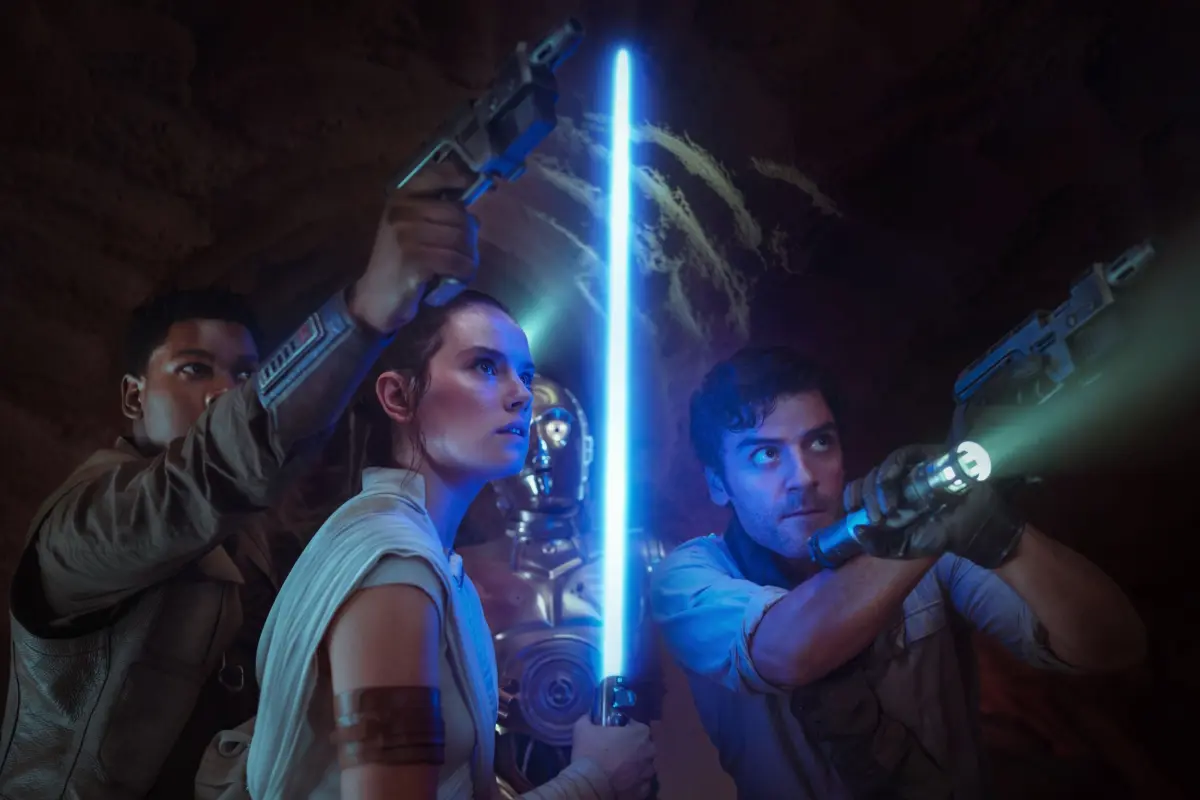
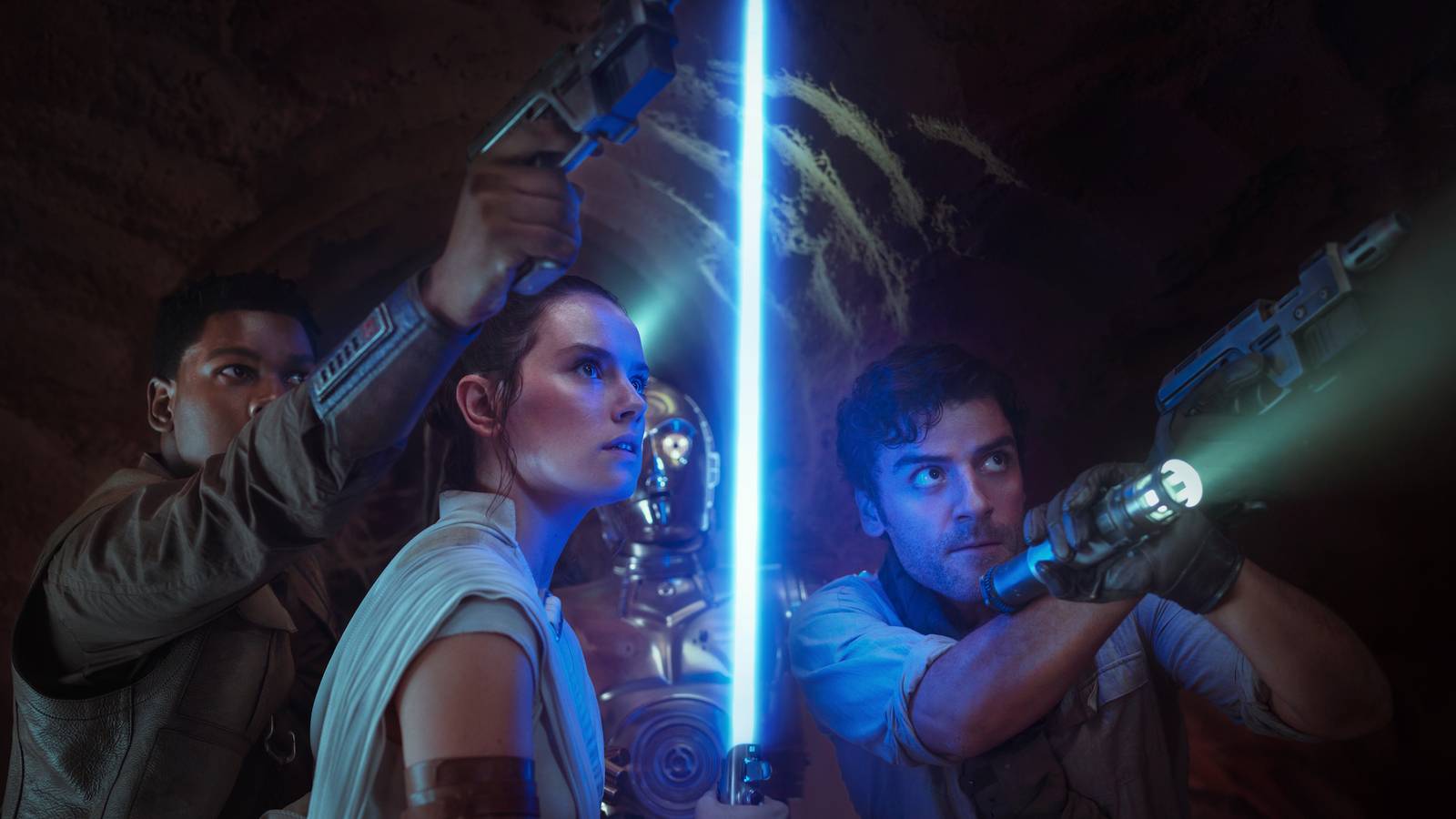
However, recent industry intelligence suggests that two of the most heavily anticipated—and frequently doubted—projects in the franchise’s pipeline are still actively moving forward. According to recent listings in Production Weekly, both Star Wars: New Jedi Order—which is slated to bring back Daisy Ridley as Rey Skywalker—and Dave Filoni’s untitled crossover event film remain in active development at Lucasfilm.
This confirmation arrives at a turbulent crossroads for the studio. Following the underwhelming box office performance of Star Wars: The Mandalorian & Grogu, Lucasfilm is facing mounting pressure to stabilize its theatrical slate. While the road ahead is fraught with creative hurdles, shifting writing rooms, and persistent fan skepticism, these behind-the-scenes updates prove that Lucasfilm has not abandoned its grand ambitions for the future of the galaxy far, far away.
Detailed Chronology: A History of Delays and Creative Reboots
To understand the current standing of New Jedi Order and Dave Filoni’s crossover movie, one must look closely at the convoluted timelines and revolving doors of talent that have defined Lucasfilm’s development process over the past several years.
The Evolution and Hurdles of Star Wars: New Jedi Order
First announced with grand fanfare at Star Wars Celebration, New Jedi Order was initially pitched as a groundbreaking step forward for the franchise, picking up roughly 15 years after the events of The Rise of Skywalker. The film’s primary narrative hook—following Rey as she attempts to rebuild the shattered Jedi Order from the ground up—carries immense narrative weight. Yet, the project has struggled to maintain a stable creative anchor from its inception.
- The Initial Writers: The project’s earliest iterations were spearheaded by Damon Lindelof (Lost, The Leftovers, Watchmen) alongside Justin Britt-Gibson. However, creative differences led to a swift parting of ways, with Disney ultimately removing the pair from the project (the duo has since pivoted to HBO’s superhero detective series, Lanterns).
- The Steven Knight Era: Following Lindelof and Britt-Gibson’s departure, acclaimed Peaky Blinders creator Steven Knight was brought on board to pen the script. Knight’s gritty, character-driven storytelling sensibilities initially felt like a fresh direction for the franchise. However, by 2024, Knight also exited the project amid ongoing script delays.
- The George Nolfi Takeover: Seeking stability, Lucasfilm tapped veteran screenwriter George Nolfi (The Bourne Ultimatum) to take over scriptwriting duties, working alongside director Sharmeen Obaid-Chinoy.
- The Calendar Shift: New Jedi Order was originally penciled in for a prestigious holiday release on December 17, 2027. However, in May 2025, Disney quietly removed the film from its master release calendar, triggering widespread speculation that the movie had been quietly shelved. The recent Production Weekly listings provide the first concrete counter-evidence to those rumors, signaling that pre-production and logistical planning are still grinding forward behind closed doors.
Dave Filoni’s Mandoverse Crossover: Connecting the Threads
While New Jedi Order attempts to chart a path forward for the post-sequel era, Dave Filoni’s untitled feature film aims to tie together years of interconnected storytelling across Disney Plus.
Filoni, who ascended to the role of President and Chief Creative Officer at Lucasfilm, has been the chief architect of modern Star Wars television. His upcoming feature film has long been rumored to serve as the grand finale for the interconnected narratives established across The Mandalorian, The Book of Boba Fett, Ahsoka, and other streaming projects.
According to loglines surfaced in Production Weekly, the film’s narrative focus will center squarely on the geopolitical and military struggles of the New Republic, forcing its sprawling cast of television characters to confront an existential threat to the newly restored galactic government. Despite early rumors that the film’s premise might be heavily retooled following the softer-than-expected box office returns of The Mandalorian & Grogu, the studio’s continued inclusion of the project in active production databases suggests the core vision remains intact.
Supporting Context & Metrics: Navigating Fan Sentiment and Box Office Realities
Lucasfilm’s current theatrical strategy cannot be evaluated in a vacuum. The studio is operating under intense economic and cultural pressures that dictate how risky these upcoming projects can afford to be.
The Shadow of the Sequel Trilogy
New Jedi Order faces a unique hurdle that no other Star Wars film has had to confront: a direct, chronological tether to the sequel trilogy. While The Force Awakens and The Last Jedi generated massive commercial revenue, the divisive reception of The Rise of Skywalker left deep fractures within the global fandom.
Rebuilding a franchise around Rey Skywalker—a character beloved by many younger fans but heavily criticized by vocal internet subsets—is an inherently high-stakes gamble. For New Jedi Order to succeed, it cannot merely rely on nostalgic callbacks; it must radically redefine what a Jedi means in an era where the mistakes of the past are meant to be unlearned. The frequent script rewrites overseen by Lindelof, Knight, and Nolfi highlight Lucasfilm’s acute awareness of this challenge. The studio is aggressively searching for a narrative angle that satisfies old-guard purists while charting a bold, uncompromised future.
The Interconnectivity Dilemma
On the other side of the ledger, Dave Filoni’s project faces the inverse problem: an over-reliance on institutional continuity. Filoni’s television portfolio (The Clone Wars, Rebels, Ahsoka) is legendary among dedicated fans, but critics have frequently targeted his work for erecting high barriers to entry.
For the average moviegoer who wanders into a theater on a Friday night, the idea of watching a cinematic climax that requires a prerequisite "homework assignment" of dozens of hours of streaming television is a proven commercial deterrent. As Disney re-evaluates its theatrical output following mixed returns on recent blockbusters, Filoni and his team will have to thread the needle carefully, ensuring his cinematic event functions as a standalone spectacle rather than an overstuffed season finale.
Official Statements and Industry Insights
While Lucasfilm executives have historically played their cards close to the chest, preferring carefully orchestrated announcements at events like Star Wars Celebration over daily press updates, industry tracking services paint a clearer picture than corporate press releases.

The inclusion of New Jedi Order and Filoni’s untitled project in Production Weekly serves as a vital barometer for industry insiders. These directories do not track speculative brainstorms; they track active budgeting, crew acquisition, location scouting, and preliminary logistical frameworks. The presence of both films in these databases confirms that millions of dollars continue to be allocated toward their development, directly contradicting persistent internet rumors of an indefinite creative freeze.
Furthermore, the leadership shift that saw Filoni step into his role as Chief Creative Officer places him in a position of unprecedented authority. Unlike previous eras where external directors wrestled with studio notes, Filoni now holds the institutional keys to the kingdom, granting his cinematic vision a layer of insulation that few prior filmmakers have enjoyed.
Future Outlook: The Road to 2027 and Beyond
As the dust settles on a transitional era for Lucasfilm, the studio’s theatrical blueprint is slowly coming into focus.
The only Star Wars film currently boasting a concrete, unyielding release date is Star Wars: Starfighter, directed by Shawn Levy (Deadpool & Wolverine) and starring Ryan Gosling as a gritty pilot navigating the galaxy five years after the events of The Rise of Skywalker. Slated for theatrical release on May 28, 2027, Starfighter will serve as the vanguard for Disney’s renewed big-screen push, testing whether star power and a standalone narrative can successfully lure mainstream audiences back to multiplexes.
Where does that leave New Jedi Order and Filoni’s crossover film? While neither project currently occupies an official calendar slot—New Jedi Order having lost its December 2027 placeholder—their continued status in active development suggests they are being groomed as the second wave of Lucasfilm’s cinematic resurrection.
If George Nolfi’s script for New Jedi Order can finally bridge the gap left by the sequel trilogy, and if Filoni can successfully streamline his sprawling television universe into a cohesive cinematic punch, the galaxy far, far away may yet reclaim its crown as the undisputed king of box office blockbusters. Until then, Lucasfilm is playing a patient, quiet game of chess—ensuring that when these long-awaited projects finally step into the spotlight, they are built to last.