Executive Overview
For more than a decade, Critical Role has stood as the undisputed titan of the Tabletop Role-Playing Game (TTRPG) actual-play phenomenon. Spanning hundreds of hours of intricate world-building, high-stakes combat, and emotional role-playing, the franchise has grown from a humble home game streamed among voice-acting friends into a global multimedia empire. Its reach now extends far beyond the traditional Thursday night broadcast, branching out into best-selling graphic novels, standalone board games, and critically acclaimed animated adaptations on Amazon Prime Video, such as The Legend of Vox Machina and The Mighty Nein.
Yet, alongside its meteoric rise, the show has long grappled with a unique barrier to entry: the sheer, intimidating length of its broadcasts. Traditionally, episodes have routinely spanned three to four hours. However, during the intense narrative peaks of the "Convergence" arc in Campaign 4, runtimes ballooned even further, pushing past the five-hour mark. The apex of this marathon era arrived with Episode 31, "Trick of the Light," which clocked in at a staggering six hours and eighteen minutes.
For passionate fans—affectionately known as "Critters"—these sprawling sessions were badges of honor. For newcomers, however, they presented a daunting obstacle. Now, the era of the cinematic six-hour livestream appears to be drawing to a close. During a recent installment of the Fireside Chat live ask-me-anything series on the Beacon platform, Critical Role co-founder and creative director Marisha Ray addressed the shift directly. Offering a candid glimpse into the realities of modern media production, Ray confirmed that shorter, more manageable runtimes are officially here to stay—a change driven by a mix of audience habits, legal labor requirements, and a dedicated push to protect the well-being of the show’s exhausted cast and crew.
Detailed Chronology: From Late-Night Marathons to Sustainable Broadcasting
To understand the weight of Critical Role’s recent scheduling shift, it is necessary to examine how the show’s production cadence has evolved since its inception.
When the campaign first premiered on Geek & Sundry in 2015, the table was loose, experimental, and operating on a standard broadcasting window that naturally gravitated toward the three-to-four-hour mark. As the production found its footing, built its own independent studio, and launched the Darrington Press publishing arm, the broadcasts naturally scaled in ambition. Production values skyrocketed, elaborate sets were constructed, and the scope of the narratives expanded exponentially.
By the time Campaign 3 and the subsequent transition into Campaign 4 rolled out, the episodes began to stretch. The narrative demands of complex multi-layered campaigns often forced Game Masters and players into protracted tactical combat encounters that could easily consume half of a single broadcast. The "Convergence" arc pushed this phenomenon to its absolute limit. With massive plot threads converging, intense emotional beats playing out in real-time, and a desire to deliver maximum cinematic impact, the team let the cameras roll well past midnight Pacific Time.
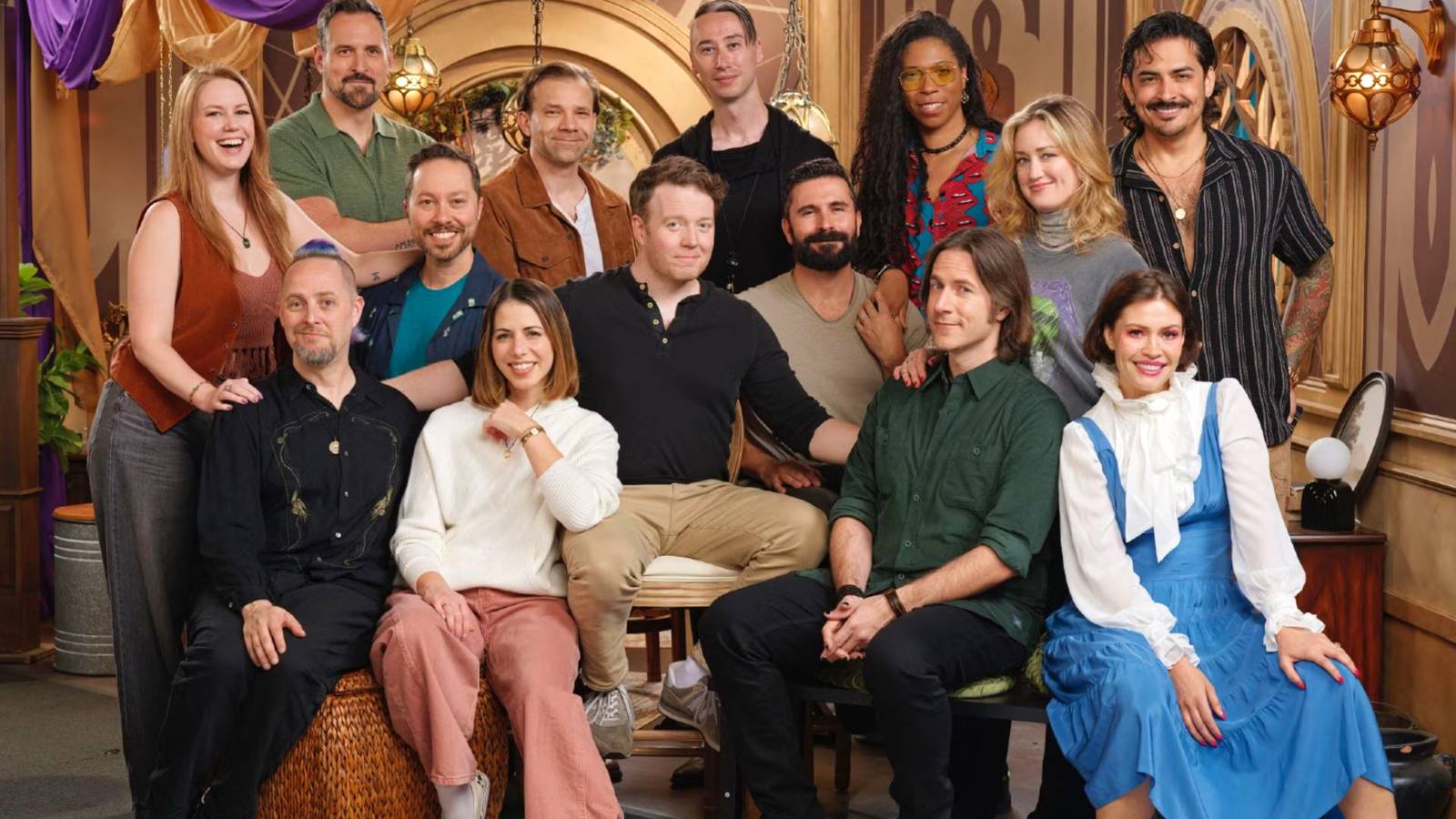
While viewers across North America faced late-night fatigue—with East Coast fans routinely seeing episodes wrap up past 2:00 a.m.—international fans bore the brunt of the scheduling weight. In regions like the United Kingdom and Europe, live viewing required staying awake until 3:00 a.m. or later.
The turning point arrived following the exhausting climax of extended episodes like "Trick of the Light." Recognizing that the production model was unsustainable in its current form, leadership at Critical Role initiated a quiet recalibration. Runtimes began to pull back toward a tighter, more disciplined three-to-four-hour window. In her recent Fireside Chat session, Marisha Ray confirmed what observant fans had suspected for months: the adjustment is permanent, prioritizing structural health and viewer retention over marathon streaming records.
Supporting Context & Metrics: The Human and Digital Toll of Marathon Streams
The decision to shorten episodes was not made in a vacuum. It is the result of a delicate balancing act between digital analytics, international time zones, and the physical realities of live-to-tape studio production.
The Viewer Retention Equation
When asked directly via the community’s Discord server why recent episodes had visibly shrunk in length, Ray offered a characteristically blunt and humorous assessment: "Y’all stop watching!"
While said with a chuckle, the underlying metric is an undeniable truth of digital media consumption. Engagement curves for long-form content experience sharp drop-offs as the hours tick past midnight. Even the most dedicated fans frequently find themselves forced to split a single episode across multiple days, turning a live community event into a fragmented viewing experience. By tightening the narrative pacing, Critical Role aims to capture higher sustained attention spans while making the content far more approachable for prospective fans who might otherwise be scared off by a runtime rivaling The Lord of the Rings: The Fellowship of the Ring (Extended Edition).
Behind the Scenes: Labor, Overtime, and Crew Welfare
Beyond audience viewing habits, the most critical driver behind the shift is operational sustainability. Producing a live-to-tape show of this magnitude requires a massive off-camera infrastructure—camera operators, audio engineers, technical directors, lighting specialists, and production assistants.
Ray detailed the very real human cost of pushing past the four-hour threshold:

"There are several reasons: there are laws, our crew wants to go home, we want to make sure that they’re not starving by the end of the night, they want to go home and see their children. With production, if you go past certain times and you go into what are called meal penalties, or you start going into overtime, and don’t get me wrong, we’re super happy to pay it all, and pay it all the time here in Critical Role. But also, we don’t want to be toxic about that. We want to be mindful of that."
This statement sheds light on the progressive labor philosophy guiding the company. In traditional entertainment production, overtime and meal penalties (fines paid to crew members when production runs past legally mandated meal breaks) are often treated as standard operating expenses. However, Critical Role has actively chosen to pivot away from a culture of exhaustion.
The cast members themselves—many of whom spend their daytime hours working grueling schedules as top-tier voice actors or managing the expansive corporate and creative operations of the company—frequently arrive at the studio after a full day’s work. Filming late into the night, followed immediately by recording the mandatory 10-to-20-minute post-episode Cooldown companion segments, created a recipe for systemic burnout.
Official Statements & Industry Impact
The acknowledgement from Marisha Ray highlights a broader, much-needed conversation within the broader actual-play and podcasting industries regarding the sustainability of long-form content creation.
For years, the unwritten rule of the TTRPG streaming space was "more is better." Creators often felt pressured to deliver massive, sprawling sessions to justify subscription models, ad revenue streams, and fan expectations. However, as the industry matures, pioneering creators are discovering that burnout is the single greatest threat to long-running shows.
By openly discussing the legal parameters, union considerations, meal penalties, and family obligations of their crew, Critical Role is setting a new industry standard. They are demonstrating that commercial success and artistic ambition do not require the exploitation of physical endurance.
Industry analysts note that this shift could encourage other actual-play creators to implement stricter time limits, embrace pre-recording rather than live broadcasting, or break massive sessions down into digestible, episodic chapters.
Future Outlook: What Shorter Episodes Mean for Campaign 4 and Beyond
As Critical Role settles into this new era of disciplined runtimes, what does it mean for the creative integrity of the games being played?
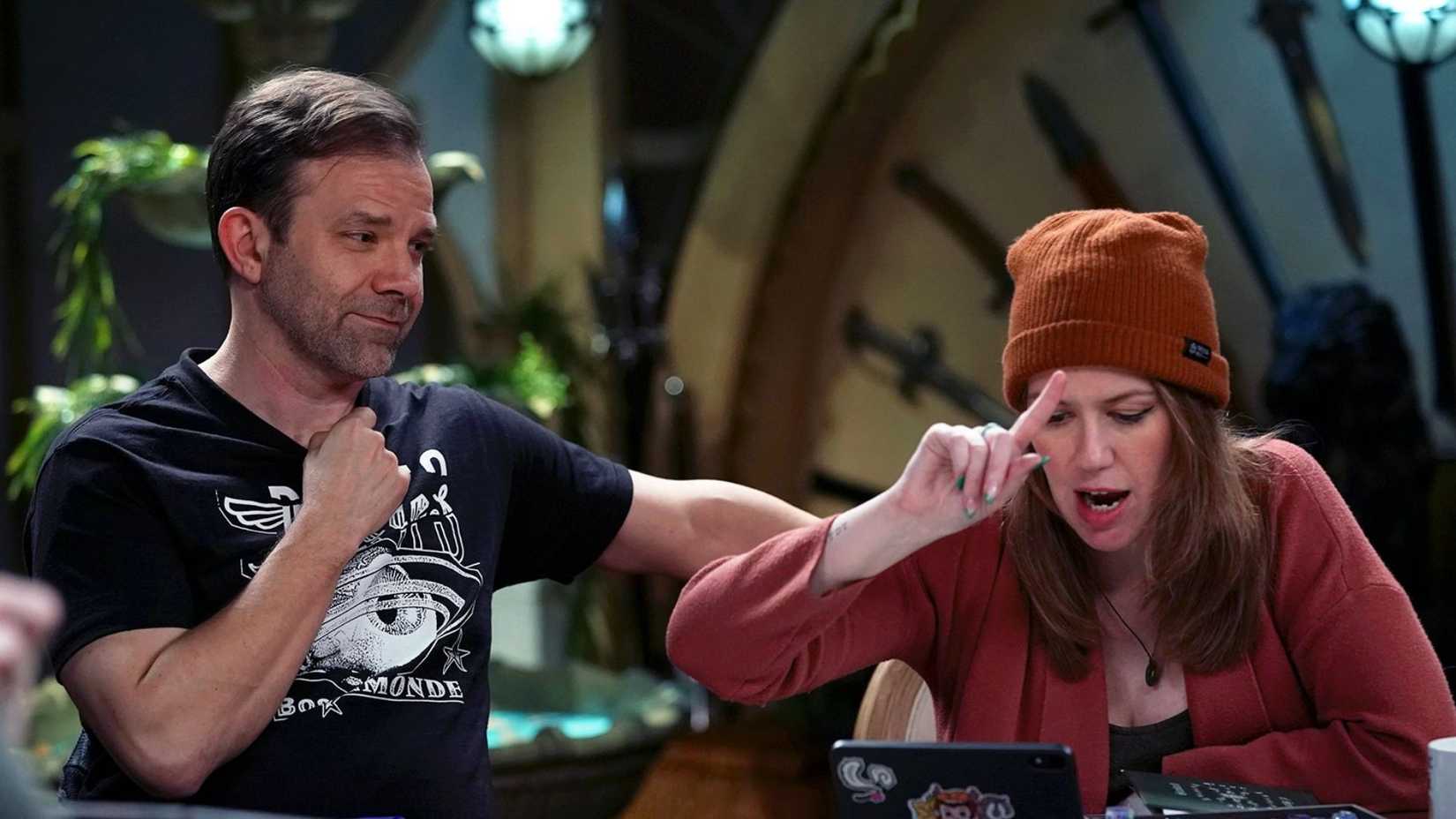
Fans who worry that tighter episodes might rush the narrative or cheapen the immersive role-playing experience need not panic. A three-to-four-hour runtime is still an eternity compared to standard television programming; it simply forces Game Masters and players to run a tighter ship. Pacing becomes more intentional, filler banter is streamlined, and combat encounters are designed with theatrical efficiency in mind.
Furthermore, a well-rested cast and crew directly translate to higher-quality performances. When actors are not battling the physical fog of a 2:00 a.m. recording session, their emotional agility, tactical decision-making, and comedic timing remain sharp from the opening roll of the dice to the final cliffhanger.
Ultimately, Critical Role’s willingness to adapt proves that the company’s leadership understands the long-term health of its ecosystem. By respecting the biological limits of its team and the time constraints of its global audience, the franchise is securing a sustainable foundation for whatever magical, dice-rolling adventures lie ahead.