Executive Overview
The landscape of desktop productivity and artificial intelligence integration shifted dramatically following a pivotal release by OpenAI. The artificial intelligence pioneer rolled out a specialized plugin that grants ChatGPT the capability to interact directly with Apple’s native iMessage application on macOS. Designed explicitly for users operating under ChatGPT Work and Codex tiers, this integration moves beyond simple text generation or sidebar queries. It actively empowers the desktop-based chatbot to scan message archives, search through missed conversations, summarize chat threads, and autonomously draft and dispatch replies on behalf of the user.
While heralded by enterprise productivity advocates as a major leap forward in ambient computing and workflow automation, the feature has immediately drawn intense scrutiny. Cybersecurity experts, privacy advocates, and industry analysts have flagged significant vulnerabilities regarding how sensitive, end-to-end encrypted messaging data is parsed and managed by third-party large language models (LLMs). Furthermore, the launch arrives against a backdrop of severely strained corporate relations between Apple and OpenAI. This fragile dynamic is underscored by active intellectual property litigation and high-stakes trade secret theft accusations.
This report provides an exhaustive examination of the new macOS iMessage plugin, detailing its functional mechanics, the stringent permission protocols required for activation, the looming privacy implications, and the broader geopolitical and legal fallout threatening the tenuous alliance between two of Silicon Valley’s most powerful entities.
Detailed Chronology of the Integration and Setup
The path toward deep desktop automation has been iterative, marked by OpenAI’s aggressive push to make ChatGPT an omnipresent operating system companion rather than a mere web-browser tool.
The Evolution of the Mac App
Earlier iterations of the ChatGPT desktop application for macOS focused primarily on a global shortcut overlay—allowing users to summon a conversational window instantly over any active application. However, these interactions were isolated; the AI could see what was on the screen via screenshots if explicitly permitted, but it lacked direct, programmatic hooks into native macOS frameworks.
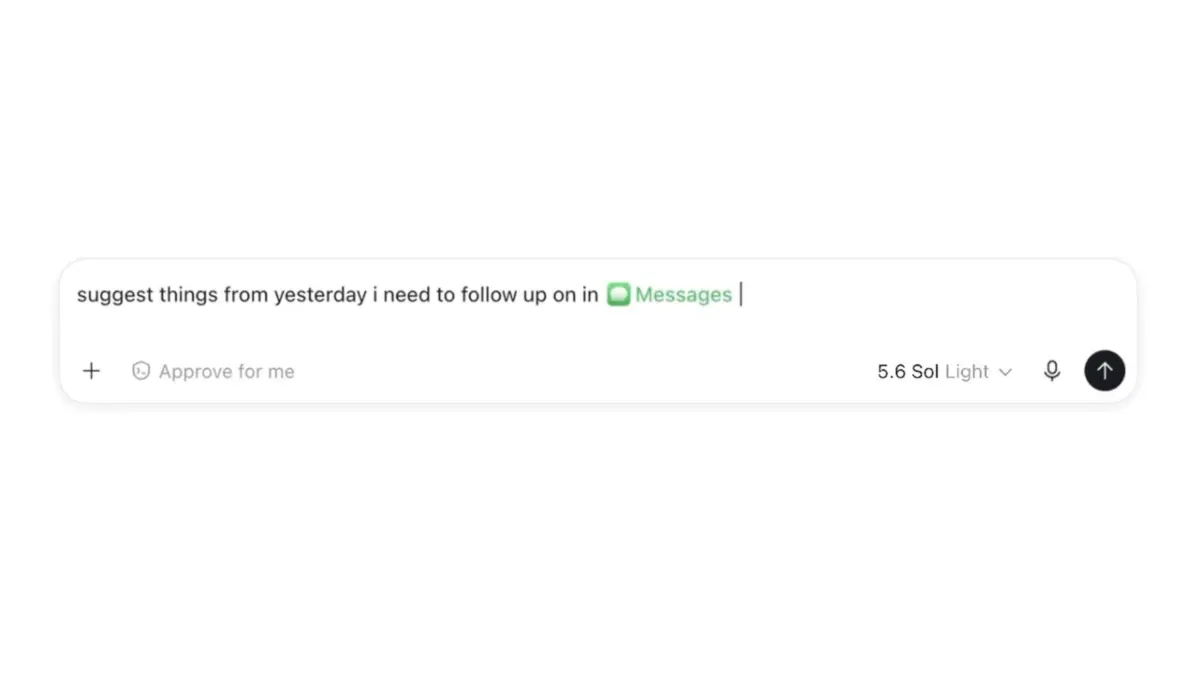
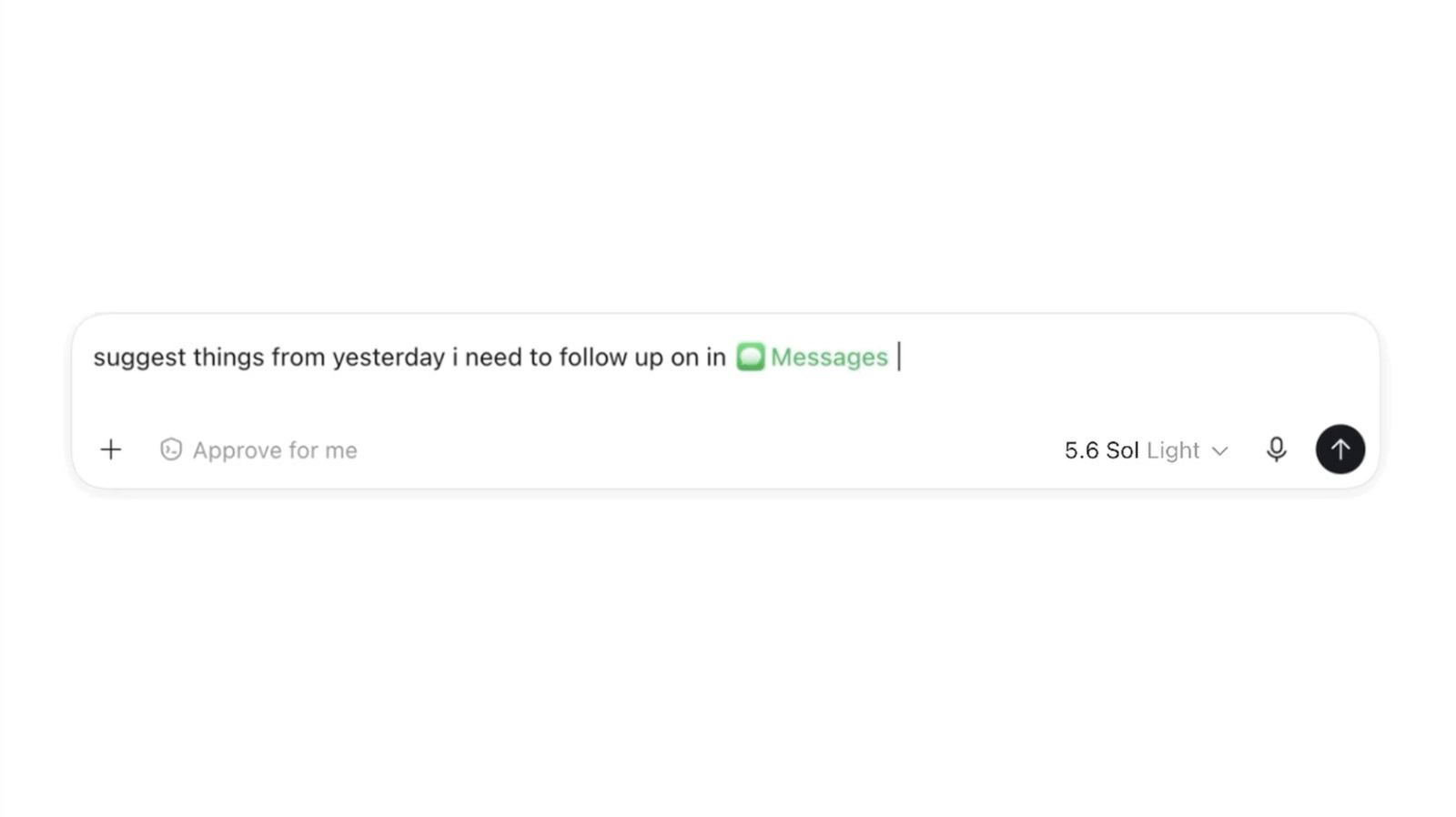
The introduction of the iMessage plugin bridges this gap. In operational demonstrations released by OpenAI, a user can prompt the desktop client with natural language instructions such as, "Check my messages from yesterday afternoon and summarize what I missed from the marketing team." ChatGPT processes the request, queries the local macOS database, surfaces the relevant conversation logs, and offers to construct context-aware responses. Once approved by the user, the application leverages local automation scripts to send the message natively through the Apple Messages ecosystem.
The Multi-Step Permission Gauntlet
Recognizing the explosive nature of granting an LLM access to private communications, OpenAI—alongside operating system restrictions—has engineered a rigorous, multi-layered opt-in process. This friction-by-design ensures that no user can inadvertently grant access to their personal communications.
- In-App Prompt: Upon installing the updated plugin within supported enterprise environments (ChatGPT Work and Codex tiers), the application triggers an immediate, unambiguous permission screen detailing the intended scope of iMessage access.
- macOS System Settings Interlock: Users cannot simply click "Allow" within the application interface. They are required to navigate away from ChatGPT into macOS System Settings, manually overriding default privacy controls to grant the application Full Disk Access. This level of clearance grants software the ability to read virtually all files stored on the machine, including system databases, user documents, and local caches.
- Contacts and Automation Hooks: Beyond disk access, users must explicitly authorize the application to read system contact lists—ensuring the AI can map phone numbers and email addresses to human names—and permit the execution of local AppleScript or automation tools required to physically dispatch the outgoing message packet.
Security analysts point out that while this friction prevents accidental activation, it also normalizes the granting of dangerous system-level permissions to AI agents, a trend that may desensitize average enterprise users to broader cybersecurity risks.
Supporting Context, Metrics, and Ecosystem Implications
To fully understand the gravity of OpenAI’s move, one must examine the metrics of desktop AI adoption and the historical precedent of third-party intrusion into Apple’s tightly controlled walled garden.
The Enterprise Push: ChatGPT Work and Codex
By initially restricting the iMessage integration to ChatGPT Work and Codex subscribers, OpenAI is signaling a deliberate strategy to capture the enterprise and developer markets first. Enterprise environments demand higher degrees of workflow automation, where executives and engineers constantly switch context between code editors, project management software, and communication channels like Slack, Microsoft Teams, and iMessage.
Market research indicates that productivity gains from ambient AI tools can range anywhere from 20% to 45% in tasks involving information synthesis. However, these gains traditionally come at the cost of data leakage. In corporate settings, feeding client discussions, proprietary project updates, and confidential negotiations into an AI model—even one with enterprise-grade data privacy guarantees—introduces unprecedented attack surfaces.
The Walled Garden Precedent: The Beeper Mini Saga
Apple has historically maintained an aggressive posture toward any third-party attempt to bridge, emulate, or integrate with its proprietary iMessage protocol. A prominent historical parallel is the saga of Beeper Mini, an application launched to bring native iMessage functionality to Android devices through reverse-engineered Apple push notification servers.
Throughout late 2023 and early 2024, Apple engaged in a high-stakes cat-and-mouse game with Beeper developers. Every time Beeper released a workaround to re-establish connectivity, Apple’s engineering teams systematically patched server-side vulnerabilities, effectively blocking the app within hours or days. The ordeal culminated in Beeper abandoning its efforts, underscoring Apple’s absolute refusal to allow unauthorized conduits into its messaging infrastructure.
The crucial difference with OpenAI’s plugin is that it does not reverse-engineer Apple’s servers; rather, it acts as a local client-side automation tool, exploiting authorized macOS system privileges. Nevertheless, legal and tech analysts question whether Apple will view this local execution loophole as an infringement upon its software integrity and user-trust paradigm.
Official Statements and Industry Reactions
The announcement has triggered a wave of reactions across the technology sector, ranging from cautious enterprise optimism to outright alarm from privacy advocacy groups.
Privacy and Security Concerns
Prominent digital rights organizations and cybersecurity researchers have expressed profound anxiety over the architectural design of the integration. Because the plugin requires Full Disk Access to parse local SQLite databases where iMessages are stored, it opens a potential vector for malware exploitation. If an attacker were to compromise the ChatGPT desktop application through a supply chain attack or a zero-day vulnerability, they would instantly inherit Full Disk Access to the entire macOS file system.
"Granting an LLM persistent, deep-system access to end-to-end encrypted messaging databases fundamentally alters the threat model of personal computing," noted a leading cybersecurity analyst specializing in macOS architecture. "You are inviting a probabilistic, cloud-connected reasoning engine into the most intimate repository of your daily digital life."
The Corporate Chasm: Apple vs. OpenAI
The timing of the plugin’s release is further complicated by the deteriorating legal and diplomatic relationship between Apple and OpenAI. The tension boiled over in July, when Apple formally filed a sweeping trade secret theft lawsuit against OpenAI.
In its legal filings, Apple characterized OpenAI’s aggressive talent acquisition strategy as "rotten to its core," alleging that the AI firm systematically poached key engineers and researchers specifically to misappropriate proprietary source code, internal frameworks, and confidential product roadmaps related to operating system design and machine learning infrastructure.
OpenAI firmly rejected these accusations, calling Apple’s legal maneuvers baseless attempts to stifle competitive innovation in the generative AI space. Within this hyper-litigious climate, the unannounced or unilateral deployment of a deeply integrated macOS desktop plugin reads less like a collaborative ecosystem feature and more like a calculated assertion of platform independence by OpenAI.
Future Outlook: Where Do Desktop AI and Apple Go From Here?
As the dust settles on the initial announcement, the industry is left projecting how this integration will evolve and how Apple will respond to OpenAI operating deep within the bowels of macOS.
Potential Regulatory and Platform Scrutiny
Apple prides itself on being the ultimate arbiter of user privacy—a positioning central to its marketing and brand identity ("What happens on your iPhone, stays on your iPhone"). Allowing a third-party AI firm—especially one currently locked in active litigation with Cupertino—to scrape and automate a core communications app like Messages represents a direct challenge to Apple’s platform governance.
Industry insiders suggest several potential trajectories for Apple’s response:
- OS-Level Restrictions: Apple could introduce stricter entitlement checks in upcoming macOS point releases, effectively cutting off third-party LLMs from accessing local chat databases under the guise of strengthening user security.
- Apple Intelligence Expansion: Apple is aggressively rolling out its own proprietary suite of AI features under the Apple Intelligence banner. Native, deeply integrated Siri capabilities capable of reading, summarizing, and replying to messages locally on-device are slated to expand. Apple may view OpenAI’s plugin as an unwelcome encroachment upon features it intends to monetize natively.
- Formal Cease-and-Desist or Compliance Audits: Given the existing trade secret litigation, Apple’s legal team is likely scrutinizing every line of code associated with the plugin to ensure no proprietary Apple APIs or undocumented frameworks were reverse-engineered or improperly utilized during its development.
The Consumer Dilemma
For the end user, the trade-off remains stark. The allure of frictionless, intelligent desktop automation—where repetitive messaging tasks are handled seamlessly by an AI assistant—is undeniable in an era of digital burnout and information overload. However, as the boundaries between private human communication and machine processing continue to blur, users must weigh the seductive convenience of ambient AI against the permanent erosion of digital privacy and the escalating corporate warfare playing out behind the scenes in Silicon Valley.
As OpenAI rolls out broader access beyond enterprise tiers, the true test will not be whether the technology functions as advertised, but whether users and platform operators alike are willing to accept the profound security and legal ramifications of letting an AI read their most personal conversations.