Apple’s annual autumn product cycle is shaping up to be one of the most transformative periods in the company’s modern corporate history. As Cupertino prepares to pull back the curtain on its late-year hardware portfolio, industry insiders and supply chain analysts have confirmed that more than ten distinct new products are slated for immediate release. Rather than offering incremental spec bumps or minor color updates, this upcoming generation of hardware is anchored by a unifying technological breakthrough: the deep, platform-wide integration of generative artificial intelligence and next-generation device architecture.
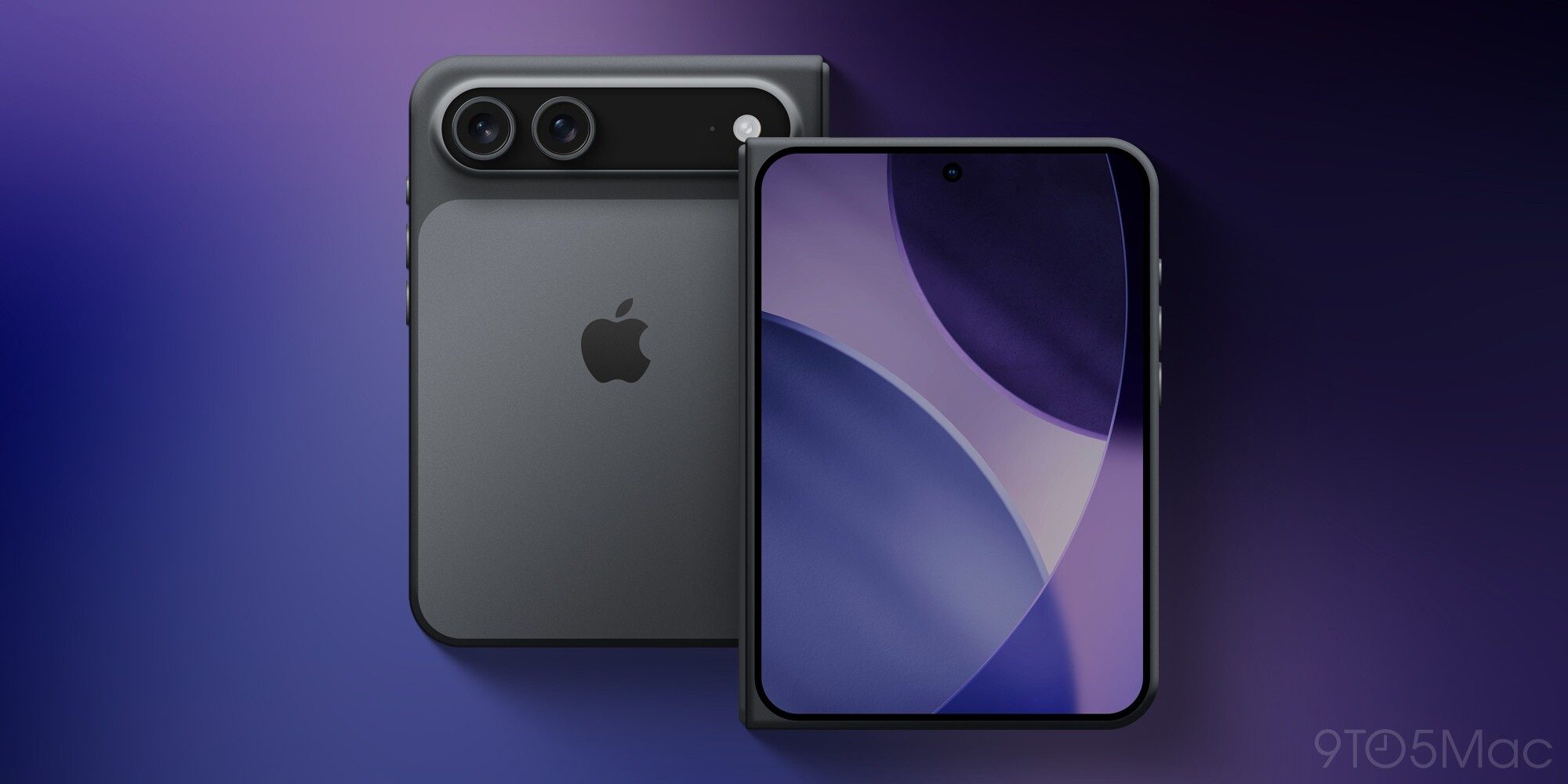
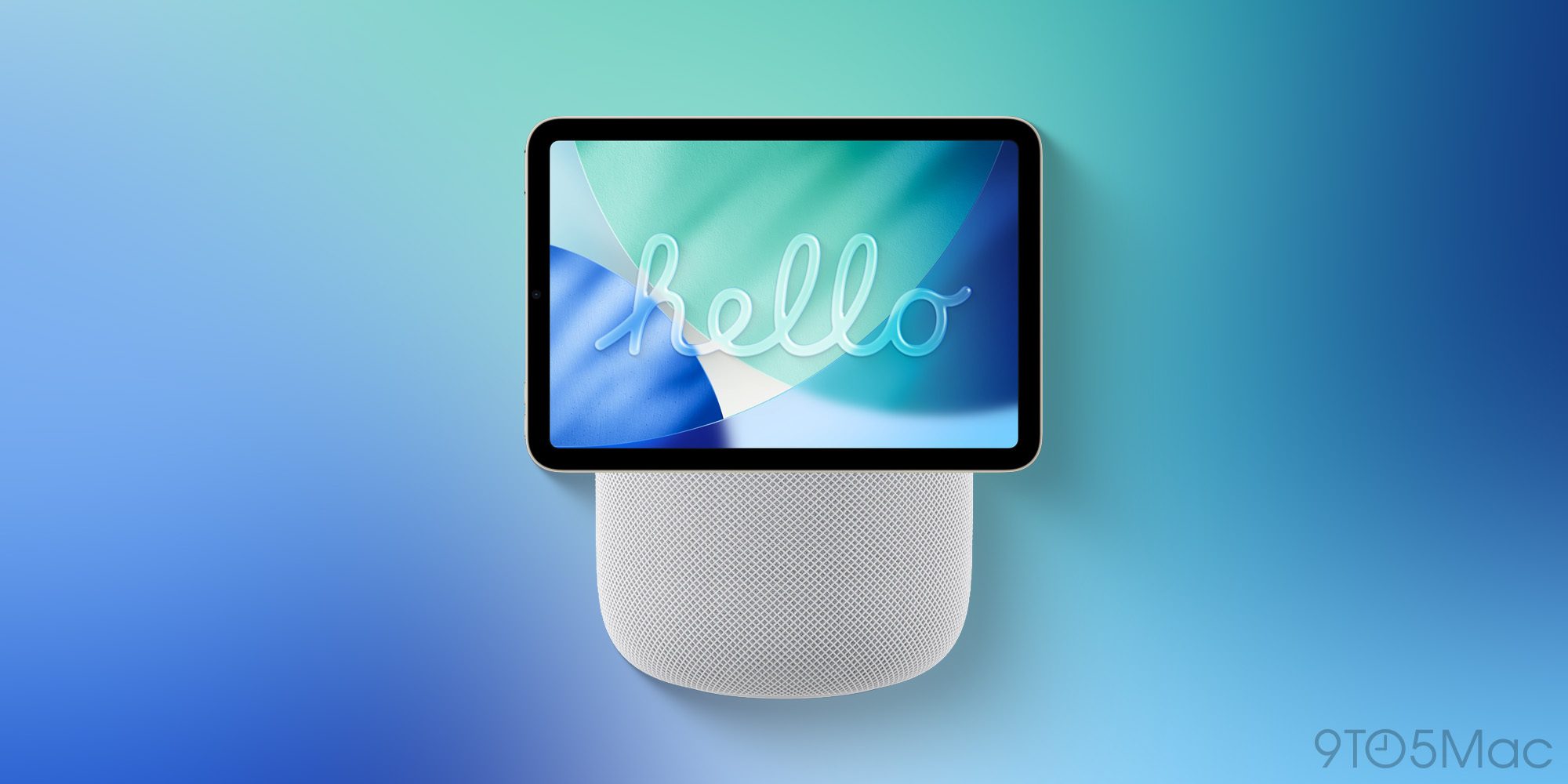
At the vanguard of this launch wave are several paradigm-shifting devices. The long-rumored foldable iPhone Ultra threatens to redefine the mobile computing space by bridging the gap between smartphones and tablets. Meanwhile, the smart home ecosystem is receiving its most ambitious overhaul in years with the debut of the HomePad, a dedicated hub featuring integrated camera hardware and advanced AI-driven spatial computing.
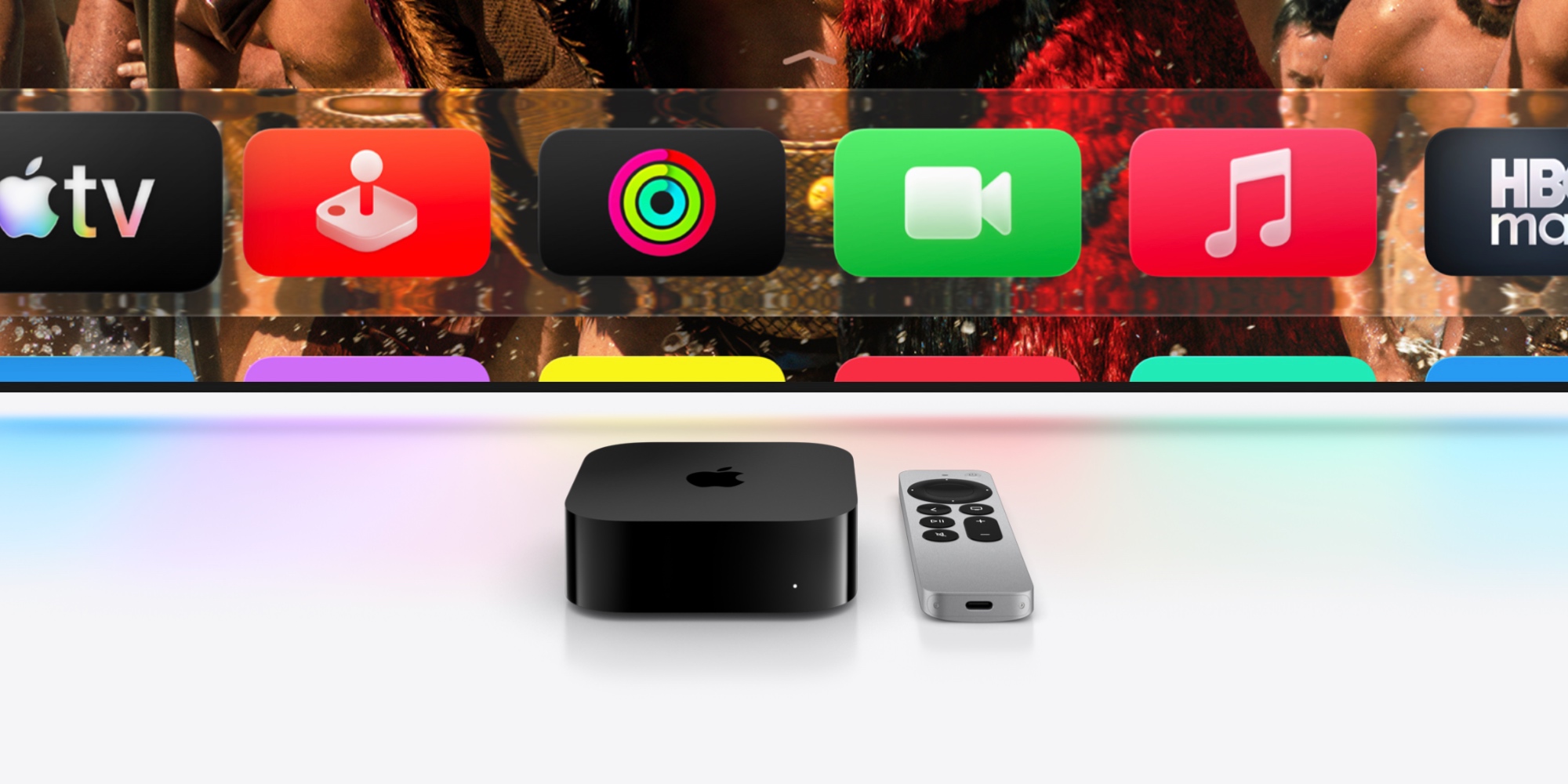
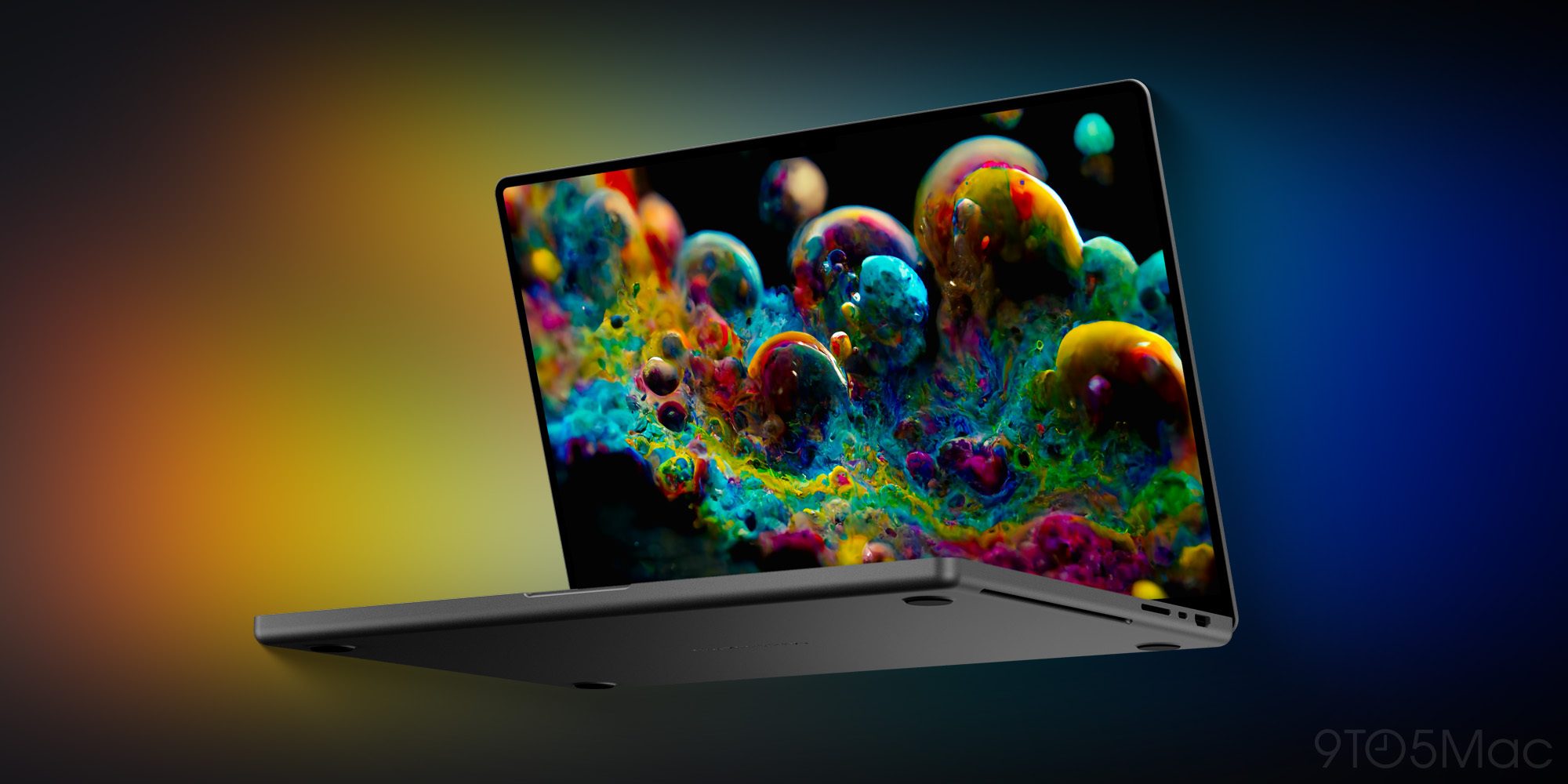
Simultaneously, traditional powerhouses are undergoing radical redesigns. The MacBook Ultra is poised to shatter long-standing barriers between macOS and iOS by introducing touch-screen capabilities, OLED display technology, and cellular connectivity to the pro laptop lineup. Alongside a revitalized Apple TV 4K and the processing-heavy Apple Watch Series 12 and Ultra 4, Apple is signaling a clear pivot toward an ambient, highly intelligent, and interconnected device ecosystem. This report provides an exhaustive, authoritative breakdown of the five most anticipated products heading to market, analyzing the engineering hurdles, market implications, and strategic visions driving Apple’s most ambitious autumn lineup to date.
Detailed Chronology: The Evolution of Apple’s Upcoming Ecosystem
To fully understand the weight of this impending product drop, one must examine the multi-year development cycles that brought Apple to this precipice. The roadmap for this autumn’s announcements has been forged over half a decade of supply chain experimentation, software paradigm shifts, and architectural overhauls.
The Long Road to the Foldable Form Factor: iPhone Ultra
Rumors regarding a foldable iPhone date back to early patent filings submitted by Apple in the late 2010s. While competitors such as Samsung, Google, and Motorola have iterated through multiple generations of book-style and flip-style foldables, Apple has famously taken a measured, patient approach. Industry reports indicate that engineering teams struggled for years to solve persistent hardware challenges—most notably the visible crease in flexible OLED panels and the structural integrity required to maintain a thin profile without sacrificing battery life.
By 2026, however, supply chain indicators solidified. Suppliers began preparing assembly lines for the iPhone Ultra, a device engineered to function simultaneously as an ultra-premium smartphone and a compact tablet akin to the iPad mini. Software development has paralleled these hardware milestones. The adaptation of iOS 27 for a dual-screen, foldable canvas represents a massive undertaking for Apple’s software engineering division. The operating system must seamlessly transition between closed and open states while introducing multi-window workflows that feel natively intuitive rather than stretched or emulated.
Smart Home Renaissance: The Genesis of the HomePad
Apple’s ambitions in the smart home arena have historically faced turbulence. The original HomePod, launched in 2018, was lauded for its exceptional acoustic fidelity but criticized for its high price point and the relative limitations of early-generation Siri. Subsequent releases, including the HomePod mini and the second-generation HomePod, found more commercial success, yet Apple lacked a central command interface to rival competing smart displays.
The conceptual breakthrough for the "HomePad" arrived in late 2024, catalyzed by internal reporting from Bloomberg’s Mark Gurman. The device was initially delayed due to architectural bottlenecks surrounding Siri AI integration. As Apple pivoted toward localized, edge-computed artificial intelligence, the requirements for the HomePad evolved. It transformed from a simple audio speaker with a display into a sophisticated, camera-equipped neural hub capable of handling automated home security, spatial photo slideshows, and contextual voice processing entirely on-device.
The Desktop Paradigm Shift: MacBook Ultra
The ideological wall separating Apple’s mobile operating systems (iOS and iPadOS) and its desktop environment (macOS) has slowly eroded over the past decade. The introduction of Apple Silicon (M-series processors) in 2020 unified the underlying architecture of Macs and iPads, yet hardware divergence remained. For over ten years, the iPad Pro held exclusive domain over certain touch-first innovations, while the Mac maintained a traditional, non-touch clamshell identity.
The impending launch of the MacBook Ultra represents a direct response to this historical dichotomy. For years, users and developers alike questioned why Apple’s pro-tier laptops resisted touch support while Windows-based competitors embraced it. By introducing an ultra-thin chassis, OLED display panels, a Dynamic Island interface for system status, optional cellular connectivity, and native touch capabilities, Apple is effectively merging the best attributes of its mobile and desktop ecosystems into a single, cohesive flagship device.
Supporting Context & Metrics: The AI Imperative
The underlying catalyst for nearly every hardware upgrade arriving this autumn is the computational requirement of modern artificial intelligence. Apple’s silicon strategy has always prioritized energy efficiency alongside raw performance, but the transition to "Siri AI" demands a dramatic re-architecting of processing chips across all device categories.
Apple Watch Chip Architecture: Breaking the Three-Year Cycle
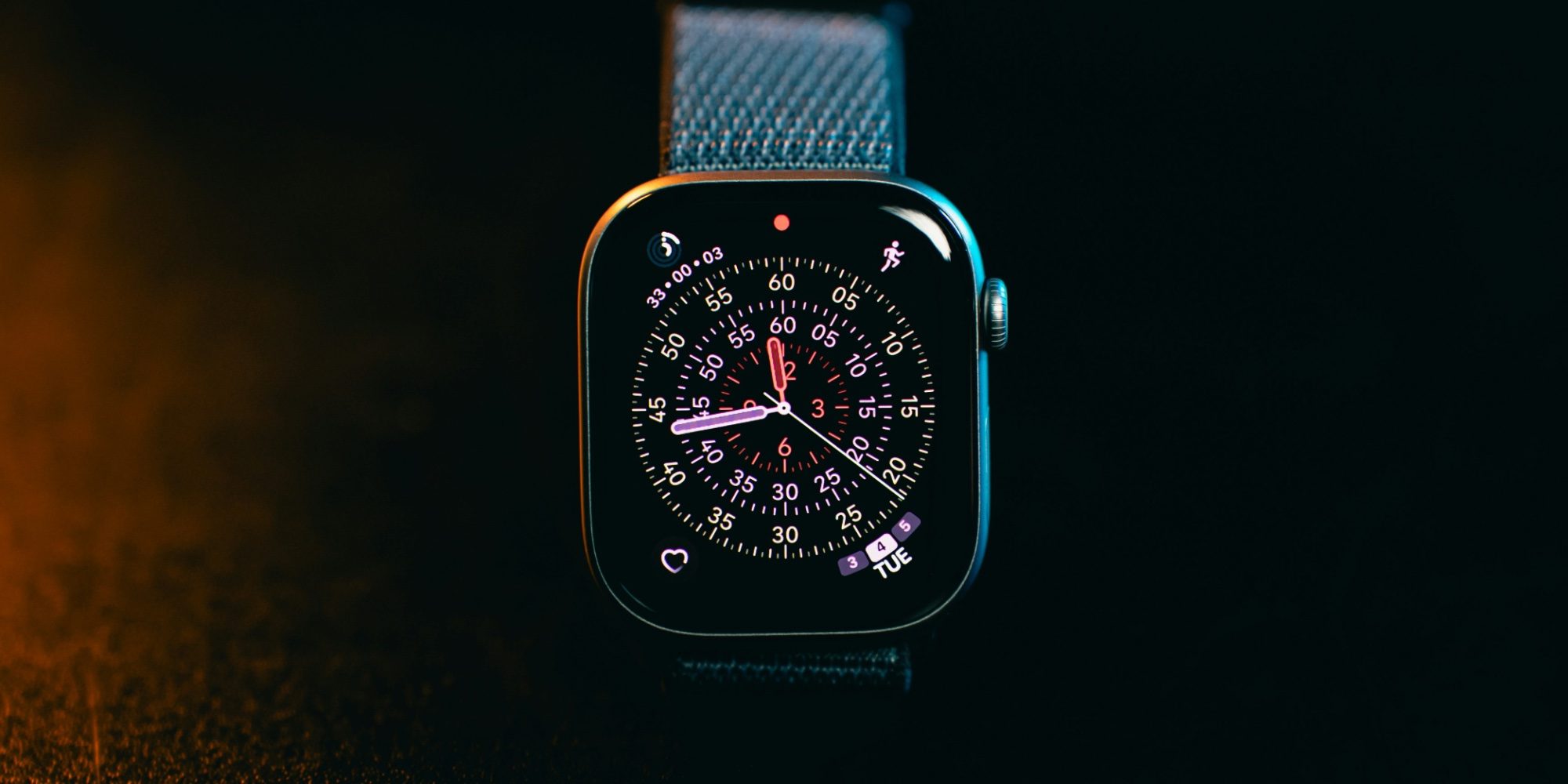
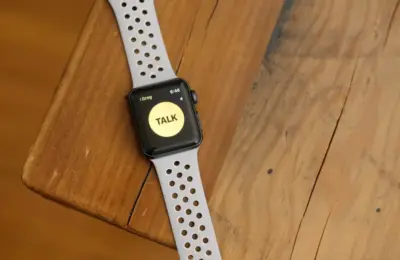
One of the most compelling supply chain narratives centers on the upcoming Apple Watch Series 12 and Apple Watch Ultra 4. Historically, Apple Watch processors (the S-class series) have experienced agonizingly slow generational leaps. Following the introduction of the S9 chip in 2023, subsequent updates offered nominal efficiency gains while leaving CPU performance largely stagnant for roughly three-year intervals.
This hardware cadence was problematic for a simple reason: advanced neural processing requires dedicated silicon architecture. Insiders note that the upcoming S-class chips destined for the Series 12 and Ultra 4 models have been explicitly engineered for the AI era. This timing is critical, as processing complex voice queries, biometric health diagnostics, and contextual automation directly on the wrist requires a massive injection of Neural Engine throughput.
Market Projections and Consumer Demand
Market research firms anticipate that the convergence of these product launches will trigger a massive upgrade super-cycle. According to preliminary financial forecasts:
Foldable Adoption: The iPhone Ultra is projected to capture a significant percentage of the ultra-premium smartphone market, targeting early adopters and enterprise users willing to invest in hybrid devices.
Smart Home Penetration: The HomePad is expected to accelerate HomeKit and Matter adoption by providing a dedicated, family-accessible hub that capitalizes on privacy-first AI processing.
The Wearables Market: The inclusion of AI-capable silicon in the Apple Watch Series 12 and Ultra 4 is predicted to incentivize owners of older Series 8 and Series 9 devices to finally pull the trigger on an upgrade.
Official Statements & Industry Perspectives
While Apple maintains its customary corporate secrecy ahead of official keynote presentations, executives and lead hardware engineers have dropped strategic hints regarding the trajectory of the company’s product philosophy.
In recent developer conferences, Apple’s software engineering leadership has repeatedly emphasized the concept of "ambient intelligence." Rather than treating AI as a distinct application or cloud-based novelty, Apple’s stated goal is to embed neural processing seamlessly into the fabric of the user interface. This philosophy directly explains the delayed releases of products like the HomePad and the MacBook Ultra. Engineers were instructed not to ship features until hardware capabilities could support complex machine-learning models locally on the device, ensuring user privacy remains uncompromised.
Industry analysts have been quick to praise this cautious, deliberate methodology. As one prominent tech strategist noted:
"Apple rarely wins the race to be first to market with experimental hardware categories. Instead, they observe the missteps of competitors, refine the industrial design, secure supply chain dominance, and release a product that redefines user expectations. The upcoming foldable and smart home rollouts are textbook examples of this long-play strategy."
Furthermore, component manufacturers in Asia have reported unprecedented order volumes for tandem OLED panels and ultra-thin hinge mechanisms, corroborating rumors that production yields for the iPhone Ultra and MacBook Ultra have stabilized ahead of their late-year commercial debut.
Future Outlook: What Lies Beyond the Fall Event
The simultaneous release of more than ten new products this autumn marks a permanent shift in how Apple structures its product life cycles. No longer content to stagger major hardware announcements across disparate quarters, Cupertino is establishing a unified ecosystem front where mobile, desktop, wearable, and smart home platforms evolve in lockstep.
The Integration of Spatial Computing and Ambient AI
Looking forward, the architectural groundwork laid by this year’s product announcements points toward a deeply integrated future. The synergy between the camera-equipped HomePad, the overhauled Apple TV 4K, and AI-enabled wearables like the Apple Watch Ultra 4 suggests an ambient computing environment where your home actively responds to your presence, health metrics, and daily routines without requiring manual inputs.
For professionals, the MacBook Ultra will likely set a new benchmark for portable computing. If touch support and cellular connectivity prove successful on Apple’s premier laptop line, traditional boundaries between iPads and MacBooks may dissolve entirely, leaving users with modular, highly adaptable tools tailored to specific workflows.
Conclusion
As the countdown to Apple’s autumn keynote continues, consumer anticipation has reached a fever pitch. Whether upgrading to the revolutionary iPhone Ultra, outfitting a smart home with the long-awaited HomePad, or investing in the AI-powered performance of the MacBook Ultra and Apple Watch Series 12, users are witnessing the dawn of a new technological epoch for the brand. Apple has spent years preparing for this moment, and if the early leaks and supply chain indicators are accurate, the wait will have been more than worthwhile.