Executive Overview
Few cinematic moments in modern pop culture have matched the collective, visceral gasp that echoed across global box offices during the final moments of 2018’s Avengers: Infinity War. As Thanos completed his catastrophic finger snap, wiping out half of all life in the universe, audiences watched in stunned silence as some of the world’s most beloved heroes dissolved into nothingness. Yet, amid the cascading losses of cinematic heavyweights like Black Panther, Doctor Strange, and the Guardians of the Galaxy, one particular departure left an indelible, emotional scar on viewers worldwide: the death of Peter Parker.
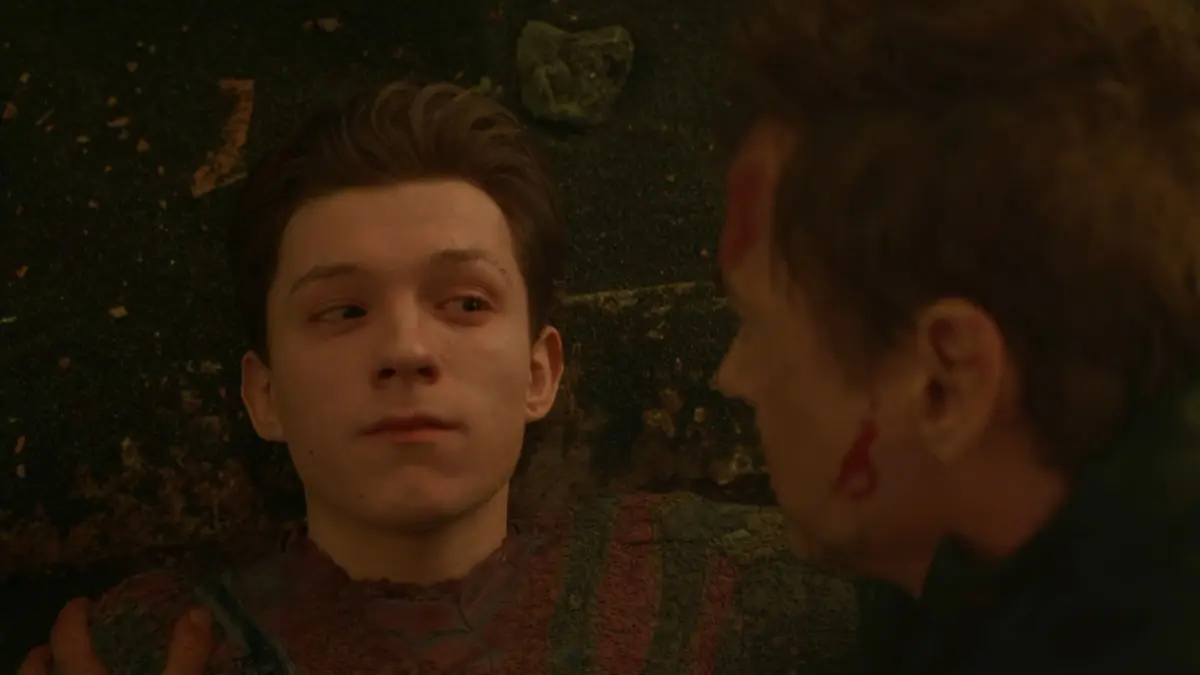
In a recent retrospective discussion with CBR, co-director Joe Russo revealed a fascinating and previously unshared behind-the-scenes secret: Spider-Man’s iconic, heartbreaking death scene was fundamentally rewritten on the very day it was filmed.
Originally scripted to be a quiet, compliant resignation, the sequence was drastically altered by Russo to maximize emotional devastation. By instructing a 16-year-old Tom Holland to lean into the sheer terror of mortality—clinging to his mentor, Robert Downey Jr.’s Tony Stark, and pleading, "I don’t want to go"—the creative team turned a standard superhero trope into a masterclass in cinematic manipulation. This long-form journalistic report explores the anatomy of that fateful day on set, the strategic engineering of the Stark-Parker dynamic, the broader cultural legacy of the "Blip," and what this creative agility means as the Russo brothers and Robert Downey Jr. prepare to reunite for the upcoming Avengers: Doomsday and Avengers: Secret Wars.
Detailed Chronology: The Anatomy of a Last-Minute Rewrite
To fully understand the weight of Spider-Man’s final moments in Avengers: Infinity War, one must look back at the chaotic, high-stakes environment of Marvel Studios’ production schedule. Filming an MCU ensemble movie of this magnitude required a dizzying choreography of schedules, visual effects placeholders, and script adjustments. However, few pivots during the entirety of the Infinity Saga match the spontaneous psychological tuning applied to Tom Holland’s death sequence.
The Original Vision: Quiet Acceptance
According to Joe Russo, the original draft of the scene was far more subdued, focusing on a sense of tragic acceptance rather than desperate resistance.
In the initial screenplay penned by Christopher Markus and Stephen McFeely, Peter Parker’s final moments were designed to mirror his youth and vulnerability, but through a lens of quiet dignity. The scripted dialogue was straightforward: "I don’t feel so good," followed by a simple, polite apology: "I’m sorry."
While effective on paper, the directing duo—known for their meticulous pacing and emotional resonance—felt that a quiet, polite fading-away might underplay the horrific reality of what Thanos was enacting across the cosmos. They recognized that the audience needed to feel the absolute injustice of a child having his future ripped away.
The On-Set Pivot
On the day of filming on the Atlanta soundstage, Joe Russo pulled young British actor Tom Holland aside for a private conversation that would change cinema history.
"I don’t mind a good cry in a movie theater, so I was like, how do we get them to really, really cry at this scene?" Russo explained during the retrospective.
Russo gave Holland a simple, devastating acting prompt: strip away the superhero bravado. Forget that he was a web-slinging vigilante who had just fought on an alien planet. Instead, focus entirely on the core humanity of the character.
"I brought Tom over, and I said, ‘You don’t want to go. You’re 16 years old; it’s the last thing you want, is to die,’" Russo recalled.
This single redirection transformed the physical choreography of the scene. Instead of slipping away quietly into Stark’s arms, Holland’s Peter Parker collapses, panics, clings desperately to his mentor’s suit, and begins sobbing out the immortal, agonizing line: "I don’t want to go." The shift weaponized the actor’s genuine youth and vulnerability, instantly elevating the scene from a standard comic-book casualty to an agonizing depiction of human terror.
Supporting Context & Metrics: Engineering Emotional Fallout
The devastation of Spider-Man’s death was no accident of good fortune; it was the result of years of meticulous narrative engineering designed to break the audience’s heart by systematically building, testing, and ultimately shattering a surrogate father-son relationship.

The Architecture of the Mentor-Mentee Dynamic
From the moment Tom Holland’s iteration of Peter Parker was introduced in Captain America: Civil War (2016) and further fleshed out in Spider-Man: Homecoming (2017), Marvel Studios played a long game. The creative team understood that for a death to truly register with an audience accustomed to comic-book resurrections, the emotional stakes had to feel intensely personal.
Joe Russo openly admitted that the production team intentionally manipulated the narrative structure—writing backward from Infinity War—to forge an unbreakable bond between Tony Stark and Peter Parker.
*"We milked the s*t out of it; it takes the longest of any [of the deaths]," Russo noted regarding the pacing of the sequence. "The relationship for the movie, writing backwards, is we know if we’re going to break your heart, then we should have a fun relationship that’s sort of mentor/mentee, but the mentee is a pain in the butt. And you didn’t want him to come all along, and you’re trying to protect him, and exactly what you didn’t want to happen, happens."
Quantitative Impact on Audiences and Box Office
The structural payoff was monumental. Avengers: Infinity War shattered box office records upon its April 2018 release, grossing over $2.048 billion globally and cementing itself as a cultural milestone. More importantly, the social media fallout following the film’s release was unprecedented:
- Real-Time Reactions: Movie theaters worldwide recorded audible gasps, weeping, and stunned silence during the film’s final ten minutes.
- Meme Economy: The phrase "I don’t feel so good" instantly permeated internet culture, spawning thousands of visual effects memes across platforms like Twitter, Reddit, and TikTok.
- The "Blip" Economy: The emotional vacuum left by Parker’s death directly fueled the narrative drive of Avengers: Endgame (2019), anchoring Tony Stark’s personal motivations for risking everything to reverse the snap. Stark’s lingering trauma over failing to protect his young ward served as the emotional core of the sequel’s first and second acts.
Official Statements and Industry Perspective
The revelation regarding Spider-Man’s death scene sheds light on the collaborative, highly fluid nature of blockbuster filmmaking under the Marvel Cinematic Universe banner. While multi-million-dollar budgets and pre-visualization software often make modern superhero films appear rigidly pre-determined, the human element—directorial intuition and spontaneous actor-director collaboration—remains the ultimate catalyst for movie magic.
During the retrospective panel, Robert Downey Jr. chimed in on the unique chemistry required to pull off such a high-tension sequence. Working alongside a younger, rapidly rising star like Tom Holland allowed Downey to channel years of portraying Tony Stark’s reluctant evolution from a self-absorbed billionaire into a protective, paternal figure.
Industry analysts have frequently pointed to the Stark-Parker dynamic as one of the MCU’s masterstrokes. By contrasting Downey’s seasoned, sardonic charisma with Holland’s earnest, high-energy anxiety, the films created an emotional anchor that elevated the stakes of a cosmic purple warlord collecting glowing rocks into a deeply intimate family tragedy.
Future Outlook: The Return of the Russos and Downey Jr.
As the dust settles on the Infinity Saga, the narrative focus of the Marvel Cinematic Universe has shifted toward the sprawling Multiverse Saga. In a move that shocked and thrilled the fandom, Marvel Studios announced the return of the architects behind its greatest triumphs: directors Joe and Anthony Russo, alongside Robert Downey Jr.—not as Tony Stark, but stepping into the iconic villainous role of Doctor Doom—for the upcoming Avengers: Doomsday and Avengers: Secret Wars.
What to Expect from Avengers: Doomsday
Early promotional material, including recently teased trailers for Avengers: Doomsday, has hinted at an atmosphere as dark, chaotic, and relentlessly high-stakes as Infinity War. Doctor Doom’s rise—complete with ominous imagery like an army of Sentinels—signals that the MCU is once again pivoting toward existential threats that will test its new roster of heroes.
However, the shadow of Infinity War looms large over these upcoming projects. Fans and critics alike are left wondering if the Russo brothers can recapture the lightning-in-a-bottle emotional resonance that made Peter Parker’s dust-laden fade into history one of the defining cinematic moments of the 21st century.
Can They Replicate Past Success?
Recreating the specific narrative alchemy of Infinity War is no small task. The emotional devastation of that film relied on a decade of accumulated goodwill and character investment—a luxury that the newer phases of the MCU have sometimes struggled to build with the same uniform density.
Yet, if the on-the-fly brilliance of Joe Russo altering a script on an Atlanta soundstage in 2018 is any indication, the creative team’s instinct for human vulnerability remains their greatest asset. Whether facing Thanos or Doctor Doom, the directors understand that grand CGI spectacles ultimately mean nothing if the audience doesn’t care who survives to see the credits roll.
Conclusion
The evolution of Spider-Man’s death scene in Avengers: Infinity War stands as a testament to the unpredictable nature of artistic creation. What began as a standard, polite goodbye on a script page was elevated into an unforgettable cinematic tragedy through a director’s instinct and an actor’s willingness to tap into raw, primal fear. As Joe, Anthony, and Robert Downey Jr. prepare to steer the Marvel ship once more into the tempest of Avengers: Doomsday, the legacy of that fateful day on set reminds us that the most enduring moments in blockbuster cinema are born not just from grand budgets, but from genuine human emotion.