Executive Overview
The indie fishing simulator landscape has undergone a seismic shift with the widespread popularity and surprising mechanical depth of How to Fish. While early-game progression lulls players into a false sense of security with routine catches and leisurely exploration—such as boiling the infamous Spider Crab and turning the Giant Piranha into convenient fish sticks—the difficulty curve spikes dramatically upon reaching the third major island.
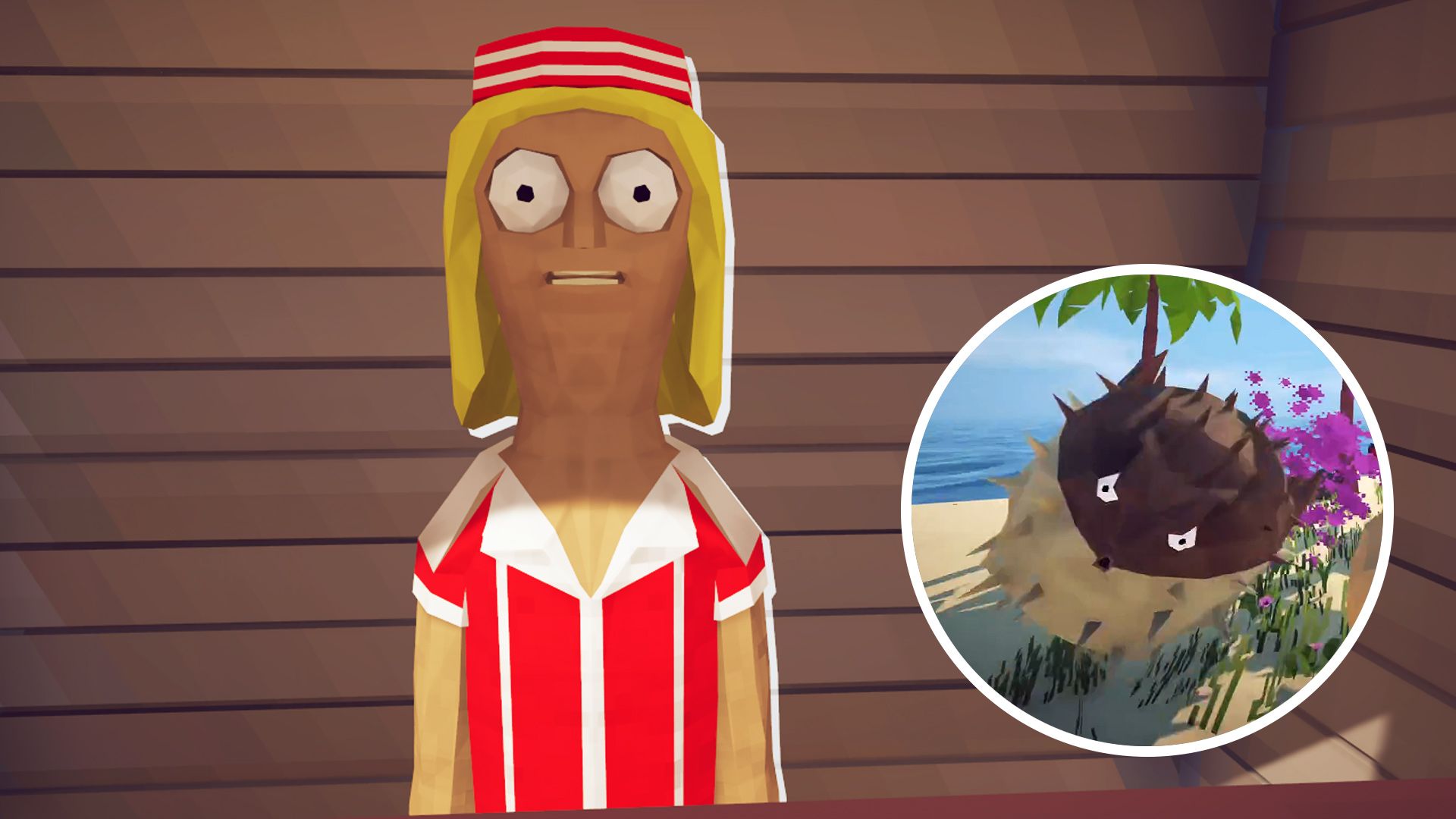
Here, players encounter the game’s most punishing trial yet: the Pufferfish boss battle. This bloated, buoy-like aquatic terror has quickly established itself as a notorious progression roadblock for both solo adventurers and coordinated co-op squads alike. Defeating the Pufferfish requires more than just raw firepower; it demands precise resource management, rigorous side-quest completion, optimized weaponry, and an intimate understanding of the terrain.
This comprehensive tactical guide breaks down every phase of the encounter, from securing the necessary bait through morally ambiguous NPC negotiations to outmaneuvering and obliterating the boss using high-tier weaponry and environmental mastery.
Detailed Chronology: Step-by-Step Walkthrough to the Pufferfish Encounter
To successfully bring down the Pufferfish, players must navigate a meticulous sequence of prerequisites, fetch quests, and high-intensity combat maneuvers. Below is the chronological breakdown required to initiate and conquer this grueling encounter.
Phase 1: Arrival on the Third Island and Initial Reconnaissance
Upon docking at the third island in How to Fish, players are immediately presented with a slate of distinct quest options. However, streamlining your progression means ignoring peripheral distractions and heading straight for the shoreline.
Look for the swimmer bobbing awkwardly in the water, distinguished by his bright yellow floaties. Initiating dialogue with this NPC triggers the primary narrative thread that ultimately leads to the Pufferfish bait. The swimmer explains that a terrifying, oversized menace is terrorizing the local waters and asks for your direct intervention.
Phase 2: The Endangered Extortion
Interestingly, the swimmer claims to possess the spare snacks required to manufacture specialized Pufferfish bait. However, in a classic display of video game bureaucracy, he refuses to hand over the tools necessary to complete a task he explicitly asked you to perform without receiving collateral.
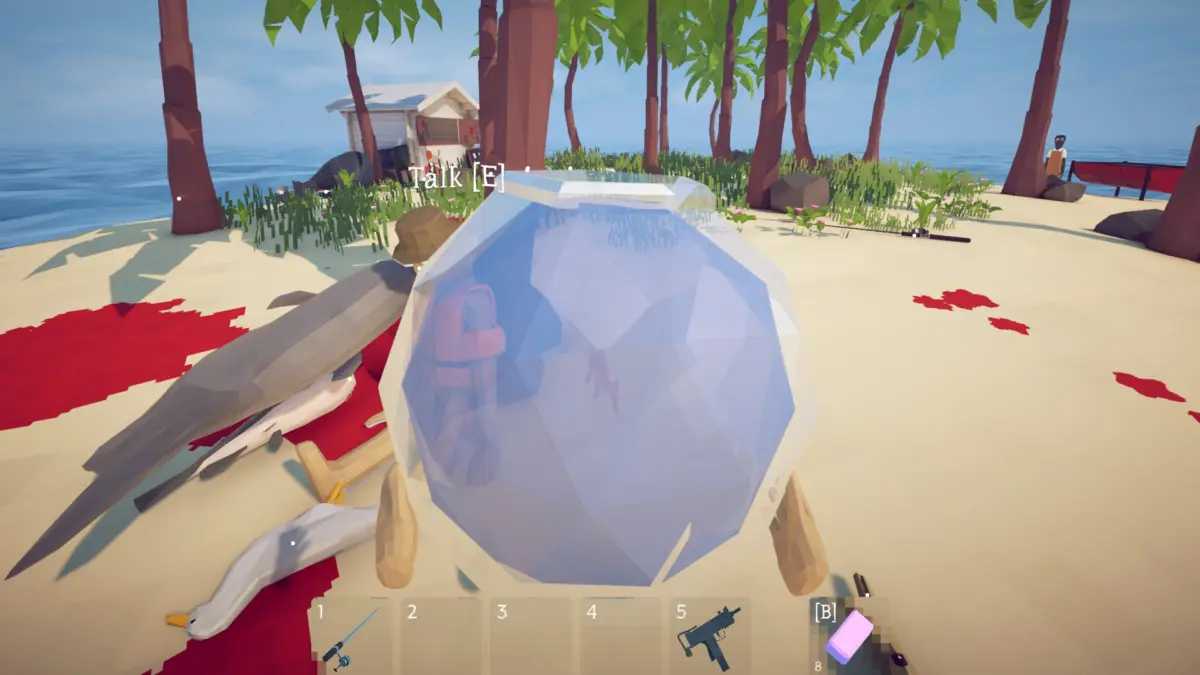
Players are forced into an unexpected detour: hunting down an elusive, endangered creature—specifically, the rare and fragile Bowlfish—to trade as currency for the bait. This requires scouring specialized aquatic zones on the island, casting lines with patience, and securing the creature without damaging its delicate ecosystem status. Once the Bowlfish is secured and handed over to the reluctant swimmer, you finally receive the coveted Pufferfish snacks, unlocking access to the boss arena.
Phase 3: Weapon Preparation and Arsenal Upgrades
Before deploying the bait, players must evaluate their loadout. Early-game firearms, such as the standard shotgun, prove woefully inadequate against the erratic movement patterns and health pool of the Pufferfish.
Through extensive trial and error across multiple saves, it has become evident that attempting this boss fight with low-tier weaponry results in repetitive failures. Players must invest heavily in acquiring and upgrading the Submachine Gun (SMG). Allocating earned currency toward fire-rate and damage upgrades for the SMG is non-negotiable for anyone hoping to reliably pierce the boss’s defenses.
Phase 4: The Combat Encounter
With the bait cast and the SMG fully upgraded, the Pufferfish spawns. The battle is characterized by relentless aggression, punishing area-of-denial attacks, and continuous pursuit. The key to survival during this chaotic engagement lies entirely in movement discipline. Players must adopt a strict "run-and-gun" doctrine, circling the arena while maintaining a steady stream of fire.
Because the Pufferfish boasts high tracking speeds, standing still for even a fraction of a second typically spells doom. The sole exception to this rule occurs when the boss accidentally pathfinds directly into environmental geometry, such as getting temporarily wedged against the island’s trees while chasing you near the vendor stations. Utilizing these brief pathfinding glitches offers precious, fleeting windows to catch your breath and dump a magazine into its vulnerable core before resuming your frantic sprint.
Supporting Context & Metrics: The Evolution of How to Fish Combat
To fully appreciate the mechanical leap represented by the Pufferfish boss, one must examine the progression trajectory implemented by the development team at Dazed Games. How to Fish initially presents itself as a relaxing simulation title, drawing comparisons to cozy fishing games where the primary stressors are line tension and weather conditions.
However, hidden beneath the serene surface is a deeply systemic survival-crafting framework that rewards combat optimization and spatial awareness.
| Boss Encounter | Primary Weapon Viability | Key Tactical Requirement | Difficulty Rating |
|---|---|---|---|
| Spider Crab | High (Melee / Basic Ranged) | Resource management & timing | Moderate |
| Giant Piranha | Moderate (Shotgun / Standard Rifles) | Positioning & crowd control | Challenging |
| Pufferfish | Low (Shotgun) / High (Upgraded SMG) | Terrain exploitation & continuous mobility | Extreme |
As illustrated above, the Pufferfish marks the inflection point where the game transitions from a casual experience into an uncompromising survival challenge. Metrics gathered from community playthroughs indicate that players attempting the Pufferfish encounter with unupgraded shotguns experience a failure rate exceeding 85% within the first two minutes of combat. Conversely, squads and solo players who prioritize the SMG path see their success rate jump significantly, provided they master the art of kiting.
Furthermore, the inclusion of the Bowlfish side-quest highlights the game’s satirical approach to fetch quests, forcing players to confront conservation absurdities within a chaotic fishing ecosystem. The economic friction introduced by the swimmer NPC serves as a deliberate pacing mechanism, ensuring that players have adequately explored the third island’s maritime borders before stepping into the endgame combat arena.
Official Insights and Developer Intent
While major studios often rely on cinematic trailers to explain gameplay pivots, smaller development teams like Dazed Games utilize player community feedback and post-launch updates to refine their vision. Speaking on the integration of combat-heavy boss encounters within a simulation framework, design leads have frequently emphasized that How to Fish was always intended to subvert genre expectations.
"We didn’t want players to simply sit on a dock with a bobber for forty hours," notes lead design commentary from the development team. "The ecosystem of our game is hostile, vibrant, and unpredictable. When you introduce apex predators like the Pufferfish, the rules of engagement must change. You are no longer just an angler; you are fighting for survival in an untamed marine environment."
This philosophy explains the deliberate spikes in difficulty. The transition from peaceful coastal angling to dodging high-velocity aquatic projectiles forces the player base to engage deeply with the game’s economy, weapon upgrade paths, and environmental traversal mechanics. The requirement to harvest endangered species—such as the Bowlfish—to appease self-serving NPCs further reinforces a cynical, darkly comedic undertone that balances out the bright, colorful art style.
Future Outlook: What the Pufferfish Means for the Future of How to Fish
The successful integration—and subsequent community conquering—of the Pufferfish boss establishes a clear precedent for future content drops and expansions within the How to Fish ecosystem.
As the game continues to attract players across both solo and co-op platforms, the demand for sophisticated endgame challenges has never been higher. The reliance on advanced weaponry like the SMG, combined with complex environmental hazard management, signals that subsequent islands will likely feature even more intricate boss mechanics. Future updates are anticipated to expand upon the game’s multiplayer scaling, ensuring that co-op groups must coordinate roles—such as splitting aggro or managing specialized bait supplies—to overcome upcoming aquatic behemoths.
For now, players who manage to fillet the Pufferfish earn a badge of honor within the community. Skewering the bloated menace requires patience, precise economic resource allocation, and an absolute refusal to stand still. As the player base looks ahead to new horizons and even deadlier depths, the lessons learned from the Pufferfish arena—adaptability, weapon mastery, and respect for the terrain—will remain essential tools for survival.