Executive Overview
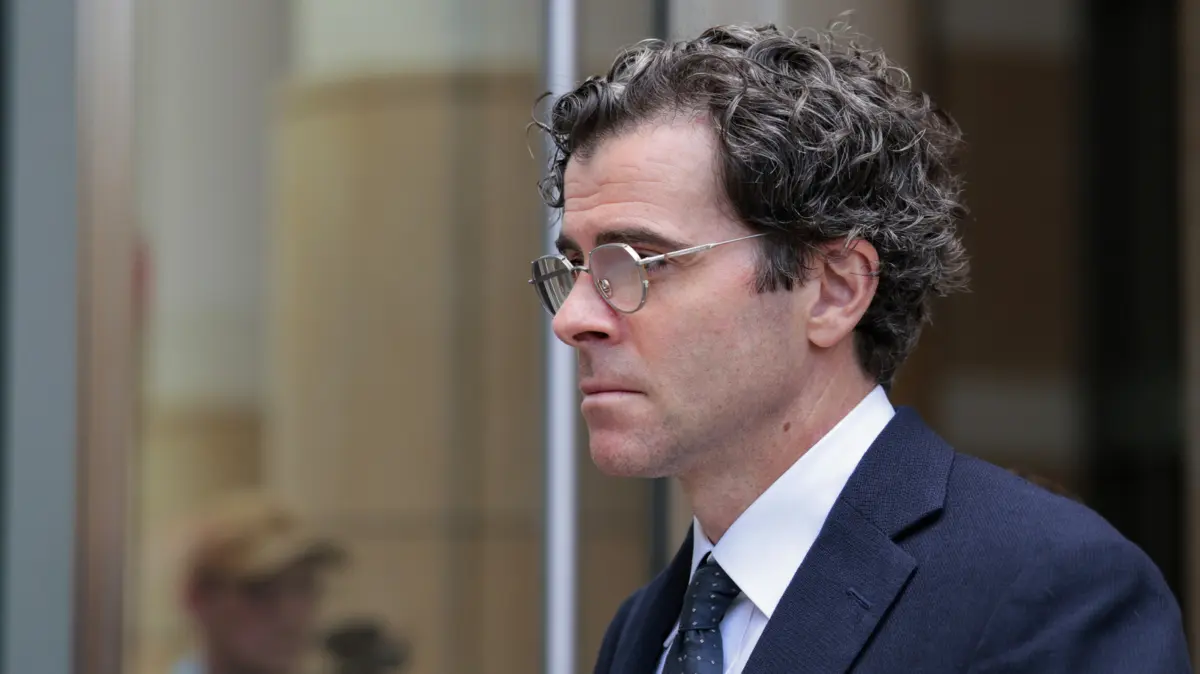
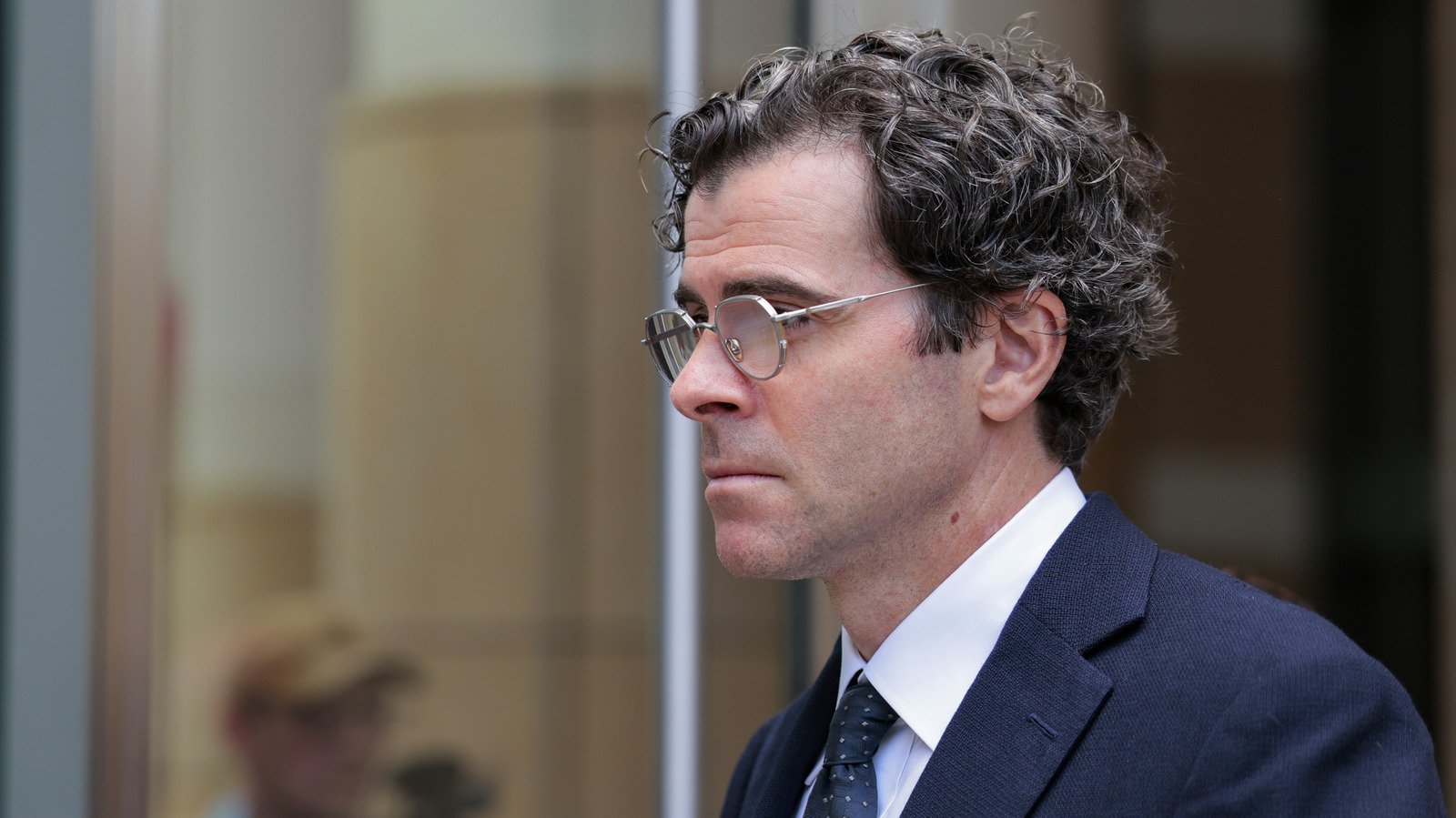
In a high-stakes legal battle that could redefine the boundaries of corporate accountability in the digital age, Instagram head Adam Mosseri took the witness stand this week. Mosseri’s testimony marks a critical turning point as the first high-profile executive to face questioning in a sweeping multi-state lawsuit targeting Meta over allegations of fueling youth social media addiction and compromising children’s privacy.
The sprawling litigation, spearheaded by attorneys general from dozens of states, paints a damning picture of a tech giant accused of intentionally designing addictive algorithms to "hook" underage users. Plaintiffs are seeking astronomical financial penalties—estimated by some legal experts to potentially reach a staggering $1.4 trillion—alongside structural mandates forcing Meta to fundamentally redesign its platforms.
The courtroom drama intensified dramatically when internal communications revealed that a company lawyer had directed Instagram employees to censor sensitive safety statistics from executive slide decks. While Mosseri claimed ignorance regarding the suppression of data, the revelation has ignited intense scrutiny over how Meta manages internal transparency and corporate governance. As the trial presses forward, with Meta CEO Mark Zuckerberg and other current and former insiders expected to follow, the proceedings threaten to pull back the curtain on the internal mechanics of one of the world’s most influential social media conglomerates.
Detailed Chronology of the Testimony
The 2023 Presentation and the Suppressed Slide Deck
The focal point of Tuesday’s proceedings centered on a 2023 internal presentation curated by Instagram designers and safety researchers. The slide deck was designed to brief leadership on teen safety metrics, specifically evaluating how young users interacted with potentially harmful content.
According to evidence presented by the plaintiffs, the original slide deck contained alarming statistics:
- Content associated with suicide, self-harm, and eating disorders reached a disproportionately large teen audience—boasting a demographic penetration 2.5 times higher among teenagers than among adults.
- Material flagged as "non-recommendable" to teens was nonetheless consumed by young users at a rate 1.5 times higher than that of adult demographics.
However, internal messaging logs introduced during the trial revealed that a Meta corporate attorney intervened prior to the presentation’s delivery to Mosseri. The lawyer instructed the staff to excise these specific metrics. The stated goal was to deliberately "limit" Mosseri’s direct exposure to this critical information.
Adam Mosseri’s Defense
Under direct examination, Mosseri expressed genuine surprise regarding the legal intervention, testifying that it was entirely "news to me" that employees had been ordered to shield data from his view.
"I’m not a legal expert, so I’m not sure what the reasons might be for removing information from presentations before they get to me, but [I’m] not trying to encourage my team to hide anything," Mosseri stated on the stand.
He defended the involvement of corporate legal counsel, characterizing their oversight as a standard compliance measure. According to Mosseri, lawyers routinely review materials to verify accuracy and ensure that internal operations align with regulatory expectations. He maintained that he had never actively participated in moderating his own access to company data.
Francesco Fogu’s Cross-Examination
Mosseri’s testimony was preceded by that of Francesco Fogu, Instagram’s Director of Product Design. Fogu offered a startling perspective on the July 2023 presentation, admitting that he was genuinely "surprised" by the directive to redact data, noting that he had never previously been instructed to hide analytical insights from executive leadership.
Fogu clarified that despite the redactions in the primary slide deck, the data was not entirely erased from the corporate ecosystem; it remained accessible to executives via hyperlinked reports. Fogu ultimately managed to communicate the suppressed statistics to leadership "vocally."
During subsequent cross-examination by Meta’s defense attorneys, Fogu argued that the presentation was ultimately a success, serving as the crucial "catalyst" that prompted the development of Instagram’s modernized teen accounts.
However, Fogu faced aggressive questioning from Judge Yvonne Gonzalez Rogers regarding user engagement data for Instagram’s "take a break" feature. When the judge pressed Fogu on the historical adoption rates of the tool, the design director admitted he did not know the peak usage figures.
"You’re the head of this and you don’t know what the highest it’s ever been," Judge Gonzalez Rogers pressed.
"I do not create the dashboards for collecting data. I do not read data. That’s not my job. I just trust my team," Fogu responded.
"And yet, even though you have to trust them, even though you have to design things, you have no idea what those numbers are as you sit here today," the judge retorted, highlighting a widening credibility gap regarding corporate oversight.
Supporting Context & Metrics
The "Take a Break" Feature Under the Microscope
The efficacy and adoption rates of Instagram’s "take a break" feature—introduced in 2021 to combat excessive scrolling—became a major battleground during the testimonies of both Mosseri and Fogu.
Data presented by Meta indicated that only 1.8 percent of Instagram users voluntarily opted into the tool when it first rolled out. Internal disclosures from former Meta data scientist George Volichenko painted an even grimmer picture regarding teen demographics. Volichenko testified that early telemetry revealed a "very low and disappointing" teen adoption rate of just 0.165 percent for a 10-minute break, which later crept up only marginally to 0.2 percent. Volichenko characterized the prompt as exceedingly "easy to dismiss."
When pressed on these figures, Mosseri expressed visible frustration with the court’s persistent focus on the metric. He argued that evaluating the platform’s safety initiatives based on a single underperforming feature overlooked subsequent systemic changes. Mosseri highlighted that Instagram’s newly mandated teen accounts for users under 16 now feature automatic, default time limits.
Furthermore, Mosseri sought to contextualize low opt-in metrics against broader platform behaviors:
"There are many features that are effective, there are many features that are ineffective," Mosseri testified. "One in 50 people today will post a photo or a video to Instagram. That’s a 2% participation rate."
The Stakes of the Multi-State Litigation
The current trial represents an unprecedented legal reckoning for Meta. Filed by a coalition of state attorneys general, the lawsuit contends that the company prioritized engagement and monetization over the mental health and safety of minor users. Plaintiffs point to a mountain of internal research—much of it leaked in previous whistleblower disclosures—suggesting that executives were well aware of the anxiety, depression, and body image issues exacerbated by their algorithms.
The legal demands are twofold:
- Financial Penalties: Attorneys general are pursuing restitution and penalties that could total up to $1.4 trillion under various state consumer protection laws.
- Structural Reform: Plaintiffs aim to secure court-ordered injunctions forcing Meta to strip away addictive interface designs, overhaul content recommendation engines, and implement rigorous, verifiable safety guardrails for minors.
Official Statements and Industry Reactions
As the courtroom proceedings unfold, public interest groups, legal representatives for the state plaintiffs, and Meta’s defense teams have locked horns in the court of public opinion.
- The Plaintiffs’ Perspective: State attorneys general maintain that the latest revelations regarding the suppression of Mosseri’s briefing decks confirm a systemic pattern of willful blindness and corporate concealment. Prosecutors argue that shielding top executives from negative metrics is a deliberate strategy to maintain plausible deniability while continuing to optimize algorithms for maximum engagement among vulnerable populations.
- Meta’s Defense: Meta continues to refute allegations that its products are intentionally designed to harm children. Representatives emphasize the company’s recent rollouts, including stringent parental controls, default private accounts for minors, and automated content filtering systems designed to curb the spread of toxic material. Defense counsel argues that internal debates over presentation materials reflect standard legal reviews aimed at preventing misinterpretation, rather than an orchestrated cover-up.
Future Outlook
The trial is slated to continue through the week, with Adam Mosseri expected to return to the stand for further cross-examination. Legal analysts predict that his ongoing testimony will set the tone for subsequent executive depositions.
All eyes are now turned toward the anticipated appearance of Meta CEO Mark Zuckerberg. His testimony will likely prove decisive in determining whether the plaintiffs can successfully pierce corporate defenses and prove that executive leadership directly prioritized engagement metrics over child safety.
Regardless of the immediate verdict, this landmark trial has already permanently altered the discourse surrounding platform governance. It serves as a stark warning to Silicon Valley that the era of self-regulation is facing an aggressive, legally binding challenge—one that could fundamentally transform how social media platforms interact with their youngest and most vulnerable users.