Executive Overview
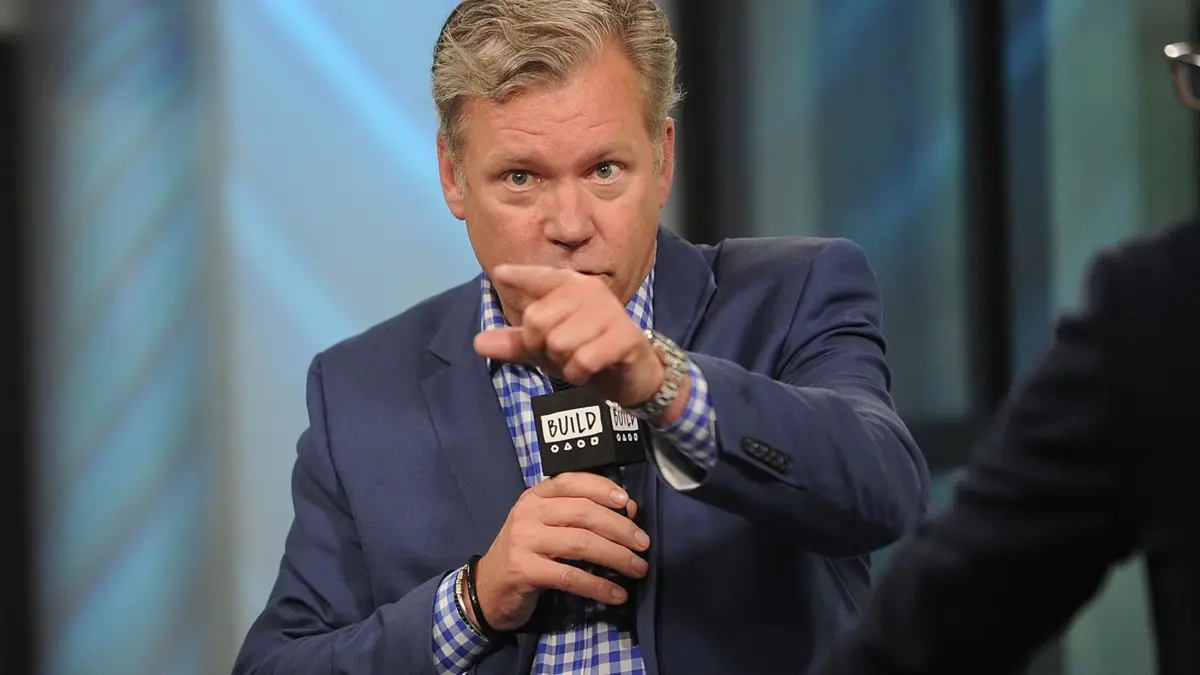
In a promotional move that bridges the gap between guerrilla marketing and high-stakes media retaliation, iconic investigative journalist Chris Hansen has purchased exclusive commercial ad space to run directly before every single screening of A24’s upcoming feature film, Primetime. The film, a heavily dramatized cinematic exploration of Hansen’s monumental rise to fame during his tenure on NBC’s Dateline segment To Catch a Predator, stars Robert Pattinson as the famed television host.
Instead of shrinking away from what he previously termed a "Hollywood fantasy version" of his legacy, Hansen has decided to leverage the captive audience of A24’s arthouse crowd. By deploying custom advertisements for his personal true-crime streaming platform, TruBlu, right as theatergoers settle into their seats, Hansen is subverting the studio’s cinematic release to drive traffic to his own enterprise. Utilizing his signature, instantly recognizable phrasing—"I’m going to need everyone in the theater to take a seat right over there"—Hansen has turned A24’s theatrical rollout into an unprecedented platform for direct competition.
This aggressive marketing masterstroke caps off months of escalating tension between the veteran journalist and the indie studio, marked by leaked pre-production drama, refused screenings, disputed non-disclosure agreements (NDAs), and fundamental disagreements over how true-life tragedies should be adapted for the silver screen.
Detailed Chronology: From Investigative Journalism to Cinematic Friction
The Origins of Primetime and the 2007 Esquire Inspiration
The roots of A24’s Primetime trace back far beyond Hollywood’s backlots, drawing heavy inspiration from a deeply resonant and controversial 2007 Esquire feature article written by journalist Luke Dittrich. The piece critically examined the mechanics and psychological fallout of television sting operations, focusing specifically on Texas District Attorney Bill Conradt. Conradt tragically died by suicide after becoming a primary target of one of Hansen’s televised investigations.
While To Catch a Predator became a defining cultural touchstone of the mid-2000s—accruing millions of viewers and permanently altering how online exploitation was discussed in the public sphere—it also left behind a wake of complex legal, ethical, and human collateral. When A24 greenlit Primetime with Robert Pattinson stepping into the iconic shoes of Chris Hansen, it signaled that Hollywood was ready to interrogate the glossy, high-stakes exterior of network investigative journalism and expose the darker realities lurking beneath the television lights.
The Breakdown of Relations: The Refused Screening
As production wrapped and the September 25, 2026 theatrical release date approached, A24 extended an invitation to Chris Hansen for a preliminary, private screening of the film. What should have been a routine courtesy visit quickly devolved into an industrial dispute.
Hansen publically declined the screening, airing his grievances during an explosive appearance on Fox News. According to the veteran host, A24’s legal team presented him with what he described as a "very restrictive agreement."
"The lawyers at A24 wanted me to sign away my rights to my name, image, and brand, essentially, as well as any potential legal rights that would come out of the movie," Hansen stated during the interview. "I couldn’t sign that, so they didn’t show me the film. I went all the way over there… But who’s going to sign something like that?"
Hansen further expressed his skepticism regarding the studio’s narrative liberties, noting that while other individuals had been allowed to view the film without signing such heavy-handed documents, he was uniquely targeted with restrictive terms.
The Studio’s Defense and Counter-Narratives
Sources close to A24 swiftly pushed back against Hansen’s characterization of the events, offering a starkly different version of the paperwork dispute. Insiders speaking to The Hollywood Reporter maintained that the document presented to Hansen was nothing more than a standard, industry-standard non-disclosure agreement.
According to these studio-adjacent sources, the NDA’s primary purpose was straightforward: to prevent critical plot leaks, preserve the element of surprise for the general public, and protect the studio’s intellectual property ahead of the fall film festival circuit and wide theatrical release. Despite these assurances, the bridge between the studio and the real-world subject had already been burned.
The Birth of the Pre-Show Blitz
Rather than fading into the background of a media cycle he could not control, Hansen seized the initiative. Collaborating with his production and marketing teams at TruBlu—the true-crime streaming network he co-founded and co-owns—Hansen masterminded a direct-to-consumer counter-offensive.
Exclusive footage obtained by The Hollywood Reporter revealed the contents of the short promotional spot. The ad opens with Hansen walking purposefully into a domestic kitchen setting, directly invoking his classic broadcast persona before pivoting to deliver a witty, self-aware modification of his catchphrase to the assembled moviegoers:

"I’m going to need everyone in the theater to take a seat right over there."
The commercial then seamlessly transitions into a pitch for TruBlu, highlighting the platform’s undercover stings, deep-dive investigative reporting, and raw documentaries, complete with an interactive QR code flashing on the screen for instant mobile subscription.
Supporting Context & Metrics: TruBlu vs. A24
To fully understand the gravity of Hansen’s counter-strategy, one must examine the fundamental operational differences between the entities involved:
- A24: An independent entertainment powerhouse renowned for prestige cinema (Everything Everywhere All at Once, The Whale, Uncut Gems). Their marketing relies on cultural cachet, critical acclaim, and auteur-driven narratives designed to attract cinephiles and younger demographics.
- TruBlu: A niche, direct-to-consumer streaming service dedicated entirely to true-crime content, real-time investigative journalism, and localized sting operations. TruBlu operates on high-retention subscriber loyalty and targeted audience acquisition.
- The Overlap: By purchasing ad inventory specifically for Primetime screenings, Hansen is effectively hijacking A24’s carefully curated audience—individuals already interested in true crime, psychological thrillers, and media history—and redirecting their attention toward his proprietary platform.
Interestingly, early iterations of Hansen’s TruBlu advertisement reportedly contained an even more scathing voiceover line explicitly calling Primetime a "Hollywood fantasy version" of real-world events. While that specific jab was ultimately excised from the final cut due to lingering legal concerns and fears of aggressive pushback from the arthouse studio’s legal counsel, the underlying intent remained crystal clear: turn A24’s multi-million dollar promotional vehicle into free top-of-funnel marketing for TruBlu.
Official Statements and Industry Reactions
The collision between a prestige indie studio adapting real-life trauma and the real-world journalist at the center of the storm has sparked widespread debate across entertainment and legal circles.
Media analysts have praised Hansen’s audacity, noting that while traditional subjects of biopics often have little recourse when studios dramatize their lives, Hansen’s status as an active media entrepreneur allowed him to fight back using the very medium—commercial advertising—that built his career.
Conversely, legal experts note that while purchasing pre-show ad space is entirely permissible provided it meets theater chain broadcast standards, walking the line close to defamation or unauthorized commercial exploitation of a film’s specific branding requires careful navigation. Fortunately for Hansen, his ad focuses entirely on driving traffic to TruBlu by capitalizing on his personal brand and iconic cadence, deftly sidestepping direct copyright violations of A24’s specific footage.
Neither A24 nor Robert Pattinson’s representatives have issued formal statements regarding Hansen’s commercial takeover, choosing instead to let the film speak for itself as the September release date draws near.
Future Outlook: What Primetime Means for the True-Crime Genre
As Primetime prepares for its wide theatrical release on September 25, 2026, the cultural conversation surrounding the ethics of true-crime dramatization has reached a fever pitch.
For A24, the film represents an ambitious prestige drama that aims to dissect the complex relationship between television stardom, public vigilantism, and human tragedy. For Robert Pattinson, the role is already generating early Oscar buzz for its haunting portrayal of an ambitious media figure navigating the moral gray areas of his profession.
For Chris Hansen, however, Primetime has inadvertently become the ultimate catalyst for brand revitalization. By transforming a potential PR headache into a guerrilla marketing coup, Hansen has ensured that every ticket sold for an A24 screening of Primetime doubles as an implicit introduction—or re-introduction—to the TruBlu network.
Whether Primetime succeeds as a cinematic masterpiece or falters under the weight of its own dramatization, one thing is certain: when moviegoers take their seats this September, Chris Hansen will be the very first person to welcome them to class.