Executive Overview
In a cinematic pairing that few could have anticipated but many will celebrate, the worlds of Quentin Tarantino and David Fincher are officially colliding. The Further Mis-Adventures of Cliff Booth—previously teased simply as The Adventures of Cliff Booth—serves as the official follow-up to Tarantino’s critically acclaimed 2019 period piece, Once Upon a Time … in Hollywood. However, this venture features a notable twist: while Tarantino has stepped back from the director’s chair, visionary filmmaker David Fincher (Fight Club, Seven, The Social Network) is helming the project.
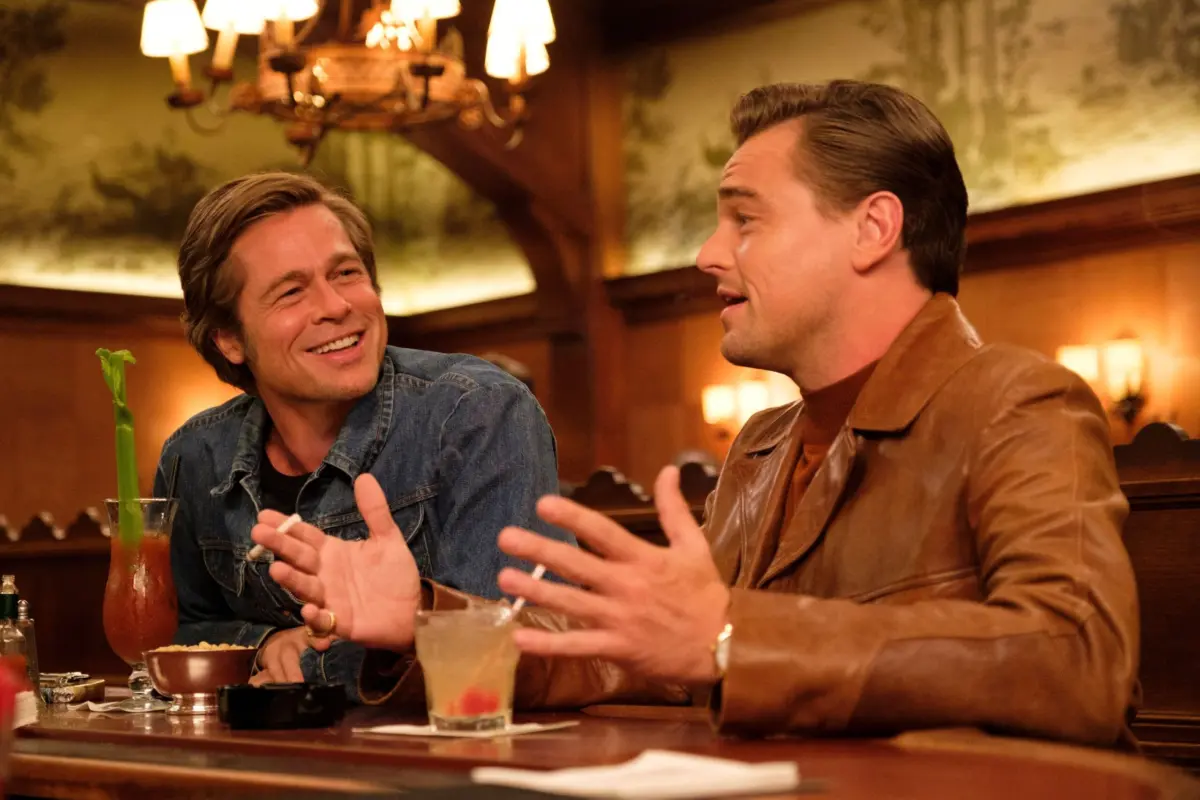
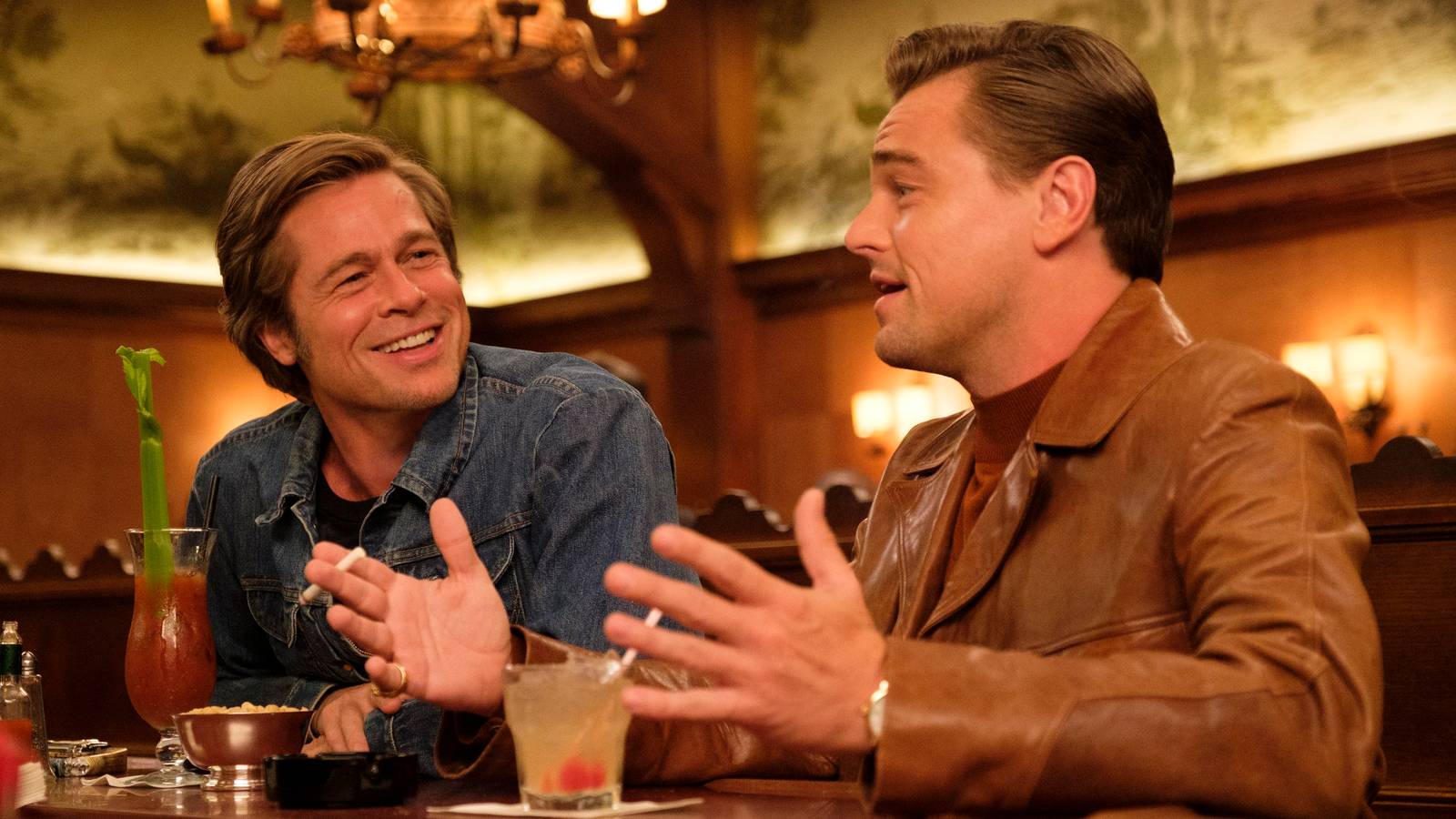
Brad Pitt is set to reprise his Academy Award-winning role as the laid-back, lethal stuntman Cliff Booth. Shifting the timeline forward from the sun-drenched, Manson-shadowed Los Angeles of 1969 to the grittier, rapidly changing landscape of 1977 Hollywood, the new feature promises a stylistic synthesis of Tarantino’s idiosyncratic dialogue and pulp sensibilities with Fincher’s trademark meticulousness and psychological depth.
Netflix has confirmed a major rollout strategy for the film, blending a prestigious theatrical footprint with a broad digital release. Cinephiles will have the opportunity to experience the film during an exclusive two-week global IMAX run beginning November 25, followed by its official streaming debut on Netflix on December 23. Featuring a star-studded ensemble cast and a screenplay penned by Tarantino himself, this project represents one of the most intriguing cross-auteur collaborations of the decade.
Detailed Chronology: From 1969 to 1977
To understand the weight of The Further Mis-Adventures of Cliff Booth, one must look back at the winding path that led from the climax of the 2019 original to this upcoming sequel.
The Genesis and the Teaser (February 2026)
Rumors regarding an expansion of the Once Upon a Time … in Hollywood universe had circulated for years, given Tarantino’s well-documented fascination with the lives of his fictional creations, actor Rick Dalton and stunt double Cliff Booth (even leading to a tie-in novelization written by Tarantino). However, the project shifted from speculative industry chatter to reality in February when Netflix dropped a surprise teaser trailer, officially introducing The Adventures of Cliff Booth and revealing that David Fincher would direct.
The Title Update and Scheduling (August 2026)
On Wednesday, August 26, Netflix provided a comprehensive update on the project. Alongside confirming the film’s new, slightly tongue-in-cheek title—The Further Mis-Adventures of Cliff Booth—the streamer locked down the release dates that will define the upcoming holiday movie season. The announcement solidified the production’s hybrid distribution model, balancing traditional theatrical prestige with the sheer scale of the Netflix platform.
Stepping Into 1977 Hollywood
While the original film unfolded over a few fateful days in February and August of 1969—capturing the twilight of Hollywood’s Golden Age just before the cultural earthquake of the Manson murders—the sequel jumps eight years into the future.
Netflix has teased that the story takes place in "a very different Hollywood." By 1977, the New Hollywood wave pioneered by directors like Scorsese, Coppola, and Spielberg was in full swing, and the traditional studio system that Rick Dalton and Cliff Booth navigated had fractured. For Cliff, a man defined by old-school ruggedness, working-class stoicism, and WWII combat experience, surviving the late ’70s means adapting to a cinematic landscape dominated by gritty realism, changing stunt standards, and a starkly different cultural zeitgeist.
Supporting Context & Metrics: The Auteur Collaboration
The partnership between Quentin Tarantino and David Fincher is a watershed moment for modern American cinema. Both emerged as defining voices of the 1990s indie-film boom—Tarantino with Reservoir Dogs (1992) and Pulp Fiction (1994); Fincher with Alien 3 (1992) and Se7en (1995)—yet they have maintained distinctly separate cinematic vocabularies.
Creative Synergy
Tarantino is celebrated for his vibrant dialogue, stylized violence, nonlinear narratives, and kinetic homage to exploitation, spaghetti westerns, and martial arts cinema. Fincher, on the other hand, is renowned for his clinical precision, muted color palettes, brooding psychological tension, and meticulous control over mise-en-scène.
Having Tarantino write the script while Fincher directs creates a fascinating creative friction. It ensures that the distinct voice, rhythmic banter, and character idiosyncrasies of Cliff Booth remain intact, filtered through Fincher’s lens of atmospheric dread, procedural realism, and cool observation.
Cast and Crew Depth
Brad Pitt leads a sprawling ensemble that bridges classic Hollywood gravitas with contemporary prestige television and film talent. The cast includes:
- Elizabeth Debicki (Tenet, The Crown)
- Scott Caan (Hawaii Five-0, Ocean’s Eleven)
- Carla Gugino (The Fall of the House of Usher, Watchmen)
- Yahya Abdul-Mateen II (Watchmen, Candyman)
- Peter Weller (RoboCop, Star Trek Into Darkness)
- Matt Groove
- JB Tadena
- Corey Fogelmanis
- Karren Karagulian
Critical Legacy of the Original
The original Once Upon a Time … in Hollywood remains a high-water mark of modern auteur cinema. Upon its release, critics lauded its patience and atmospheric immersion. As noted by film critic Karen Han in her 2019 review for Polygon:
"Once Upon a Time … in Hollywood is easily the quietest and most meditative of [Tarantino’s] works, ending with a startlingly soft and sweet moment that contextualizes everything that came before it as, ultimately, a love letter."
That underlying warmth—the deep-seated platonic bond between Rick Dalton and Cliff Booth—provides the emotional anchor that Fincher and Tarantino can now subvert, test, or expand upon in 1977.
Official Statements and Distribution Strategy
Netflix’s distribution strategy for The Further Mis-Adventures of Cliff Booth highlights the streaming giant’s ongoing push to capture both theatrical prestige and massive at-home viewership.
The IMAX Window
Starting November 25, the film will enjoy an exclusive, two-week global run in IMAX theaters. This tactical move serves two purposes: it honors the visual craftsmanship of David Fincher—who frequently utilizes digital cinematography at the highest technological standards—and it satisfies the theatrical appetites of cinephiles who demand a big-screen experience for event-level cinema.
The Streaming Launch
Following its theatrical exclusivity, the film will debut worldwide on Netflix on December 23, positioning it squarely as the streamer’s major holiday tentpole release.
Tarantino’s Final Film Status
Notably, while Tarantino wrote the script for The Further Mis-Adventures of Cliff Booth, he has kept the industry guessing regarding his self-imposed retirement plan to direct only 10 feature films. Having previously designated his hypothetical 10th film as his final theatrical outing as a director, Tarantino has yet to formally unveil what that ultimate project will be, leaving this streaming-adjacent, Fincher-directed collaboration as a unique detour in his legendary career.
Future Outlook
The release of The Further Mis-Adventures of Cliff Booth in late 2025/2026 represents a paradigm shift in how cinematic universes are handled by auteur filmmakers. Rather than a studio-mandated, corporate cash-grab, this sequel is born from creative curiosity and mutual respect between two masters of modern cinema.
If the experiment succeeds, it could pave the way for a new era of collaborative filmmaking where legendary directors pass the baton of their personal creations to peers, ensuring characters like Cliff Booth can live on in unexpected ways. For now, audiences have a definitive date to mark on their calendars: an IMAX immersion on November 25, followed by a holiday streaming event on December 23. As the calendar turns to 1977, the untold exploits of cinema’s coolest stuntman are about to begin.