Executive Overview
In an era dominated by calculated IP exploitation, algorithmic studio greenlights, and exhaustive cinematic universes, Hollywood remains perpetually obsessed with the alchemy of past blockbusters. Yet, after a century of trial and error, the film industry still struggles to decode a fundamental truth: no one really knows why a movie works.
While contemporary studios treat decades-old intellectual property as a low-risk safety net, few properties have proven as difficult to resurrect or as impossible to emulate as Universal Pictures’ 1999 action-adventure classic, The Mummy. Directed by Stephen Sommers and starring Brendan Fraser and Rachel Weisz, the film redefined the adventure genre for a generation. It blended high-stakes horror aesthetics with screwball romance, swashbuckling heroics, and self-aware comedy.
Now, over a quarter-century later, the cultural gravity of the 1999 original is proving inescapable once more. With the officially announced production of The Mummy: The Book of the Dead—slated for a late 2027 theatrical release and helmed by Radio Silence (Ready or Not, Scream)—the original cast, including Fraser, Weisz, and John Hannah, are officially reuniting.
As fans revisit the millennial milestone (currently streaming for free on YouTube), industry analysts are once again dissecting what made Sommers’ original vision work. Two subsequent attempts to reboot the franchise—most notably Tom Cruise’s failed 2017 attempt to launch a "Dark Universe" and Blumhouse’s horror-centric reimagining—stumbled precisely because they missed the core ingredient that Brendan Fraser famously summarized: unadulterated, effortless fun.
Detailed Chronology: From Universal Monster to Millennial Masterpiece
The Genesis of a Reimagining
The cinematic lineage of The Mummy stretches back to Karl Freund’s 1932 Universal horror classic starring Boris Karloff. For decades, the property remained anchored in the horror genre, depicting the titular creature as a tragic, slow-moving monster terrorizing archeologists in gothic, claustrophobic settings.
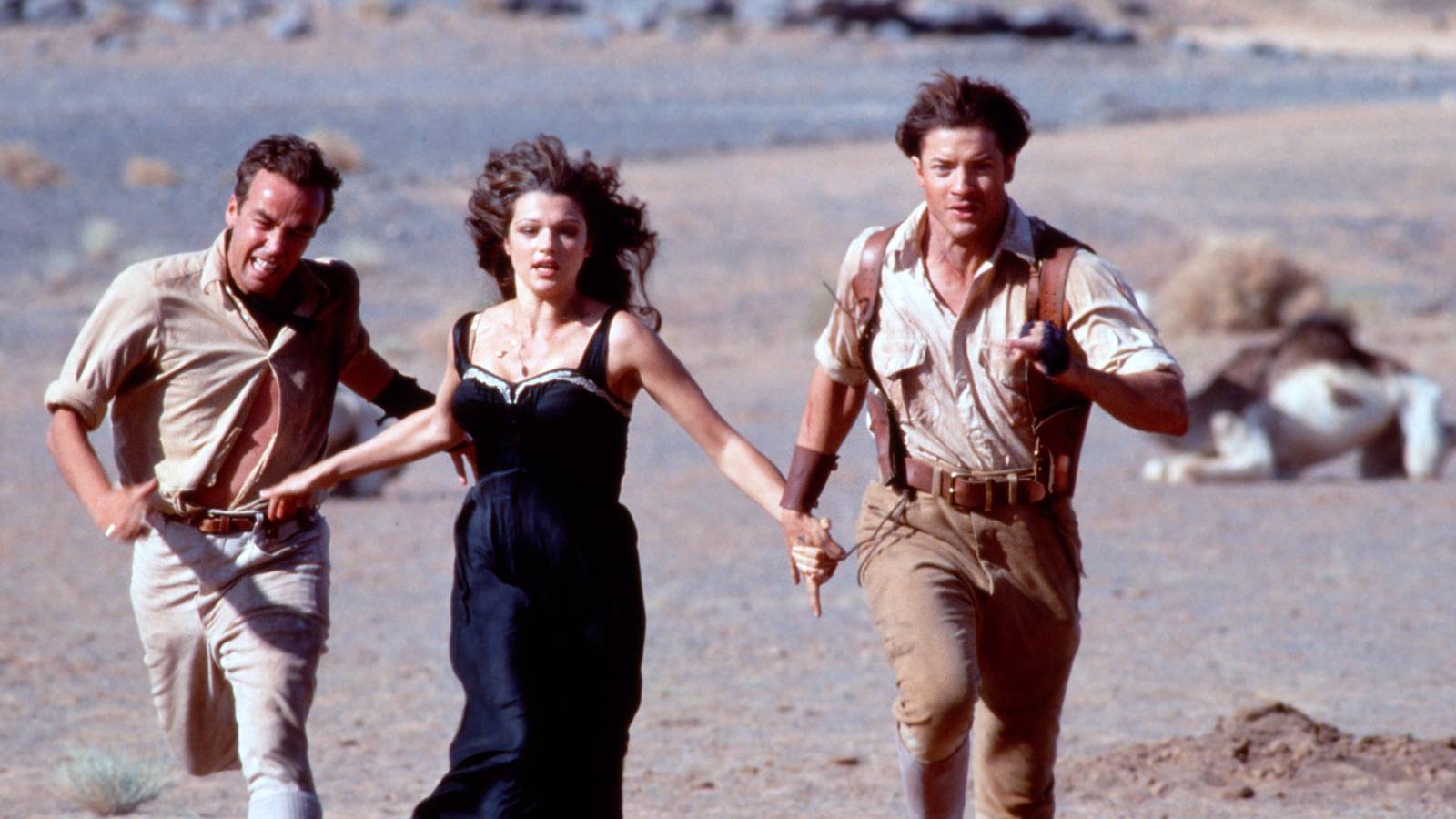
By the late 1990s, however, writer-director Stephen Sommers envisioned a radical departure. Rather than adhering strictly to atmospheric dread, Sommers pitched Universal Pictures an ambitious hybrid: a high-budget, globe-trotting pulp adventure modeled after 1930s movie serials and Indiana Jones, infused with advanced computer-generated visual effects and romantic comedy dynamics.
The 1920s Expedition to Hamunaptra
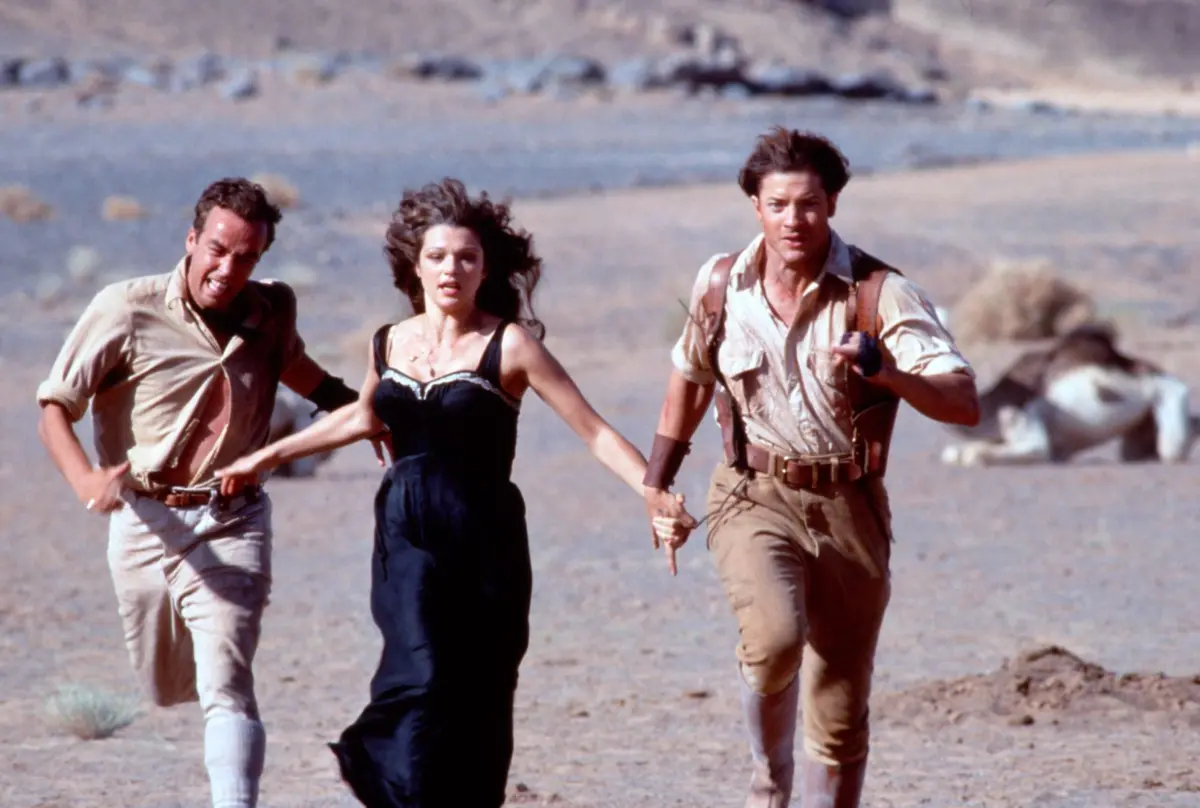
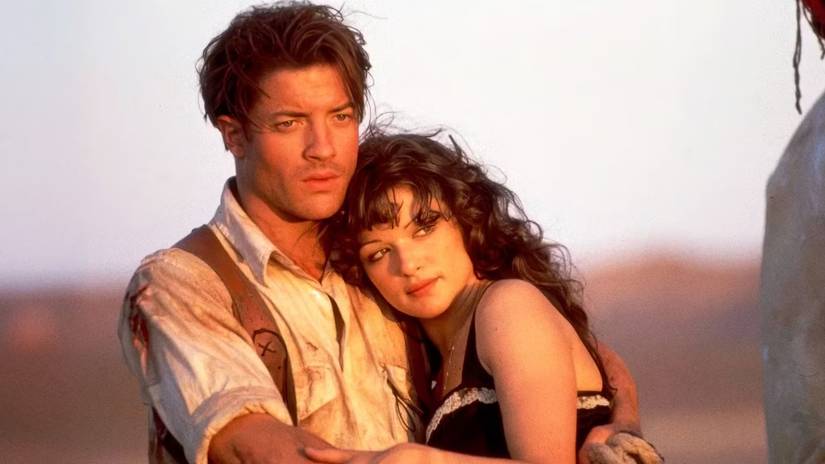
Set in 1926, the plot follows Rick O’Connell (Brendan Fraser), a gritty American adventurer and former French Foreign Legionnaire who finds himself imprisoned and sentenced to execution in Cairo. His fortunes change when Evelyn Carnahan (Rachel Weisz), a brilliant, clumsy librarian and aspiring Egyptologist, and her roguish brother Jonathan (John Hannah) secure his release in exchange for his services as a guide.
The trio seeks Hamunaptra, the legendary City of the Dead, said to contain the amassed wealth of Pharaoh Seti I. Unbeknownst to them, the ruins harbor a far darker secret: the mummified remains of High Priest Imhotep (Arnold Vosloo), who was mummified alive for committing sacrilege and murdering the pharaoh out of forbidden love for concubine Anck-su-namun (Patricia Velasquez).
Upon arriving in the ruins, Evelyn inadvertently unearths the black "Book of the Dead" and reads aloud an ancient incantation. This act unleashes a biblical plague of curses upon the expedition and awakens Imhotep, who embarks on a monstrous campaign to regenerate his decaying body by harvesting the organs and life force of the expedition members—while attempting to resurrect Anck-su-namun.
THE EVOLUTION OF THE MUMMY FRANCHISE (1932–2027)
-------------------------------------------------------------------------
1932  | Universal Horror Classic (*The Mummy* starring Boris Karloff)
1999  | Action-Adventure Reimagining (*The Mummy* starring Brendan Fraser)
2001  | Direct Sequel (*The Mummy Returns*)
2017  | Blockbuster Reboot (*The Mummy* starring Tom Cruise / Dark Universe)
2027  | Nostalgia-Driven Reunion (*The Mummy: The Book of the Dead* / Radio Silence)
Supporting Context & Metrics: Brawn, Brains, and Box Office Reality
Critical Reception vs. Cultural Longevity
When The Mummy premiered in May 1999, it was met with a polarized critical landscape. While mainstream reviewers praised its technical wizardry and relentless pacing, many dismissed its screenplay as derivative and chaotic.

Yet, veteran film critic Roger Ebert famously bucked conventional critical consensus, awarding the film three out of four stars and writing:
"There is hardly a thing I can say in its favor, except that I was cheered by nearly every minute of it."
Financially, the film was an undeniable triumph. Produced on an estimated budget of $80 million, The Mummy grossed over $416 million worldwide, instantly cementing itself as a commercial juggernaut and proving that audiences hungered for high-concept, lighthearted escapism at the turn of the millennium.
The Anatomy of a Dynamic Duo: Brains Versus Brawn
The enduring success of The Mummy rests largely on its clever subversion of traditional action-hero archetypes. Rather than consolidating every heroic attribute into a single protagonist—the traditional Indiana Jones mold—Sommers divided those traits between its two leads, creating an irresistible dynamic:
- Rick O’Connell (Brendan Fraser): Physically imposing, deeply courageous, yet brilliantly self-aware and slightly dim-witted. When confronted by a screeching, skinless ancient priest, Rick does not deliver a stoic one-liner; he screams right back in sheer panic before blindly opening fire.
- Evelyn Carnahan (Rachel Weisz): Intellectually brilliant, deeply passionate about history, and the primary catalyst for the plot. While her academic curiosity literally unleashes an apocalyptic mummy upon the world, her scholarly expertise is the only tool capable of stopping him.
The resulting romantic tension between the swaggering mercenary and the bookish scholar bypassed standard Hollywood tropes, grounding high-stakes supernatural terror in genuine chemistry.

Official Statements and Industry Analysis
The Failure of Corporate Reboots
The unique lightning-in-a-bottle nature of the 1999 film became glaringly apparent when Universal attempted to revive the intellectual property in the 21st century.
In 2017, the studio released a high-budget reboot starring Tom Cruise, intended to launch the interconnected "Dark Universe" designed to rival Marvel and DC. Heavily reliant on grim aesthetics, humourless action sequences, and franchise-building exposition, the film bombed domestically and critically, abruptly halting Universal’s shared-universe ambitions.
Brendan Fraser pinpointed the exact flaw of the 2017 iteration during a 2022 interview with Variety:
"The ingredient that we had going for our Mummy, which I didn’t see in the new one, was fun. That is what was lacking in that incarnation. It was too much of a straight-ahead horror movie. The Mummy should be a thrilling ride, but it’s got to be fun."
A subsequent horror-focused reboot helmed by Lee Cronin attempted a stark, terrifying approach centered on a cursed missing girl. Blumhouse Productions leaned heavily into self-aware marketing to distance itself from the original, going viral on social media with the blunt declaration: “BRENDAN FRASER IS NOT IN LEE CRONIN’S THE MUMMY.” Despite the clever campaign, the film struggled to escape the long shadow cast by Fraser’s legacy.
Future Outlook: The Mummy: The Book of the Dead (2027)
As production officially commenced in late 2026 for The Mummy: The Book of the Dead, industry anticipation has reached a fever pitch. With Radio Silence—the acclaimed directing duo behind modern horror-comedy hits like Ready or Not and the revitalization of the Scream franchise—at the helm, the upcoming sequel aims to bridge the gap between nostalgic crowd-pleasing adventure and contemporary filmmaking sensibilities.
Most importantly, the return of Fraser, Weisz, and Hannah signals that Universal Pictures has finally learned its lesson: audiences do not fall in love with computer-generated spectacles or cinematic universes; they fall in love with characters, chemistry, and authentic joy.
Whether The Book of the Dead can successfully recapture the elusive magic of 1999 remains to be seen when it hits theaters in late 2027. Until then, generations of viewers continue to return to the original classic—proving that some cinematic treasures refuse to stay buried.