Executive Overview
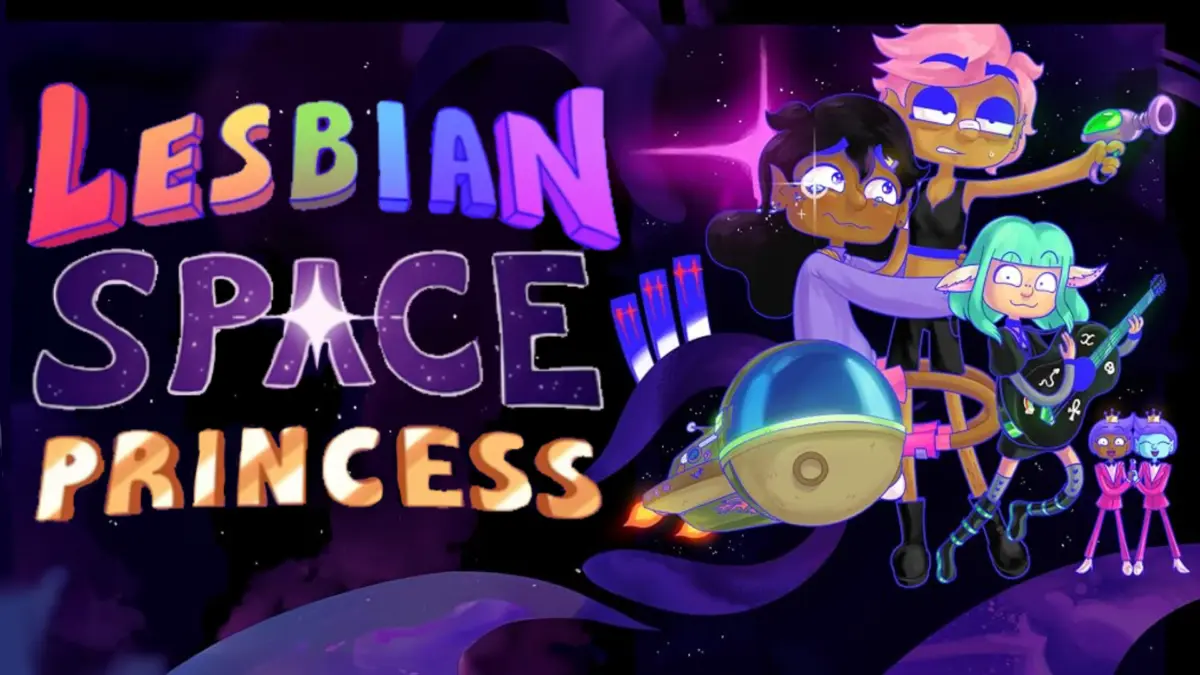
In the fast-paced ecosystem of contemporary internet culture, the trajectory of media perception can shift from critical acclaim to viral mockery overnight. Few recent phenomena illustrate this volatility as starkly as the August 2026 digital storm surrounding Lesbian Space Princess, a 2025 Australian adult animated science-fiction comedy film. Written and directed by Emma Hough Hobbs and Leela Varghese, the film initially enjoyed a prestigious festival run—most notably winning the coveted Teddy Award for Best Feature Film at the 75th Berlin International Film Festival—alongside glowing critical reviews, including a stellar 98 percent approval rating on Rotten Tomatoes.
However, nearly a year after its initial release, the film was thrust into a sudden and aggressive wave of online backlash. Triggered by its inclusion in regional streaming recommendations on platforms like Netflix, Lesbian Space Princess was discovered by a global audience largely unfamiliar with its subversive, hyper-stylized origins. Short clips, out-of-context screenshots, and reaction videos quickly flooded TikTok, Reddit, and X (formerly Twitter). Users began mercilessly dissecting the film’s deliberately exaggerated humor, eccentric world-building, and overt queer themes.
What began as localized cringe-posting rapidly evolved into a massive, multi-fandom internet phenomenon dubbed the "Great Fandom Truce of 2026." Across social media, users humorously fabricated narratives of historically warring fandom communities—from anime enthusiasts to gaming subcultures—joining forces in a temporary alliance solely to mock the film. This extensive report examines the journey of Lesbian Space Princess, tracing its origins from Australian indie production labs to international festival circuits, before analyzing the mechanics of the viral backlash that forever altered its digital footprint.
Detailed Chronology: From Concept to Viral Phenomenon
Phase 1: Conception and Development (2023–2024)
The genesis of Lesbian Space Princess lies in the collaborative creative partnership of Australian filmmakers Emma Hough Hobbs and Leela Varghese. Developed under the auspices of the "Film Lab: New Voices" initiative—a joint funding venture co-sponsored by the South Australian Film Corporation, the Adelaide Film Festival, and Screen Australia—the project was designed to champion distinctive, underrepresented voices in Australian cinema.
The narrative centers on Princess Saira, an anxious, introverted lesbian residing on the fantastical planet of Clitopolis. The plot kicks into gear when Saira’s bounty-hunter ex-girlfriend, Kiki, is kidnapped by the antagonist faction known as the "Straight White Maliens." Forced out of her comfort zone, Saira embarks on a chaotic, galaxy-spanning rescue mission. Blending queer romance, absurdist science fiction, musical numbers, and unabashed adult comedy, the film was built on a foundation of campy exaggeration.
Following a localized preview screening at the Adelaide Film Festival in October 2024, the film positioned itself as a bold, unapologetic indie comedy tailored for niche festival audiences.
Phase 2: International Acclaim and Festival Circuit (Early 2025)
In February 2025, Lesbian Space Princess made its international premiere at the Berlin International Film Festival. The screening proved to be a critical triumph, culminating in the film winning the prestigious Teddy Award for Best Feature Film—an accolade historically reserved for films with significant LGBTQ+ relevance and artistic merit.
Buoyed by its Berlinale success, the film embarked on a successful international festival tour, charming critics with its raw humor, DIY animation charm, and heartfelt core themes. Mainstream critics praised the film’s refusal to pander, noting its high-energy pacing and fearless embrace of absurdity. By July 31, 2025, Umbrella Entertainment officially released the film’s theatrical trailer on YouTube, where it steadily accumulated over 647,000 views and 6,300 likes over the course of a year, maintaining a pristine 98 percent critic score on Rotten Tomatoes.
Phase 3: The August 2026 Discovery and Backlash
Despite its critical accolades, Lesbian Space Princess remained relatively obscure outside of Australia and New Zealand. That dynamic shifted irrevocably in August 2026, when the film was integrated into streaming algorithms, most notably appearing in Netflix recommendation feeds across various international territories.
This exposure exposed the film to a massive, global audience entirely unaccustomed to its specific brand of Australian queer underground humor. Stripped of the art-house festival context in which it was initially received, the film’s deliberately provocative title, eccentric character names, and maximalist sexual humor became prime targets for internet ridicule.
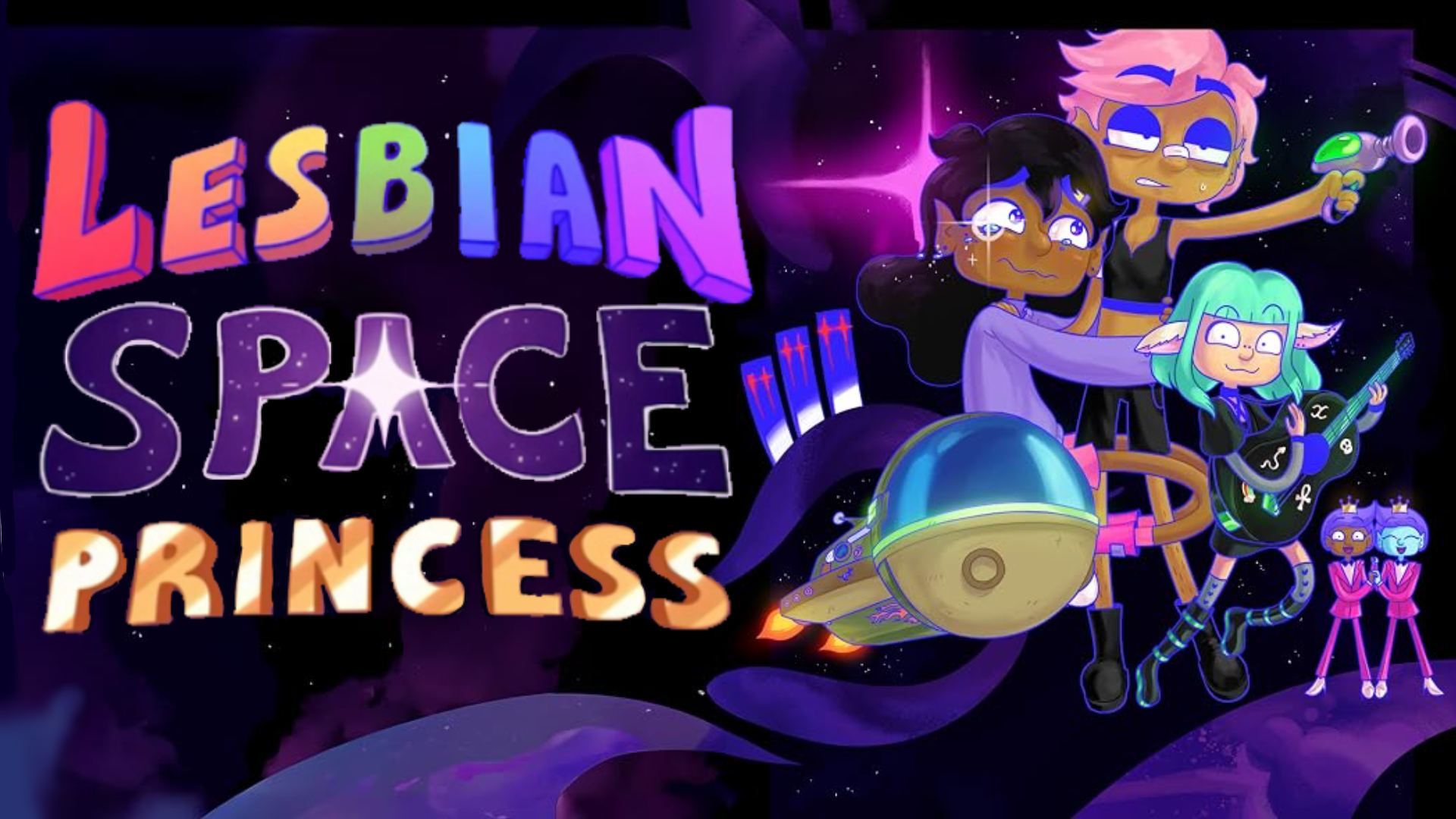
On August 21, 2026, TikTok user @xtoofarx posted a raw clip from the film accompanied by the deadpan caption, "Possibly the worst way to start your movie." The post struck a nerve, skyrocketing to over 5.4 million views and 535,300 likes in less than three days. Momentum built exponentially on August 23, when user @leahashwag posted a video showing the movie’s opening sequence before dramatically slamming her laptop shut—a comedic performance that pulled in 5.5 million views and nearly 800,000 likes within 48 hours.
Phase 4: The Great Fandom Truce of 2026
As the volume of critical TikToks and reaction videos swelled, the discourse transcended standard movie reviews and morphed into a surreal internet meta-narrative. Users across platforms began framing the universal mockery of Lesbian Space Princess as a historic cultural reset.
This gave rise to the "Great Fandom Truce of 2026," a viral meme format wherein notoriously combative online communities—such as rival anime fanbases, gaming factions, and television fandoms—jokingly declared temporary peace treaties. The unified purpose of these coalitions? To collectively mock and meme Lesbian Space Princess out of cultural existence.
Videos utilizing cinematic battle tropes, clips from My Little Pony: Friendship is Magic, and dramatic edits flooded the internet. On August 22, user @blitzing00 posted an edit depicting disparate fandoms uniting for "just this once" to stop the film’s cultural spread, amassing 1.5 million views. Concurrently, user @fennix4007 shared a similar meme declaring it the "worst movie of all time," pulling in 2.6 million views. The comment sections of these viral videos became digital town squares where users from opposing digital trenches joked about finding unexpected camaraderie in their mutual bewilderment at the film.
Supporting Context & Metrics
To understand the magnitude of the August 2026 surge, one must analyze the quantitative metrics driving the digital ecosystem surrounding Lesbian Space Princess:
- Rotten Tomatoes Performance: Prior to its viral infamy, the film sat comfortably with a 98% critical approval rating, a testament to its warm reception among professional film reviewers who evaluated it through the lens of queer indie cinema.
- Trailer Longevity vs. Viral Velocity: Umbrella Entertainment’s official YouTube trailer took a full 12 months to accumulate roughly 647,000 views. In stark contrast, individual TikTok user clips generated multi-million-view counts within 24 to 48 hours of posting during the peak of the August 2026 backlash.
- Engagement Spikes: Major viral catalysts, such as @leahashwag’s laptop-closing video, secured over 799,300 likes and 5.5 million views in under 48 hours, demonstrating the hyper-accelerated amplification typical of modern TikTok recommendation algorithms.
- Cross-Platform Migration: While the epicenter of the trend was TikTok, the sentiment rapidly bled into X, Reddit, and Instagram, establishing dedicated meme tags, reaction image templates, and satirical fan-fiction.
Official Statements and Industry Response
As of late August 2026, neither writers-directors Emma Hough Hobbs and Leela Varghese nor distributor Umbrella Entertainment have issued formal statements regarding the sudden tidal wave of internet irony and backlash.
Industry analysts suggest that silence is likely the most prudent strategy. The phenomenon highlights a growing disconnect between institutional arts funding bodies—which reward niche, boundary-pushing independent cinema—and the global, algorithm-driven streaming public, which often lacks the contextual framing necessary to interpret avant-garde or hyper-specific regional humor. While traditional film critics championed Lesbian Space Princess for its fearless subversion and creative liberty, the broader internet recontextualized those exact same stylistic choices through the lens of viral "cringe culture."
Future Outlook
The case of Lesbian Space Princess serves as a fascinating case study in modern media consumption, illuminating how streaming algorithms can inadvertently resurrect indie art-house projects and drop them into hostile digital arenas.
Moving forward, the legacy of Lesbian Space Princess will likely exist in a paradoxical state. In traditional cinematic archives, it will remain an award-winning, critically celebrated milestone of Australian queer animation, backed by its Teddy Award and stellar critical reception. Simultaneously, in the annals of internet history, it will be permanently immortalized as the catalyst for the "Great Fandom Truce of 2026"—a rare moment when the chaotic factions of the internet put down their digital weapons, if only for a moment, to universally meme a little-known space princess from Clitopolis.