Executive Overview
Seven years after its initial rollout disrupted the traditional financial sector, the Apple Card continues to evolve through software integration, travel perks, and critical structural changes. Launched in August 2019 as a collaborative effort between Apple, Goldman Sachs, and Mastercard, the digital-first credit card was designed to integrate tightly with the iOS ecosystem. It promised a streamlined user experience, instant Daily Cash rewards, and a distinct lack of traditional banking fees.
As the product marks its seventh anniversary, it stands at a fascinating crossroads. Apple and its partners have rolled out a series of significant updates aimed at modernizing the card’s feature set. Notable additions include upcoming predictive financial tools in iOS 27, elevated travel partnerships with Booking.com and Hertz, and long-awaited web accessibility for the high-yield Apple Savings account.
Yet, these product enhancements are occurring against the backdrop of a massive structural shift. Apple’s impending issuer transition from Goldman Sachs to JPMorgan Chase—announced earlier this year—looms large over the ecosystem. While cardholders are promised continuity, the logistical and strategic challenges of migrating millions of accounts present an unprecedented test for the tech giant’s financial ambitions. This report examines the current state of the Apple Card, analyzing its recent feature rollouts, travel perks, management expansions, and the monumental transition to Chase.
Detailed Chronology of Recent Updates
The feature set of the Apple Card has undergone a measured expansion over the past year, bridging the gap between a convenient digital payment method and a comprehensive personal finance tool.
iOS 27: The Introduction of "Recurring" Transactions
One of the most anticipated utility features coming to the Apple Card ecosystem is the "Recurring" hub, introduced in the beta cycles for iOS 27. Accessible through the standard three-dot menu in the upper-right corner of the Wallet app, this feature is designed to address a fundamental pain point in modern subscription-based economies: subscription fatigue and unexpected charges.
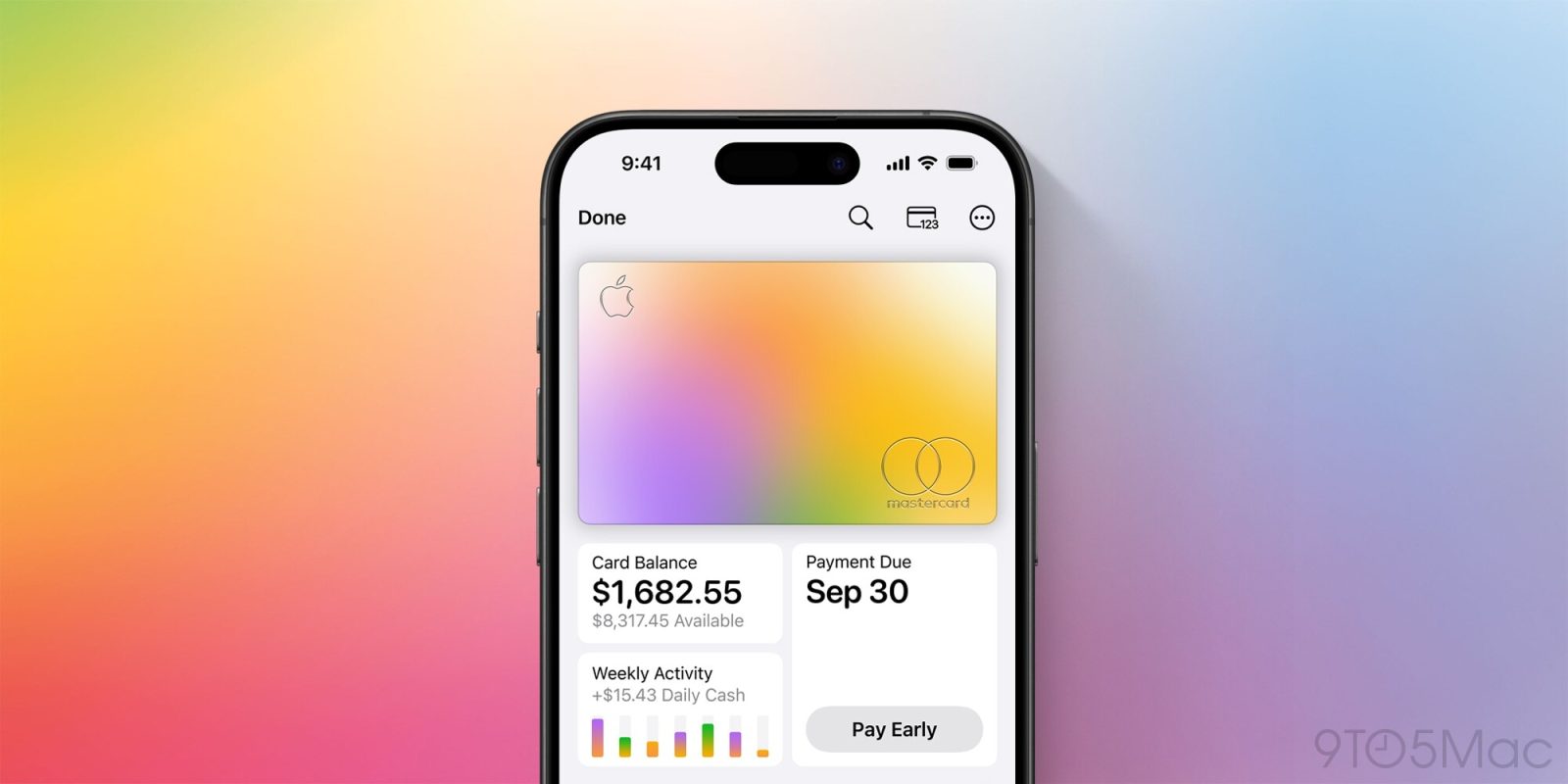
The recurring transactions hub automatically identifies, catalogs, and projects upcoming charges tied to the user’s Apple Card. Cardholders are presented with an itemized list detailing the expected date and exact financial amount of each upcoming transaction. Furthermore, Apple has integrated a monthly calendar view, allowing users to visualize their financial obligations across a timeline. This proactive approach to budgeting helps mitigate surprise overdrafts and gives consumers granular control over their automated monthly expenditures. While currently restricted to developers and public beta testers, the feature is scheduled for a wider public release alongside the general availability of iOS 27.
Travel Partnerships: Booking.com and Hertz Integration
Recognizing the lucrative nature of the travel and tourism market, Apple has systematically enriched the Apple Card’s rewards structure for globetrotters. Earlier this year, Apple partnered with Booking.com to introduce an expedited status perk.
Under the new agreement, any Apple Card user who completes a single stay or car rental through Booking.com is automatically elevated to "Genius Level 2" status. This loyalty tier unlocks tangible travel benefits, including room upgrades, complimentary breakfasts, and selective discounts ranging from 10% to 15% on participating properties and rentals. Moreover, all transactions processed through Booking.com with the Apple Card yield a baseline 3% Daily Cash rebate.
This partnership mirrors Apple’s strategic alignment with Hertz, which integrated the card into its ecosystem to offer exclusive rental perks alongside the standard 3% Daily Cash back. By curating a portfolio of high-yield merchant partners, Apple has successfully shifted the card from a generic 1%-to-2% cash-back vehicle into a targeted rewards card for specific consumer verticals.
Web Management: Breaking Free from the iPhone Tether
Since its inception, a primary criticism of the Apple Card has been its rigid dependence on the iOS ecosystem. Unlike traditional credit cards that feature fully realized web portals accessible from any desktop or mobile browser, the Apple Card was initially restricted almost entirely to the iPhone’s Wallet application.
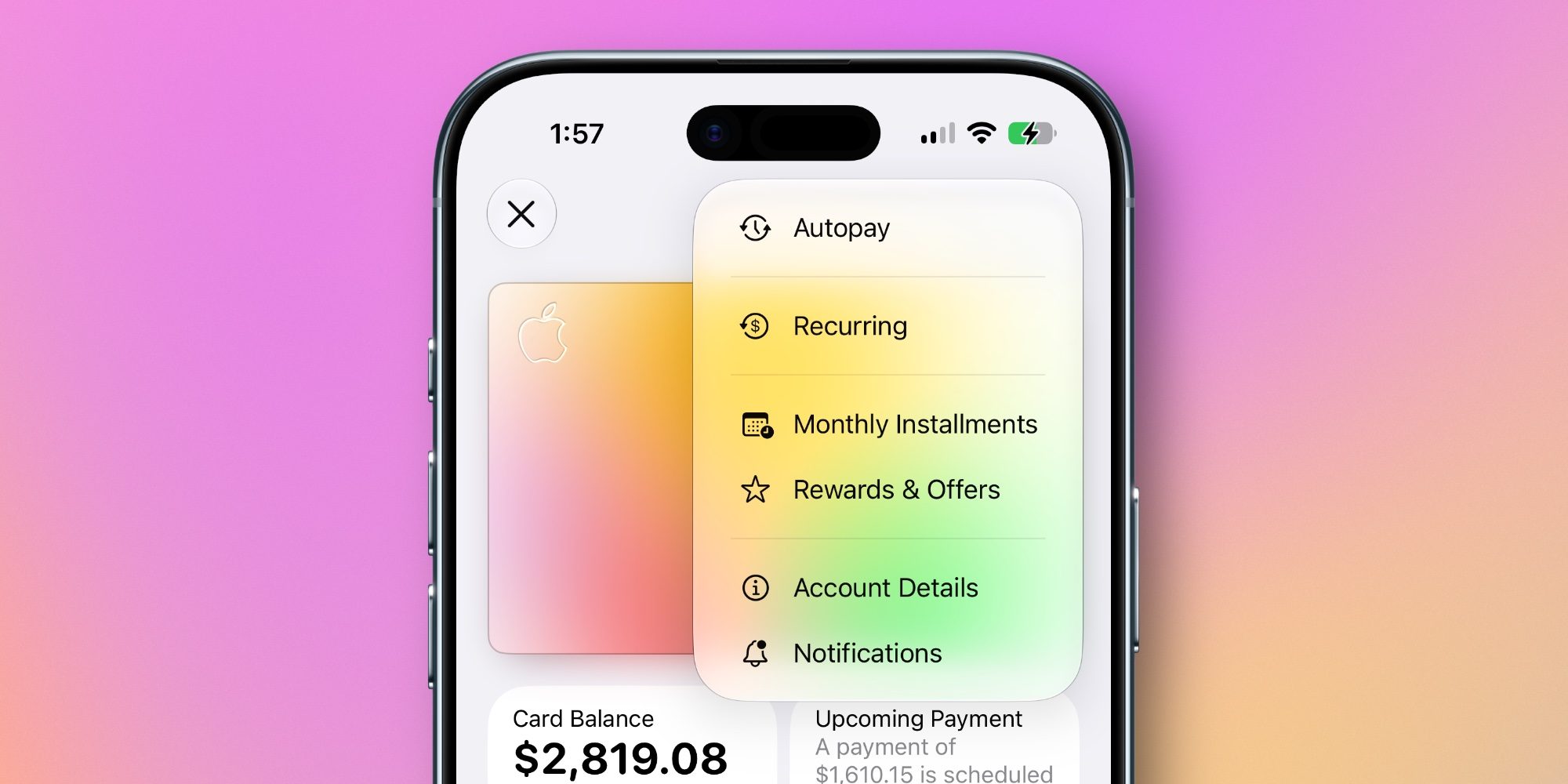
Apple has slowly dismantled this ecosystem wall. Following earlier iterations that allowed for basic web management, the company launched full web access for the Apple Card Savings Account. Users can now log into a secure web portal via desktop or non-Apple browsers to check balances, review transaction histories, transfer funds, and manage their high-yield savings portfolios. This expansion represents a maturing of Apple’s financial services arm, signaling a willingness to accommodate users who demand multi-platform accessibility for sensitive financial data.
Supporting Context & Metrics: The Apple Ecosystem Strategy
To understand the trajectory of the Apple Card, one must evaluate its performance within the broader context of Apple’s Services division and the global fintech landscape.
While Apple does not publicly break down the exact profitability or total transaction volume of the Apple Card, financial analysts estimate that the card has successfully captured a loyal subset of active iPhone users. The card’s value proposition relies heavily on behavioral economics:
- Frictionless Onboarding: The ability to sign up directly through an iPhone within minutes removes the bureaucratic hurdles traditionally associated with credit card applications.
- Daily Cash Liquidity: Unlike competitors who require points to accumulate to a certain threshold or restrict redemption options, Daily Cash is deposited immediately into an Apple Cash card, where it can be spent, transferred, or funneled into the high-yield savings account.
- 0% Financing Incentives: The inclusion of interest-free installment plans for hardware purchases (iPhones, Macs, iPads) acts as a powerful subsidized financing loop, driving hardware sales while encouraging recurring credit utilization.
However, the card is not without its limitations. For consumers outside the Apple ecosystem, the card’s physical Titanium design—while aesthetically pleasing—offers a meager 1% cash back, making it thoroughly uncompetitive against legacy cash-back and travel rewards cards from issuers like Chase, American Express, and Capital One. Within the Apple ecosystem, however, the card maintains a defensible niche, driven largely by its integration with Apple Pay (yielding 2% cash back) and select partner merchants (yielding 3%).
Official Statements and Industry Implications
The most significant institutional development surrounding the Apple Card is its upcoming migration from Goldman Sachs to JPMorgan Chase. The partnership with Goldman Sachs was initially heralded as a major coup for the Wall Street titan, which was looking to break into consumer retail banking. However, the high delinquency rates associated with the card’s lenient credit standards, combined with the heavy customer service and operational burdens borne by Goldman Sachs, ultimately strained the partnership.

In January, Apple officially confirmed that JPMorgan Chase would take over the Apple Card portfolio, with a full transition timeline projected across approximately 24 months.
In public statements and regulatory filings, representatives from both Apple and Chase have sought to reassure cardholders of a seamless migration. Apple has explicitly promised that key pillars of the card experience—including the absence of annual fees, late fees, or foreign transaction fees, alongside the core 2% and 3% Daily Cash structures—will remain intact under Chase’s stewardship.
Behind the scenes, however, the logistical undertaking is immense. Migrating millions of active accounts, integrating proprietary software frameworks with Chase’s legacy infrastructure, and restructuring credit risk algorithms require meticulous coordination. Industry observers note that while Chase possesses the scale and consumer banking expertise that Goldman Sachs arguably lacked, the transition will test the limits of cross-corporate cooperation in the fintech space.
Future Outlook: What Lies Ahead for Cardholders
As the Apple Card enters its eighth year, its future can be divided into two distinct phases: the short-term feature evolution and the long-term structural migration.
In the immediate term, users can look forward to the official public rollout of iOS 27, which will cement the "Recurring" transactions hub as a standard personal finance tool within the Wallet app. Further refinements to web-based account management are also anticipated, as Apple continues to decouple its financial services from absolute hardware dependency.

In the long term, the shadow of the Chase acquisition will dominate the narrative. Over the next 18 months, as the tripartite negotiations between Apple, Goldman Sachs, and Chase play out, cardholders should expect incremental communications regarding account verification, app updates, and terms of service modifications.
For the average consumer, the immediate impact of the transition is expected to be minimal. Yet, the long-term implications are profound. Under Chase, the Apple Card may benefit from more sophisticated risk-assessment models, expanded credit limit opportunities, and tighter integration with Chase’s existing travel and rewards transfer ecosystems.
Ultimately, the Apple Card has matured from an ambitious hardware-incentive gimmick into a legitimate fixture of modern digital banking. Whether it can maintain its consumer-friendly ethos under the management of the nation’s largest traditional bank remains the defining question of its next chapter.