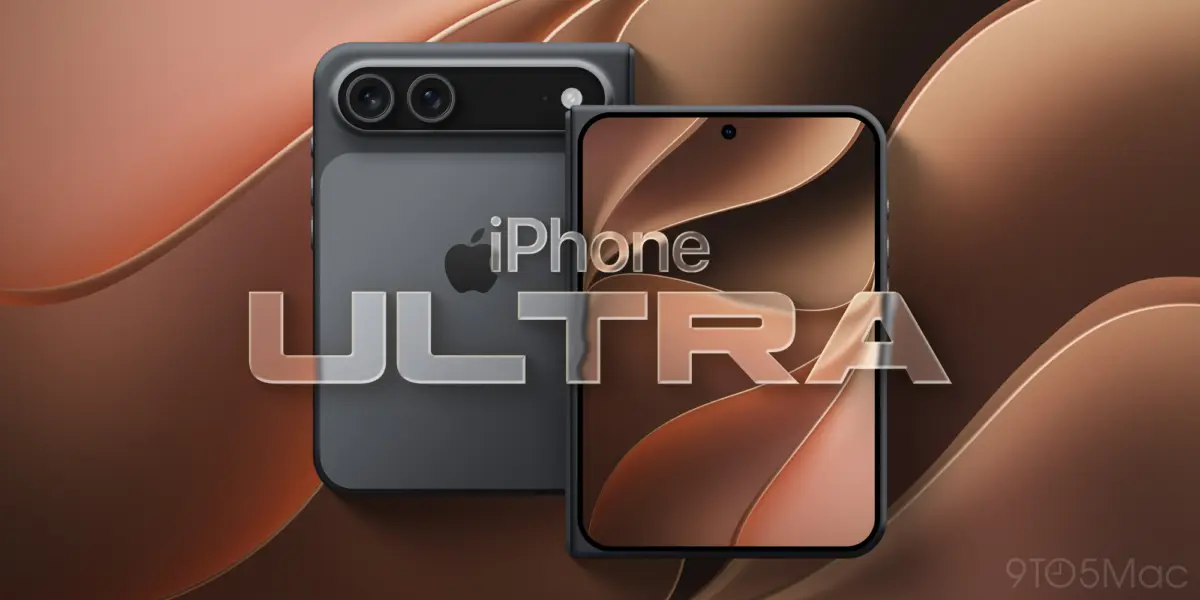
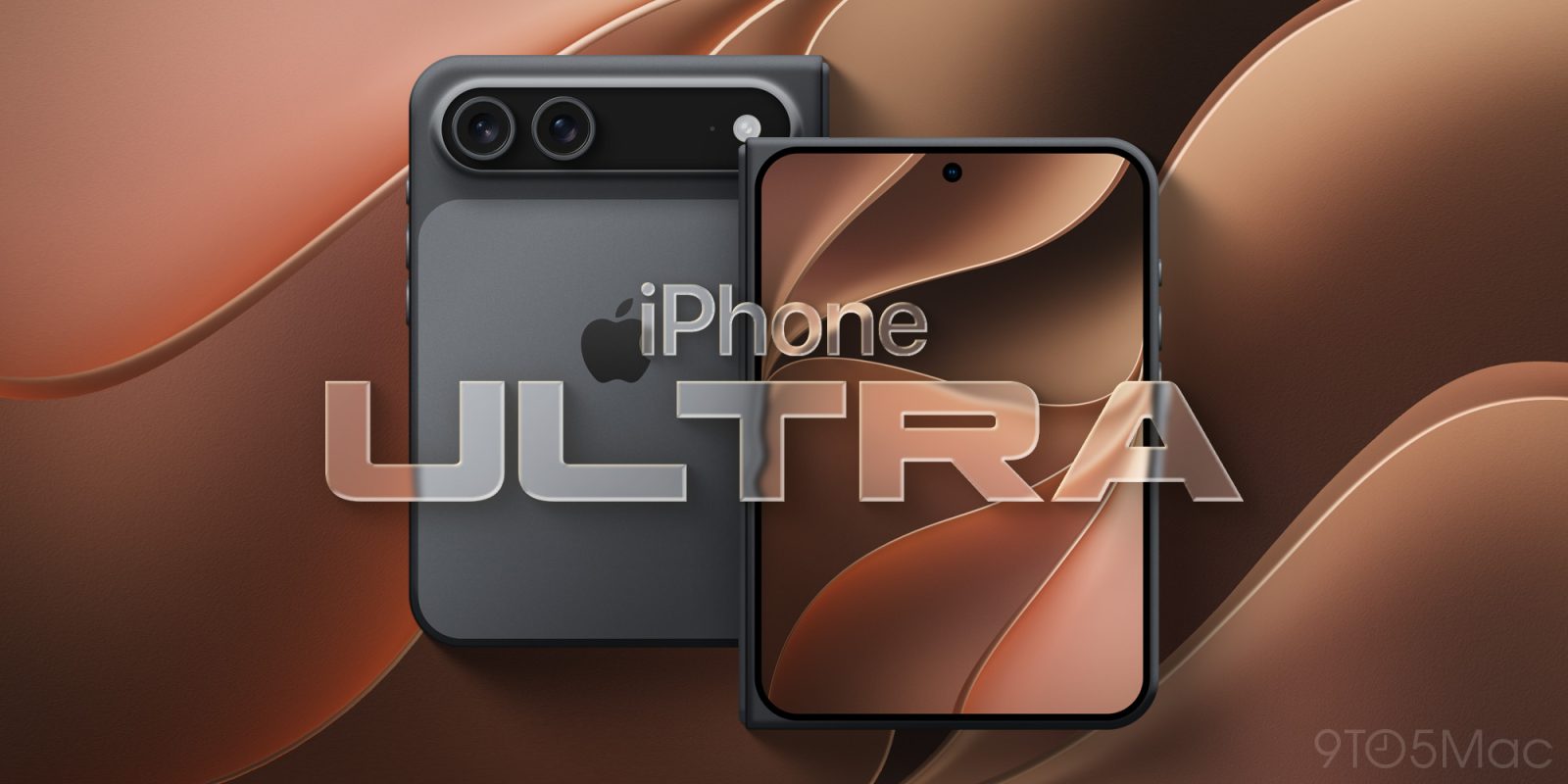
As the technology sector braces itself for what could be the most significant hardware paradigm shift in Cupertino since the introduction of the original iPhone, new details have emerged regarding Apple’s exhaustive internal prototyping phases. With the company’s much-anticipated inaugural foldable device—widely rumored to debut under the moniker "iPhone Ultra"—pegged for an official reveal in just over a week, insider reports shed light on a fascinating hardware roadmap road-not-taken: a bespoke, highly miniaturized Apple Pencil designed explicitly for the foldable ecosystem.
According to deep-dive insights from Bloomberg’s chief tech correspondent Mark Gurman in his recent Power On newsletter, Apple seriously evaluated bringing stylus support to its upcoming folding smartphone. However, despite reaching advanced design and engineering milestones, the accessory was ultimately shelved. While consumers should not expect an iPhone-compatible Apple Pencil to cross the stage at the upcoming special event, the story of its conception offers a rare, unfiltered look at how Apple navigates the fine line between raw productivity and user experience purity.
Executive Overview
The journey toward a foldable iPhone has been paved with years of theoretical designs, patent filings, and engineering breakthroughs. As form factors evolve to bridge the gap between pocketable smartphones and expansive tablet-sized displays, input methods have naturally come under intense scrutiny. For the iPad lineup, the Apple Pencil transformed the tablet from a media consumption device into a digital canvas for creatives, note-takers, and professionals. Naturally, as the screen real estate of the flagship iPhone expanded into tablet dimensions when unfolded, exploring stylus integration seemed like a logical next step.
Yet, hardware engineering is rarely just about what can be built; it is fundamentally about what should be built. Apple’s internal deliberations over the "iPhone Ultra" stylus reveal profound challenges regarding ergonomics, material science, industrial design philosophy, and corporate heritage.
This comprehensive report examines the specifications of the cancelled foldable-compatible Apple Pencil, the severe ergonomic and display-durability roadblocks that ultimately doomed the project, the ghosts of Steve Jobs’ past that continue to haunt stylus integration, and what this near-miss tells us about the future of Apple’s folding hardware ecosystem.
Detailed Chronology: From Concept to Cancellation
To understand why Apple ultimately pulled the plug on the iPhone Ultra stylus, one must examine how the accessory was conceptualized during the device’s multi-year development cycle.
Phase One: Scaling Down the iPad Experience
When Apple’s industrial design team began mapping out the physical specifications of the foldable iPhone, they recognized that traditional input methods would need to adapt. A standard Apple Pencil—designed to run parallel to the long edge of a 11-inch or 12.9-inch iPad Pro—was instantly ruled out. It would dwarf the foldable phone, rendering the package ungainly and defeating the purpose of a pocket-friendly mobile device.
To resolve this, engineers drafted a radically scaled-down iteration of the accessory. Described in internal documents as "stubbier," this specialized Apple Pencil was tailored specifically to match the shorter vertical height of the folded and unfolded iPhone Ultra chassis.
Phase Two: The Magnetism and Storage Dilemma
Following the design language established by the second-generation Apple Pencil and Apple Pencil USB-C, the foldable variant was designed to magnetically attach to the side of the iPhone Ultra for effortless pairing, wireless charging, and secure on-the-go storage.
However, this is where the physics of the design began to break down. On an iPad, when a user holds the device in landscape mode, the Apple Pencil magnetically docks along the top edge. This placement keeps the accessory entirely out of the user’s grip, preserving a natural, unhindered hold on the hardware.
On a compact foldable phone, geometry dictates a different reality. Attaching a stylus to the side of the device meant that whenever a user gripped the phone in portrait mode—or attempted to use it closed—the docked pencil would sit directly where the hand naturally rests. Gurman notes that early user-testing prototypes felt awkward and intrusive to hold, creating a persistent friction point in everyday usability.
Phase Three: The Display Durability Crisis
Perhaps the most critical engineering hurdle was not how the stylus felt in the hand, but how it interacted with the delicate interior display.

Unlike the rugged glass panels found on traditional iPhones, foldable internal displays require flexible, multi-layered polymer substrates (such as ultra-thin glass combined with advanced protective plastic polymers) to withstand repeated folding cycles. These screens are inherently more susceptible to surface indentations, scratches, and pressure-point damage compared to rigid glass.
During testing, engineers realized that applying the pinpoint pressure of a hard-tipped stylus directly onto the unfolding screen could leave "unsightly marks" and micro-abrasions. Even with soft-tip alternatives, the repetitive impact of writing or drawing on a flexible polymer display introduced a high risk of long-term structural degradation—a fatal flaw for a premium device expected to last for years of heavy daily use.
Phase Four: The Final Verdict
Faced with persistent ergonomic awkwardness, high risks of display degradation, and internal skepticism regarding the necessity of a smartphone stylus, Apple’s executive management team ultimately shelved the project. While the foldable iPhone itself survived the cut and is poised for an imminent market debut, its companion stylus was quietly retired to the archives of unreleased prototypes.
Supporting Context & Metrics: The Ergonomic and Economic Stakes
The decision to cancel the iPhone Ultra stylus highlights the unique constraints of designing for hybrid device categories. To contextualize Apple’s cautious approach, market analysts and industrial design experts point to several key metrics and historical data points regarding stylus adoption and foldable durability:
- The Foldable Market Landscape: Current market data from industry trackers indicates that foldable smartphones account for roughly 1.5% to 2% of total global smartphone shipments, yet they represent the fastest-growing segment in the ultra-premium tier ($1,000+).
- Stylus Take-Rate Discrepancies: While accessories like the S Pen for Samsung’s Galaxy Z Fold series enjoy a dedicated niche of enterprise and creative users, consumer surveys consistently show that the vast majority of foldable phone owners rarely utilize a built-in or attachable stylus, citing portability and pocket-bulk concerns.
- Display Replacement Costs: Internal estimates suggest that foldable OLED panels with integrated digitizer layers (required for precise stylus tracking) cost significantly more to manufacture. Eliminating the stylus digitizer from the iPhone Ultra display stack likely allowed Apple to optimize internal battery capacity and reduce manufacturing complexity for its first-generation folding hardware.
Official Perspectives and Corporate Philosophy
No discussion of Apple and styluses is complete without invoking the ghost of Steve Jobs. When Apple introduced the original iPhone in January 2007, Jobs famously dismantled the prevailing industry standard—which heavily relied on plastic styluses for resistive touchscreens—with a blunt rhetorical question: "Who wants a stylus? You have to get ’em, put ’em down, you lose ’em. Yuck! Nobody wants a stylus. So let’s not use a stylus."
That philosophy became foundational to the multi-touch revolution. Years later, when Apple introduced the Apple Pencil alongside the original iPad Pro in 2015, Tim Cook humorously acknowledged the apparent contradiction, noting that Jobs would have loved the Apple Pencil because it was designed for drawing and precision creation, not as a crude substitute for a human finger.

Nevertheless, the cultural aversion to styluses on pocket-sized mobile devices has never entirely vanished within Apple’s Cupertino campus. According to Gurman’s reporting, the fear of violating the core iPhone ethos—that a phone should be immediately navigable by touch alone, without requiring secondary loose accessories—played a subtle yet powerful psychological role in the decision to scrap the iPhone Ultra Pencil. By declining to release the accessory, Apple has effectively doubled down on the purity of the iPhone interaction model, avoiding the clunky aesthetic of a stubby pen clinging to the side of a pocketable phone.
Future Outlook: What Lies Ahead for the Foldable Ecosystem?
As we stand on the precipice of Apple’s upcoming hardware showcase, the absence of an Apple Pencil for the iPhone Ultra should not be interpreted as a permanent rejection of the idea.
Hardware development at Apple is cyclical and iterative. Technologies that are rejected for a first-generation product due to ergonomic shortcomings or durability risks frequently find new life years later as manufacturing techniques mature. If future advancements in ultra-thin glass, self-healing polymers, and magnetic attachment mechanisms resolve the issues of display wear and awkward handling, Apple could easily revisit the concept for a subsequent iteration of the foldable lineup.
For now, prospective buyers of the upcoming iPhone Ultra can look forward to a cutting-edge foldable display optimized purely for touch, media consumption, and multitasking, unencumbered by the complications of a docked stylus. Whether consumers will mourn the loss of digital note-taking on their folding iPhone remains to be seen, but Apple’s decision underscores a relentless commitment to physical refinement over feature bloat.
As the official launch date rapidly approaches, all eyes are on Cupertino to see how the tech giant introduces its boldest hardware gamble in nearly two decades. One thing is certain: the conversation surrounding how we interact with screens that bend is only just beginning.