The modern PC building landscape has long drawn parallels to the tactile, intuitive joy of assembling with Lego bricks. Yet, achieving the precise aesthetic, thermal performance, and spatial layout of a dream rig often demands compromise. Enter the Corsair Frame 4000X—a modular, highly customizable mid-tower PC case designed to upend traditional chassis limitations. Building upon the foundational architecture of the acclaimed Corsair Frame 4000D, the 4000X introduces an unprecedented level of modularity, allowing builders to essentially strip the chassis down to its bare metal skeleton and construct their system from the ground up.
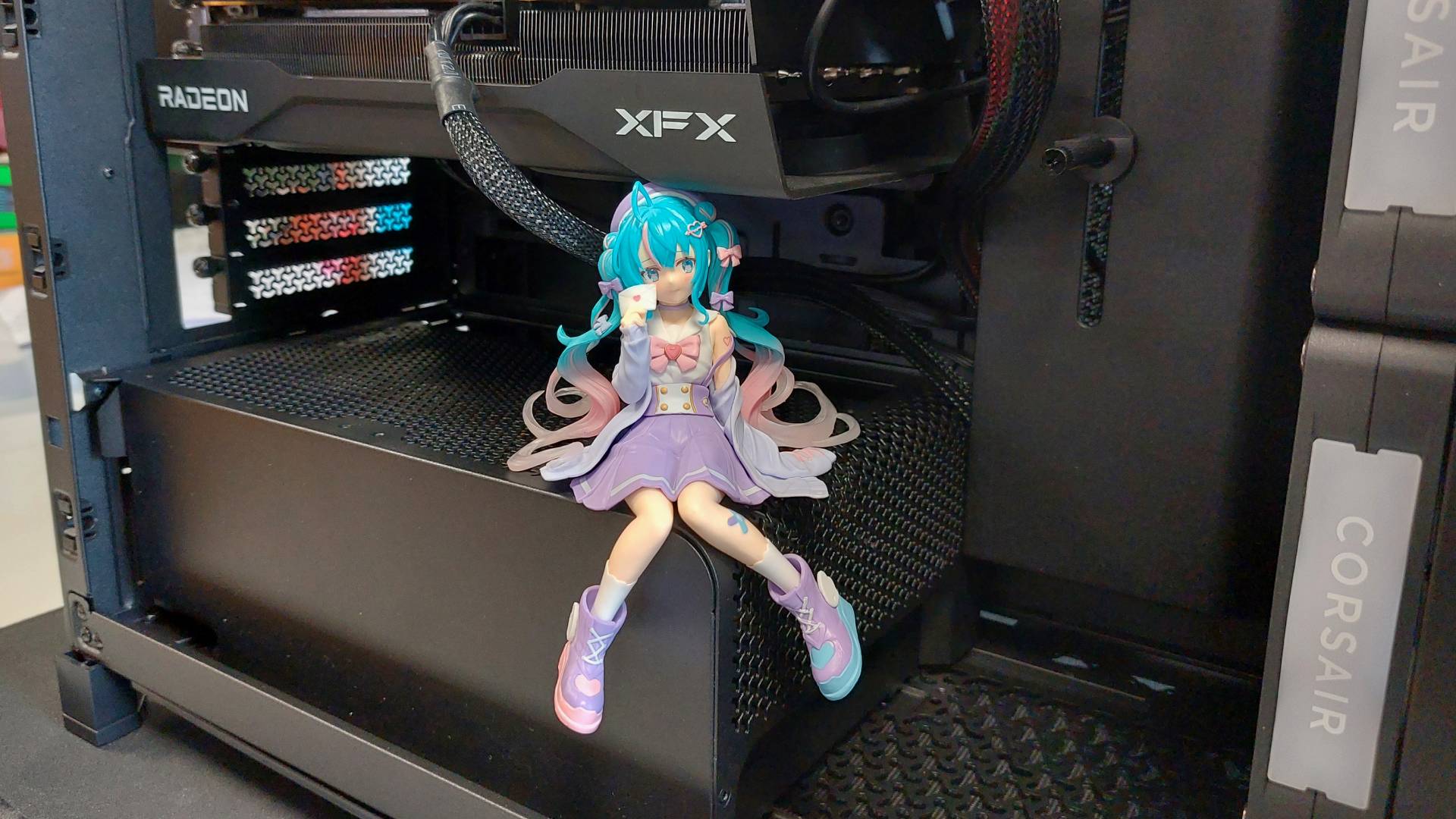
However, deep customizability is a double-edged sword. While it invites boundless creativity—ranging from tasteful black walnut faceplates to dedicated display perches for Hatsune Miku figurines—it can also introduce logistical hurdles for the builder. Thick braided cables, modular I/O threading complexities, and an over-reliance on digital-first documentation can transform a relaxing weekend project into an exercise in patience.
Priced around the $170 mark when fully outfitted with custom ecosystem accessories, the Corsair Frame 4000X targets enthusiasts who are willing to pay a premium for personalization. This report provides an exhaustive, chronological examination of the building experience, the engineering choices behind Corsair’s modular ecosystem, the financial and design trade-offs, and what this chassis signals for the future of custom PC hardware.
Detailed Chronology: The Build Experience
Phase 1: Unboxing and the Modular Ecosystem
The journey with the Corsair Frame 4000X begins well before hardware touches metal. Opening the shipping box reveals a collection of smaller components and accessories housed in individual boxes. This unboxing experience immediately emphasizes the modular nature of the chassis.
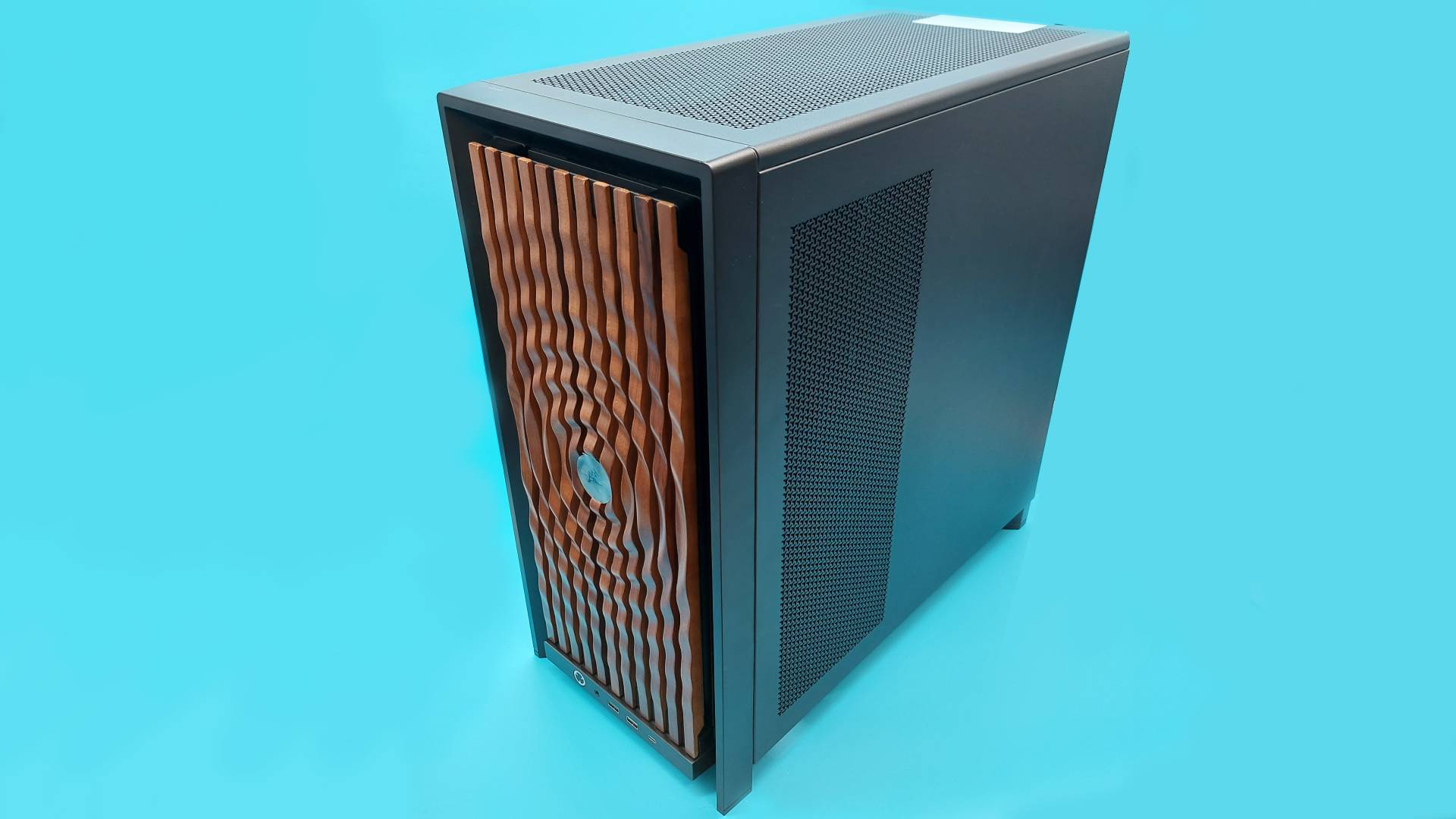
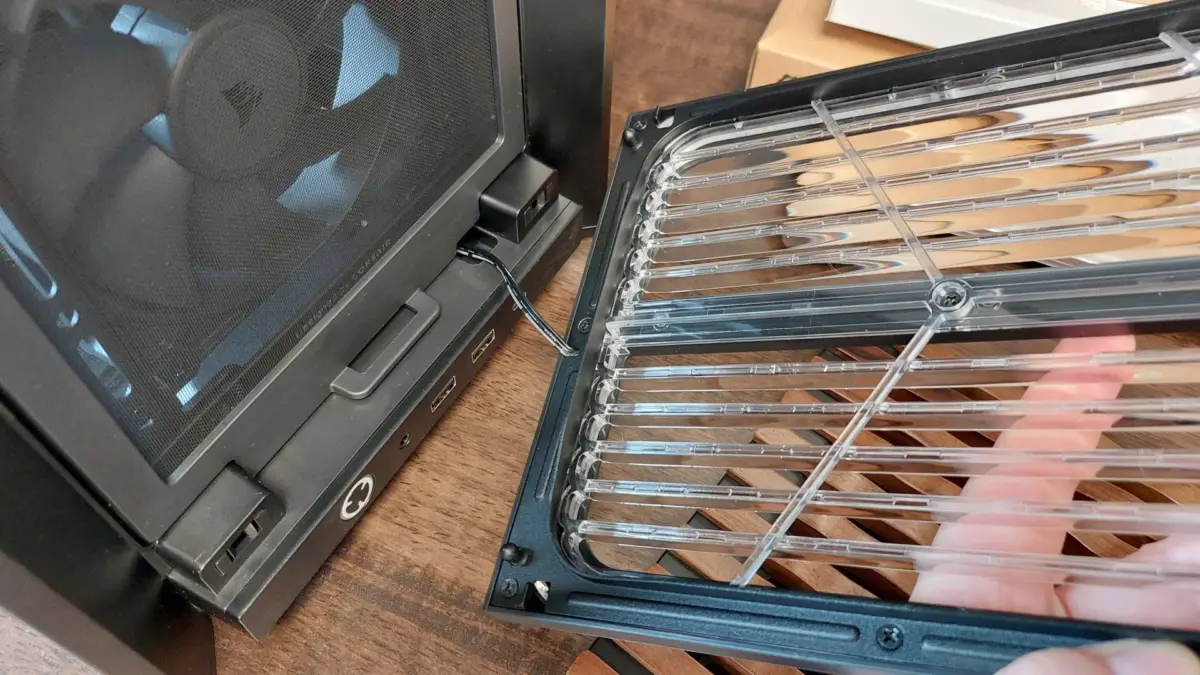
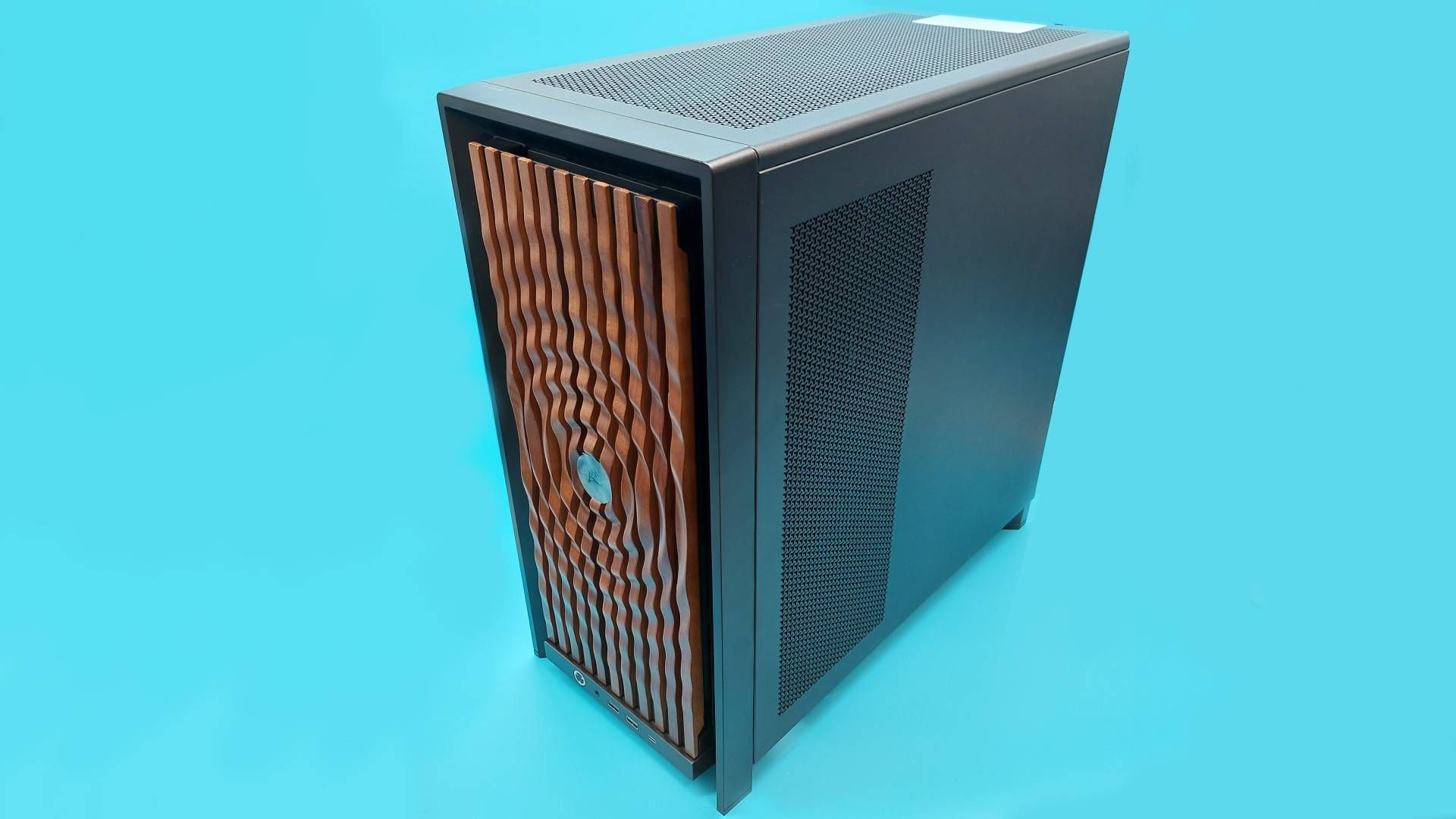
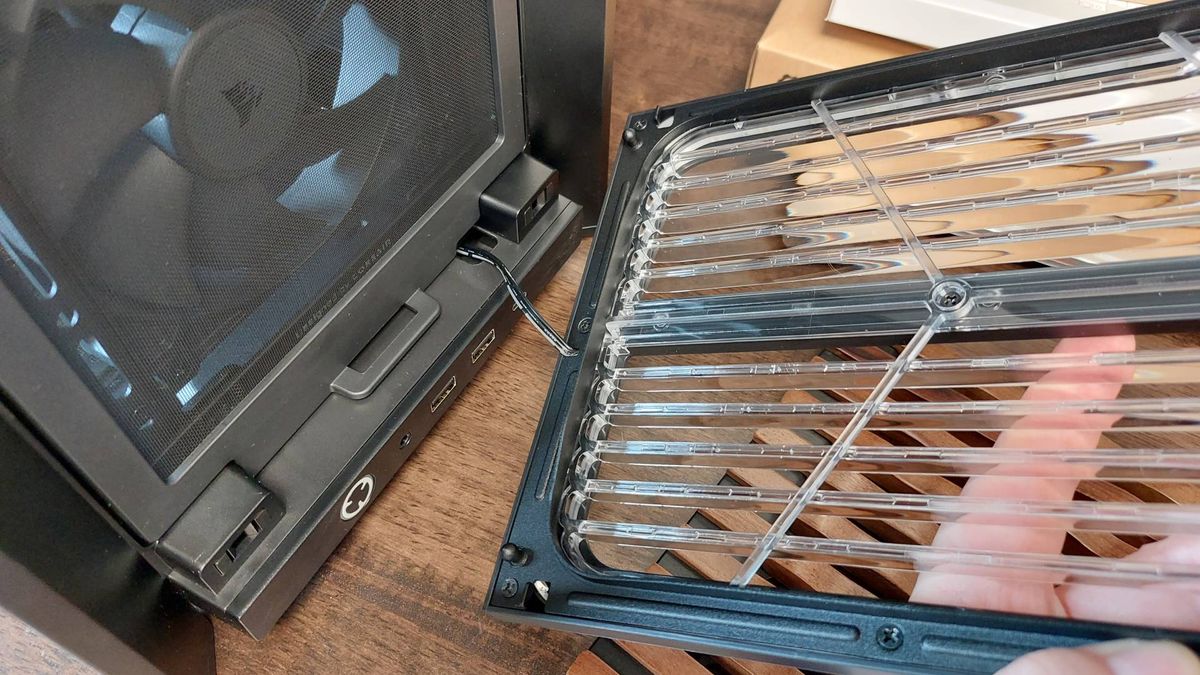
The builder is greeted by an array of interchangeable faceplates, side panels, internal brackets, and I/O modules. The primary faceplate system relies on a tool-free mounting mechanism, making the initial swapping of panels smooth. However, early friction points emerge depending on the chosen aesthetic. For instance, opting for the RGB Flow front panel introduces an additional wire that must be painstakingly fed behind the modular front panel I/O module with every modification—a minor annoyance that quickly prompts a shift toward more static options, such as the classy black walnut wood finish.
Phase 2: The I/O Module and Customization Rabbit Holes
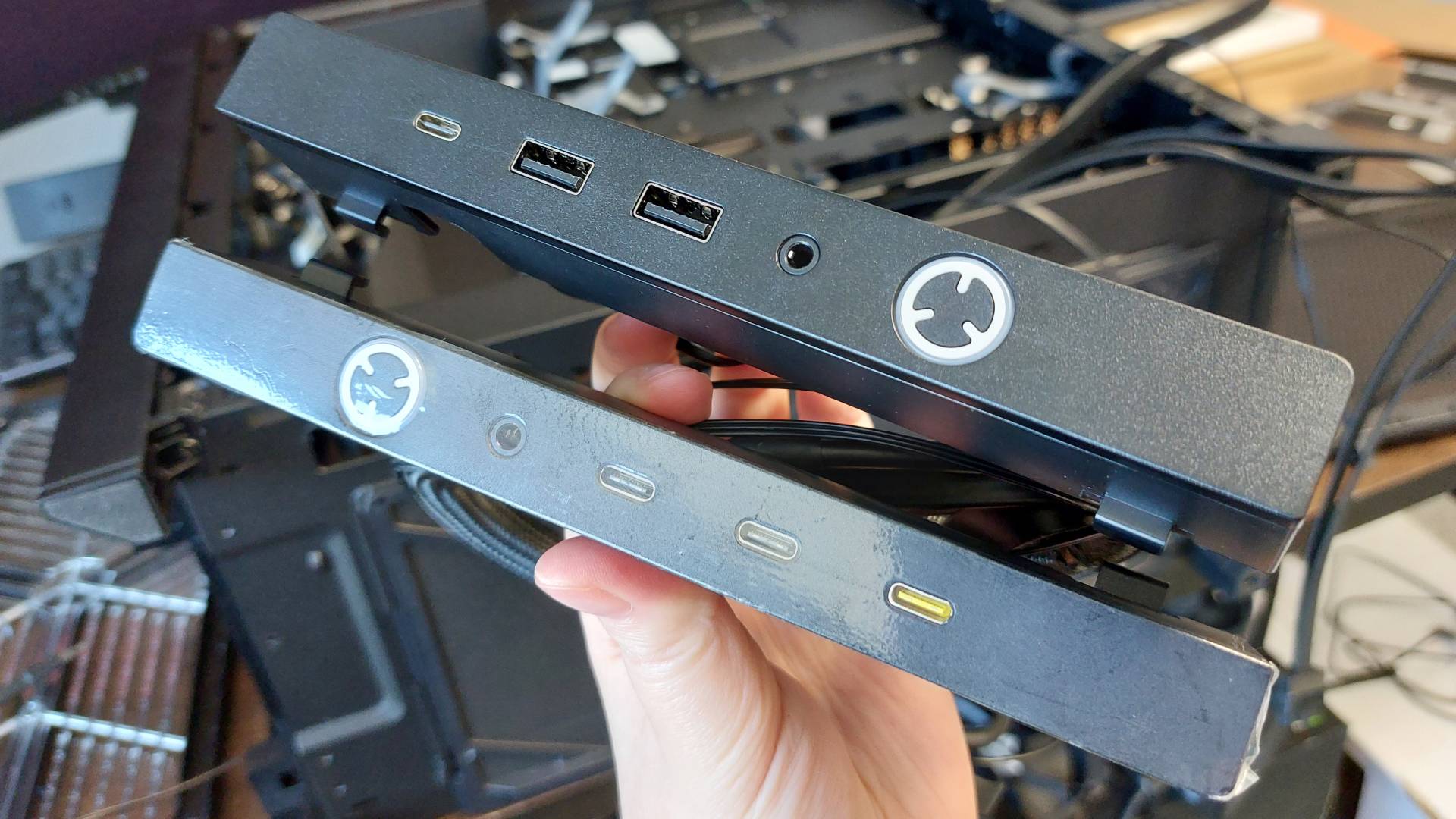
One of the standout engineering features of the Frame series is the modular I/O front panel. Corsair allows users to swap out entire modules based on their connectivity preferences. Users can choose between a legacy-friendly configuration featuring an audio jack, two USB Type-A ports, and one USB Type-C port, or a modern, minimalist module featuring exclusively USB Type-C ports.

Furthermore, the mechanical switch powering the chassis—featuring an MX-style green mechanical key switch—can be customized. While the tactile feedback of a mechanical switch under a power button is a delightful touch for keyboard enthusiasts, the surrounding cable routing requires a steady hand.
Phase 3: Assembly, Layouts, and Architectural Missteps
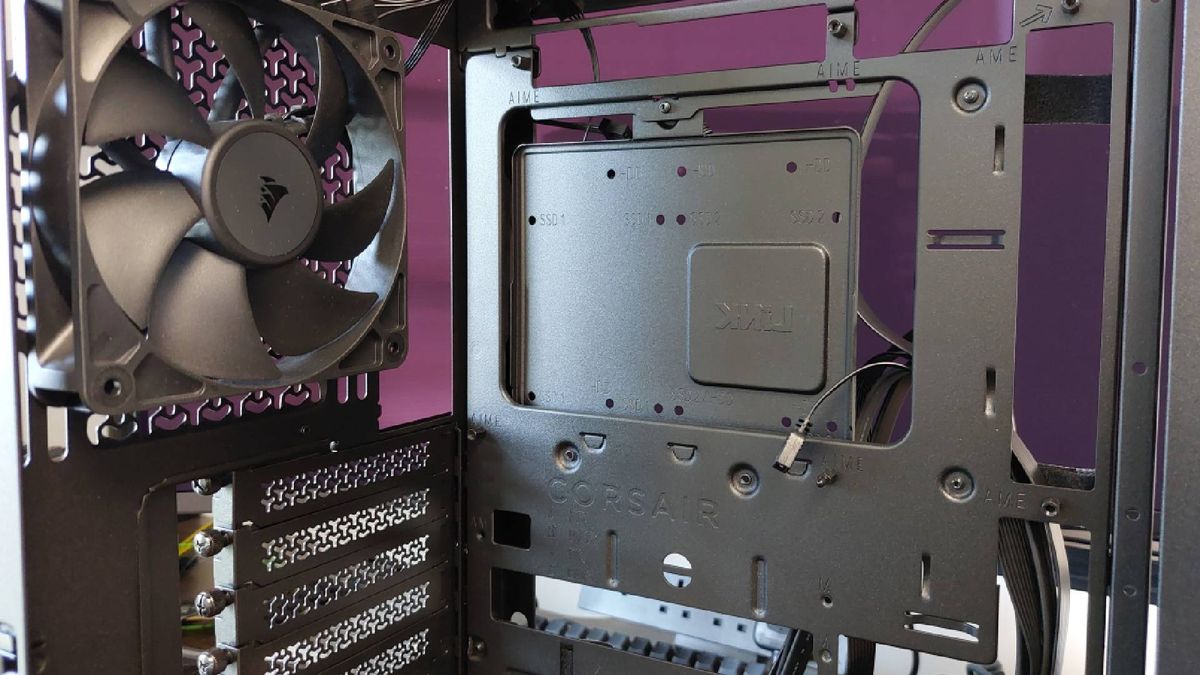
With the exterior styling partially settled, attention shifts to internal hardware layout. The Frame 4000X supports Mini-ITX, Micro-ATX, ATX, and E-ATX motherboards. Builders can choose between a standard steel motherboard tray, the heavy-duty Elite motherboard tray, or layouts optimized for RapidRoute 2.0 cable management.
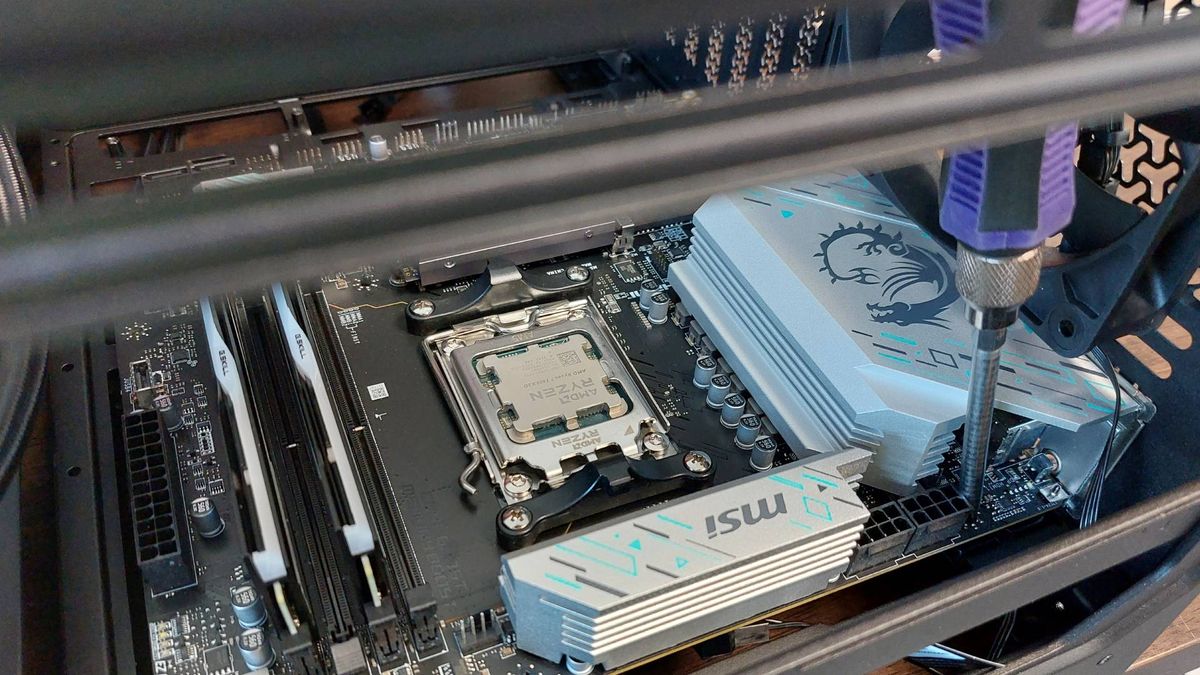
During internal assembly, the modularity of the chassis both helps and hinders. The spacious interior accommodates dual 360mm radiators—one up top and one in the front—while Corsair’s Infinirail system simplifies internal support bracket adjustments. Additionally, a height-adjustable anti-sag bracket is integrated for hefty graphics cards, though smaller form-factor GPUs bypass its utility.
Yet, an overabundance of removable parts can invite user error. In an ambitious teardown of the chassis, one builder opted to remove the entire PCI backplate assembly rather than unscrewing individual modular slats. This oversight necessitated the dismantling of both the power supply unit (PSU) shroud and the motherboard to reset the backplate—a cautionary tale highlighting that modular freedom demands disciplined sequencing during construction.
Supporting Context & Metrics: Cost, Compatibility, and Ecosystem Economics
To fully understand the Corsair Frame 4000X, one must analyze the financial and ecosystem metrics driving its release.
Pricing and Component Breakdown
- Base Chassis Ecosystem: While modular parts vary, a fully kitted configuration featuring upgraded faceplates and specialized trays easily hovers around the $170 mark.
- Alternative Base Options: Budget-conscious builders can opt for the standard Corsair Frame 4000D modular mid-tower, which retails around $130 (such as the Vault Series Galaxy edition in metallic purple), though it may lack certain premium panels out of the box.
- Accessory Costs: Specialty add-ons, such as the Corsair Xeneon Edge 14.5-inch LCD Touchscreen panel (available in finishes like Atomic Purple), command an additional $200 investment, pushing total niche ecosystem builds well past standard mid-tower budgets.
Hardware Compatibility Metrics
- Motherboard Support: Mini-ITX, Micro-ATX, ATX, E-ATX.
- Cooling Clearance: Dual 360mm radiator support (front and top).
- Panel Mechanisms: Tool-free faceplates paired with thumb-screw secured top and side glass/steel panels.
Comparatively, the Frame 4000X addresses the industry-wide demand for "fishtank" aesthetics (tempered glass side panels paired with clean interior displays) while retaining functional cooling paths. However, its reliance on a proprietary ecosystem means users are financially locked into Corsair’s accessory pipeline if they wish to alter the chassis’s identity down the line.
Official Statements & Design Philosophy
Corsair’s engineering and product design teams have positioned the Frame series as a direct response to the homogenization of the PC case market. For years, mid-towers have largely settled into predictable steel boxes with minor aesthetic variations.
According to product disclosures surrounding the Frame line, the core design philosophy centers on "Build It Your Way." By decoupling the chassis skeleton from its aesthetic and functional skins, Corsair aims to reduce electronic waste and upgrade friction. If a user transitions from an air-cooling setup to a custom liquid loop, they do not need to purchase an entirely new case; they simply swap out internal brackets, Infinirails, and mounting trays.
Industry feedback on the ecosystem has been largely positive regarding flexibility, though critics frequently target the documentation strategy. Corsair’s heavy reliance on digital manuals accessed via QR codes inside component box lids has drawn mixed reviews from traditionalists. While digital manuals reduce paper waste and allow for up-to-date revisions, builders wrestling with cable management and proprietary screw placements often lament the ergonomic friction of scrolling on a mobile device rather than flipping through a physical booklet.
Future Outlook: Where Modular PC Cases Go From Here
The Corsair Frame 4000X represents a fascinating stepping stone in the evolution of consumer PC hardware. As manufacturers face mounting pressure to deliver sustainable, long-lasting products, modularity is no longer confined to power supplies and cable kits—it is becoming the defining characteristic of the chassis itself.
Key Takeaways for the Market
- The Rise of Living Ecosystems: Cases are evolving from static containers into dynamic platforms. Expect future competitors to introduce similarly deep ecosystems of swappable front panels, integrated displays, and modular I/O blocks.
- The Colorway Conundrum: One of the primary criticisms facing current modular systems is a constrained color palette. While black and white dominate foundational skeletons, consumer demand for vibrant, expressive hues (such as metallic purples, forest greens, and custom wood treatments) will dictate the success of future iterations.
- Balancing Simplicity and Complexity: Manufacturers must refine the onboarding experience. While power users revel in stripping a case down to bare metal, clear physical documentation and foolproof modular indexing will be crucial to prevent beginner frustration.
Ultimately, the Corsair Frame 4000X succeeds in delivering an engaging, highly customizable building experience that satisfies both minimalist designers and eccentric hardware enthusiasts alike. While its price point and cable management quirks require patience, it establishes a high-water mark for modular case design—proving that the future of PC building is limited only by the builder’s imagination (and perhaps, their desk space).