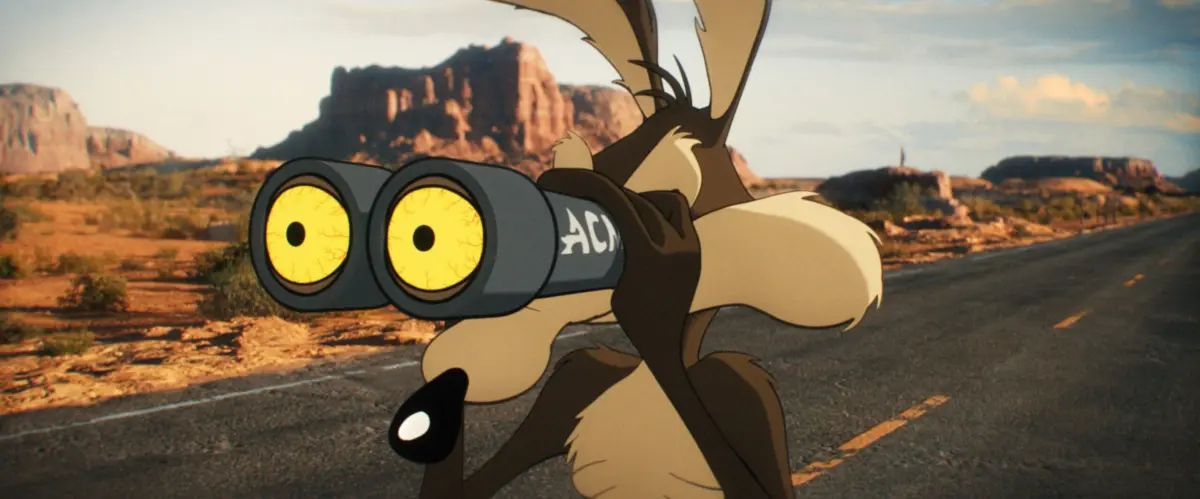
The theatrical release of Coyote vs. ACME has ignited a renewed global interest in the rich, anarchic history of Warner Bros.’ animated crown jewel: Looney Tunes. Whether audiences are stepping out of the theater craving another dose of high-concept cartoon violence or brushing up on foundational lore before seeing the film, the appetite for classic theatrical shorts has rarely been higher.
While Coyote vs. ACME reimagines iconic properties through a modern, hybrid live-action and CGI lens—featuring memorable turns from Wile E. Coyote, Foghorn Leghorn, Tweety, and Daffy Duck—the DNA of the film traces directly back to decades of revolutionary theatrical shorts produced between the late 1930s and early 1960s.
For modern viewers attempting to curate a comprehensive marathon, platforms like Tubi offer free access to these foundational titles. However, navigating streaming directories can prove labyrinthine due to unconventional cataloging and grouped episodic structures. To bridge this gap, this report outlines seven essential Looney Tunes shorts that serve as the ultimate companion pieces to Coyote vs. ACME, complete with historical context, auteur analysis, and streaming locations.
Detailed Chronology: 7 Essential Looney Tunes Shorts to Watch Alongside Coyote vs. ACME
1. Fast and Furry-ous (1949)
- Streaming Location: Tubi (Season 9, Episode 14)
As the inaugural pairing of Wile E. Coyote and the Road Runner, 1949’s Fast and Furry-ous stands as the definitive blueprint for the duo’s eternal struggle. Directed by legendary animator Chuck Jones, this short establishes that the creative team understood the psychological and physical parameters of these characters right out of the gate.

Every narrative and visual pillar of the franchise originates here: the relentless gravity-defying injuries inflicted upon the coyote, the iconic "Beep, beeping" catchphrase of the Road Runner, and the introduction of faulty corporate intervention via the "ACME Super Outfit." While historical animation purists will note minor aesthetic differences—specifically the distinct red ring encircling Wile E.’s eyes that was later dropped—the short remains a masterclass in visual storytelling and cartoon timing.
2. Beep, Beep (1961)
- Streaming Location: Tubi (Season 6, Episode 11)
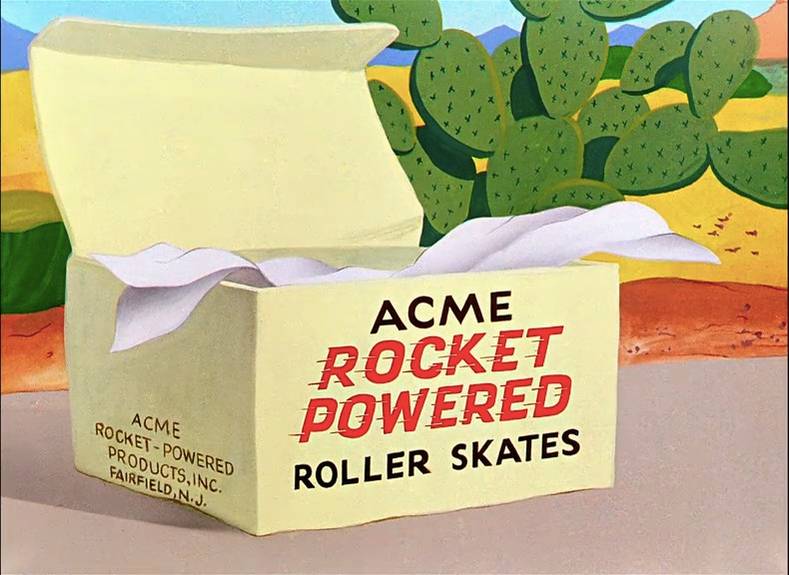
While any Chuck Jones-directed Wile E. and Road Runner short delivers sharp comedic timing and inspired gags, 1961’s Beep, Beep holds particular relevance for contemporary viewers. This installment centers on a prop that forms the narrative bedrock of Coyote vs. ACME: Wile E.’s infamous "ACME Rocket Powered Roller Skates."
Although the industrial design of the skates varies slightly in the feature film, the underlying mechanical failure, catastrophic velocity, and subsequent bodily trauma remain entirely faithful to Jones’ original vision. It is a textbook example of how simple escalating premises build to explosive, laugh-out-loud finales.
3. Gee Whiz-z-z-z-z-z-z (1956)
- Streaming Location: Tubi (Season 4, Episode 11)
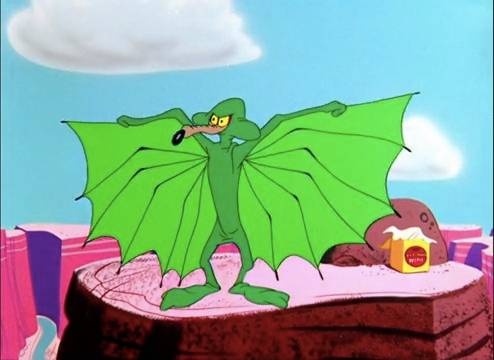
Continuing the Chuck Jones lineage, Gee Whiz-z-z-z-z-z-z introduces one of the most visually distinct and conceptually absurd items in the ACME catalog: the "ACME Bat-Man’s Outfit."
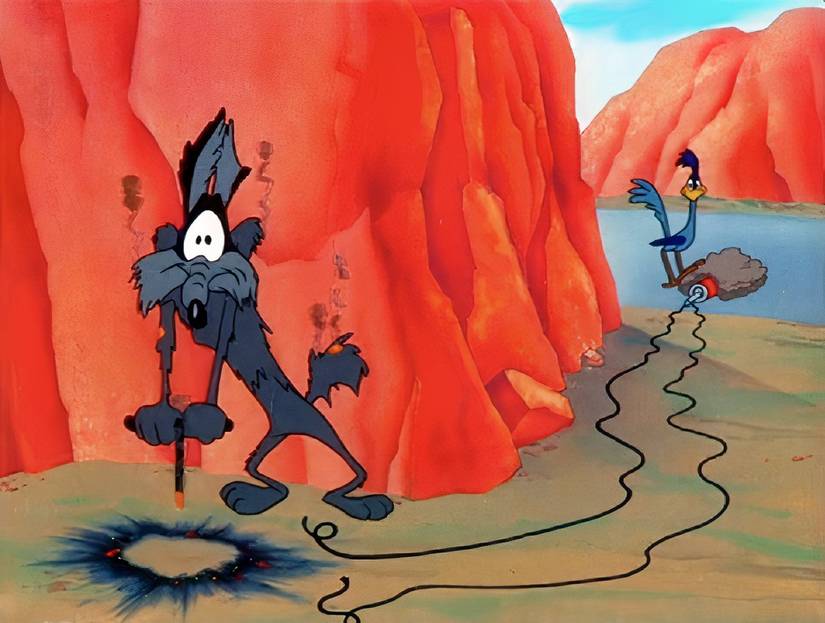
Drawn as a blindingly bright green, winged costume that bears zero resemblance to the Gotham vigilante, the outfit forces Wile E. into hysterical physical configurations. His brief, illusory mastery of aerodynamic flight builds meticulously toward one of the most devastating and memorable canyon crashes in the entire animated canon.
4. All Fowled Up (1955)
- Streaming Location: Tubi (Season 4, Episode 19)
Shifting focus to the Southern raconteur Foghorn Leghorn, viewers must look to the catalog of Robert McKimson, who created the character and helmed his classic-era shorts. Originally conceived as a minor supporting player designed to terrorize the diminutive chicken hawk Henery Hawk, Foghorn’s oversized, bombastic personality quickly hijacked the narrative focus.
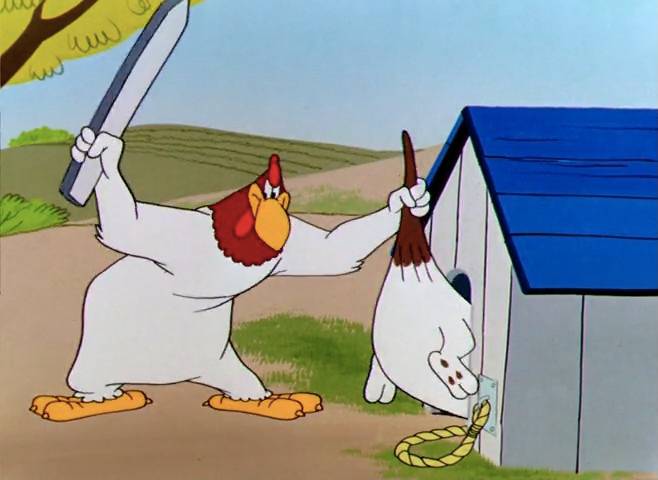
In All Fowled Up, McKimson pits Foghorn against both Henery Hawk and the long-suffering Barnyard Dog. Unlike the hunger-driven rivalries of Wile E. and the Road Runner or the hunter-prey dynamic of Elmer Fudd and Bugs Bunny, the hostility between Foghorn and the Barnyard Dog is entirely unprovoked. Foghorn initiates conflict out of sheer boredom, famously illustrated by an opening sequence where he walks up to a sleeping dog and spanks him repeatedly with a fence post. This unapologetic cruelty explains why Foghorn was handpicked to embody corporate villainy in Coyote vs. ACME.
5. Tweetie Pie (1947)
- Streaming Location: Tubi (Season 8, Episode 17)
Audiences conditioned to view Tweety as a passive, saccharine canary may find his role as an ACME-hired muscle in Coyote vs. ACME surprising. However, this aggressive streak aligns directly with the character’s earliest cinematic incarnations.
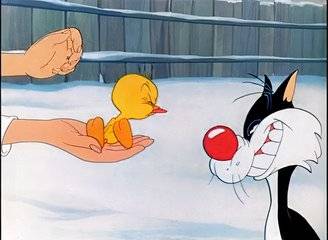
Directed by Friz Freleng, 1947’s Tweetie Pie—which won the Academy Award for Best Animated Short Subject—features an orphaned Tweety who delights in psychological warfare. Taken in by a domestic owner alongside Sylvester the Cat (referred to here as "Thomas"), Tweety actively orchestrates elaborate traps to incriminate the feline. This short highlights the early, unwatered-down mischief that defined the canary before network censors and shifting studio tones softened his edges.
6. Daffy Duck in Hollywood (1938)
- Streaming Location: Tubi (Season 12, Episode 14)
Similar to Tweety, Daffy Duck undergoes a character reinterpretation in Coyote vs. ACME, appearing as a manic, high-energy agent of chaos rather than the greedy, insecure malcontent of later decades.
In his formative years—particularly under directors like Tex Avery and Bob Clampett—Daffy lived up to his name. He was an unhinged, bouncing troublemaker who derived genuine joy from tormenting everyone in his vicinity. Daffy Duck in Hollywood, directed by Tex Avery (the creative namesake for Will Forte’s character in Coyote vs. ACME), captures Daffy attempting to break into the motion picture industry through sheer, unrelenting harassment.
7. You Ought to Be in Pictures (1940)
- Streaming Location: Tubi (Season 11, Episode 12)
Friz Freleng’s You Ought to Be in Pictures offers a fascinating historical parallel to Coyote vs. ACME. Operating as a hybrid of live-action cinematography and traditional hand-drawn animation, the short addresses the corporate politics of the studio lot.
During an era when Porky Pig reigned as the premier star of the studio (before Daffy and Bugs Bunny eclipsed him), Daffy persuades Porky to abandon the cartoon medium and pursue live-action feature films—a maneuver engineered so Daffy can secure the vacant cartoon spotlight. Porky literally steps off the printed page into the live-action office of executive producer Leon Schlesinger to tender his resignation, only to quickly regret the decision.
Supporting Context & Metrics: The Mechanics of Animation Streaming
As studios increasingly utilize digital streaming platforms to archive, license, or occasionally shelve major media properties, accessing classic animation has become fragmented. Tubi’s inclusion of free, ad-supported Looney Tunes content has made these historical assets accessible to a new generation, yet structural hurdles remain.
+--------------------------------------------------------------------------+
|                     STREAMING ACCESSIBILITY METRICS                      |
+--------------------------+-----------------------------------------------+
| Primary Free Platform    | Tubi (AVOD)                                   |
| Cataloging Structure     | Grouped Episodic Bundles (Backwards Ordering) |
| Resolution Standard      | Standard Definition (SD) Remastered           |
| Primary Studio Archive   | Warner Bros. Animation / Associated Artists   |
+--------------------------+-----------------------------------------------+
The friction experienced by modern viewers—such as searching for specific release years within non-chronological playlist groupings—demonstrates the broader challenges of digital preservation. Platforms often bundle three distinct theatrical shorts into a single "episode" marker, requiring audiences to cross-reference release databases to find exact runtime stamps.
Official Statements & Industry Reception
The cultural resonance of Coyote vs. ACME and its connection to the classic Looney Tunes library reflects a broader industry debate regarding artistic integrity, corporate tax write-offs, and the preservation of animated history.
When Warner Bros. initially announced plans to shelve Coyote vs. ACME in late 2023 for financial incentives, a massive public and industry backlash forced a reversal, allowing the film to seek distribution. Filmmakers and historians alike voiced outrage over treating decades of animation legacy as disposable balance-sheet adjustments.
"The characters created by Jones, Avery, Freleng, and McKimson are foundational pillars of global visual humor. When we engage with these properties—whether in a modern hybrid feature or a 1949 theatrical short—we are looking at the absolute vanguard of visual gag construction."
— Animation Historian Panel Analysis
Industry executives have increasingly recognized that legacy intellectual properties carry immense cross-generational equity. By reintroducing characters like Wile E. Coyote and Foghorn Leghorn into contemporary cinematic conversations, Warner Bros. aims to revitalize interest in the foundational short films that established the studio’s animation dominance.
Future Outlook: The Next Evolution of Anarchic Animation
As Coyote vs. ACME establishes its footprint in theaters, the roadmap for future animated hybrids and short-form revivals looks promising. The critical and commercial performance of the film signals to Hollywood studios that audiences retain an appetite for classic cartoon physics applied to contemporary storytelling frameworks.
Looking forward, the preservation of original theatrical shorts through streaming platforms and physical media remains paramount. As digital ecosystems evolve, maintaining easy access to the 1940s and 1950s golden-age catalog ensures that future generations of creators can continue to study, adapt, and honor the timeless comedic genius of the Looney Tunes pantheon.