Executive Overview
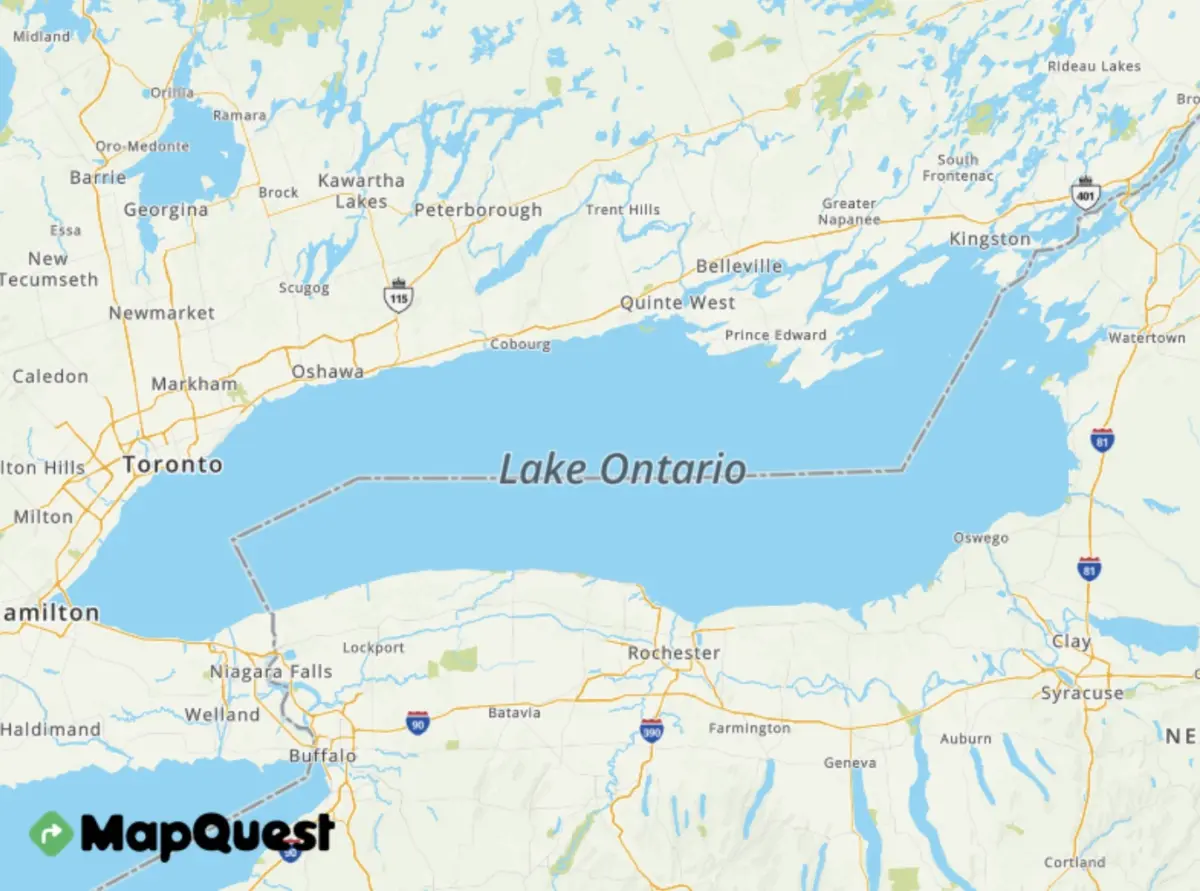
In the digital age, cartography is rarely a neutral endeavor, but it is seldom this loud. MapQuest, once widely regarded as a nostalgic relic of the early internet era, has found itself at the epicenter of a major geopolitical and digital platform dispute. By formally refusing to comply with a White House executive order to rename Lake Ontario to "Lake America," the self-described "OG of online mapping" has transformed a cartographic dispute into a highly successful brand mobilization.
The corporate defiance has triggered an unprecedented surge in consumer adoption. Within days of its announcement, MapQuest’s mobile application climbed to the No. 1 spot in the Navigation category on the U.S. App Store. It also secured the No. 4 position among all non-gaming iOS applications and reached No. 8 overall in the United States.
This sudden resurgence highlights a broader shift in consumer behavior, where digital utility downloads are increasingly driven by political expression. While tech giants like Google have opted for institutional compliance by updating their databases to match federal mandates, MapQuest’s counter-cultural stance has tapped into widespread public pushback against the administration’s nationalist rhetoric. This decision has converted political friction into a massive user acquisition event.
U.S. App Store Rankings (As of August 31)
┌─────────────────────────────────────────────────────────┐
│ #1 Navigation App                                       │
├─────────────────────────────────────────────────────────┤
│ #4 Top Free Apps (Excluding Games)                      │
├─────────────────────────────────────────────────────────┤
│ #8 Overall App Store Chart (Including Games)            │
└─────────────────────────────────────────────────────────┘
Detailed Chronology
The conflict stems from a rapid breakdown in trade negotiations between the United States and Canada. Following the collapse of bilateral discussions, the Trump administration imposed a 50% tariff on $20 billion worth of Canadian imports. As trade tensions escalated, the White House introduced a symbolic, nationalistic policy directive aimed at the shared border.
The Executive Order and the Mandate
On August 2026, President Donald Trump issued an executive order directing the U.S. Department of the Interior to officially update the name of Lake Ontario to "Lake America" within the federal geographic naming registry. The order, titled "Honoring the American History of the Great Lakes and Renaming Lake Ontario as Lake America," sought to assert American dominance over the body of water, which is shared between the Canadian province of Ontario and New York State.
The administrative vehicle for this change is the Geographic Names Information System (GNIS), managed by the U.S. Geological Survey (USGS). The GNIS serves as the official domestic geographic authority for the federal government. Any name approved by the U.S. Board on Geographic Names (BGN) becomes the mandatory standard for federal agencies, public maps, and federally funded projects.
The Corporate Divide
The executive order forced commercial mapping platforms to make a strategic choice: maintain traditional, internationally recognized cartographic standards or comply with the new U.S. federal mandate.
- August 27 (Thursday): MapQuest issued a public statement via social media confirming that it would not rename Lake Ontario on its platform. The company declared its commitment to cartographic continuity and familiar geographic nomenclature, directly challenging the executive order.
- August 29 (Saturday): Google Maps announced it would comply with the federal directive. The search giant updated its platform for domestic users to reflect the GNIS database change. Google implemented a geofenced compromise: users accessing the platform within the United States see "Lake America," users in Canada see "Lake Ontario," and international users see both names.
- August 31 (Monday): Apple Maps maintained its default labeling of "Lake Ontario" without issuing an official statement regarding its long-term compliance plans. Meanwhile, MapQuest’s downloads continued to surge, driving the legacy navigation tool to the top of the App Store charts.
       CHRONOLOGY OF THE "LAKE AMERICA" DISPUTE (AUGUST)

       [Aug 24] ───────────────────────────► Trade talks break down; 50% tariffs imposed.

       [Aug 25] ───────────────────────────► Executive Order directs GNIS to rename Lake Ontario.

       [Aug 27] ───────────────────────────► MapQuest publicly refuses to change the name.

       [Aug 29] ───────────────────────────► Google Maps complies, implementing geofenced names.

       [Aug 31] ───────────────────────────► MapQuest reaches No. 1 in U.S. Navigation charts.
Supporting Context & Metrics
The market response to MapQuest’s announcement was immediate and substantial, reversing years of flat download volumes for the 30-year-old service.
App Store Metrics and Download Volumes
According to data from mobile app intelligence firm Sensor Tower, MapQuest recorded 162,000 downloads in the United States and 184,000 downloads globally during the week of August 24. This represents a tenfold (1,000%) increase week-over-week.
Weekly Global Downloads (Week of Aug 24)
Standard Week:  ~18,000
Surge Week:     184,000  (10x increase)
Daily transaction records show a 128% day-over-day increase in U.S. downloads from August 26 to August 30. This surge was driven by viral campaigns on social media encouraging users to delete Google Maps in favor of MapQuest.
MapQuest reported that total app usage reached 50 times its baseline average over the weekend of August 29–30. In Canada, where public pushback against the renaming was particularly strong, MapQuest reached the No. 2 overall spot on the iOS App Store by Sunday evening.
Historical Context and the "Gulf of America" Precedent
This is not the first time MapQuest has used cartographic defiance as a brand strategy. In 2025, President Trump issued a similar executive order renaming the Gulf of Mexico to the "Gulf of America."
At that time, both Google Maps and Apple Maps complied with the federal directive, updating their systems to reflect the new domestic naming conventions. MapQuest, however, refused to alter its maps.
To capitalize on the public debate, MapQuest launched an interactive digital tool allowing users to custom-name the Gulf on their personal screens and share the results on social media. The company revived this strategy for the Lake Ontario dispute, launching a dedicated portal (gulfof.mapquest.com/lakeontario) that allows users to jokingly rename the lake and share their custom maps online.
Corporate Responses to Federal Renaming Mandates:
┌──────────────────┬──────────────────────────┬──────────────────────────┐
│ Platform         │ Gulf of Mexico (2025)    │ Lake Ontario (2026)      │
├──────────────────┼──────────────────────────┼──────────────────────────┤
│ Google Maps      │ Complied (U.S. Only)     │ Complied (Geofenced)     │
│ Apple Maps       │ Complied                 │ No Change / Pending      │
│ MapQuest         │ Defied (Retained Name)   │ Defied (Retained Name)   │
└──────────────────┴──────────────────────────┴──────────────────────────┘
Corporate Ownership and Business Model
MapQuest’s current positioning reflects its unique corporate structure. Founded in 1996, the company pioneered online turn-by-turn navigation before losing its market-dominant position to Google Maps and smartphone-native mapping apps in the late 2000s.
    MapQuest Ownership History:
    [1996] Founded ──► [1999] AOL ($1.1B) ──► [2015] Verizon ──► [2019] System1
In 2019, Verizon sold MapQuest to System1 (NYSE: SST), an ad-tech and consumer acquisition platform. System1 specializes in high-intent customer acquisition and programmatic advertising.
Because MapQuest relies heavily on ad revenue rather than enterprise hardware integrations, its business model is uniquely positioned to benefit from sudden surges in consumer web traffic and app downloads. For System1, the massive influx of first-party user data and active navigation sessions represents a significant commercial win.
Official Statements
The public statements from key players highlight the competing priorities of commercial navigation providers during a geopolitical dispute.
MapQuest: Prioritizing Consumer Familiarity
Doug Berger, General Manager of MapQuest, framed the company’s decision as a commitment to cartographic stability and user trust:
"We took the same approach we did with the Gulf of Mexico: be part of the conversation, and give people an app that keeps the names they’re familiar with. Hundreds of thousands of people signaled to us this weekend that we got it right by downloading our app."
By positioning itself as a reliable alternative to government-mandated geographic updates, MapQuest has successfully cast its brand as a defender of cartographic independence.
Google: Institutional Compliance
Google defended its policy of updating Google Maps to match official federal registries, emphasizing its reliance on standardized geographic data:
"We update Google Maps to reflect the name changes in official government sources. In the United States, that is the Geographic Names Information System (GNIS)."
For large tech firms like Google, deviating from official government registries introduces regulatory and operational risks, particularly concerning government contracts, defense mappings, and aviation integrations that rely on synchronized federal data.
Future Outlook
The dispute over Lake Ontario highlights a growing challenge for digital mapping services, as geographic data is increasingly caught up in nationalistic policy and trade disputes.
                   DIGITAL MAP SPLINTERING (SPLINTERNET)

          ┌─────────────────────────────────────────────────────┐
          │               Global Map Database                   │
          └──────────┬───────────────────────────────┬──────────┘
                     │                               │
       ┌─────────────▼─────────────┐   ┌─────────────▼─────────────┐
       │     U.S. Jurisdiction     │   │    Canadian Jurisdiction  │
       ├───────────────────────────┤   ├───────────────────────────┤
       │   Label: "Lake America"   │   │   Label: "Lake Ontario"   │
       └───────────────────────────┘   └───────────────────────────┘
The Splintering of Digital Geography
The divergence between Google Maps and MapQuest illustrates the growing "splintering" of online information systems, often referred to as the Splinternet. As governments increasingly assert authority over digital platforms within their borders, global platforms are forced to build highly localized versions of their services.
This trend has historically played out in disputed territories like Crimea, Kashmir, and the South China Sea, where tech companies show different borders depending on where the user is searching from. The extension of this practice to the peaceful U.S.-Canada border represents a significant escalation in how trade disputes shape digital infrastructure.
Long-Term Viability for MapQuest
While the current download surge has provided MapQuest with a major boost in visibility, sustaining this momentum remains a challenge. Prior to this event, MapQuest’s domestic market share was modest, with 24.4 million downloads since 2012—97% of which came from the United States.
To turn this temporary surge into long-term growth, MapQuest will need to retain these new users by offering a navigation experience that competes effectively with pre-installed alternatives like Apple Maps and Google Maps.
Geopolitical and Economic Implications
The dispute over the Great Lakes’ naming is unlikely to resolve quickly, given the ongoing trade friction between Washington and Ottawa. As Canada prepares retaliatory tariffs against U.S. goods, the symbolic battle over Lake Ontario/Lake America will likely remain a point of contention.
Other digital mapping services, including Apple, open-source platforms like OpenStreetMap, and automotive GPS providers, will eventually have to decide whether to adopt the federal GNIS naming standard or maintain traditional cartographic designations. MapQuest’s success suggests that in a highly polarized environment, resisting federal mandates can be a highly effective strategy for consumer-facing brands.