
By the Entertainment Desk
Published: September 1, 2026
Before the scorching summer of 1975, the Hollywood studio system operated under a deeply entrenched set of seasonal rules. The conventional wisdom of the era dictated that major cinematic releases were best reserved for the winter holidays. Summer, conversely, was written off as a cinematic dead zone—a period when audiences purportedly abandoned indoor theaters for outdoor warm-weather pursuits.
Furthermore, film distribution followed a methodical, slow-burn rollout. Pictures typically premiered in select cultural hubs like New York and Los Angeles, relying on weeks of gradual word-of-mouth momentum before trickling out to secondary and tertiary markets across the country.
All of these industry orthodoxies were upended by a single, terrifying apex predator.
Jaws, Steven Spielberg’s cinematic adaptation of Peter Benchley’s 1974 best-selling novel, fundamentally revolutionized the business and culture of filmmaking. What began as a notoriously troubled, over-budget, and delayed production plagued by a malfunctioning animatronic shark transformed into the blueprint for the modern summer blockbuster.

Today, over half a century since its theatrical debut, the film’s legacy endures not merely as a historic turning point for Hollywood distribution models, but as an enduring masterclass in suspense, character-driven storytelling, and directorial ingenuity. As Jaws makes its triumphant return to the streaming landscape—currently available to watch on Netflix—film enthusiasts and new generations of viewers alike have a prime opportunity to revisit the picture that taught generations to fear the deep blue sea.
Detailed Chronology: From Literary Sensation to Troubled Production
The phenomenon of Jaws began in the publishing world. Peter Benchley’s novel, detailing a series of horrific great white shark attacks off the coast of a fictional New England resort town, struck a profound cultural nerve upon its release in 1974. Recognizing its cinematic potential, Universal Pictures optioned the property, handing the directing reins to a promising yet largely unproven 27-year-old filmmaker named Steven Spielberg, backed by an initial production budget of $3.5 million.
What followed was a production cycle fraught with peril that nearly derailed Spielberg’s burgeoning career before it truly began.
The Open-Water Nightmare
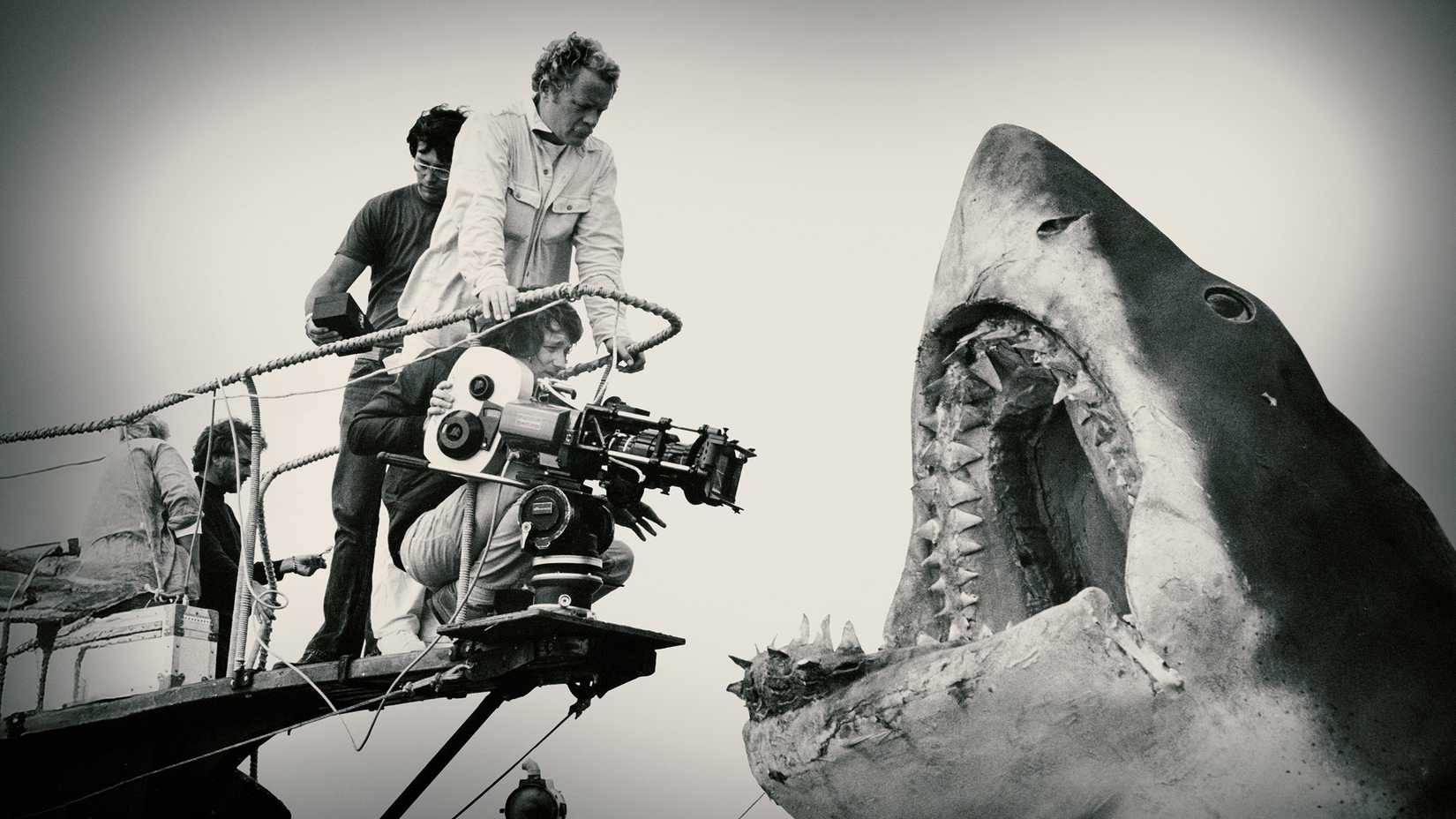
The decision to shoot on location in the unpredictable waters off Martha’s Vineyard, rather than within the controlled environment of a studio tank, proved to be an administrative and technical catastrophe. Saltwater wreaked havoc on the mechanical sharks—affectionately and mockingly nicknamed "Bruce" by the crew—causing them to sink, malfunction, or simply refuse to operate on command.
Weather delays, local extras staging walk-outs, and sinking equipment ballooned the production schedule far beyond its initial parameters. The budget steadily inflated from $3.5 million to a staggering $9 million. In an era when major studio productions operated on significantly leaner margins, the financial overages cast a heavy shadow. Spielberg later admitted to experiencing severe anxiety, genuinely fearing that Jaws would be his final feature film and that he would be permanently blacklisted by Hollywood studio executives.

The Blessings of a Broken Monster
Necessity, however, is famously the mother of invention. Because the mechanical shark was chronically broken, Spielberg was forced to pivot away from showing the creature directly. Instead, he leaned into psychological horror, utilizing point-of-view shots, John Williams’ now-iconic, ominous two-note musical theme, and clever editing to signal the beast’s presence.
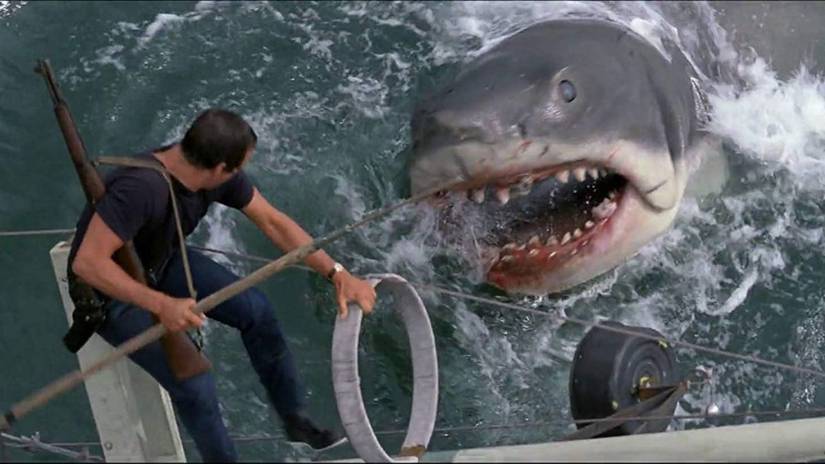
This forced restraint elevated the material exponentially. By concealing the shark for the vast majority of the runtime, Spielberg cultivated unbearable suspense. The audience’s imagination filled in the gaps, making the impending attacks far more terrifying than any rubber prop could ever convey. When the true, hulking form of the great white finally reveals itself during the climactic open-water showdown, the visual payoff is earned tenfold.
Supporting Context & Metrics: How Jaws Rewrote the Industry Rulebook
Once post-production wrapped, Universal Pictures executives recognized they were sitting on a goldmine. However, logistical hurdles had already pushed the film past its initially scheduled December 1974 release window, forcing a premiere into the dreaded summer months of June 1975.
To safeguard their investment against the traditional summer box-office slump, Universal executed a paradigm-shifting gamble.
The Marketing Blitz and Wide Release
Universal deployed an unprecedented $700,000 television advertising campaign—a staggering sum for a movie commercial budget at the time. More importantly, they abandoned the traditional staggered rollout entirely. Instead, Jaws opened simultaneously across 409 screens nationwide on June 20, 1975.
The strategy was an unmitigated triumph:
- Opening Weekend Dominance: In its first 10 days of theatrical release, Jaws shattered expectations by raking in over $21 million at the box office.
- The Blockbuster Threshold: The film ultimately concluded its historic theatrical run by grossing over $260 million domestically, setting a new benchmark for profitability.
- Proving the Model: Two years later, the release of George Lucas’s Star Wars cemented the precedent, proving that Jaws was not an isolated anomaly. From that moment forward, Hollywood’s biggest intellectual properties and tentpole releases were permanently anchored to the summer season, accompanied by simultaneous wide releases.
Official Statements and Industry Reflections
Reflecting on the legacy of the film, industry analysts and historians frequently point to the unique convergence of marketing innovation and artistic mastery that defined the project.
In retrospective interviews celebrating the film’s milestones, Steven Spielberg has often spoken candidly about the near-disastrous nature of the shoot: "It was a humbling experience. I went from being the golden boy studio director to swimming in uncertainty every single day on the Atlantic. If the shark had worked, I probably would have made a standard monster movie. Because it didn’t, I had to find a way to make the audience feel the terror through atmosphere and character."
Film scholars have similarly emphasized the human core of Jaws. While the special effects and aquatic cinematography captured the public imagination, the narrative architecture rests entirely on its three primary characters:
- Police Chief Martin Brody (Roy Scheider): A city transplant grappling with authority, community pressure, and a deep-seated fear of the water.
- Matt Hooper (Richard Dreyfuss): The earnest, enthusiastic, and scientifically minded marine biologist who brings intellectual curiosity and levity to the grim proceedings.
- Quint (Robert Shaw): The grizzled, obsessive, and hardened local shark hunter whose legendary Indianapolis monologue stands as one of the finest dramatic sequences in 1970s cinema.
Critics frequently note that some of the film’s most enduring moments—such as the quiet, haunting scene where the three men compare their scars and drink together below deck—have little to do with the physical hunt, grounding the high-concept thriller in authentic human vulnerability.
Future Outlook: A Timeless Legacy on Streaming
More than half a century after its initial theatrical run, Jaws remains a monument to cinematic craftsmanship. It has successfully bridged generations, transitioning from a cultural touchstone of the 1970s to a perpetually re-watchable classic for modern audiences.
The film’s influence can be felt across every corner of contemporary entertainment. Every modern summer tentpole franchise, every coordinated global marketing blitz, and every high-concept creature feature owes a direct debt to the gamble Universal Pictures took in the summer of ’75.
For modern viewers looking to experience the film—or longtime fans eager to revisit the pristine tension of Amity Island—access has never been easier. Jaws is currently available to stream globally on Netflix. As the cultural conversation around prestige cinema continues to evolve, Spielberg’s masterwork remains an immutable reminder of why we continue to turn off the lights and look toward the screen.