Executive Overview
Apple TV is once again setting its sights on the pinnacle of cinematic achievement. Following its historic 2022 Academy Award Best Picture triumph with CODA—a milestone that crowned Apple as the first-ever streaming service to take home Hollywood’s highest honor, beating out industry giant Netflix—director Siân Heder is officially returning to the platform. Her latest feature, Being Heumann, has just received its highly anticipated first official trailer, instantly positioning the biographical drama as a powerhouse contender for the upcoming awards season.
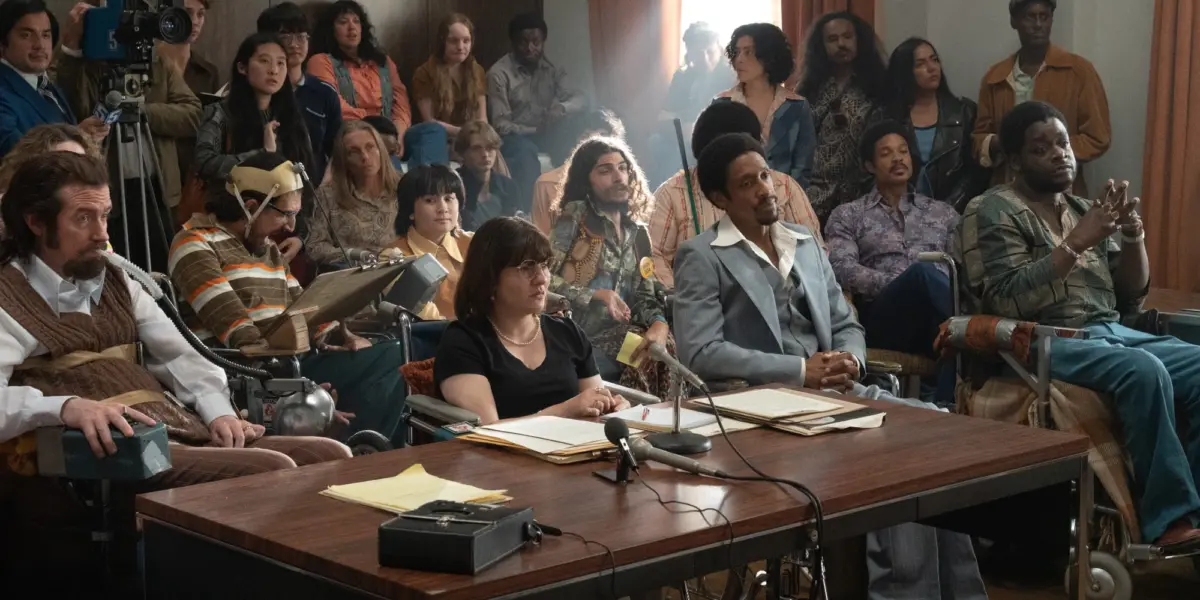
Scheduled for an exclusive, limited theatrical release on November 6, followed by a global streaming debut on Apple TV on November 13, Being Heumann tells a riveting, revolutionary story rooted in American history. The film chronicles the extraordinary life of disability rights pioneer Judy Heumann, focusing on the historic 1977 504 Sit-in—the longest occupation of a federal building in U.S. history.
Starring Ruth Madeley as Heumann and featuring a powerhouse supporting cast that includes Mark Ruffalo as the bureaucratic roadblock standing in their way, the film blends fierce political rebellion with deeply human, irreverent storytelling. As Apple continues to bolster its original film catalog with high-profile projects like Ryan Reynolds’ upcoming spy-thriller Mayday, John Cena’s Matchbox the Movie, and fellow Oscar hopeful Tenzing, Being Heumann stands out as the crown jewel of the streamer’s autumn lineup. This comprehensive report explores the trajectory of the film, the historical events that inspired it, Apple’s evolving cinematic strategy, and what this release means for disability representation in mainstream media.
Detailed Chronology: From Real-World Activism to the Silver Screen
To fully understand the weight of Being Heumann, one must look back at the actual historical events that shaped the disability rights movement in the United States. In April 1977, activists led by Judy Heumann staged a peaceful occupation of the U.S. Department of Health, Education, and Welfare (HEW) regional offices in San Francisco.
The 1977 504 Sit-in: A Movement Ignited
The protesters had a singular, non-negotiable demand: the federal government needed to finally sign and enforce Section 504 of the Rehabilitation Act of 1973, a crucial civil rights regulation that prohibited discrimination against individuals with disabilities in any program receiving federal financial assistance. For years, bureaucrats had stalled, ignoring phone calls, drafting weak guidelines, and treating the civil rights of disabled Americans as an afterthought.
Realizing that traditional lobbying had failed, Heumann and a scrappy, diverse coalition of outsiders decided on a radical alternative: if the government wouldn’t listen to their phone calls, they would take over the building.
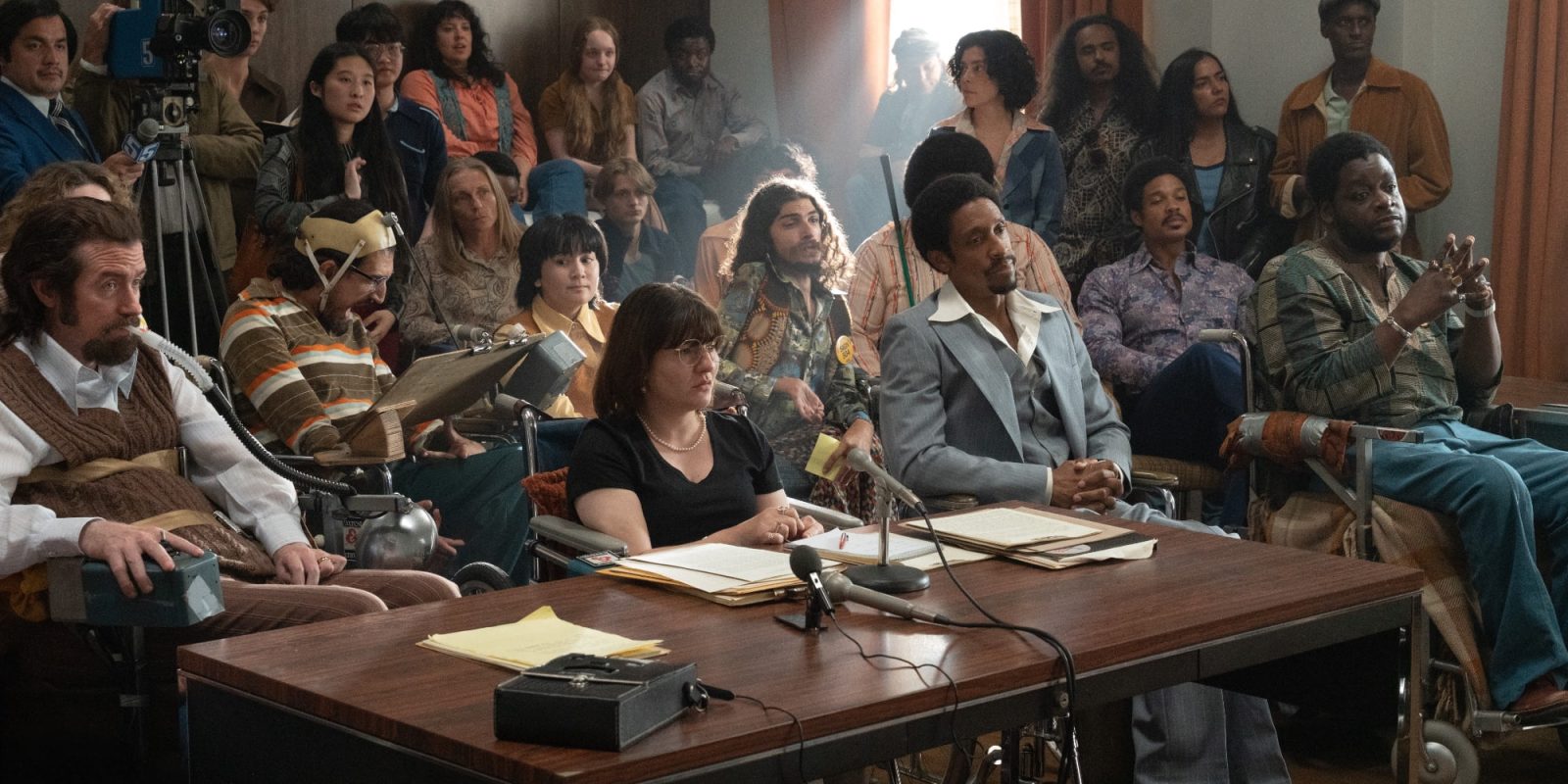
What began as an impulsive, desperate act of defiance evolved into a grueling, month-long occupation. Nearly 150 demonstrators—ranging in age and disability status—spontaneously seized government offices, locking themselves inside and refusing to leave. Despite having their telephone lines cut and water supply threatened by authorities, the occupiers sustained themselves through community solidarity, sign language interpretation, and outside support from groups like the Black Panthers and the Gray Panthers. The 28-day standoff remains the longest occupation of a federal building in American history, ultimately forcing the Carter administration to sign the regulations into law and laying the foundational framework for the later Americans with Disabilities Act (ADA).
Bringing History to Life: Heder’s Vision
Translating this monumental piece of history to the screen required a delicate balance of grit, historical accuracy, and cinematic pacing. Director Siân Heder, who earned widespread critical acclaim and an Academy Award for Best Adapted Screenplay for CODA, found herself drawn to Heumann’s unapologetic, fierce personality.
Development on the project gained serious momentum following the publication of Heumann’s memoir, Being Heumann: An Unrepentant Memoir of a Disability Rights Activist, which she co-wrote with Kristen Joiner. Tragically, Judy Heumann passed away in March 2023 at the age of 75, before she could see the film adaptation reach completion. However, her legacy permeates every frame of the production, serving as an active guide for the cast and crew.
The newly released trailer showcases this spirit, highlighting Ruth Madeley’s magnetic portrayal of Heumann alongside Mark Ruffalo’s stiff, institutional antagonist. The narrative focuses not just on the political triumph, but on the messy, deeply human struggles of accidental leaders trying to pave a path where none had ever existed before.
Supporting Context & Metrics: Apple’s Strategic Push Into Prestige Cinema
Apple’s investment in Being Heumann is far from a standalone gamble; it represents a calculated, multi-year evolution of Apple Original Films. When CODA clinched the Best Picture Oscar in March 2022, it sent shockwaves through the entertainment industry. Traditional Hollywood studios and streaming competitors alike realized that Apple—a tech conglomerate known primarily for iPhones and MacBooks—had cracked the code for prestige Hollywood validation faster than many legacy players.
The Economics of Prestige Streaming
Unlike traditional studios that rely heavily on box office revenue to turn a profit, Apple’s film division operates as a high-end marketing and ecosystem-retention tool for Apple TV, which currently costs $14.99 per month or is available via the comprehensive Apple One subscription bundle. However, Apple has increasingly recognized the value of giving its prestige titles a strategic, limited theatrical run prior to streaming.

By releasing Being Heumann in select theaters on November 6 before dropping it globally on November 6, Apple is ticking all the boxes required for Academy Award eligibility while simultaneously building critical word-of-mouth.
A Packed Autumn Lineup
Being Heumann arrives amid a flurry of high-profile content additions to Apple TV. The platform recently expanded its library by introducing a vast catalog of free classic movies, keeping users engaged while heavy-hitting originals roll out. Other upcoming cinematic heavyweights vying for consumer attention and critical acclaim include:
- Mayday: A high-octane spy thriller infused with dark comedy, starring Ryan Reynolds.
- Matchbox the Movie: A family-action blockbuster starring John Cena, based on the iconic Mattel toy franchise.
- Tenzing: Another frontrunner in Apple’s upcoming awards season slate, detailing the historic mountaineering exploits of Tenzing Norgay.
Despite this diverse slate, industry analysts note that Being Heumann carries a distinct cultural weight that positions it uniquely among Apple’s competitors. While Netflix has often chased broad-appeal comedies and action blockbusters for its awards bids, Apple’s curation of socially conscious, representation-focused narratives like CODA and now Being Heumann establishes a distinct brand identity centered around empathy and institutional impact.
Official Statements and Industry Reception
The release of the official trailer for Being Heumann has triggered widespread conversation across entertainment journalism and disability advocacy circles alike. The teaser, which contrasts the cold, sterile hallways of federal bureaucracy with the warmth, humor, and unwavering resolve of the protesters, has been lauded for rejecting the tired "inspiration porn" tropes that historically plagued depictions of disability in Hollywood.
Championing Authentic Representation
A cornerstone of the film’s production ethos has been the commitment to authentic casting and behind-the-scenes inclusion. Lead actress Ruth Madeley, a vocal advocate for disability visibility in British and international television, has spoken extensively about the responsibility of stepping into the shoes of a titan like Judy Heumann.
In promotional materials released alongside the trailer, the creative team emphasized that Being Heumann was built with the disability community, rather than simply about it. Consultants, writers, and crew members with lived experience were embedded at every level of production to ensure the historical accuracy of the 1977 protests and the nuances of navigating a world built without accessibility in mind.

Critical Expectations for Awards Season
Early buzz from test screenings and industry insiders suggests that Apple has another serious contender on its hands. Film critics point to Siân Heder’s proven track record of extracting raw, emotional performances from her casts as a primary indicator of the film’s Oscar potential. Furthermore, the combination of Madeley’s fiery lead performance and Mark Ruffalo’s nuanced portrayal of institutional resistance has already sparked early conversations regarding acting nominations.
Industry trade publications have noted that the timing of the November release is optimal. It places the film squarely in the minds of Academy voters just as the fall film festival circuit concludes and the formal voting window begins to open.
Future Outlook: The Legacy of Judy Heumann and Apple’s Cinematic Horizon
As Being Heumann prepares for its early November theatrical bow and subsequent streaming launch, its impact extends far beyond the realm of box office receipts or golden statuettes. The film arrives at a critical juncture in cultural history, where conversations surrounding accessibility, labor rights, and civil disobedience remain intensely relevant.
A Catalyst for Ongoing Dialogue
Judy Heumann spent her entire life fighting against the notion that disabled people should be hidden away, patronized, or treated as second-class citizens. By bringing her story to a global audience of millions through Apple TV, Being Heumann has the potential to educate a new generation of viewers who may be entirely unaware of the blood, sweat, and tears that went into securing basic architectural and institutional access in modern society.
The film serves as a reminder that systemic change rarely happens by asking politely; it requires organizing, disruption, and an unshakeable refusal to take "no" for an answer.
What Lies Ahead for Apple Original Films
For Apple, the success of Being Heumann will serve as a vital stress test for its current content strategy. As the streaming wars mature, platforms are increasingly pressured to balance commercial profitability with cultural cachet. By positioning itself as a home for socially resonant, director-driven masterpieces, Apple is carving out a niche that mirrors the prestige era of legacy studios like Miramax or A24, backed by trillion-dollar corporate stability.

Whether Being Heumann manages to replicate the historic Oscar glory of CODA remains to be seen, but the journey to the screen is already a victory. Through Heder’s visionary direction, Madeley’s fierce embodiment of Heumann, and Apple’s formidable distribution machine, the revolutionary spirit of 1977 is poised to captivate the world once more.
Are you planning to stream Being Heumann when it arrives on Apple TV this November? Let us know your thoughts in the comments below.