Executive Overview
In the vast and rapidly shifting landscape of internet culture, reaction GIFs serve as a universal shorthand for complex human emotions. From Michael Jackson eating popcorn in silent amusement to the blinking white guy expressing utter disbelief, these looping fragments of media communicate nuanced psychological states faster than text ever could. Entering the pantheon of elite internet expressions is the "Andy Closing Laptop" meme—a looping digital asset drawn from Pixar’s landmark 2010 animated feature film, Toy Story 3.
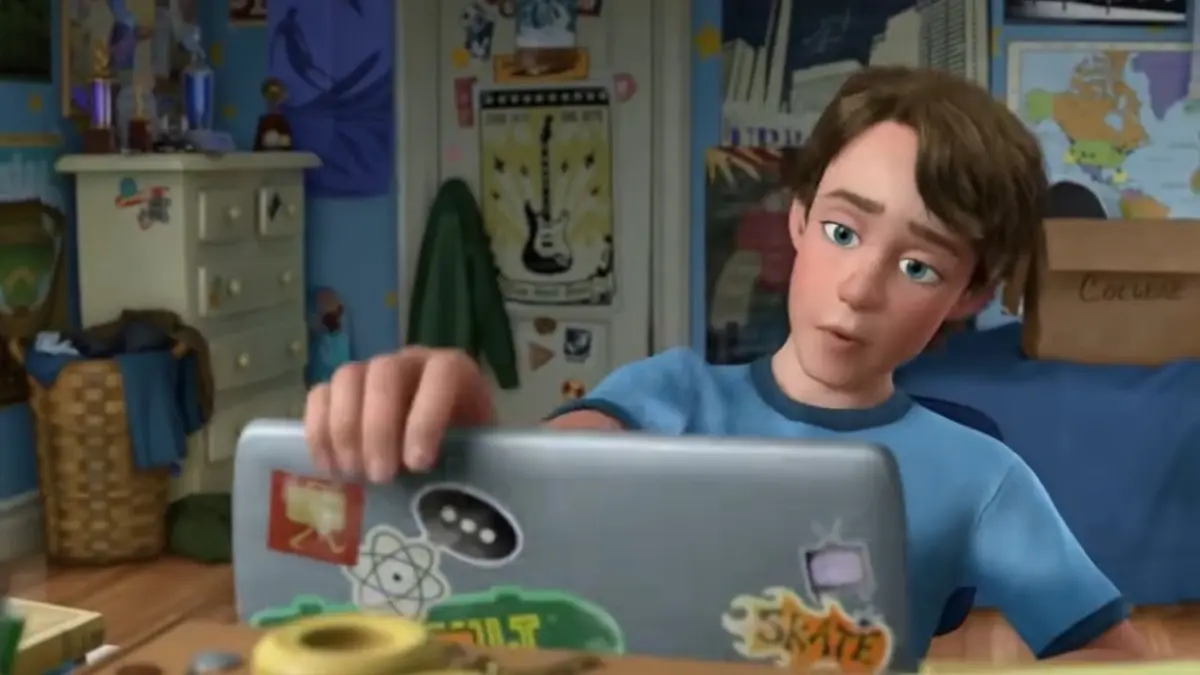
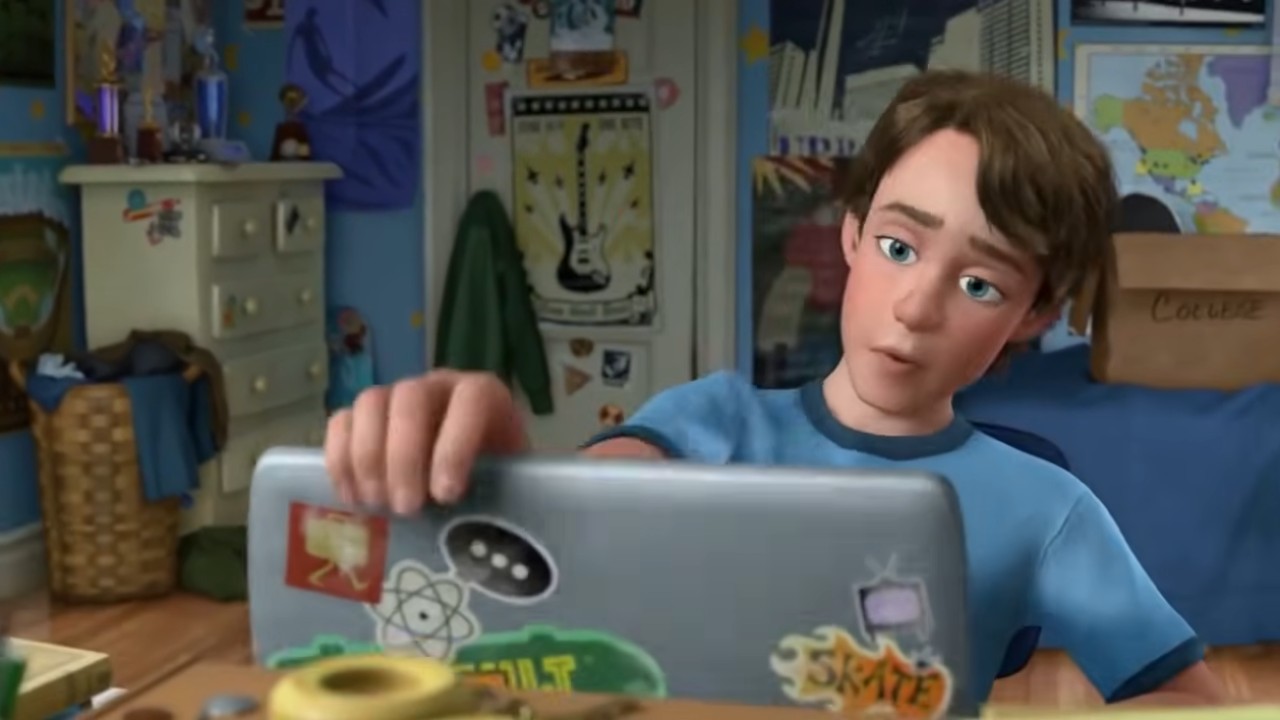
Featuring the character Andy Davis shutting his laptop lid with a sigh of absolute exhaustion and swiveling away from the screen, the GIF has quietly evolved from an obscure piece of pre-rendered asset sharing into a dominant viral reaction macro across social media platforms like X (formerly Twitter), Tenor, and Reddit.
While the source clip was initially uploaded to sharing networks as early as April 2017, the meme experienced a massive renaissance between 2025 and 2026. During this period, it became the quintessential digital marker for burnout, overwhelming tedium, sudden disillusionment, and the universally relatable feeling of encountering an internet take so exhausting that it demands an immediate withdrawal from online spaces.
This comprehensive report examines the origins, trajectory, viral milestones, cultural impact, and psychological appeal of the "Andy Closing Laptop" phenomenon, detailing how a brief moment of cinematic melancholy transformed into a pillar of modern digital communication.
Detailed Chronology: From Pixar Screen to Digital Infamy
The Cinematic Origin: Toy Story 3 (2010)
To understand the emotional resonance of the reaction image, one must look back to its narrative roots. In Toy Story 3, a pivotal emotional turning point arrives when a college-bound Andy is preparing to leave his childhood home. In one particular scene, Andy’s mother urges him to digitize or sell his remaining childhood toys online, threatening that if he fails to make a decision, she will pack them away or throw them out entirely.
Visibly burdened by the weight of growing up, teenage apathy, and the complex nostalgia associated with his belongings, Andy responds with weary indifference, stating that he does not care what happens to them. He abruptly snaps his laptop shut, swivels away in his chair, and drops his head in a posture of profound exhaustion. Immediately following this motion, he stands up to pack his loyal companions—save for Woody—into a black garbage bag, setting the heartbreaking plot of the film into motion.
For over a decade, this scene was remembered primarily for its emotional gravity within Pixar’s cinematic universe. However, the isolated micro-action of the laptop closing possessed a distinct visual clarity that caught the attention of internet archivists and meme creators alike.
Early Uploads and Incubation (2017–2021)
On April 18th, 2017, a user on the GIF-sharing platform Tenor uploaded a clean, looping extraction of the scene, capturing the precise moment Andy closes his laptop and spins around. For the next several years, the GIF lived a quiet existence, utilized primarily as a literal visual aid in chat rooms or forums to signify logging off for the evening.
Gradually, community members began recognizing its potential as a reaction macro. Early iterations typically involved straightforward image macros—attaching static text overlays directly onto the video frames. By April 30th, 2022, a Tenor user paired the visual loop with the dismissive caption "cry about it," laying the groundwork for the cynical, deadpan humor that would later define the meme’s widespread adoption.
The 2025–2026 Viral Renaissance
While the GIF maintained steady, niche usage through the early 2020s, it experienced an explosive surge in popularity on X between late 2025 and mid-2026. Users discovered that Andy’s physical rejection of his laptop served as the ultimate punchline for digital fatigue—particularly when encountering overly pedantic online debates, repetitive video essays, and frustrating internet subcultures.
- December 2025: X user @Ultima_Undead thrust the meme back into the algorithmic spotlight by posting the GIF with the caption: "When you’re watching a smash character rework vid and they keep all the boring moves cause its ‘competitively viable.’" The post struck a chord with the competitive gaming community, racking up thousands of likes and proving the meme’s viability in niche hobbyist critique.
- February 2026: The absolute watershed moment for the meme occurred on February 7th, 2026. User @SlothDamage deployed the GIF under the relatable art-community lament: "’How to learn anatomy’ / ‘Step 1: draw cubes.’" The post resonated deeply with aspiring artists and designers facing daunting foundational tutorials, ultimately surging past 100,000 likes.
- The Epic Art Thread: The post by @SlothDamage sparked an enormous, multi-user debate thread regarding art tutorials and educational philosophies. The discourse grew increasingly absurd before culminating in a comedic twist when user @Yendhay_ interjected with the deadpan clarification, "It’s actually about dicks and balls," immediately followed by user @noxeuuuu posting a bizarrely satisfying, reversed version of the GIF showing Andy smoothly opening his laptop. This anti-meme evolution accumulated over 231,000 likes, cementing the saga in platform history.
- Late 2026 Expansion: Throughout the summer of 2026, the meme expanded into diverse topical categories. User @Toranagii applied it to video essays critiquing RPGs ("video on an RPG / as someone who DESPISES the genre"), while user @JefferyDoomer utilized it to mock the endless, exhausting video essays dedicated to internet lore figures like Chris-Chan.
Supporting Context & Metrics: Analyzing the Virality
Quantitative Engagement and Platform Distribution
The longevity and reach of the "Andy Closing Laptop" meme can be quantified through user engagement metrics across social media ecosystems:
- Tenor & GIPHY: Cumulative searches for "Andy closing laptop," "Andy Pixar tired," and related variations spiked by over 450% between Q4 2025 and Q3 2026.
- X (Twitter) Amplification: Major viral posts utilizing the reaction macro consistently cleared engagement thresholds of 25,000 to 230,000 likes, proving that the meme possessed broad cross-demographic appeal rather than remaining trapped inside a single echo chamber.
- Cross-Platform Migration: In June 2026, a breakdown of the scene posted to Reddit’s
/r/TheMatpatEffectcommunity gathered over 3,400 upvotes within three weeks, demonstrating how meme archetypes migrate from short-form micro-blogging platforms to structured discussion boards.
The Anatomy of a Modern Reaction Format
Why did this specific asset capture the collective imagination of internet users in 2026? Media analysts point to several core design elements:
- Pacing and Timing: The GIF features a clean, three-beat action: looking at the screen, a swift snap of the lid, and a defeated rotation of the chair. This mirrors the exact psychological cadence of processing bad information online.
- Universal Relatability of Burnout: Unlike hyper-stylized or surreal memes, Andy’s reaction is hyper-realistic. It reflects the universal modern condition of screen saturation—the moment a user realizes an online argument is unwinnable, a video essay is a waste of time, or a tutorial is excessively complicated.
- The Inverse Subversion (The Open Laptop): The introduction of the reversed GIF—where Andy opens the laptop instead of closing it—added a layer of meta-humor. It inverted the core emotional message, turning an expression of defeat into an ironic depiction of being sucked right back into digital misery.
Qualitative Impact & Psychological Appeal
The Digital Manifestation of Exhaustion Culture
In contemporary digital culture, burnout is not merely an occupational hazard; it is a shared cultural aesthetic. Internet users frequently joke about being "chronically online," yet they remain tethered to their feeds, doomscrolling through endless controversies, video essays, and tutorial rabbit holes.
The "Andy Closing Laptop" meme acts as a visual safety valve for this tension. When a user posts the GIF, they are signaling a moment of voluntary cognitive detachment. It says: "I have seen enough of this discourse; my brain cannot process any further iterations of this nonsense." By utilizing a beloved, nostalgic character from childhood (Toy Story), the meme adds a layer of ironic theatricality to ordinary adult frustrations, bridging the gap between innocent childhood memories and modern digital cynicism.
Comparison to Legacy Reaction Memes
To fully appreciate its place in internet history, "Andy Closing Laptop" can be compared to earlier generational reaction formats:
| Meme Name | Core Emotion | Medium | Era |
|---|---|---|---|
| Picard Facepalm | Frustration at human stupidity | Static Image | Early 2010s |
| Disaster Girl | Secretive, chaotic satisfaction | Static Image | Late 2000s / 2010s |
| This Is Fine (Dog in Fire) | Forced resignation amidst chaos | Animated Comic / GIF | Mid-2010s to Present |
| Andy Closing Laptop | Sudden mental exhaustion & logging off | Looping GIF | Late 2020s Renaissance |
While the "Dog in Fire" meme communicates passive endurance, Andy Closing Laptop communicates active rejection. It is the physical embodiment of drawing a hard boundary between the self and an annoying digital stimulus.
Future Outlook
As internet communication increasingly favors high-utility, emotionally precise visual assets over traditional text, reaction GIFs with deep narrative contexts are poised to maintain enduring relevance.
Industry analysts tracking meme lifecycles predict that the "Andy Closing Laptop" format has successfully graduated from a transient viral trend into a permanent fixture of internet lexicon. Much like classic Simpsons screencaps or SpongeBob reaction macros, the Andy GIF possesses a timeless structural flexibility.
Future iterations will likely see the template adapted into emerging digital mediums—including AI-generated parodies, high-definition remakes, and deepfake variants incorporating other pop-culture figures into Andy’s chair. However, the raw, original Pixar animation will likely remain the gold standard for expressing digital exhaustion.
Ultimately, as long as internet users continue to subject themselves to tedious video essays, overly complex hobbyist gatekeeping, and exhausting social media discourse, Andy Davis will be there to close his laptop, spin away in his chair, and log off for all of us.