Executive Overview
PC building has long been a labor of love, an expensive hobby that enthusiasts approach with a mix of excitement and financial dread. However, the current economic climate of the hardware market has transformed standard upgrades into an exercise in fiscal endurance. While the staggering cost of high-end graphics cards—such as Nvidia’s flagship RTX 50-series—has already priced many consumers out of top-tier performance, and a persistent memory supply crisis continues to inflate the costs of RAM and solid-state drives, a new and potentially more insidious threat is looming over the horizon.
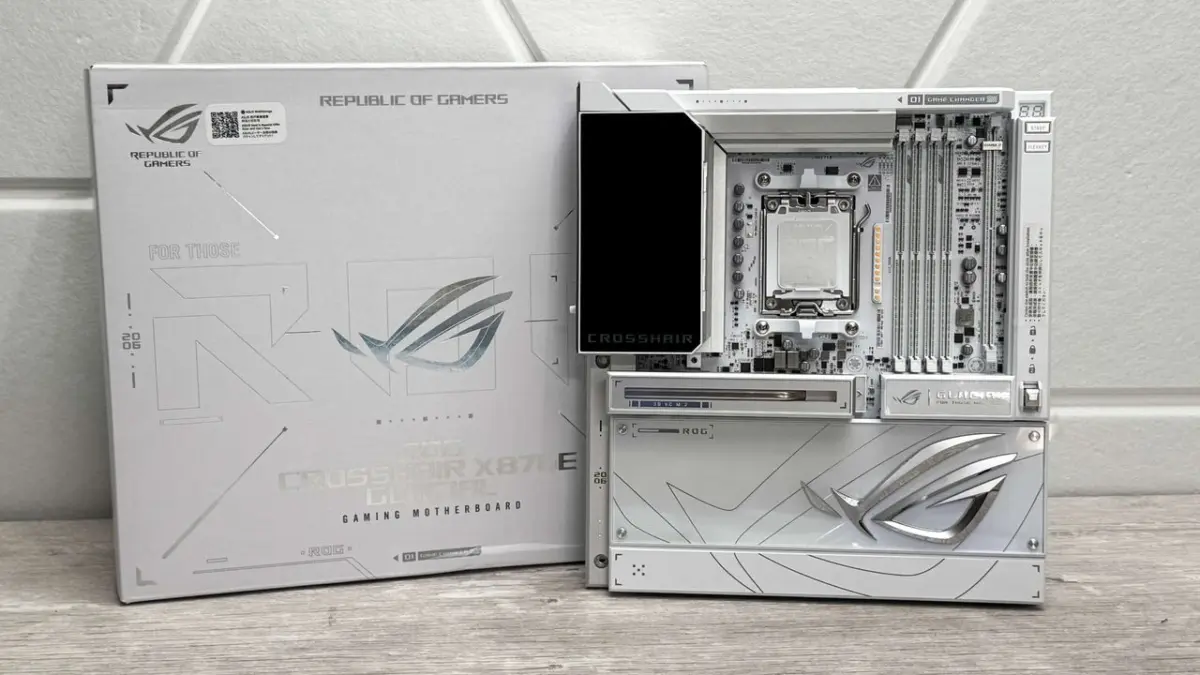
According to insider reports originating from manufacturing forums and supply chain leaks, motherboards are the next critical PC component bracing for a severe price surge. Driven by a volatile mix of skyrocketing raw material costs, geopolitical instability in the Middle East, and ongoing logistical bottlenecks, the foundation of every custom PC build is quietly increasing in price.
While early manufacturer adjustments in late summer 2025 appeared modest, industry analysts warn that these minor upticks are merely the tip of the iceberg. As upstream manufacturing expenses escalate by up to 50% for core components like printed circuit boards (PCBs) and capacitors, consumers should prepare for a wider, more painful wave of retail price increases in the coming months.
Detailed Chronology of the Component Cost Crisis
To understand how the PC hardware market arrived at this precarious juncture, one must look at the cascading failures and pressures affecting global manufacturing lines throughout 2025 and into 2026.
Early 2025: The Foundation Begins to Crack
The warning signs first emerged within closed industry channels—most notably Board Channels, a prominent forum where hardware manufacturers, upstream suppliers, and regional distributors communicate anonymously about market shifts. As early as the spring of 2025, factory insiders began reporting abnormal price fluctuations in basic manufacturing inputs. Unlike previous supply chain hiccups driven purely by consumer demand or sudden crypto-mining booms, this crisis was structural, rooted deeply in the chemistry and logistics of raw material production.
April 2026: Geopolitical Flashpoints and Petochemical Disruptions
The situation escalated dramatically following geopolitical conflicts in the Middle East, particularly the ongoing war involving Iran and subsequent disruptions around the critical Strait of Hormuz. In April 2026, reports surfaced that a major petrochemical complex belonging to the Saudi Basic Industries Corporation (SABIC) in Jubail, Saudi Arabia, had been targeted in a regional attack.
This facility is of paramount importance to global electronics manufacturing. It is a massive supplier of high-grade PPE resin—the specialized chemical compound acting as the critical "glue" that binds the multiple fiberglass and copper layers of a modern multi-layer PCB together. With production interrupted and maritime shipping lanes through the Strait of Hormuz heavily compromised, the global pipeline for foundational motherboard materials effectively narrowed to a trickle.
August 2026: Initial Manufacturer Adjustments
By August 2026, the cumulative pressure of rising material costs forced major motherboard vendors to begin passing minor expenses down the line. However, the initial consumer impact was deliberately cushioned by brands trying to maintain market share.
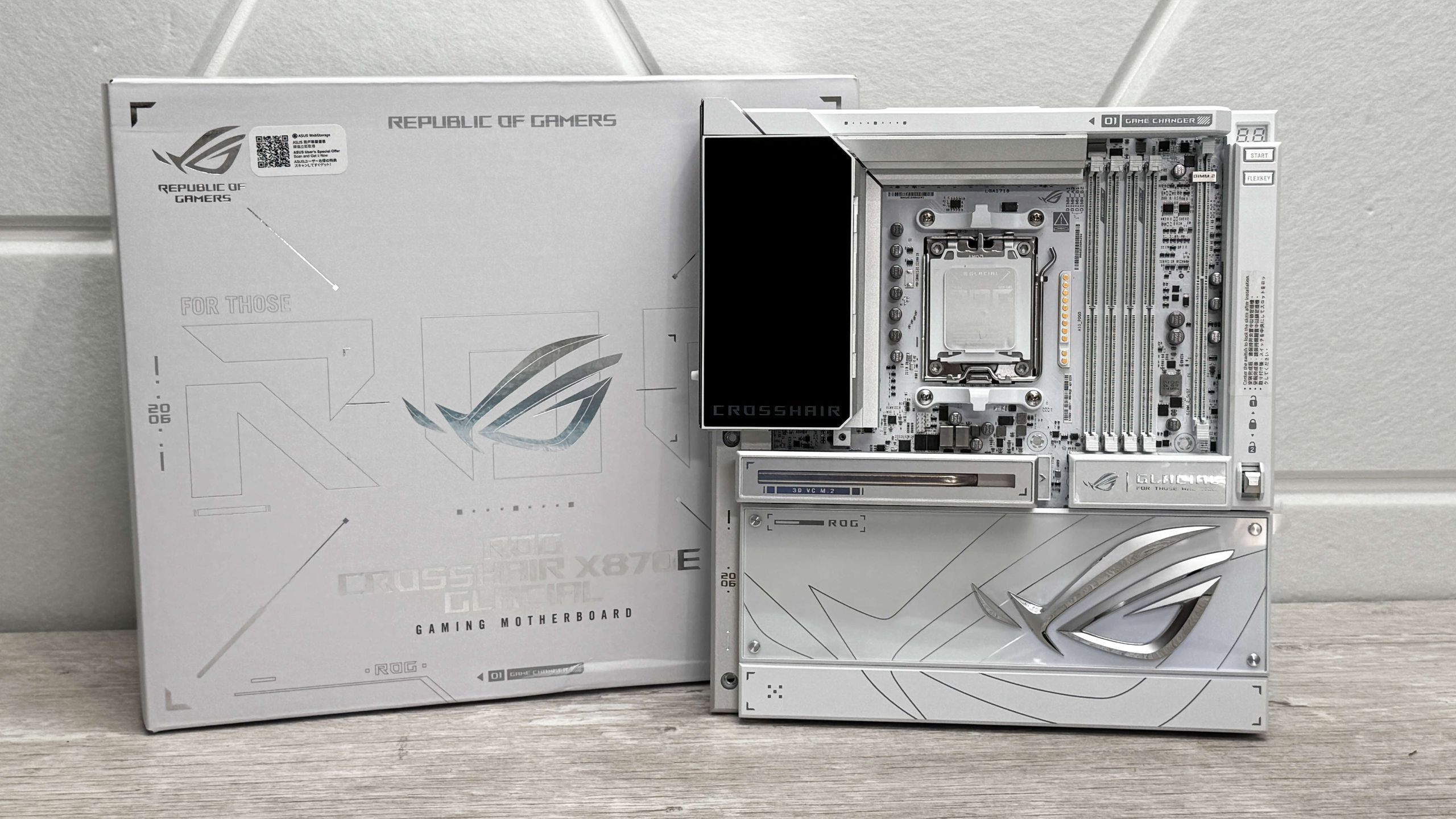
According to data leaked from manufacturing partners, major Taiwanese brands adopted varied strategies. MSI implemented broad, across-the-board price bumps on its lineups. Conversely, market giants like Asus and Gigabyte selectively targeted their flagship and most popular mainstream models, applying relatively small localized adjustments ranging between 5 and 50 Chinese yuan (roughly $0.74 to $7.44 USD at the time). Domestic Chinese brands such as Colorful and Maxsun introduced even more conservative hikes of 10 to 20 yuan ($1.49 to $2.98 USD).
At the time, these shifts seemed negligible to the average consumer, easily dismissed as standard seasonal fluctuations. However, supply chain analysts emphasize that these early August adjustments were merely exploratory measures—toe-dips into a rapidly deepening pool of manufacturing inflation.
Supporting Context & Metrics: Where the Money is Going
To grasp why motherboard prices are bound to rise significantly beyond those modest summer increases, one must analyze the raw cost metrics driving component assembly lines. Motherboards are complex pieces of engineering, combining dense layers of conductive copper, insulating resins, surface-mount capacitors, integrated circuits, and wireless networking modules.
Recent leaks from Board Channels and corroborating reports from hardware tracking outlets like Videocardz paint a grim picture of upstream inflation:
- Printed Circuit Boards (PCBs): The base material costs for PCBs have surged by an alarming 15% to 50%. Because high-end motherboards require intricate, multi-layer PCBs to handle high-speed PCIe lanes, power delivery routing, and signal integrity for modern multi-core processors, this increase hits enthusiast boards the hardest.
- Capacitors: Essential for regulating stable power delivery to the CPU and memory slots, capacitor prices have skyrocketed by approximately 50%. Voltage regulator modules (VRMs) rely heavily on these components to prevent system instability under heavy gaming or overclocking loads.
- Wi-Fi Modules: With wireless connectivity now standard even on mid-range boards, the cost of integrated Wi-Fi and Bluetooth modules has climbed by 10% to 20%, driven by broader semiconductor supply constraints and raw metal shortages.
When combined, industry insiders estimate that these raw material spikes translate to a bare minimum 10% baseline increase in the pure cost of manufacturing a motherboard. Because profit margins in the hardware sector are often tightly squeezed by retail competition, manufacturers cannot absorb these elevated baseline costs indefinitely.
Furthermore, this motherboard inflation does not exist in a vacuum. It compounds an already punishing hardware ecosystem:
- The Memory Crunch: RAM and SSD prices have spiked dramatically due to enterprise and hyperscaler data center acquisitions aggressively gobbling up global silicon and memory wafer production for AI infrastructure.
- GPU Inflation: With flagship graphics cards commanding prices that rival international airfare, the barrier to entry for building a complete, modern PC has reached historic highs.
- Peripheral Pressures: Power supplies, cooling solutions, and chassis manufacturing are simultaneously grappling with aluminum, steel, and copper commodity price increases.
Official Statements and Industry Insights
While public-facing marketing departments at companies like Asus, MSI, and Gigabyte typically remain tight-lipped about incoming retail price hikes to avoid stoking consumer panic or dampening seasonal sales, the reality on the manufacturing floor is openly discussed among B2B partners.
A prominent supply chain insider on the Board Channels network provided a sobering assessment of the landscape:
"The price of upstream raw materials for motherboards has indeed risen significantly. Looking at the price increases from major motherboard manufacturers in August, the overall increases were relatively small, only around 3%, and affecting a limited number of models… There is still room for motherboard costs to rise, and it is possible that motherboard manufacturers will continue to raise prices for certain models in the coming months."
Independent supply chain experts tracking the petrochemical and maritime logistics sectors corroborate these internal warnings. The reliance on centralized resin producers in the Middle East means that any prolonged friction in regional security or shipping lanes has a disproportionate, domino-like effect on global high-tech manufacturing. Because alternative resin suppliers cannot instantly scale up production to match the specialized purity requirements of electronics-grade PCBs, the supply deficit is structurally guaranteed to persist well into the upcoming manufacturing cycles.
Future Outlook: What This Means for PC Builders
For consumers contemplating an upgrade or planning a brand-new PC build, the immediate future looks challenging. The hardware market is caught in a multi-front economic squeeze where virtually every core component—GPUs, RAM, storage, and now motherboards—is facing upward price pressure driven by a combination of geopolitical conflict, chemical supply shortages, and competing global technology demands like artificial intelligence infrastructure.
Will Prices Drop Anytime Soon?
History suggests that once hardware manufacturing baselines and retail prices adjust upward, they rarely return to their previous lows. While temporary sales, promotional bundles, or holiday discounts may offer occasional relief, the structural cost of raw materials—particularly petrochemical resins and specialized metals—suggests that baseline motherboard pricing has permanently shifted upward.
Actionable Advice for Builders
- Buy Strategically: If you are currently sitting on a system that meets your immediate needs, holding off on a full platform upgrade might save you money in the short term, though waiting will not necessarily yield lower prices later.
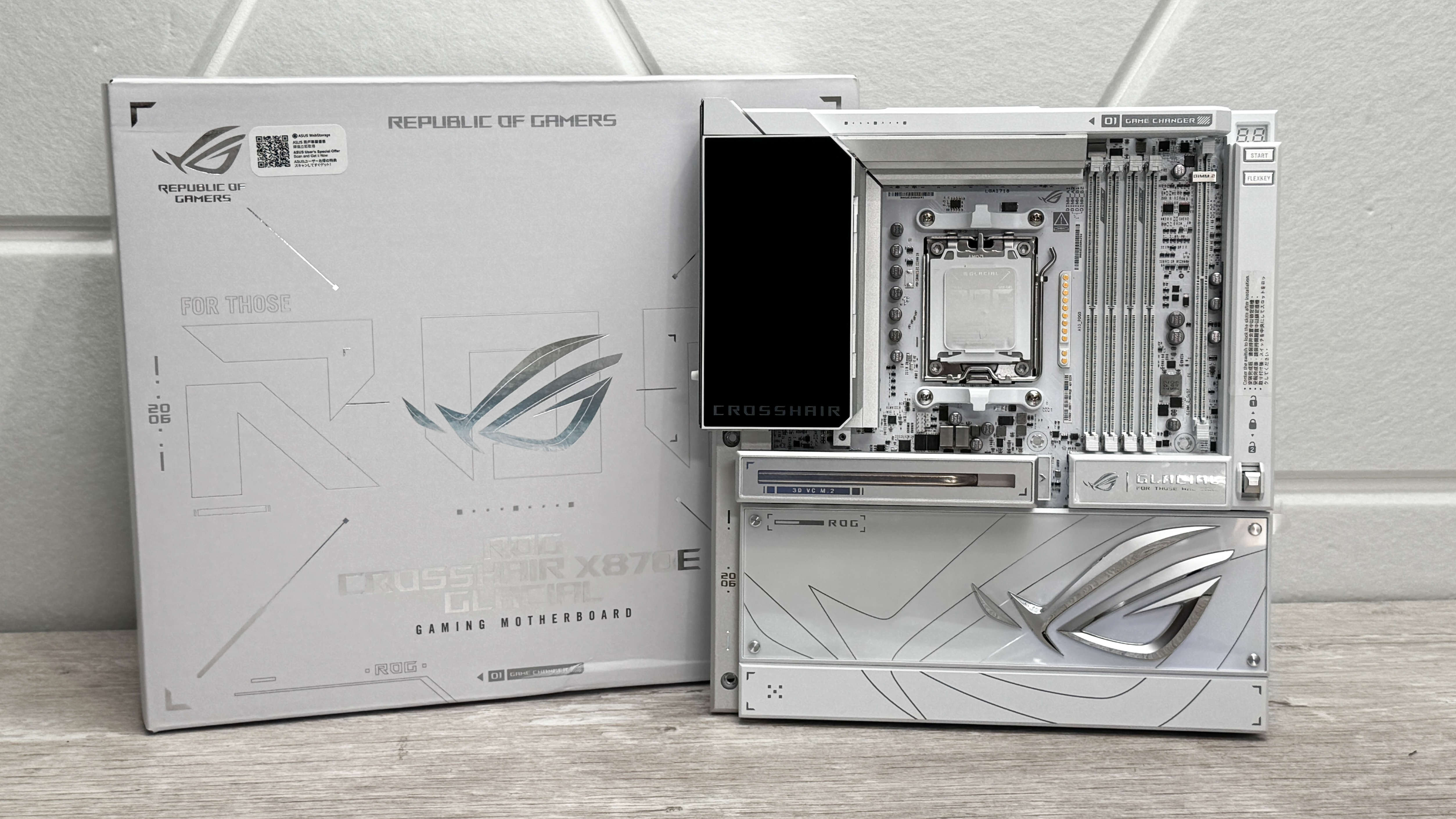
- Target Value Chipsets: When choosing a motherboard, look toward mainstream chipsets (such as AMD’s B-series or Intel’s equivalent mid-tier boards) rather than high-end enthusiast flagships (like the X-series or Z-series Glacial variants). Premium boards bear the brunt of multi-layer PCB cost increases and aesthetic markup.
- Monitor Component Sales: Keep a close eye on bundle deals from major retailers, which often package CPUs, RAM, and motherboards together to soften the blow of individual component inflation.
Ultimately, the PC building community is facing the same old story: macroeconomics, global logistics, and geopolitical strife are conspiring to make our favorite hobby more expensive. As motherboard manufacturers prepare their next waves of pricing adjustments, builders must adapt to a new normal where every single brick in the PC foundation costs significantly more than it did just a year ago.