Executive Overview
For decades, the prevailing narrative surrounding digital content creation has been plagued by a fatalistic myth: that YouTube is a young person’s game, reserved exclusively for those with bubbly, performative personalities who mastered the platform’s eccentricities back in 2012. For midlife professionals, corporate executives, seasoned consultants, and established business owners, this misconception has kept them anchored safely on the sidelines, watching competitors capture market share and establish digital authority.
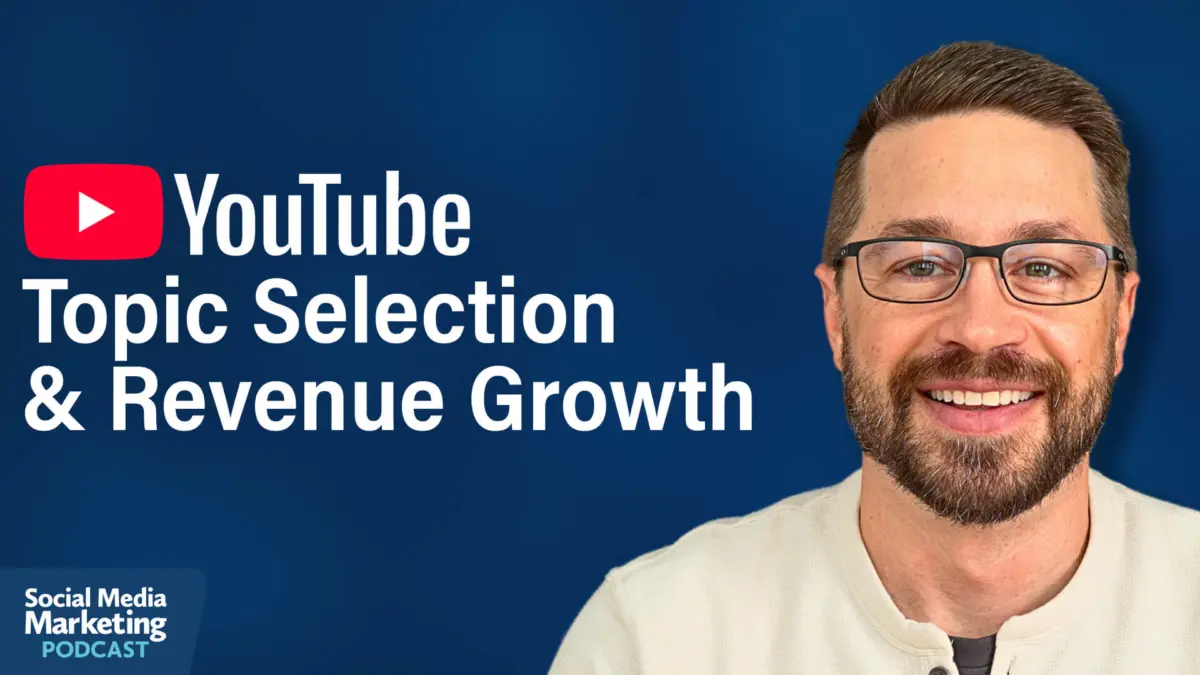
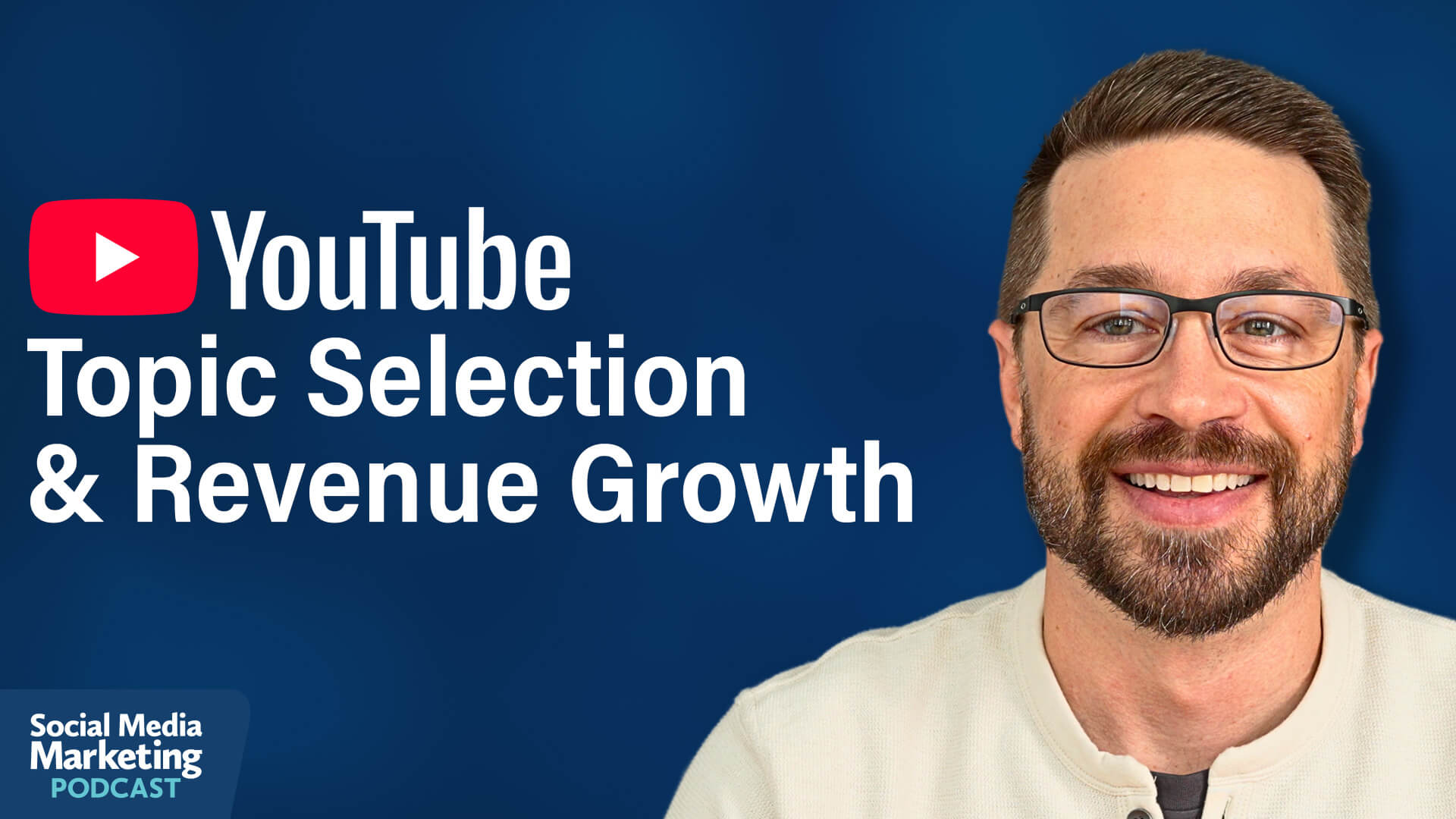
However, a fundamental shift is underway. According to insights shared by prominent YouTube growth coach Ty Myers in a recent deep-dive discussion, the platform is no longer driven purely by viral novelty or raw entertainment value. Instead, modern YouTube rewards domain expertise, clarity of communication, and the precise mechanical execution of a systematic growth framework.
This comprehensive guide breaks down the core architecture required to build, scale, and monetize a business-focused YouTube channel from scratch. By analyzing the pre-production blueprints, script architectures, and conversion loops detailed by Myers, this report serves as an authoritative playbook for professionals looking to turn the YouTube algorithm into a predictable client-acquisition engine—no matter how late they feel they are to the party.
Detailed Chronology: The Four-Phase Startup Blueprint
Building a sustainable business channel requires abandoning the chaotic, trial-and-error approach common among hobbyist creators. Myers outlines a disciplined, four-phase startup chronology designed to align creative output with tangible business objectives.
Phase 1: Establish Absolute Clarity on Goals and Mission
The foundational misstep for most new creators is ambiguity. Attempting to build a channel that appeals to "everyone" inevitably results in content that resonates with no one.
Before recording a single frame, creators must explicitly define the commercial mission of the channel. Is the objective to generate high-ticket consulting leads, sell digital infoproducts, establish broad domain authority, or build a lasting digital legacy? This singular decision dictates every downstream choice, from audience targeting and tone of voice to key performance indicators. Without a defined compass, channels quickly stall out in obscurity.
Phase 2: Hyper-Target the Viewer Avatar
Once the mission is established, the creator must construct an intricate profile of their target viewer—the "Avatar." This goes beyond basic demographics like age and location; it requires mapping out deep-seated fears, professional desires, friction points, and ultimate transformations.
This specificity must permeate every layer of the production process:
- Algorithmic Signaling: The YouTube algorithm reads the full transcript of every video and cross-references it with user behavior. The more precisely a video signals its intended audience through titles, visual hooks, and spoken terminology, the more efficiently the algorithm can match it with high-intent viewers.
- Psychological Resonance: When a viewer clicks on a video and immediately hears their exact problem articulated, an instant bond of trust is forged.
Phase 3: Accumulate Early Reps (Quantity Over Perfection)
Perfectionism is the quiet killer of professional content creation. Executives and subject-matter experts, accustomed to high competence in their existing fields, often spend months paralyzed at the starting line, obsessing over gear, lighting, and script perfection.
Myers advocates for a "reps-first" philosophy. Creators should push out raw, imperfect videos simply to build technical and on-camera muscle memory. Typically, a creator’s authentic personality and natural delivery style do not begin to emerge on camera until they have pushed past the 15-video mark.

Phase 4: Transition to Strategic Distribution (Quality Over Quantity)
Once the initial comfort threshold is breached and production workflows become habitual, the focus must pivot from raw output to platform mastery. At this stage, YouTube must be viewed not merely as a video-hosting utility, but as a complex global distribution system. Creators must begin studying outlier analytics, dissecting high-performing niche competitors, and engineering content designed to leverage platform mechanics.
Supporting Context & Metrics: Mastering the Pre-Production Engine
The most critical operational error observed among struggling creators is an upside-down time allocation: spending 15 hours scripting and filming a video, only to hastily throw together a title and thumbnail at the eleventh hour.
The 80/20 Rule of Video Success
According to platform data and industry benchmarks, the topic, title, and thumbnail together account for roughly 80% of a video’s success. A moderately produced video built around a heavily validated topic, paired with a compelling title and an arresting thumbnail, will consistently outperform a brilliantly shot, high-budget video that nobody feels compelled to click on.
Consequently, out of a hypothetical 10-hour weekly commitment to YouTube, Myers recommends dedicating a full 6 hours exclusively to pre-production. This phase encompasses keyword validation, competitor analysis, title experimentation, and thumbnail sketching before a single word is scripted.
Validating Demand Through Data
To eliminate guesswork, creators must leverage validation tools before investing time into production:
- VidIQ Integration: Entering prospective topics into growth tools like VidIQ reveals precise monthly search volume metrics. This allows creators to test various phrasings to discover what actual audiences are typing into search bars.
- Outlier Identification: By utilizing browser extensions to analyze historical performance, creators can isolate videos that dramatically outperformed a channel’s baseline average. By checking the recency and sustained view trajectory of these outliers, creators can verify whether an audience’s interest is a fleeting spike or a persistent, compounding demand.
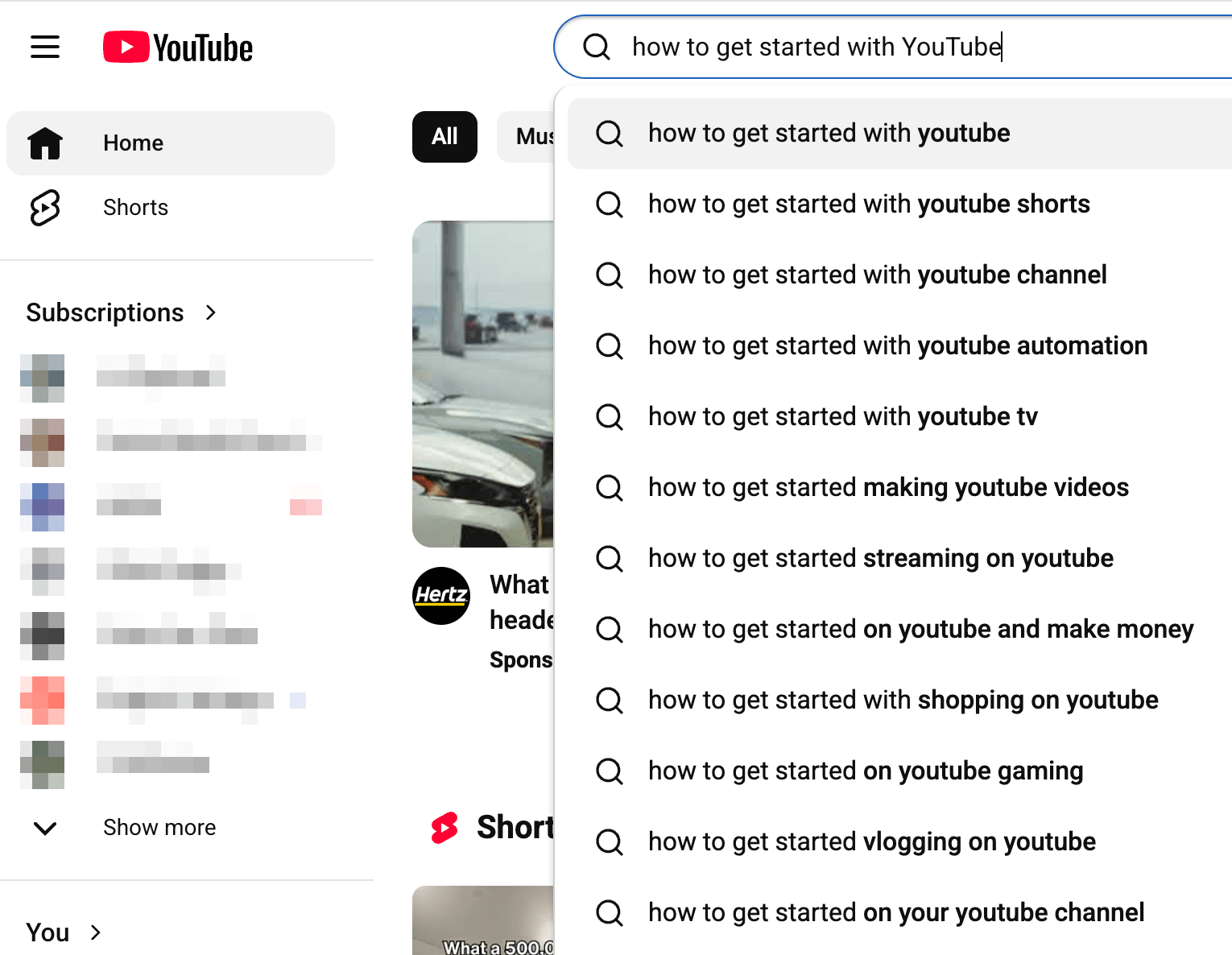
- Autocompletion Mining: YouTube’s search autocomplete feature acts as an organic focus group. The predictive suggestions that populate during typing expose the exact phrasing real users rely on when articulating their problems, providing a roadmap for high-intent titles.
Official Statements & Methodologies: Scripting, Hooks, and Revenue Loops
Transitioning from research to execution requires a structured approach to scripting, audience retention, and commercial conversion.
AI-Assisted, Conversational Scripting
While modern artificial intelligence tools like Google NotebookLM and Claude offer immense leverage for synthesizing dense industry reports and academic literature, raw AI-generated scripts often feel sterile and generic.
To combat this, Myers utilizes a conversational scripting methodology: rather than asking an AI tool to write a complete script from a prompt, he instructs the AI to interview him about the topic. By prompting the model to ask targeted questions one at a time regarding his personal stories, professional anecdotes, counterintuitive perspectives, and custom analogies, the resulting raw material is infused with authentic human expertise and credibility.
Deconstructing the 30-Second Hook
The opening 15 to 30 seconds of a video determine its long-term viability. A high-retention hook relies on three core pillars:
- Explicit Targeting: Directly calling out the specific viewer ("If you’re a midlife consultant struggling to generate inbound leads…") so the audience instantly recognizes they are in the right place.
- The Curiosity Gap: Introducing a counterintuitive statement or challenging an industry consensus, forcing the viewer to stay to resolve the cognitive dissonance.
- Instant Credibility: Demonstrating real-world results and tangible proof early in the runtime to justify why the viewer should invest their time.
Monetization Without AdSense
For business-focused creators, relying on ad revenue is rarely the primary objective. Instead, monetization is engineered through two distinct pathways:

- The Explicit Mid-Roll CTA: Seamlessly transitioning in the middle of a video to remind viewers that the concepts being taught map directly to active client engagements, directing them to a structured link in the description.
- Passive Authority Signals: Naturally weaving client success stories, advisory frameworks, and real-world case studies into the educational fabric of the content. Over time, these subtle markers establish deep, passive trust that hard-sell pitches can never replicate.
Future Outlook: Session Duration and the Self-Reinforcing Loop
The final architecture of a high-performing YouTube channel lies in how viewers exit a video. Traditional creators often undermine their own momentum by inserting formal outro music, summaries, and subscription prompts that signal the end of a viewing session.
Maximizing Session Duration
YouTube’s core algorithmic incentive is straightforward: the platform rewards content that keeps users on the platform longer.
Rather than sending viewers away at the end of a video, top-tier creators use seamless end-screen cards to direct traffic instantly to the next piece of relevant content. By cutting out outro segments entirely and transitioning directly from the final instructional point into a compelling question answered by a subsequent video, creators build a powerful self-reinforcing loop.
Each click increases session duration, triggers additional opportunities for mid-roll conversions, and signals to the algorithm that the channel is a high-value asset for platform retention.
Equipment Realities: Minimizing Friction
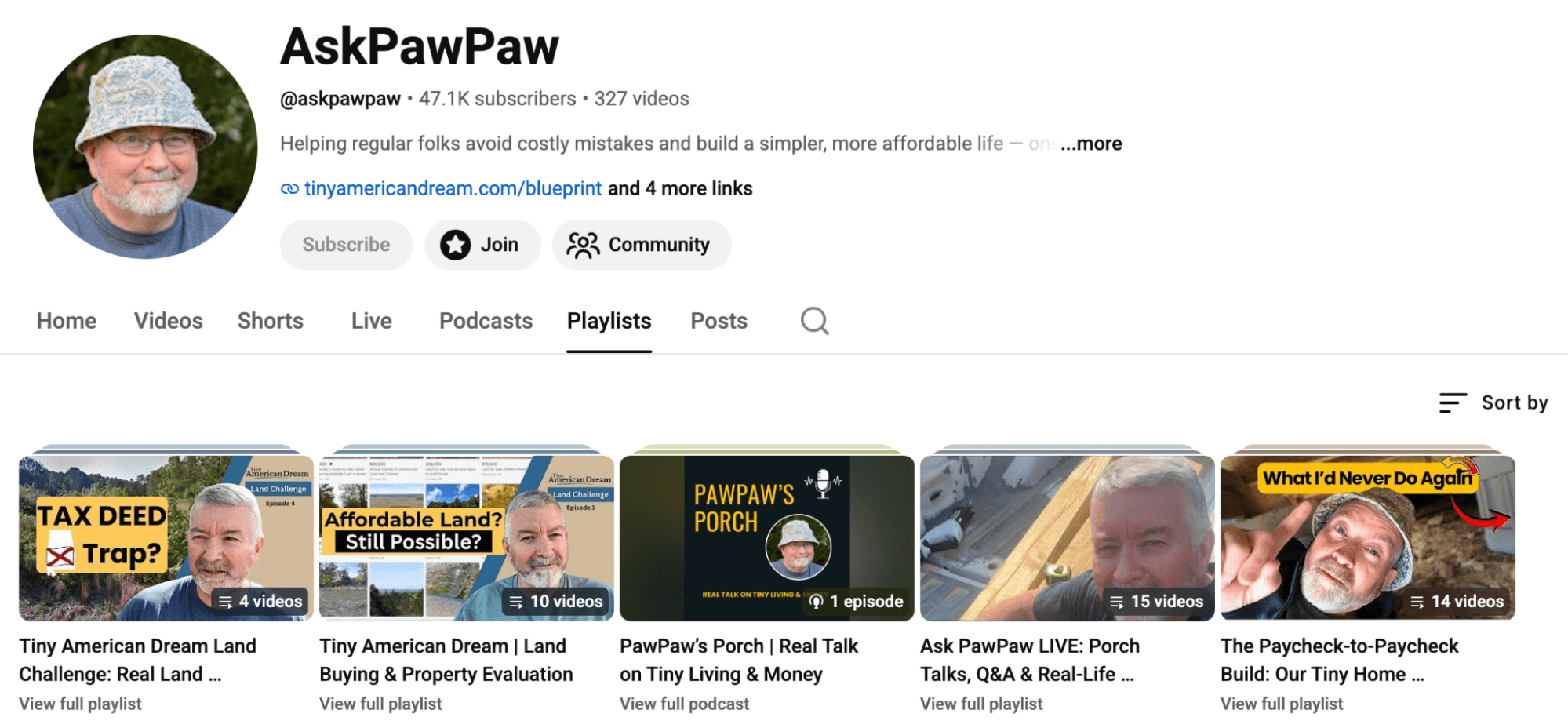
For professionals hesitant to start due to perceived technical barriers, the hardware requirements are remarkably modest. According to Myers, who filmed over 100 successful videos using an iPhone 15 and a professional USB-C podcast microphone priced under $300, high-end cinema cameras are entirely optional.
The only non-negotiable asset from day one is audio quality. Because modern audiences will readily forgive subpar lighting or basic framing, poor audio acts as an immediate friction point that drives viewers away. Paired with natural, diffused window light and a basic tripod, a modern smartphone and a dedicated USB microphone are all that stand between a professional and their future audience.
Conclusion
The window of opportunity on YouTube has not closed; rather, it has matured. As noisy, trend-chasing content saturates the platform, the demand for authoritative, deeply knowledgeable, and systematically structured guidance is higher than ever.
By stripping away the intimidation of early technical perfection, anchoring content in rigorous pre-production data, and treating YouTube as a disciplined distribution and client-acquisition network, professionals at any stage of their careers can build a resilient, scalable digital asset that yields compounding dividends for years to come.