Executive Overview
The landscape of marketing content creation has undergone a seismic shift, yet a profound disconnect remains for many practitioners. While breathtaking, cinematic AI-generated visuals flood social feeds and tool launch events, everyday marketers often find their own attempts resulting in flat, inconsistent, or unusable assets. The prevailing misconception—championed by novices and debunked by veterans—is that artificial intelligence is a "one-click wonder" capable of instantly generating agency-grade ad campaigns.
According to AI educator and creative strategist Jerrod Lew, the cinematic clips showcased by software developers are rarely the product of a single text prompt. Instead, they are engineered by multidisciplinary teams featuring seasoned film backgrounds, rigorous pre-production planning, and hours of iterative refinement. AI tools do not replace creative vision; rather, they demand it. Operating an AI model is conceptually identical to directing an advanced post-production suite like Adobe Premiere Pro or After Effects: without human direction, storytelling intent, and clear brand parameters, the output is functionally useless.
However, for marketers who possess a strategic narrative, an understanding of target audiences, and a distinct brand voice—yet lack traditional technical execution skills—today’s advanced ecosystem acts as a great equalizer. From smartphones and laptops, creators can now orchestrate professional-grade visual systems. This comprehensive guide explores the structural blueprints, industry-leading tools, and step-by-step methodologies required to transform erratic AI experiments into a dependable, scalable marketing workflow.
Detailed Chronology & Technological Evolution
The democratization of generative media is moving at a blistering pace. To build a resilient workflow, marketers must understand the capabilities of the current generative stack, which has evolved far beyond basic text-to-image prompts.
The 2026 Toolchain Breakdown
1. Google Flow and Omni Flash
Unveiled during Google’s major ecosystem refresh, Google Flow has shifted from a disparate utility into a robust, project-based creative production environment. It allows marketing teams to centralize generated assets, character references, and brand guardrails under a single, shareable project dashboard. Crucially, its conversational agent layer empowers users to operate as creative directors, issuing plain-language operational commands rather than manually tweaking parameters.
Simultaneously, Omni Flash has emerged as the industry’s premier multimodal video generation and editing model. Functioning as the video equivalent of Imagen 2, OmniFlash accepts scripts, raw text prompts, and existing source footage. It responds to natural language instructions to execute precision edits—such as stripping unwanted background elements, shifting artistic styles, or dynamically altering segments of a generated sequence.
2. Seedance 2.0 (ByteDance)
Widely regarded as a frontrunner in video generation, Seedance 2.0 distinguishes itself through omni-directional input handling. It natively accepts text prompts, reference images, source video, and audio files. Unlike legacy models that output silent visual clips, Seedance simultaneously synthesizes contextual background audio, dialogue, and sound effects, producing content that is significantly closer to final production readiness.
3. Kling 3.0
Setting the gold standard for character consistency, Kling 3.0 addresses one of AI video’s historically persistent flaws: rendering realistic human likenesses from static reference photographs. Supporting native 1080p and 4K exports, it maintains structural facial integrity across dynamic movements, making it indispensable for recurring human-centric narratives.
4. ChatGPT Images 2.0 & Imagen 2
In the realm of static image generation, the battleground centers on Imagen 2 and ChatGPT Images 2.0. ChatGPT Images has steadily captured market preference due to its advanced text-rendering engine. Capable of generating long, grammatically coherent typography natively within an image, it proves invaluable for rapid storyboarding, dynamic character sheets, and marketing collateral. Its speed and fidelity with personal likenesses make it a daily driver for high-volume assets like YouTube thumbnails and promotional graphics.
Supporting Context & Industry Metrics
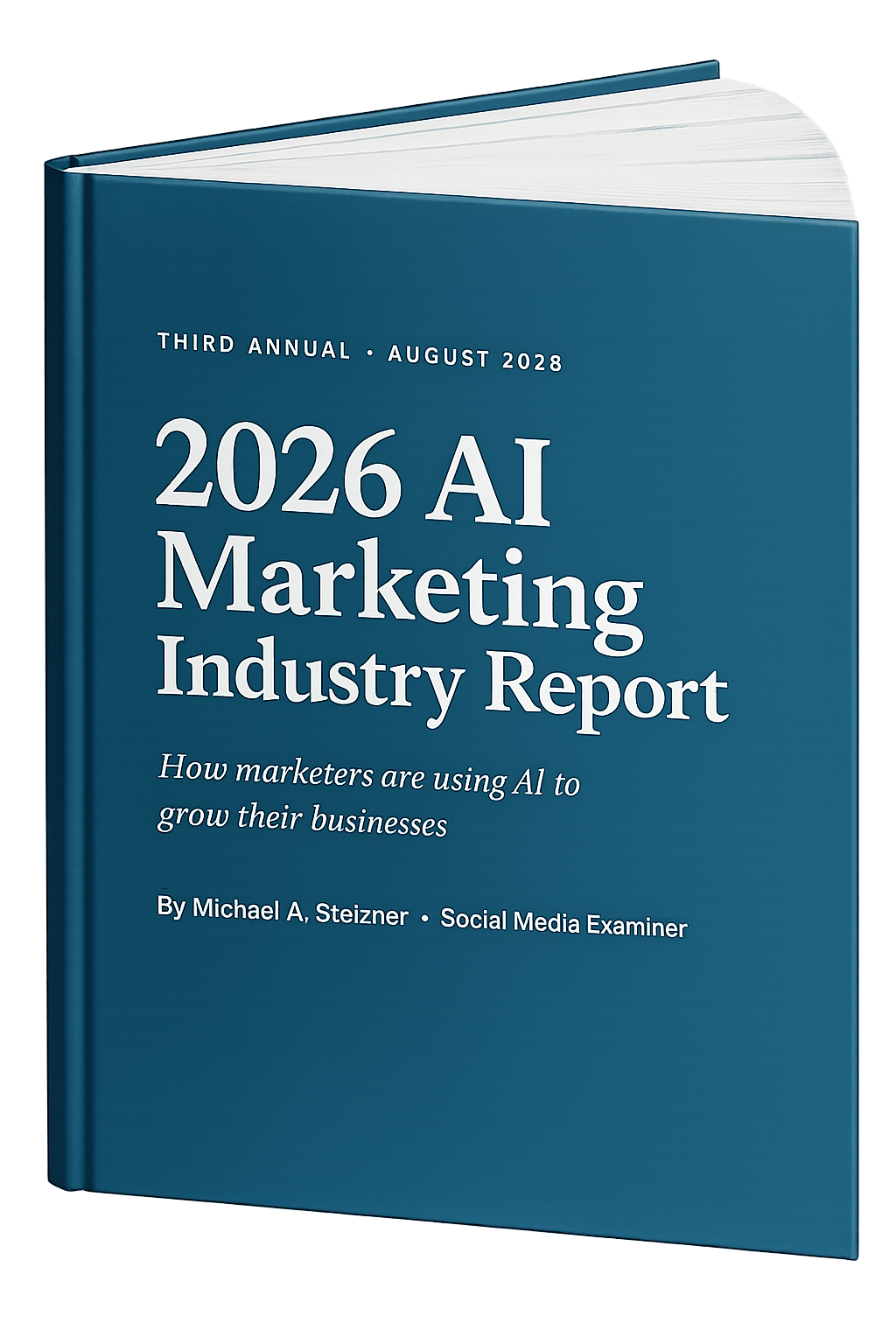
The urgency for structured, systematic approaches to AI adoption is underscored by hard data. According to the AI Marketing Industry Report, the operational reality for most marketing organizations is decentralized and self-directed:
- 85% of marketers learn artificial intelligence entirely through independent experimentation.
- Only 7% of professionals receive formal, company-sponsored AI training.
- More than 50% of marketers personally fund their own software subscriptions to maintain a competitive edge.
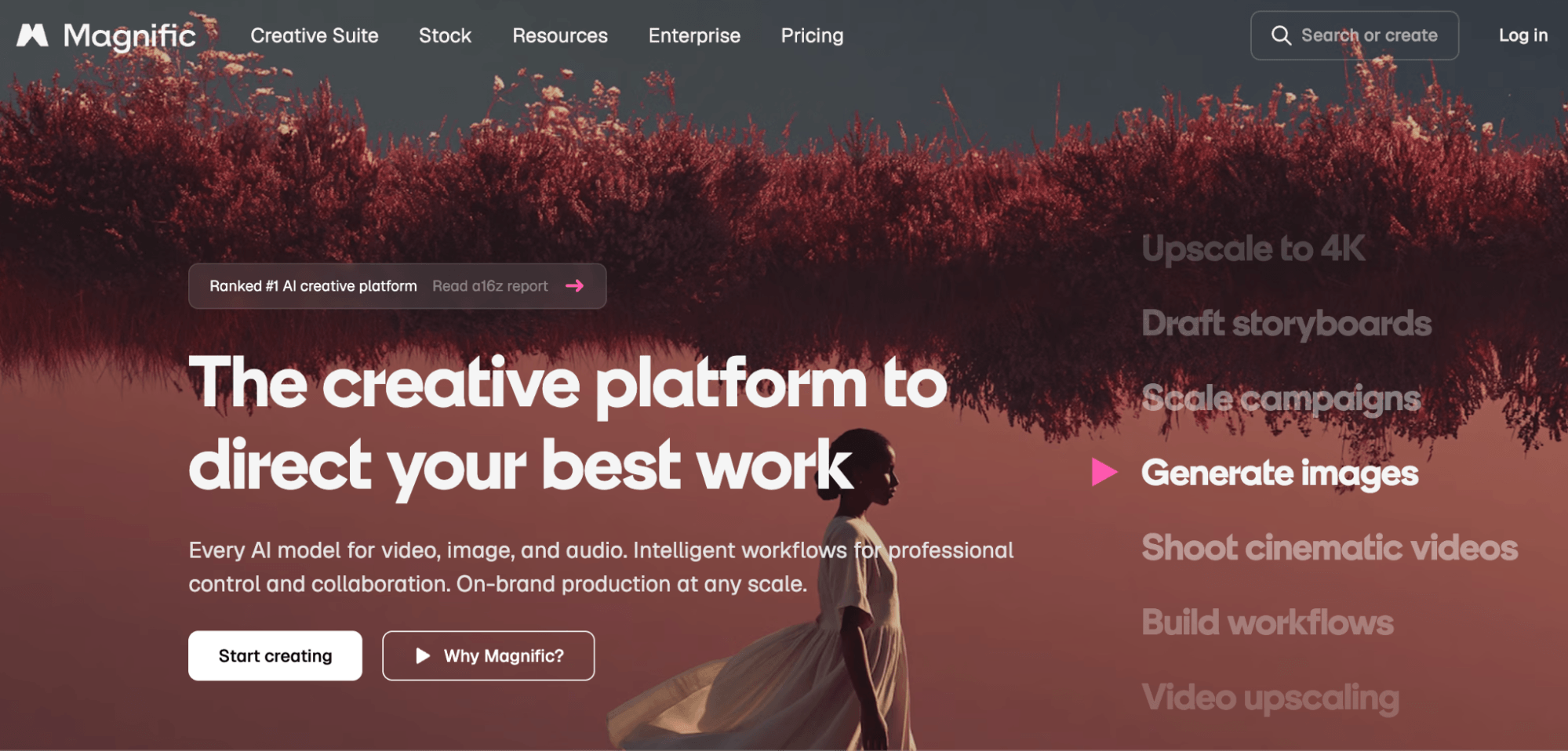
This DIY approach often leads to tool fatigue, budget fragmentation, and disjointed brand outputs. To mitigate this, industry leaders advocate for AI Platform Aggregators—services like Magnific (formerly Freepik)—rather than locking budgets into dozens of single-purpose subscriptions.
Magnific serves as an API aggregator, pulling in the latest iterations of premier image and video models under a single monthly subscription (ranging from $10 to $100). More importantly, its Spaces node-based canvas allows marketers to orchestrate complex visual pipelines. Users can connect image generation, text-prompting, audio synthesis (via integrations like ElevenLabs), and video nodes into automated, batch-processed workflows. Instead of producing assets sequentially, a marketing team can generate 30 variations of a product layout or social asset simultaneously, dramatically accelerating the prototyping phase.
Step-by-Step Methodology: Building the Workflow
Transitioning from chaotic prompt engineering to professional execution requires a disciplined, five-stage framework.
[1. Brand Foundation] ──> [2. Reference Assets] ──> [3. Storyboard (Images)] ──> [4. Video Generation] ──> [5. Post-Edits]Phase 1: Establish Your Brand Foundation
Before interacting with any generative software, foundational marketing principles must be documented. AI cannot guess your brand identity. You must codify your target audience, color palettes, typography, and core messaging.
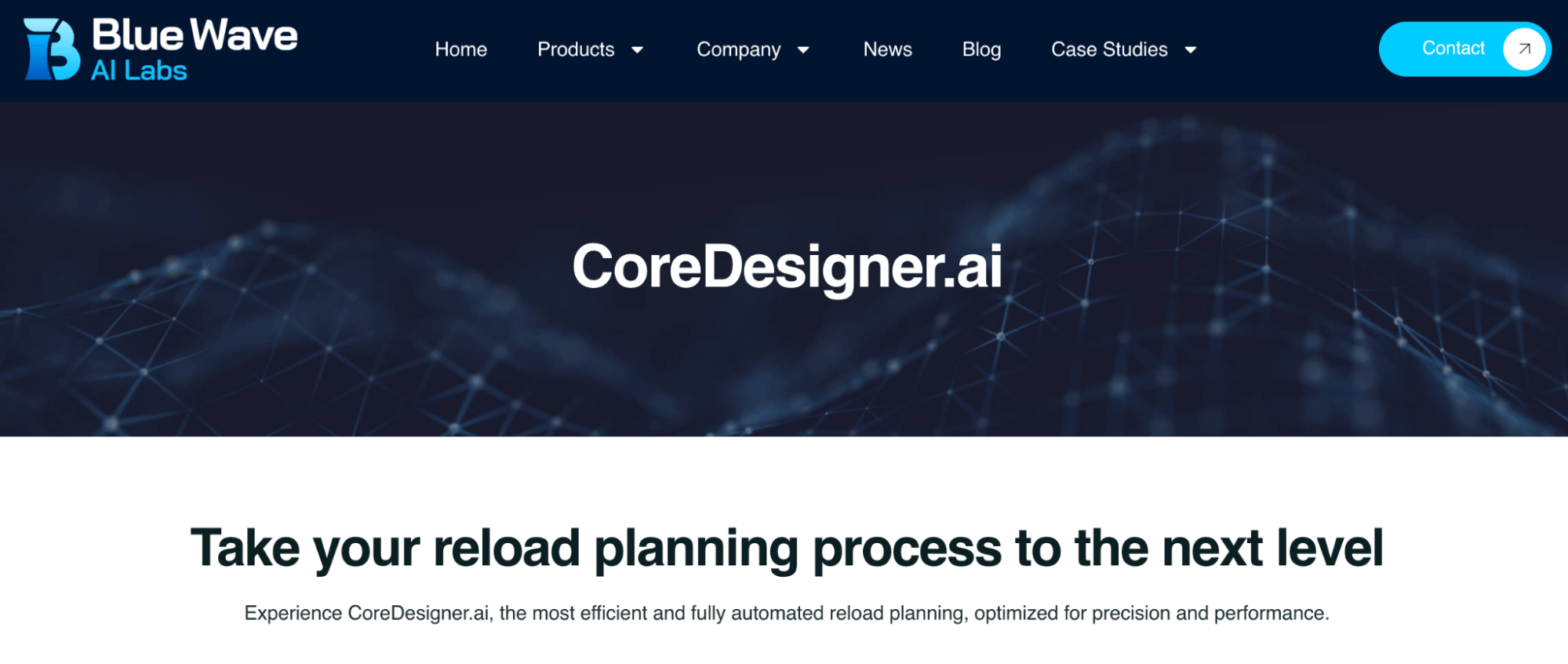
For organizations lacking a cohesive style guide, tools like CoreDesigner can synthesize scattered digital footprints—website screenshots, legacy logos, and rough product catalogs—into comprehensive, actionable design systems. Initiating your AI workflow with this baseline guarantees visual continuity across campaigns.
Phase 2: Build Reference Assets
Consistent generative output is directly proportional to pre-production preparation. Assets are categorized into two distinct pillars:

- Product Reference Assets: High-end studio photography is unnecessary for AI training; the model simply requires geometric clarity. Using a simple prompt structure ("Please create a product sheet for my product using the attached images across multiple angles"), models synthesize composite reference sheets. These sheets anchor subsequent generations within the same session, ensuring the product retains its physical identity.
- Human Reference Assets: Human likenesses require granular preparation due to expressive nuances. Creators should capture exhaustive phone camera photos (front, profile, back) and, crucially, a spectrum of facial expressions (smiling with teeth, determined, shocked, curious). Without these, generative models will distort facial features when attempting unfamiliar emotions. Compiling these into a standardized character sheet eliminates the need to upload disparate reference photos in future sessions.
Phase 3: Storyboard With Images
Video generation is computationally expensive, time-consuming, and drains API credits rapidly. An efficient workflow reverses traditional thinking: storyboard exclusively with images.
Because image generation is exponentially faster (producing roughly 100 images in the time it takes to render a handful of video clips), creators should place their established character and product reference sheets into targeted environments using static images first. This refines narrative direction and visual staging cheaply before committing to video rendering.
Phase 4: Use Images to Generate the Video
With comprehensive image storyboards completed, the burden on the text prompt is drastically reduced. Because the reference images dictate the character, costume, and environment, text prompts for video engines like Seedance 2.0 or Kling can remain concise and hyper-focused on cinematography: camera tracking, directional movement, and scene pacing.
Phase 5: Targeted Post-Edits
When localized errors occur—such as an erratic background element or an unnatural movement—avoid the urge to regenerate the entire video clip from scratch. Modern editing layers within tools like OmniFlash or Runway allow creators to feed the faulty video back into the system with explicit, localized natural language commands: “Remove the background distraction; preserve the primary subject and foreground action.”
Future Outlook
As we look toward the horizon of digital marketing, the competitive advantage will no longer belong to those who merely know how to write a prompt, but to those who construct the most resilient creative pipelines.
The convergence of multimodal models, conversational creative direction, and node-based platform aggregators signals the end of fragmented tool management. Generative AI is maturing from an unpredictable novelty into an enterprise-grade infrastructure. For marketers willing to invest time in foundational brand styling, meticulous asset preparation, and systematic workflow architecture, the tools of Hollywood are now accessible from the palm of a hand—turning bold creative visions into scalable, reliable commercial realities.