Executive Overview
In the expansive landscape of modern high fantasy, few names carry the dual weight of commercial titan and academic archivist quite like Brandon Sanderson. Known as much for his near-annual expansions of the Cosmere universe as for his collegiate-level lectures on magic systems, structural pacing, and time management, Sanderson remains a defining voice in the genre. However, even architects of sprawling fictional universes occasionally pause to evaluate the foundational blueprints of their craft.
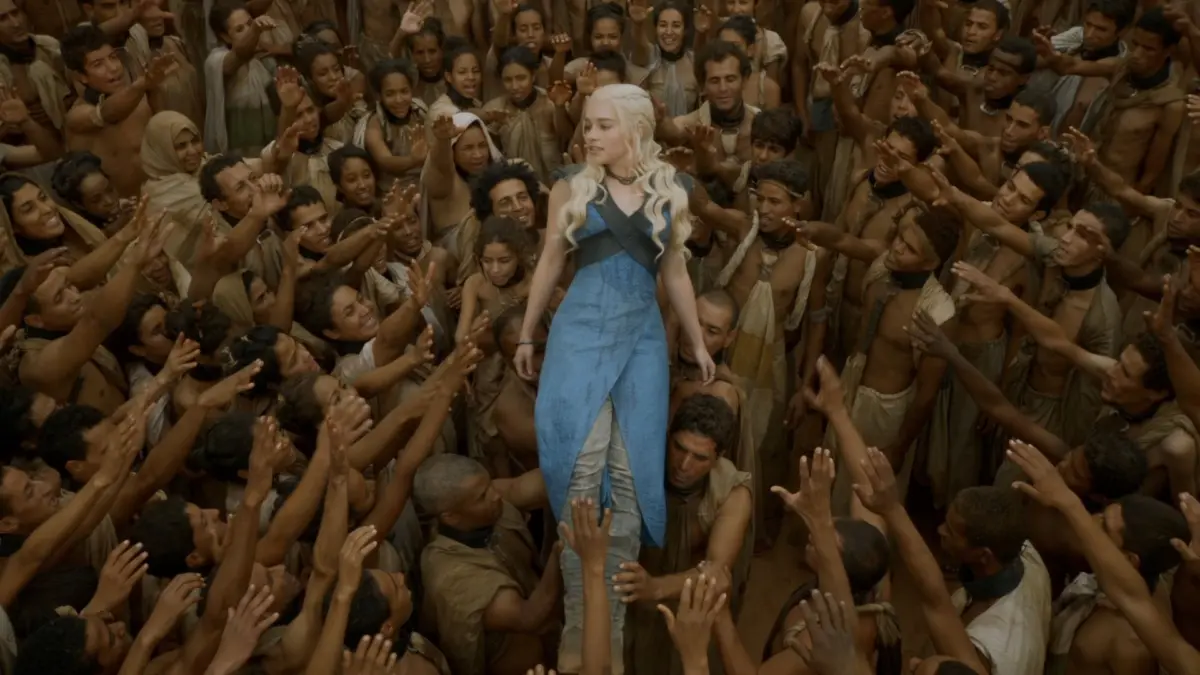
In a wide-ranging, reflective discussion with fellow dark fantasy master Joe Abercrombie—released via YouTube earlier this year—the conversation inevitably turned toward the towering monolith of modern fantasy: George R.R. Martin’s A Song of Ice and Fire, better known by its television moniker, Game of Thrones.
While both authors acknowledge the matchless immersive strengths of epic fantasy, their dialogue peeled back the polished surface of the genre to expose its structural vulnerabilities. From the seductive trap of narrative sprawl and character bloat to the subtle, inescapable perils of fantasy cartography, Sanderson and Abercrombie unpacked why building vast worlds can sometimes become an author’s undoing.
As Sanderson navigates his own transition into multi-media adaptation—spearheading a massive cinematic and episodic push for his Mistborn and Stormlight Archive properties via Apple—his meditations on the successes and failures of Game of Thrones carry profound weight. This article explores their insights, examining how maps dictate pacing, how geographic realism can trap a creator, and why the "epic" format remains a double-edged sword for storytellers.
Detailed Chronology: A Conversation Across Years on Craft and Geography
To understand the core critique levied against epic fantasy conventions, one must look at the timeline of dialogue established between Sanderson and Abercrombie over recent years.
The Genesis of the Debate (2025–2026)
The artistic partnership and ongoing public discourse between Sanderson and Abercrombie have consistently yielded fascinating insights into the mechanics of fiction. Following the lead-up to the release of Abercrombie’s acclaimed novel The Devils, the two creators engaged in a series of deep-dive discussions regarding reader expectations, narrative pacing, and world-building philosophies.
During a prior exchange in 2025, Sanderson pressed Abercrombie on a famously unconventional stance: his apparent disdain for fantasy maps. Abercrombie clarified a more nuanced perspective:
"I mean, I love maps… But I think they need to be exercised in the right way. I suppose what I don’t like is a kind of lazy application of maps."
Abercrombie elaborated on the psychological entry point for his breakthrough series, The First Law. Rather than initiating readers with a grand, God’s-eye view of a continent, he deliberately chose a claustrophobic, character-first perspective.
"When I was first writing The First Law, I guess I wanted to write something that was very character focused, that was almost told in tight closeup on the people. And to start with the widest shot imaginable of the whole world felt like exactly the wrong kind of tone to begin with if you want."
Expanding the Critique to Game of Thrones (2026)
Fast-forward to their YouTube discussion earlier this year, and the lens shifted from pure stylistic choices to the logistical friction caused by those very maps. Sanderson, reflecting on his own upbringing reading the monumental epics of the late 20th century, praised the format’s foundational appeal:
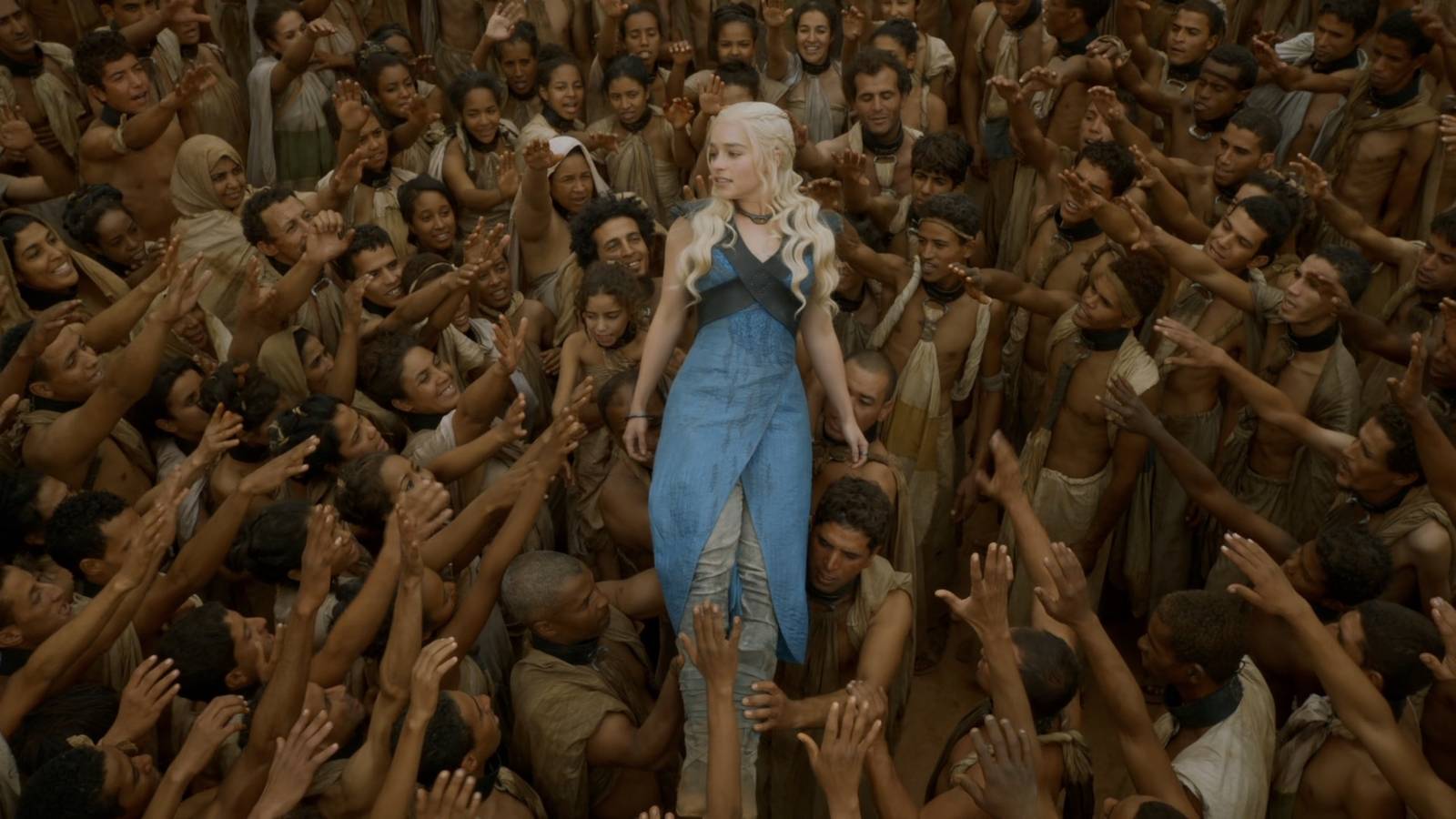
"I grew up reading the big epics. I think it’s the most natural form for fantasy in some ways. It gives you a lot of time to dig into that world and immerse yourself in it and explore another place. I think that’s why Game of Thrones did well."
Yet, this praise was immediately balanced by a candid accounting of the genre’s inherent dangers. Drawing from his own grueling editing processes—where he famously encounters burnout roughly around the tenth pass of a draft—Sanderson pointed out how macro-level world-building inevitably threatens micro-level character intimacy.
Supporting Context & Metrics: The Cartographic Trap and Narrative Bloat
The Double-Edged Sword of the Map
In the tradition pioneered by J.R.R. Tolkien’s Middle-earth, the inclusion of a meticulously illustrated map at the front of a fantasy novel has become a genre staple. For readers, a map acts as a visual contract, promising a journey across tangible borders, seas, and mountain ranges. For authors, however, that same map acts as an unforgiving legal document.

Once a cartographic layout is published, the author is shackled to the physical laws of their universe. Distances, travel times, and topological constraints can no longer be hand-waved away without drawing the ire of eagle-eyed fans. Sanderson noted how this dynamic directly impacted the later stages of both literary and televised epic fantasy:
"And once you put the map in, you run into some problems. Maybe like some later Game of Thrones seasons, we’re like, ‘Well, how did they get from here to here?’ And when you’re trying to be very realistic when presenting some of that stuff, it can get you into trouble. I still love them."
This phenomenon—affectionately and critically dubbed "jet-pack pacing" by online fandoms during the final seasons of HBO’s Game of Thrones—occurs when characters traverse continents in seemingly impossible timeframes to service plot momentum. When the map demands a three-week journey across hostile terrain, but the television script or rushed manuscript requires a character to appear in the next scene for dramatic payoff, the illusion of realistic space shatters.
Character Bloat and the Loss of Focus
Beyond geography, Sanderson highlighted the psychological trap of side characters. Epic fantasy naturally lends itself to expansion; as authors spend years living inside a secondary world, their interest naturally drifts away from the primary protagonists toward eccentric mercenaries, obscure regional lords, and fascinating fringe factions.
"Epic fantasy has this danger," Sanderson explained. "It starts very personal, and then it can drift away from being personal about the characters if you’re not careful. Authors tend to get more excited about side characters later on. We see this happening a bit in Game of Thrones and in A Wheel of Time. How can you make sure something that big remains fresh and personal and exciting? That’s a real challenge with the genre."
This observation reads as an unintended diagnosis of George R.R. Martin’s ongoing struggles with A Song of Ice and Fire.
Official Statements and Industry Parallels
The parallels between Sanderson’s theoretical critiques and George R.R. Martin’s actualized struggles are striking. Martin has been transparently vocal about the mathematical and structural nightmare of narrowing his narrative scope once the "Meereenese Knot" and similar plot threads began to sprawl outward.
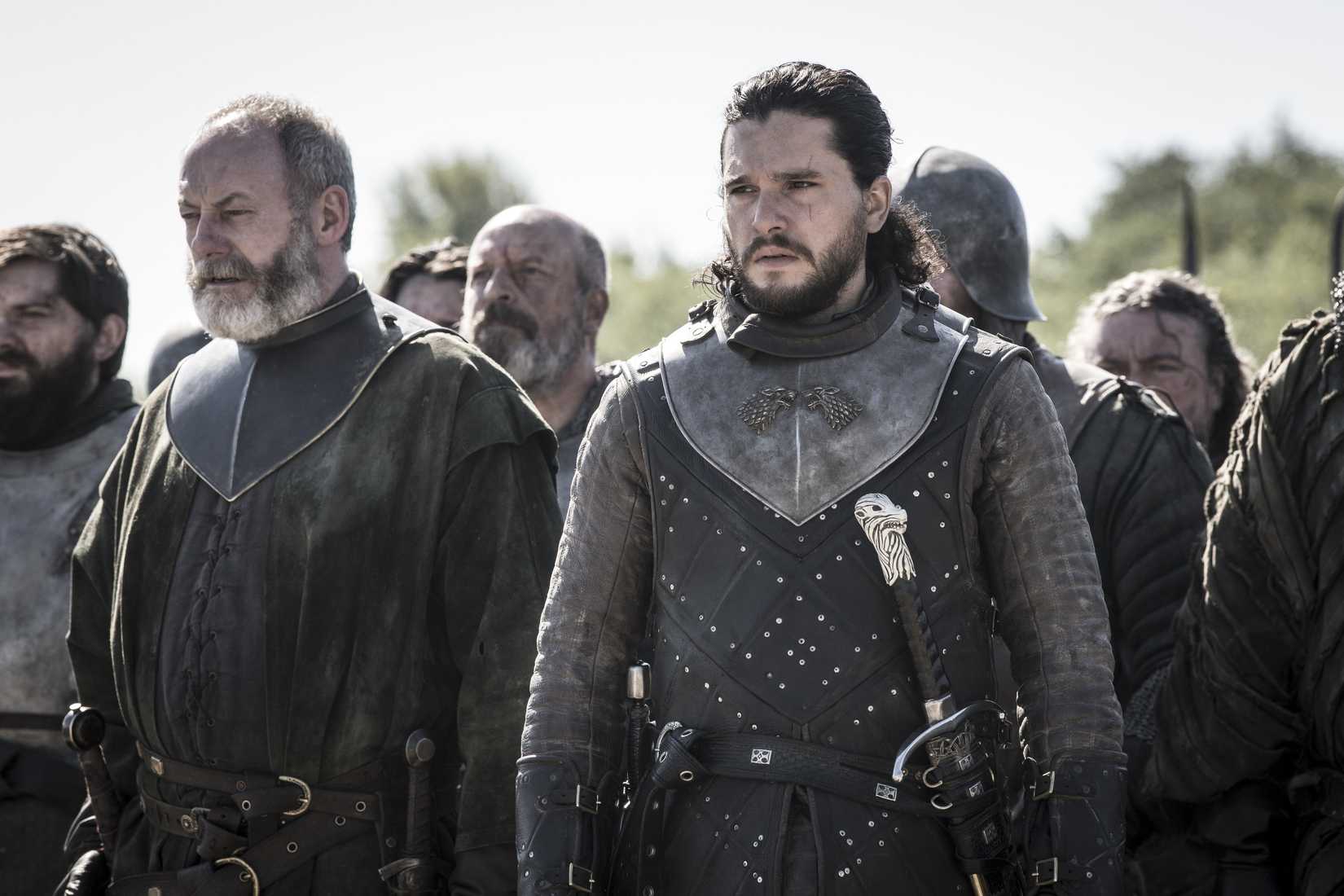
The structural weight of A Song of Ice and Fire offers a sobering case study:
- The Original Scope: Planned as a tight, three-part trilogy focusing on the conflict between the Starks and the Lannisters with an overarching supernatural threat in the background.
- The Expansion: Swelled into a planned seven-book epic, with books four (A Feast for Crows) and five (A Dance with Dragons) effectively occupying the same timeline and splitting characters geographically due to sheer page-count limits.
- The Bottleneck: The Winds of Winter, the sixth installment, has been in progress for over 15 years, heavily delayed by the compounding complexity of tracking dozens of point-of-view characters across vast continental distances.
Meanwhile, Sanderson’s fixation on the mechanics of Game of Thrones is hardly academic. The author is currently in the midst of orchestrating his own multi-media empire. Following a landmark adaptation deal with Apple, Sanderson is actively penning the screenplay for a Mistborn feature film, modeled loosely after development frameworks used by modern studios like James Gunn’s DC slate, followed by preparations for a television adaptation of The Stormlight Archive.
Observing Martin’s historical trajectory—where the television adaptation ultimately raced past the author’s ability to anchor his own narrative timeline—provides Sanderson with a masterclass in what not to do when scaling an epic fantasy franchise for the screen.
Future Outlook: The Evolution of Epic Fantasy
As the fantasy genre marches further into the 2026 literary landscape, the insights shared by Brandon Sanderson and Joe Abercrombie signal a shifting philosophy among top-tier creators. The era of unchecked, map-cluttered sprawl is increasingly giving way to a demand for disciplined architectural planning.
- Tightening the Scope: Authors are increasingly looking to Abercrombie’s "tight closeup" method, prioritizing psychological realism and localized stakes over sprawling continental wars that lose their emotional anchor.
- Multimedia Pre-Planning: With IP holders demanding rapid transitions from page to screen, modern world-builders must construct universes that are structurally sound enough to withstand adaptation without collapsing under their own geographical weight.
- The Legacy of Game of Thrones: Whether viewed as a triumph of dark fantasy or a cautionary tale of narrative overextension, Martin’s creation remains the ultimate touchstone for modern writers.
Ultimately, as Sanderson continues to construct his Cosmere and Abercrombie carves out his brutal realms, their public dissections of the genre remind us that behind every grand castle, mystical mountain range, and sweeping sea on a fantasy map lies a delicate, easily broken promise to the reader: that the story within will always matter more than the land it rests upon.