Executive Overview
For decades, veteran anime creator Atsushi Nishigori operated as a master artisan within the machinery of other visionaries’ universes. From his formative years at Gainax—the legendary studio that birthed groundbreaking cultural touchstones like Neon Genesis Evangelion and FLCL—to later spearheading major collaborative milestones like The Idolmaster, Darling in the Franxx, and Shin Evangelion, Nishigori spent much of his professional life bringing external blueprints to vibrant life. Yet, beneath the polished execution of these collaborative projects, an internal reservoir of unused character designs, discordant concepts, and surreal narrative fragments continued to accumulate.
Now, with the upcoming release of Grotesqqque, an original 104-minute anthology film produced by CloverWorks, Nishigori is finally cutting the tether. Set for a theatrical release in Japan on November 6, 2026, following its world premiere at the Fantasia International Film Festival on July 24, Grotesqqque serves as the director’s long-awaited exercise in absolute creative autonomy. Comprising three wildly divergent vignettes—an absurd alien comedy, an action-packed battle royale featuring young girls trapped in an eternal twilight, and a haunting post-apocalyptic vampire tale—the film is a deliberate collision of opposing genres, visual styles, and tonal textures. Rather than engineering a seamless, traditional narrative arc, Nishigori has intentionally preserved the friction between these contrasting components. Treating the movie as a feature-length music video governed by visual-first composition and immersive audio rhythms, Grotesqqque invites audiences to abandon the compulsion to decode a rigid puzzle, opting instead for a celebratory, multi-sensory cinematic experience.
Detailed Chronology
The Gainaxing of an Animator: Foundations and Collaborations
Atsushi Nishigori’s entry into the upper echelons of the anime industry began during an era when experimental direction and raw, kinetic energy defined Japanese animation. Stationed at Gainax, Nishigori worked in close proximity to industry titans such as Hiroyuki Imaishi and Kazuya Tsurumaki. This environment instilled in him an appreciation for unconventional visual framing, emotional exaggeration, and boundary-pushing action sequences.
Over the years, his portfolio expanded significantly. He transitioned from key animator and designer to director, leaving an indelible mark on multi-media sensations and high-profile feature films. Whether handling the idol-industry mechanics of The Idolmaster, directing the controversial and deeply debated mech-romance Darling in the Franxx, or contributing to the epic conclusion of Hideaki Anno’s Rebuild of Evangelion tetralogy with Shin Evangelion, Nishigori’s technical proficiency made him an industry workhorse. Yet, every production required adherence to a collective vision, leaving shelves of sketchbooks and conceptual brainstorms packed away in his mind.
The Accumulation Phase and the Genesis of Grotesqqque
The tipping point arrived when Nishigori realized the volume of unfulfilled ideas had reached critical mass. "There were always a lot of scenes and character designs that I had wanted to do in the past, and I had just been piling them up inside me," Nishigori explained in an interview through a translator. Recognizing that these ideas risked remaining permanently trapped in his subconscious, he approached CloverWorks with a singular, uncompromising request: to craft a project where he could execute whatever came to mind without the structural constraints of standard television series or adapted source material.
This petition birthed Grotesqqque. Rather than condensing his backlog into a single, cohesive narrative—which would have necessitated pruning away the strangest branches of his imagination—Nishigori chose the anthology format. This structure allowed him to house vastly different stories under one cinematic roof, creating a container robust enough to hold his disparate creative impulses.
Festival Debut and the Road to November 2026
The project achieved its first major public milestone on July 24, 2026, when Grotesqqque held its world premiere at the Fantasia International Film Festival, with Nishigori personally in attendance to witness audience reactions. The screening offered Western fans their first glimpse into the director’s unrestrained aesthetic. Following the festival circuit, the film is slated for a wider theatrical rollout in Japan on November 6, 2026, positioning it as one of the most anticipated original anime events of the fall season.
Supporting Context & Metrics
Anatomy of an Anthology: Breaking Down the Three Pillars
Anthology anime films occupy a peculiar and historically prestigious space within the medium. From classic multi-segment features like Neo Tokyo and Memories to the avant-garde experiments of Genius Party and the global collaborative efforts of Star Wars: Visions, anthologies frequently struggle with tonal whiplash or narrative fragmentation. Nishigori was keenly aware of this pitfall. To combat it, he did not force the three distinct stories of Grotesqqque to share a unified genre or visual palette; instead, he managed the film’s structural rhythm to ensure the viewer remained perpetually engaged.

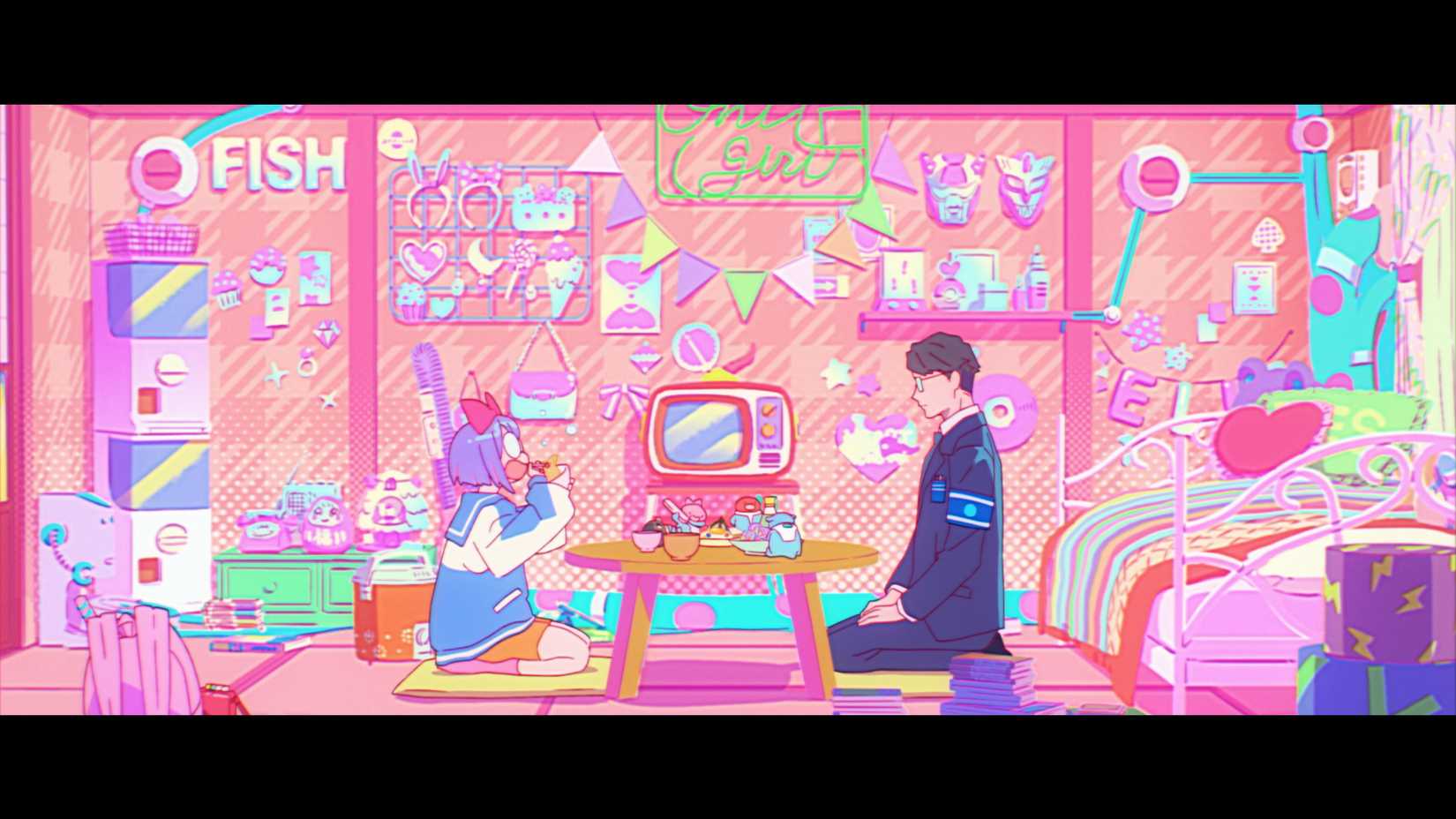
- The Alien Comedy: A lighthearted, high-energy segment that injects absurdist humor into the anthology, acting as a tonal palate cleanser and a showcase for comedic timing and whimsical character design.
- "Yoroshiku…Shoujo" (Battle Royale): Set in a surreal world where morning never arrives, this segment focuses on a group of girls thrust into violent conflict. However, Nishigori deliberately subverts the expected grimness of the battle royale genre. Rather than letting explosions and combat dominate the frame, the narrative prioritizes the tender, fragile relationships between the girls, anchoring the hyper-violence in genuine emotional stakes.
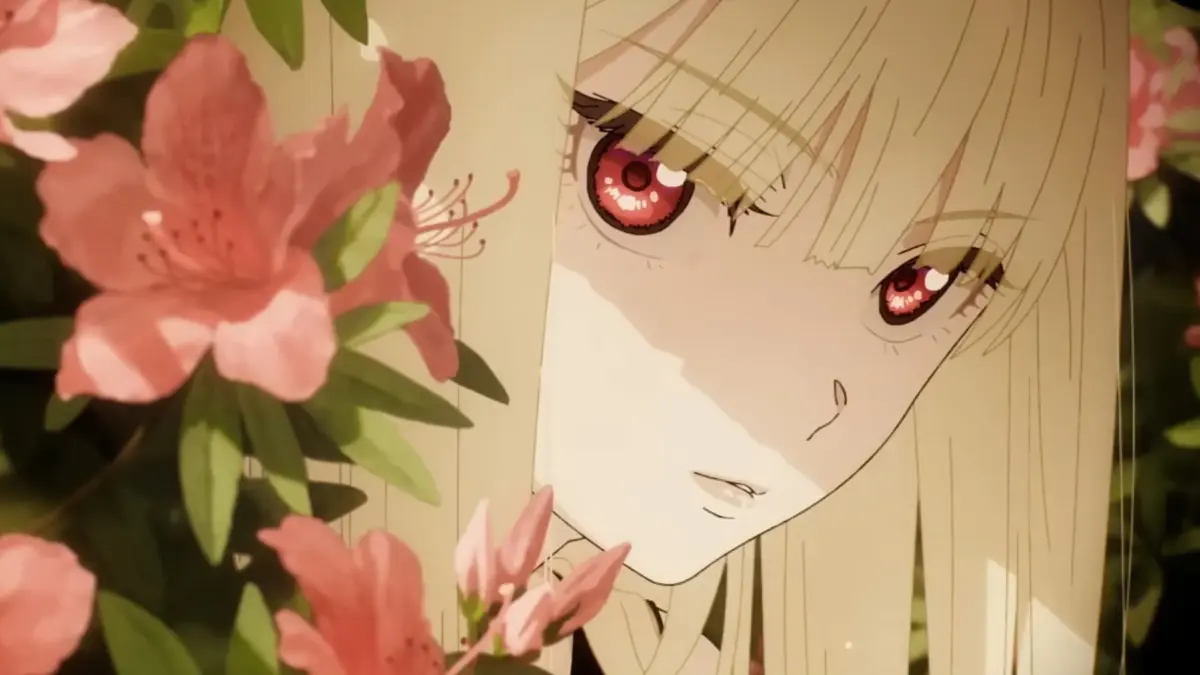
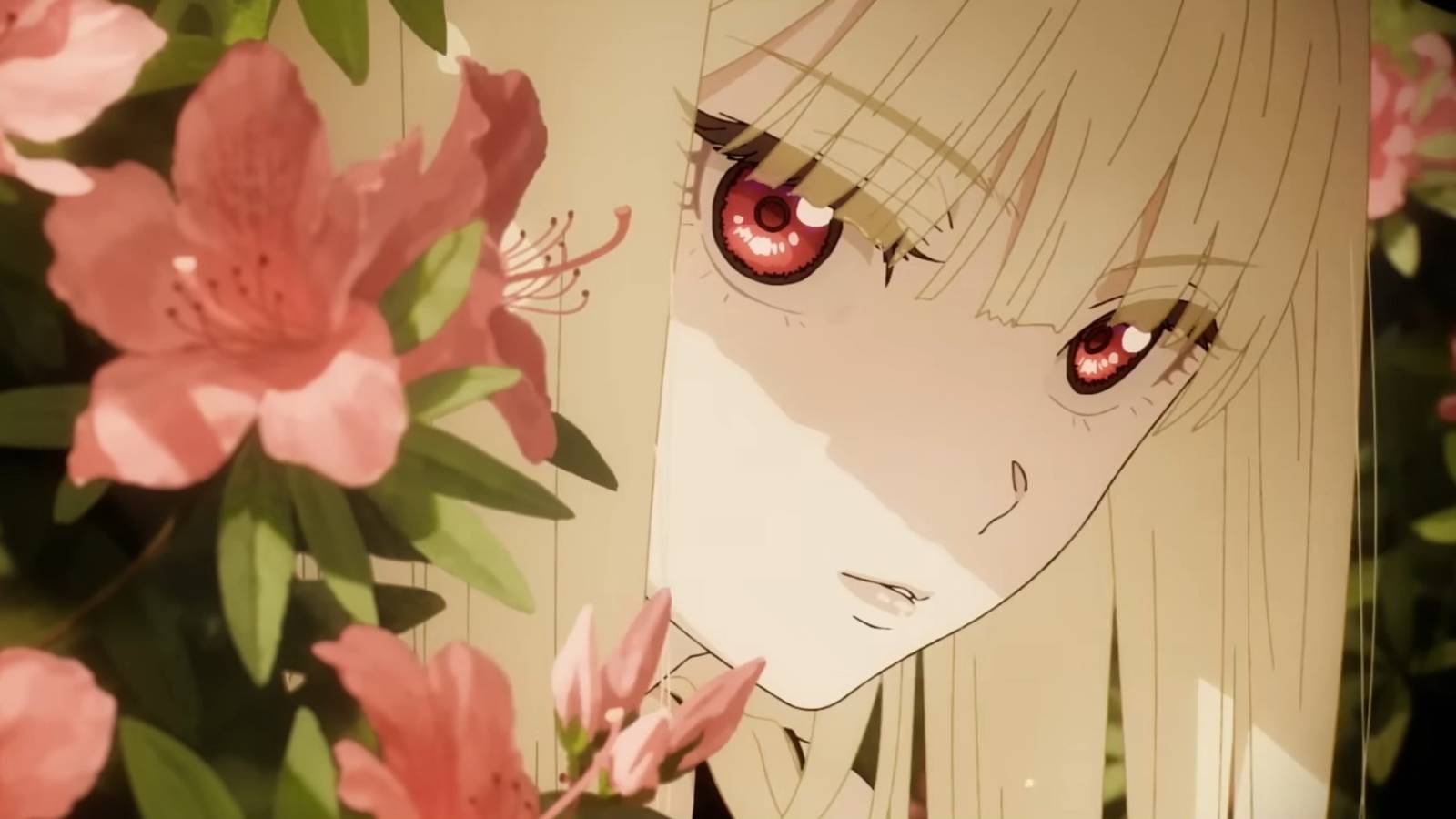
- "Nocturne" (Vampire Post-Apocalypse): The final segment unfolds in a ruined world long after humanity has vanished. Instead of dramatizing the apocalypse itself, Nishigori focuses on the quiet aftermath—four vampire girls navigating empty landscapes. The segment relies heavily on environmental storytelling, encouraging the audience to reconstruct the lost history of the world through lingering imagery.
The Philosophy of Contrast and the Definition of "Grotesque"
In standard cinematic theory, contrast is used to highlight conflict or drive character growth. For Nishigori, contrast is the primary aesthetic engine. By placing radically opposed concepts side by side—such as high-stakes combat and intimate interpersonal affection, or cosmic science fiction and melancholic post-apocalyptic wandering—he allows each element to illuminate facets of the human condition that a singular tone could never capture.
This thematic friction explains the film’s provocative title. While "grotesque" typically evokes images of body horror, monstrosity, or unnatural distortion, Nishigori’s definition is intensely personal. To him, the title describes the accumulation of all the ideas, emotions, and images that have felt strange, unresolved, or difficult to categorize throughout his life. Because he gathered so many disparate elements, many of them intentionally remain undefined, preserving an aura of mystery that invites audience interpretation rather than passive consumption.
Visual-First Direction and Long-Form Music Video Mechanics
A defining characteristic of Grotesqqque’s production is its sequencing. Eschewing the conventional method of building visuals around a fully articulated script or thematic thesis, Nishigori prioritized striking imagery and compelling character designs first. The narrative and musical arrangements were subsequently woven around these visual anchors.
"I really focused on the visual aspect, and then tried to bring the music to match the visuals, because I kind of think of it as a long-format music video," Nishigori noted. This methodology draws clear stylistic parallels to seminal works like FLCL and Cowboy Bebop, where the rhythm of the editing and the swell of the soundtrack dictate the emotional velocity of the scene. The music does not merely accompany the action; it acts as the metronome for the entire film, bridging the gaps between the three independent segments.
Official Statements
Atsushi Nishigori’s reflections on the creation of Grotesqqque offer a rare window into the psychological and artistic liberation of a veteran creator stepping out from behind corporate and collaborative shadows:
-
On Creative Freedom and Accumulated Ideas:
"There were always a lot of scenes and character designs that I had wanted to do in the past, and I had just been piling them up inside me. I really wanted to bring all of those ideas I had in my mind into this work, so I asked the company to let me make something where I could do whatever I wanted."
-
On the Power of Thematic Contrast:
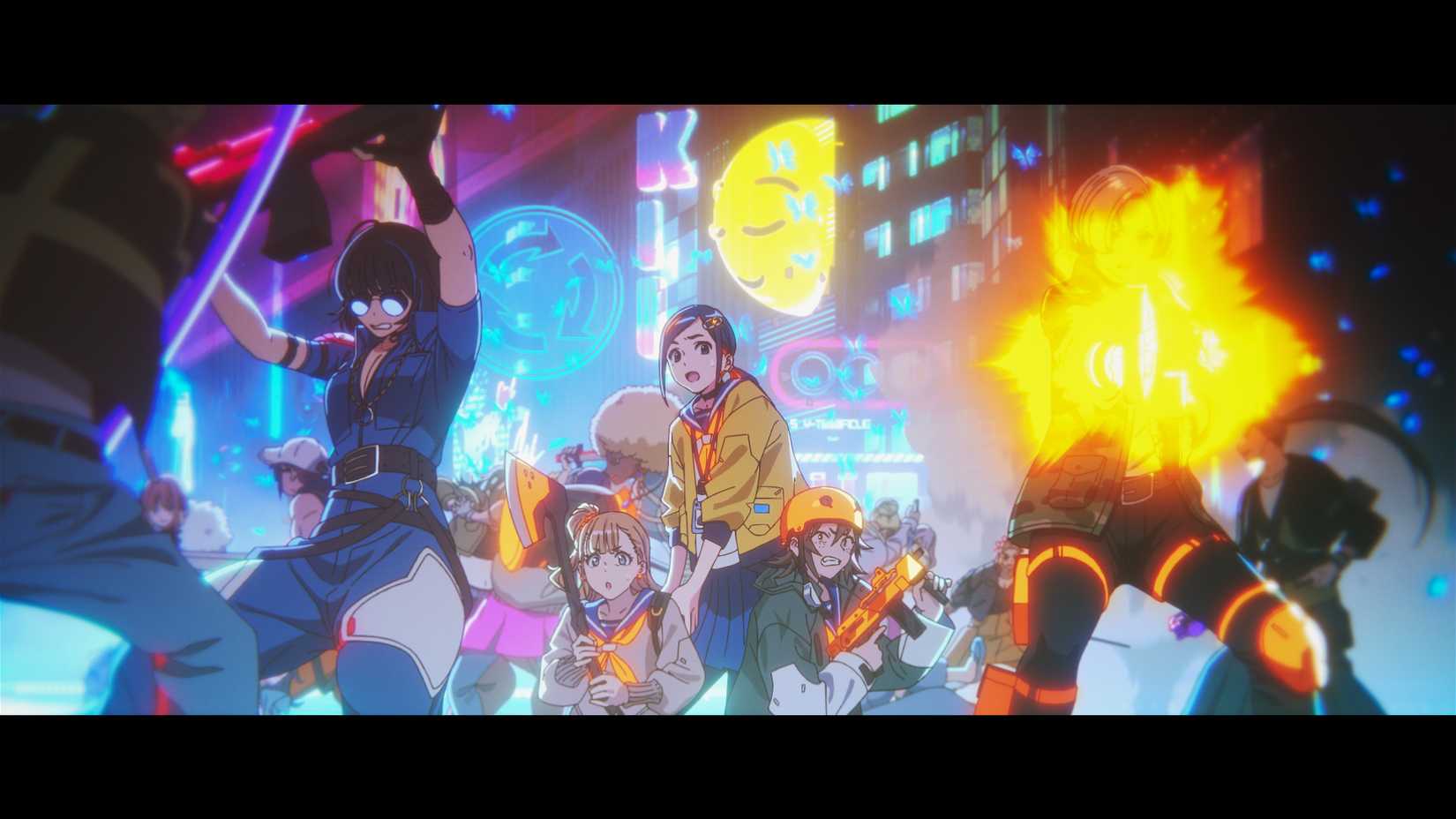
"I think I’ve always enjoyed combining contrasting themes. If those [action and violence] elements were the only things portrayed, we’d just be looking at one facet of the story, and it wouldn’t show the full picture."
-
On Embracing Ambiguity and Open Interpretation:
"Even as the creator of this film, there are many emotions and thoughts within me that aren’t completely set in stone or clarified… There are certain locations or elements that I’ve intentionally layered to evoke a connection, but I’m not going to explicitly explain how things link together. Instead, I would like each of you to experience the film and have fun imagining and interpreting it in your own way."
-
On Balancing Experimental Art with Pure Entertainment:
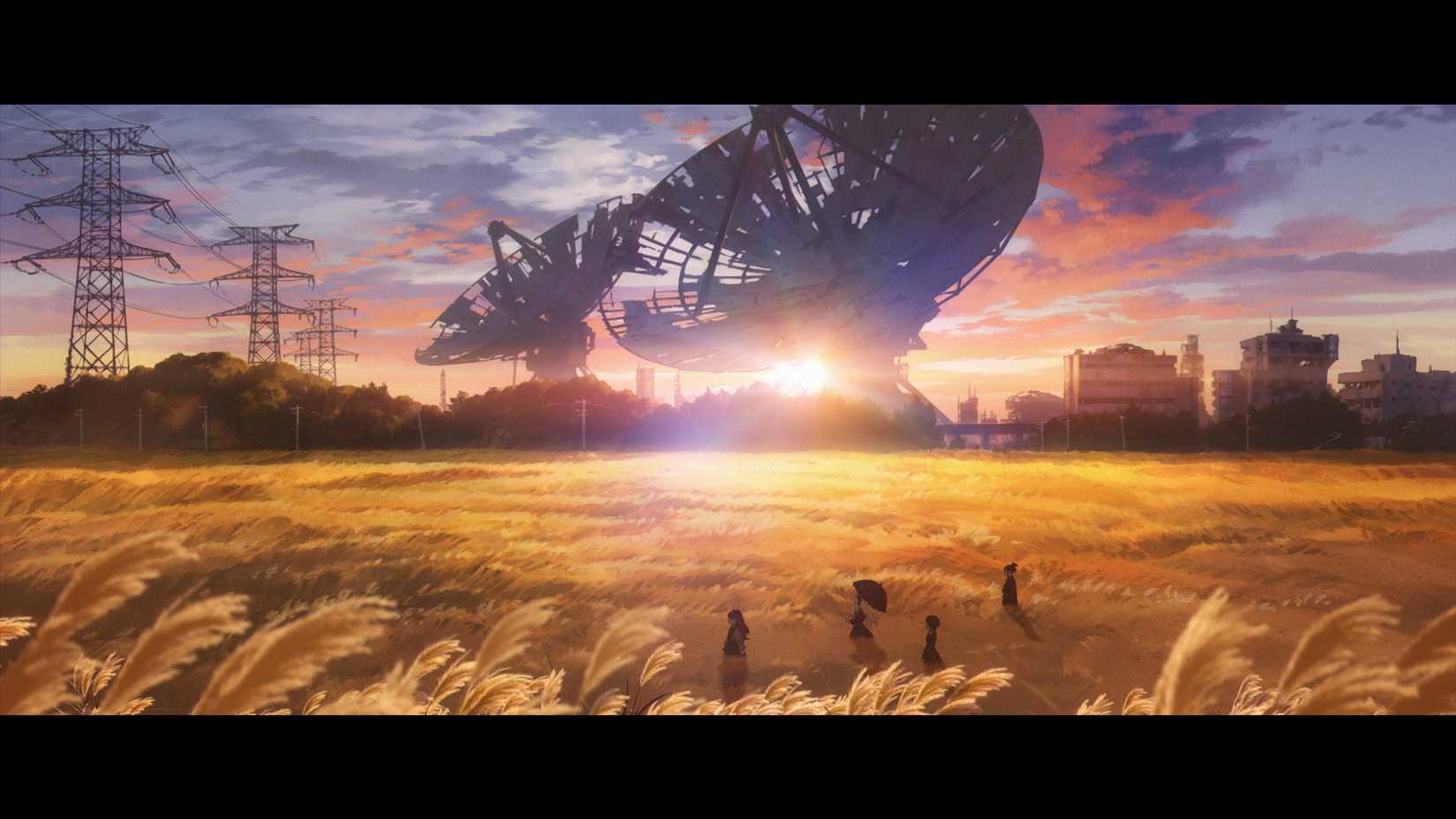
"I really wanted to make sure that this amalgamation of all of these pieces in the past is portrayed as something new, to make sure that it feels new to the audience, feels original… Finding that exact balance between the originality of the animation and pure entertainment value for the audience is what I paid the most attention to with this project."
-
On the Ideal Viewer Experience:
"I’d like the audience to approach it almost like a festival. I want them to come and just bathe in the visuals and the music, and to purely enjoy it as a fun, immersive experience… I wanted to make this as pure, accessible entertainment, so I hid a lot of the darker reality of the world so it wouldn’t ruin the fun vibe. But for the fans who love to look deeper, I think you’ll have a great time imagining what’s really going on."
Future Outlook
As the release date for Grotesqqque approaches, the anime community stands at the precipice of witnessing what happens when a seasoned master is granted total carte blanche. For CloverWorks, the film represents an investment in auteur-driven anthology storytelling—a risk in a commercial landscape frequently dominated by safe adaptations of light novels and long-running manga series.
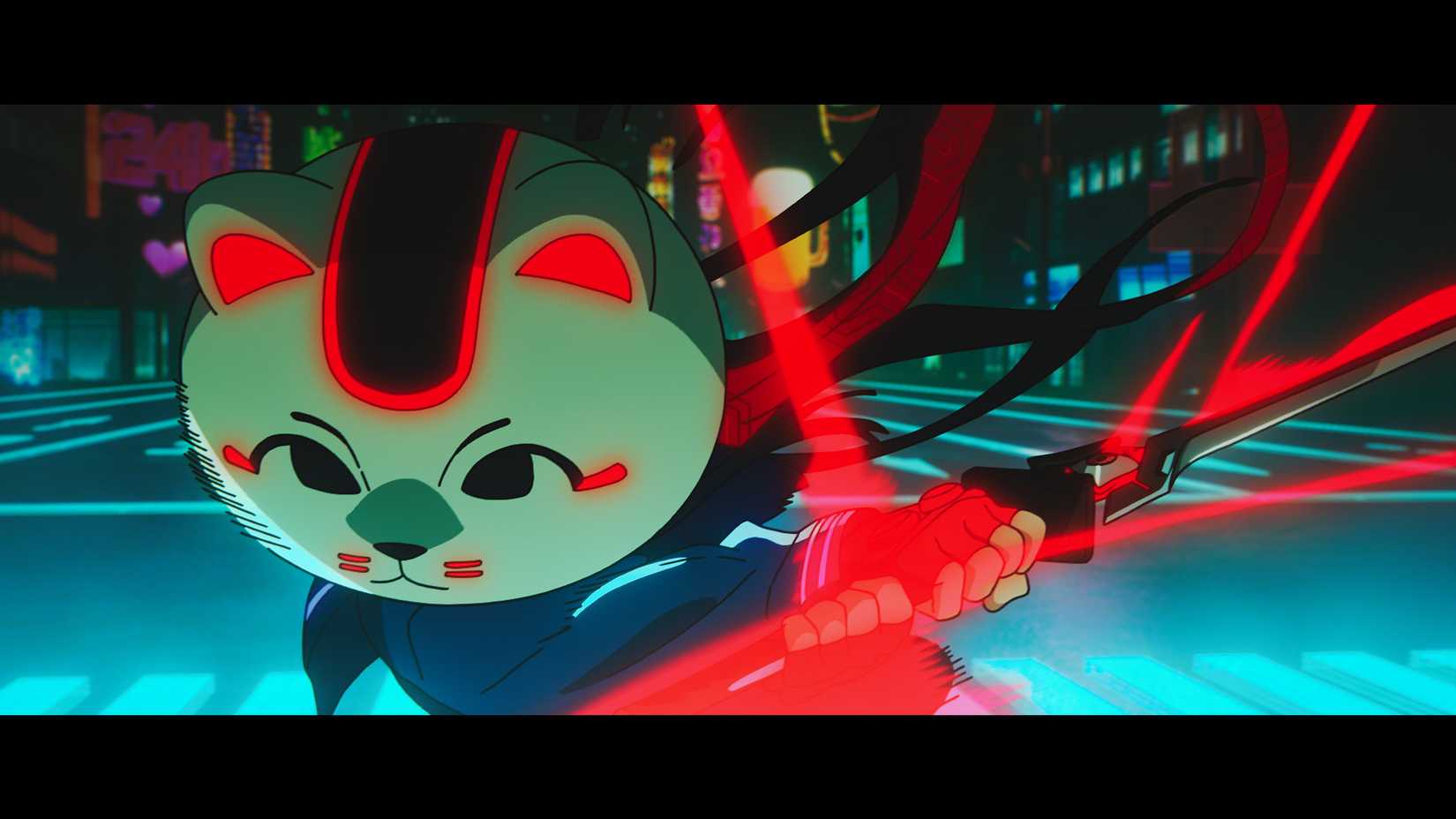
For Nishigori, Grotesqqque is not merely a collection of cut-room-floor ideas resurrected for nostalgia’s sake; it is a calculated effort to reinvent his own artistic vocabulary. By refusing to spoon-feed narrative resolutions or tidy up the conceptual loose ends of his vignettes, he has engineered a film designed for replayability. Whether viewers approach the project as a superficial sensory festival of rhythm and color or embark on archeological excavations to map out its hidden thematic links to his past works—such as conceptual echoes connecting "Nocturne" to Darling in the Franxx—Grotesqqque promises to leave a lasting footprint on modern anime cinema.
As theaters prepare for its November 6 premiere, the ultimate takeaway is clear: Atsushi Nishigori is no longer building someone else’s machine. With Grotesqqque, he has constructed a vehicle entirely his own, inviting the audience to strap in, let go of narrative certainty, and enjoy the ride.