Executive Overview
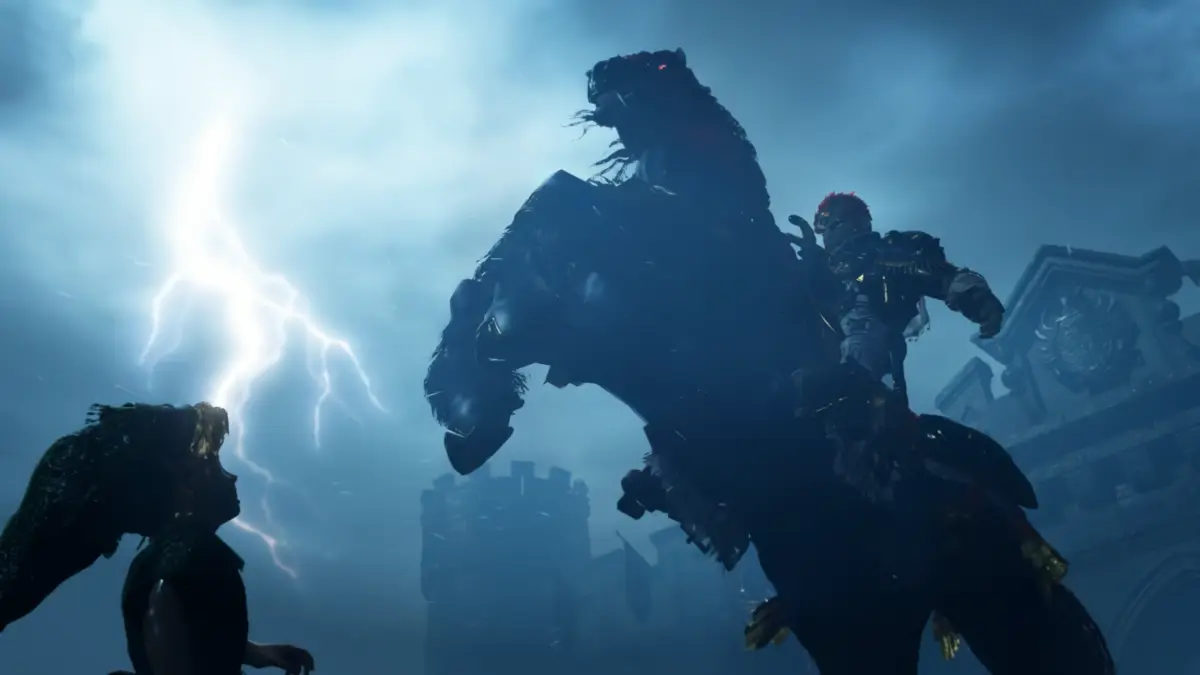
When Nintendo first teased its highly anticipated, next-generation remake of The Legend of Zelda: Ocarina of Time tailored for the successor to the Nintendo Switch (colloquially termed the Switch 2), the overarching marketing narrative leaned heavily into nostalgia, romanticism, and storybook wonder. Early footage showcased Hyrule Field rendered with a lush, painterly aesthetic, evoking classic illustrations reminiscent of Arthur Rackham’s interpretations of Brothers Grimm fairy tales. It is a visual language designed to disarm players with its idyllic, golden-hour warmth.
However, beneath this veneer of pastoral beauty lies a critical oversight often made by casual observers: fairy tales are fundamentally designed to frighten.
The Legend of Zelda: Ocarina of Time—originally released in 1998 for the Nintendo 64—has always walked a razor-thin line between high fantasy adventure and psychological horror. As Nintendo translates its iconic world into a modern, hyper-detailed visual paradigm powered by upgraded hardware, the dark, baroque undercurrents of the original game are not being diluted; they are being amplified. From the cursed inhabitants of Kakariko Village to the visceral claustrophobia of the Bottom of the Well, the forthcoming Ocarina of Time remake on the Switch 2 may very well transform nostalgic comfort food into one of the most viscerally unsettling gaming experiences of the modern era.
Detailed Chronology: From N64 Polyhedrals to Switch 2 Photorealism
To understand the tonal tightrope Nintendo is walking with the upcoming remake, one must trace the visual evolution of Ocarina of Time across hardware generations and analyze how technological fidelity impacts emotional resonance.
1. The 1998 Nintendo 64 Epoch: Limitations as Atmosphere
When Ocarina of Time launched on the N64, its 3D environments were constrained by low-polygon character models, muddy textures, and heavy fog used to mask draw-distance limitations. Paradoxically, these hardware limitations served the horror elements of the game exceptionally well. The sparse, echoing soundscapes, combined with primitive visual geometry, left substantial room for the player’s imagination to fill in the blanks.

Encounters with enemies like the Wallmaster—a disembodied, demonic hand dropping from the ceiling—or the skeletal ReDeads relied on eerie minimalism. The terror was abstract, dreamlike, and uncanny, cushioned by the technological barrier of the era.
2. The 2011 Nintendo 3DS Remaster: Polishing the Edge
Thirteen years later, Nintendo released a stereoscopic 3D remaster for the Nintendo 3DS. While it dramatically improved character models, increased texture resolution, and stabilized the framerate, the visual upgrade remained bounded by handheld hardware constraints. The game looked cleaner and sharper, but it maintained much of the original’s stylized, game-like distance from true photorealism. The dread remained, yet it felt familiar—a polished artifact of a bygone era.
3. The 2026 Switch 2 Announcement: The Photorealistic Paradigm Shift
Fast-forward to the current development cycle for the Nintendo Switch 2. Early showcases of the new remake reveal a staggering leap in graphical fidelity. Hyrule Field is rendered with dense, wind-swept grass, volumetric lighting, and a richly textured, storybook-inspired art style.
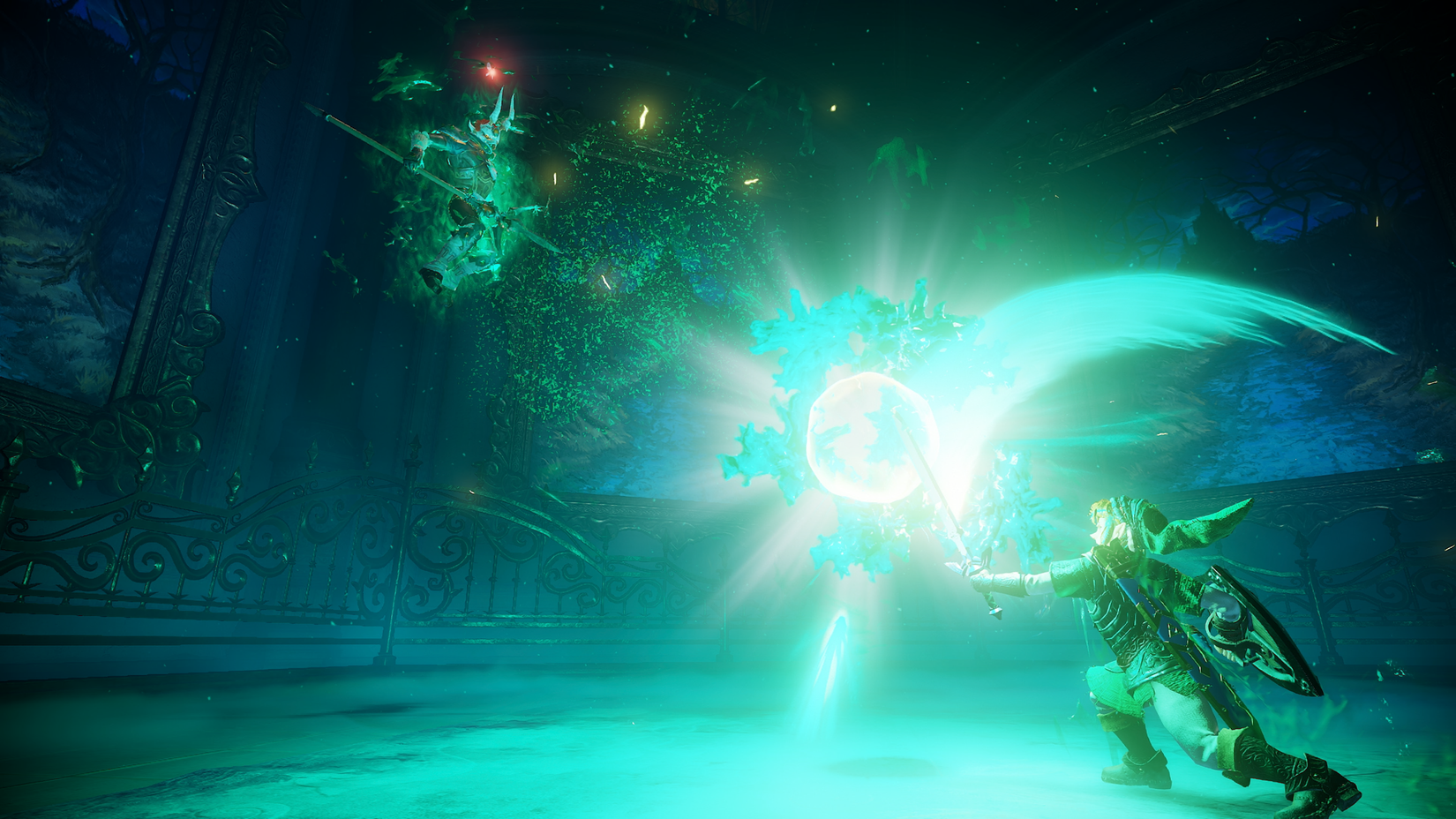
While the marketing has heavily focused on these romantic, open-air vistas, industry observers and developers face a sobering question: how do inherently terrifying enemy designs and macabre dungeon environments translate when rendered with modern, hyper-realistic graphical pipelines? When low-polygon approximations are replaced with visceral textures, subsurface scattering, and spatial audio, the psychological impact shifts dramatically from "retro spooky" to outright photorealistic nightmare fuel.
Supporting Context & Metrics: The Anatomy of Ocarina of Time’s Horror
While The Legend of Zelda series is universally celebrated for its sense of grand adventure, Ocarina of Time established a dark tonal precedent that later entries—such as Majora’s Mask and Twilight Princess—would fully embrace. Examining the specific encounters embedded within the game’s architecture highlights why the Switch 2 remake poses a fresh psychological threat to players.

The Curse of Kakariko Village: The Skulltula Tragedy
One of the most harrowing early-game subplots takes place in an abandoned mansion in Kakariko Village. Upon entering, players discover a wealthy family transformed into giant, man-faced spiders—Skulltulas—as punishment for their greed.
- The Visuals: On the N64, these creatures wore crude masks resembling their former human faces.
- The Switch 2 Implication: Rendered in high-definition detail with advanced material shaders, the juxtaposition of human facial features stretched across the carapaces of scuttling arachnids crosses into body horror territory. The psychological weight of listening to distorted human voices beg Link to break their curse while trapped in monstrous forms will be vastly more visceral on modern hardware.
The Royal Family’s Tomb and the ReDead Phenomenon
Descending beneath the Kakariko graveyard leads players into the Royal Family’s Tomb, home to the ReDeads. These desiccated, shambling ghouls possess a mechanic that remains iconic and terrifying: their unearthly, paralyzing scream freezes adult Link in place while they slowly climb onto his back to feed.
- Audio-Visual Synergy: In the original game, the low-frequency drone of their vocalizations combined with the sudden loss of control induced genuine panic. With modern spatial audio and cinematic rendering capabilities, the ReDeads threaten to transition from classic video game enemies into genuinely harrowing horror set-pieces.
The Depths of Torture: The Bottom of the Well and the Shadow Temple
Perhaps the most jarring tonal shift in Ocarina of Time occurs when the player drains the village well, entering a mini-dungeon that diverges sharply from traditional high-fantasy tropes.
[Traditional Fantasy] -> Hyrule Field, Kokiri Forest, Zora’s Domain
[Gothic Adventure]    -> Forest Temple, Spirit Temple
[Psychological Horror]-> The Bottom of the Well, Shadow Temple (Skeletons in walls, bloodstains, Dead Hand)
The Bottom of the Well and the subsequent Shadow Temple are essentially medieval torture chambers featuring impaled skeletons embedded in stone walls, blood-soaked execution sites, and the infamous Dead Hand—a writhing, blob-like abomination with spindly arms that drags helpless victims into the earth. Translating these locations into the Switch 2’s rich graphical engine risks pushing the content past traditional "Everyone 10+" boundaries into territory that feels strikingly closer to survival-horror titles like Resident Evil or Silent Hill.
Official Statements & Industry Perspectives
Industry analysts and creative leads have weighed in on Nintendo’s strategic pivot toward high-fidelity remakes for its next-generation hardware. Speaking on the design philosophy behind the updated aesthetic, critics have noted that Nintendo is consciously leaning into the European folklore roots of the franchise.
"Ocarina of Time is a fairy tale, more so even than most other Zelda games. Recognizing this is key to understanding the visual approach Nintendo has taken for the remake… It’s supposed to look romantic, densely and lushly illustrated, like the painted cover of an old storybook."
— Oli Welsh, Polygon
However, industry insiders are quick to caution that fairy tales inherently contain dark, unvarnished elements. Classic folklore compiled by the Brothers Grimm or illustrated by artists like Arthur Rackham was rarely sanitized for children; it relied on stark contrasts between luminous beauty and visceral peril.
Nintendo’s development teams have maintained tight-lipped confidentiality regarding specific gameplay tweaks inside horror-centric dungeons like the Shadow Temple. Yet, promotional previews highlighting the game’s atmospheric lighting suggest that the studio is fully aware of the dual nature of Hyrule. By establishing an intensely beautiful baseline through its sweeping outdoor vistas, Nintendo is effectively setting a trap for the player—luring them into a false sense of security before plunging them into the game’s darker corridors.
Future Outlook: What to Expect from the Switch 2 Launch
As the launch window for the Nintendo Switch 2 approaches, the industry is watching closely to see how masterclass classics transition into the modern gaming ecosystem.
- Hardware Capabilities: The inclusion of advanced ray-tracing and fast asset-streaming on the Switch 2 means that dungeons like the Shadow Temple can leverage dynamic, creeping shadows and atmospheric fog in ways previously impossible on Nintendo hardware.
- Audio Innovation: With the anticipated upgrades to onboard audio processing, the sparse, echoing soundscapes that defined Ocarina of Time‘s creepiest moments will likely receive a masterclass in dynamic acoustic design, heightening the tension of every creeping Skulltula and echoing ReDead shriek.
- Audience Reception: The core demographic that played the original game in 1998 is now middle-aged, while a new generation of gamers will experience Hyrule for the first time on modern hardware. Balancing nostalgic comfort with genuine terror will be Nintendo’s greatest creative triumph—or its most startling surprise.
Conclusion
Don’t be fooled by the misty mornings, golden-hour illumination, and storybook gloss of the marketing campaign. Beneath the picturesque meadows of Hyrule Field beats the ancient, unyielding heart of a gothic fairy tale. When the Ocarina of Time remake arrives on the Nintendo Switch 2, it may very well shed its cute exterior to become not only a masterclass in game design, but quite possibly the most genuinely frightening game you play this year.