Executive Overview
In an era dominated by hyper-curated digital echo chambers, algorithmic homogenization, and a pervasive cultural anxiety over the dissolution of bodily autonomy, independent publications face a critical crossroads. Amidst this climate, Dazed—alongside its sister title, AnOther—marks its monumental 35th anniversary with a defiant manifesto. Rather than retreating into nostalgic retrospection, the publication has deployed its milestone edition as an ideological and aesthetic counter-offensive against the contemporary socio-political landscape.
Titled simply and provocatively "New Idols," the latest issue arrives as an urgent, unvarnished riposte to the shrinking silhouettes of the runway, the systemic erosion of reproductive and trans healthcare rights, and the deepening psychological chasm between human consciousness and digital existence. Curated as a celebration of radical corporeality, the issue rejects the Ozempic-fueled, Black Mirror-esque dystopia currently colonizing popular media. Instead, it offers a diverse, tactile, and unapologetically skin-revealing compendium of modern iconoclasm.
From legendary cinematic auteurs documenting pop-culture scions to global fashion icons confronting extreme wealth inequality, and a monumental, world-exclusive exploration of Grand Theft Auto VI’s digital protagonists, this edition transcends traditional print journalism. It serves as an authoritative cultural archive documenting the intersection of fashion, political resistance, and digital reality. This report provides an exhaustive, multi-faceted analysis of the issue’s contents, exploring the sociopolitical currents that shaped it, the heavyweight creative collaborations underpinning its pages, and its profound implications for the future of global youth culture.
Detailed Chronology: The Anatomy of a Cultural Manifesto
The conceptual genesis of the "New Idols" issue began as a rigorous internal dialogue regarding the commodification and shrinking space of the human body. The editorial board identified three distinct vectors of concern: the alarming return of emaciated beauty standards on runways and red carpets; the legislative dismantling of bodily rights across the globe; and the alienating disconnect fostered by total immersion in the digital rabbit hole. The resulting issue is structured not as a passive collection of trends, but as a deliberate chronological and thematic narrative that charts the state of contemporary identity.
Phase One: Reclaiming the Physical Form
The opening sequence of the magazine establishes its foundational ethos: a fierce rejection of homogenized perfection in favor of raw, authentic humanity. Eschewing the clinical perfection demanded by algorithmic platforms, the casting throughout the issue reflects the diverse realities of the urban streetscape. Skin is foregrounded as a site of political expression, vulnerability, and power. Activists fighting on the front lines of bodily freedom are given equal weight alongside boundary-pushing artists whose works compel visceral, emotional responses.
Phase Two: Documenting the "New Idols"
Transitioning from general philosophy to specific portraiture, the issue introduces its titular subjects—a generational cohort of disruptors captured by master image-makers:
- North West: The 13-year-old pop-culture scion, already carving out an independent trajectory, is captured through the lens of Gus Van Sant, the legendary visionary behind My Own Private Idaho. The pairing bridges old-school American indie cinema with the hyper-accelerated reality of Gen-Alpha celebrity.
- V (Kim Taehyung): Recognized globally as the "fashion diva" of BTS, V marks 13 years at the absolute pinnacle of international pop music. Photographed by Erika Kamano, his imagery redefines masculinity and luxury on a planetary scale.
- Ethel Cain: A defining musical visionary of her generation and a beacon of hope for queer youth worldwide, Cain is immortalized by photographer Jet Swan, capturing the haunting, gothic romanticism of her artistic universe.
- Emeline Hoareau: The Réunion Island model who commanded the global fashion consciousness during the A/W26 show circuit emerges as a definitive new fashion idol, lensed by Zora Sicher.
Phase Three: Confronting the Zeitgeist in Paris
The narrative then moves directly to the A/W26 runways, capturing an industry grappling with global instability. Paolo Roversi shoots a special cover featuring a bubblegum-pink masterpiece from Comme des Garçons—a collection by Rei Kawakubo that reduced Dazed’s senior fashion editor to tears and prompted an exclusive, rare interview with the designer.
Concurrently, the avant-garde design duo behind Matières Fécales, Hannah Rose Dalton and Steven Raj Bhaskaran, present a collection addressing extreme wealth inequality. Their unsettling, provocative exploration of the beautiful and the grotesque serves as a challenge to luxury complacency. Captured on the streets of Paris alongside 15-year-old viral sensation Billy—who captivated the fashion world at the July Schiaparelli couture shows—this segment underscores fashion’s capacity for socio-political confrontation. In stark contrast, another cover features a completely nude Selena Forrest, lensed by pop-cultural powerhouse Aidan Zamiri, elevating vulnerability to an extreme art form.
Phase Four: The Digital Frontier
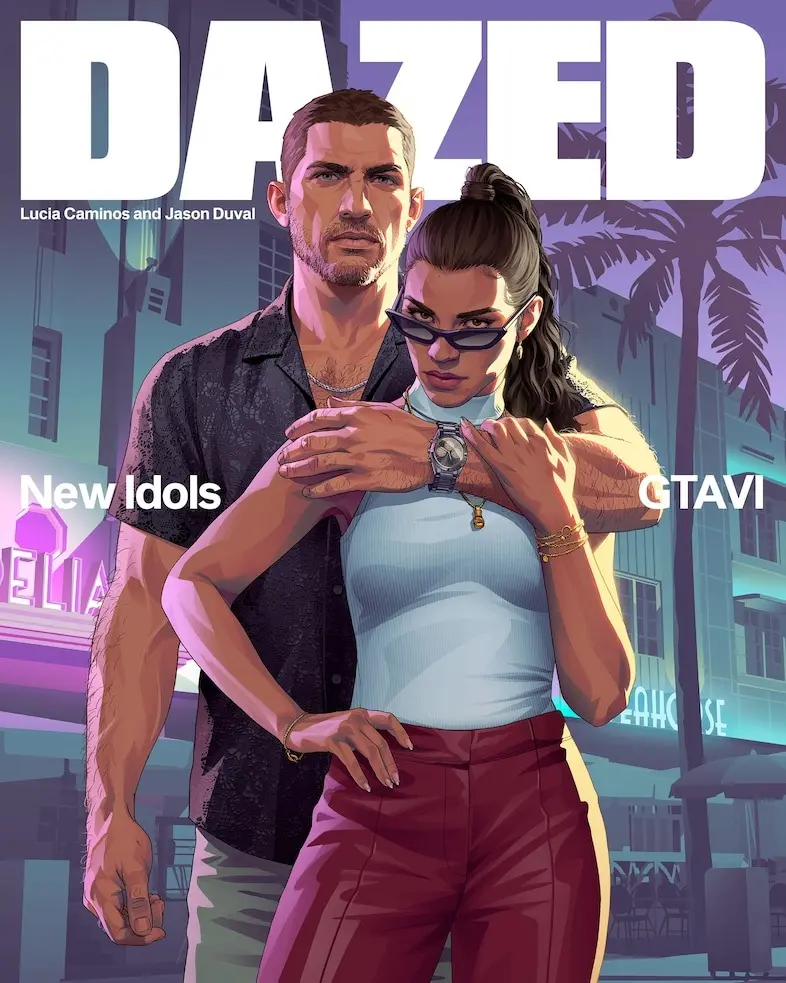
In a groundbreaking global exclusive, the chronology culminates in the virtual realm. Rockstar Games lifts the veil on the creation of Grand Theft Auto VI’s protagonists, Lucia Caminos and Jason Duval, marking the first major release in the franchise in over a decade and cementing video games as a premier 21st-century art form.
Supporting Context & Metrics: The Economics and Ideology of Dazed at 35
To fully comprehend the weight of the "New Idols" issue, one must examine the institutional longevity and cultural currency of Dazed. Founded 35 years ago as an independent champion of counter-culture, the publication has consistently resisted corporate co-optation while evolving into a global media titan. Eschewing backward-looking nostalgia, the editorial team deliberately bypassed an introspective anniversary retrospective in favor of commissioning forward-thinking portfolios.
The economic and cultural metrics underpinning this release are staggering:
- Rockstar Games & Media Scale: As Dazed senior writer Thom Waite notes, Rockstar Games’ previous iterant, Grand Theft Auto V, shattered global entertainment history by generating $1 billion in gross revenue within a mere three days of its launch, setting an unsurpassed benchmark for interactive media. The introduction of Lucia and Jason in GTA VI represents not merely a software launch, but a monumental cultural pivot in how human bodies, narratives, and digital avatars will be designed and perceived in virtual spaces for the next decade.
- Rei Kawakubo’s 50-Year Reign: The inclusion of Rei Kawakubo offers historical ballast. Over the past five decades, Kawakubo’s work at Comme des Garçons has systematically deconstructed and reconstructed global paradigms of beauty, utility, and form. Her A/W26 collection operates as a direct material reaction against global darkness, validating Dazed’s editorial focus on fashion as existential armor.
- Global Collaborations and Merchandising: Marking its platinum milestone, Dazed partnered with heritage British label YMC (You Must Create) to release a capsule merchandising line, bridging archival independence with contemporary streetwear economics. This is complemented by expansive visual portfolios from celebrated contemporary photographers Jesse Glazzard, Quil Lemons, and Ryan McGinley, alongside sculptural hair art by Taiba Akhuetie and a preview of Ana Viktoria Dzinic’s debut solo exhibition.
Official Statements and Editorial Insights
The intellectual rigor of the "New Idols" issue is best articulated through the statements and critical commentary provided by the magazine’s editorial architects and contributing voices.
Reflecting on the psychological and physical disconnect enforced by modern technology, the editorial board summarizes the issue’s foundational mission:
"We began this issue by thinking about the body: about the shrinking bodies on the runway and the red carpet; about the erosion of bodily rights, like access to abortions and trans healthcare; and about the disconnect between our minds and our bodies as we fall further and further down the digital rabbit hole. The result is a riposte to all that: a mix of bodies throughout the magazine, a focus on activists fighting for bodily freedoms, and a celebration of artists whose work makes us feel something."
Addressing the intentional casting decisions that defy contemporary algorithmic beauty standards, the editors emphasize:
"You’ll notice a fair amount of skin in this issue and casting that reflects what you see on the street, rather than in some Ozempic-fuelled, Black Mirror-esque dystopia. If you don’t feel represented on the runway right now, we hope you see yourself in these pages."
Providing critical analysis on the cultural significance of Rockstar Games’ latest masterwork, senior writer Thom Waite articulates the paradigm shift of digital idol worship:
"If you accept that video games are an artform, then Rockstar Games has produced two of the most significant works of the 21st century so far: GTAV and its western-themed follow-up, Red Dead Redemption 2. The former broke the record for the fastest-selling entertainment product of all time, earning a billion dollars in just three days."
On the unsettling, provocative nature of contemporary design, the editorial notes regarding Matières Fécales’ vision:
"I have to confess that I found their show – and their provocative blend of the beautiful and the grotesque – slightly unsettling. That was entirely the point: their vision of radical inclusivity is challenging and confrontational."
Finally, regarding the deliberate choice to bypass self-congratulatory anniversary reflection in favor of relentless creative progression, the publication maintains its signature forward momentum:
"Oh yeah! It’s our 35th anniversary. We haven’t spent much time dwelling on this; there’s too much good stuff going on right now to look back and be nostalgic. On to the next…"
Future Outlook: The Intersection of Digital Avatars and Physical Realities
As Dazed embarks on its 36th year, the "New Idols" issue serves as a profound prognosticator for cultural production across fashion, art, and technology. The collision of physical runway collections responding to wealth inequality and the digital manifestation of virtual protagonists in Grand Theft Auto VI highlights an emerging duality in modern identity: humanity is simultaneously reclaiming physical, visceral corporeal space while rapidly expanding into immersive digital dimensions.
- The Reclamation of Corporeality: The fierce pushback against homogenized, pharmaceutically altered silhouettes on the runway signals a sustained cultural demand for radical inclusivity and physical diversity. As legislative battles over bodily autonomy persist globally, print and digital media platforms will increasingly serve as safe harbors for unvarnished self-expression.
- The Maturation of Digital Iconography: With Rockstar Games setting a new benchmark for virtual storytelling through Lucia and Jason, the boundary between real-world celebrity and digital avatars will continue to blur. Future idols may no longer be restricted to flesh and blood; instead, they will inhabit interactive, algorithm-resistant digital ecosystems crafted by visionary artists.
- The Resilience of Independent Publishing: In an media environment increasingly throttled by algorithmic distribution models—prompting initiatives like The Drop to help audiences escape the digital feed—Dazed’s 35-year milestone proves that uncompromising, provocative print journalism remains an indispensable antidote to cultural amnesia.
By refusing to look backward, Dazed has successfully mapped out the cultural terrain of the decade to come, cementing its status not just as a witness to history, but as an active architect of the future.